



White Painted Furniture
White painted furniture brings together centuries of painted wood, cast iron and garden seating from French, Swedish and English traditions.
White Painted Furniture
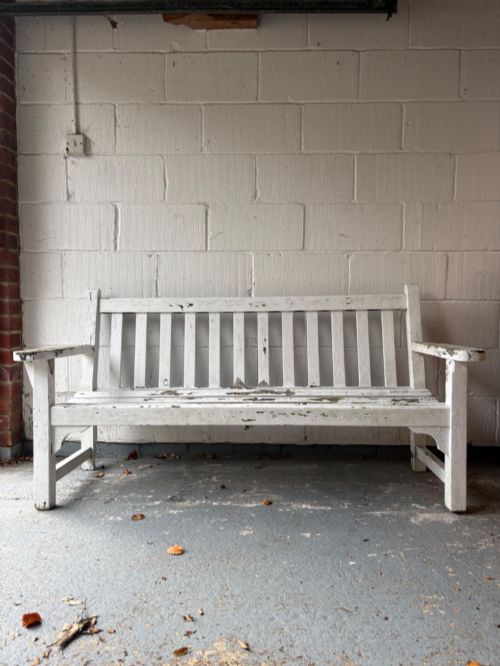
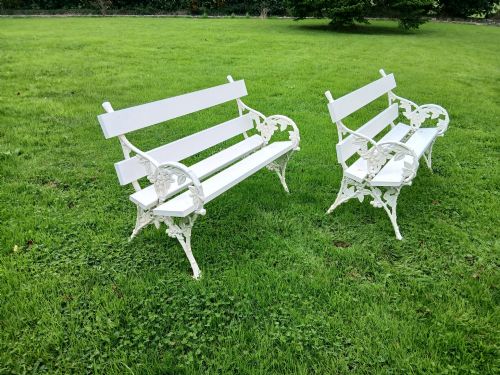
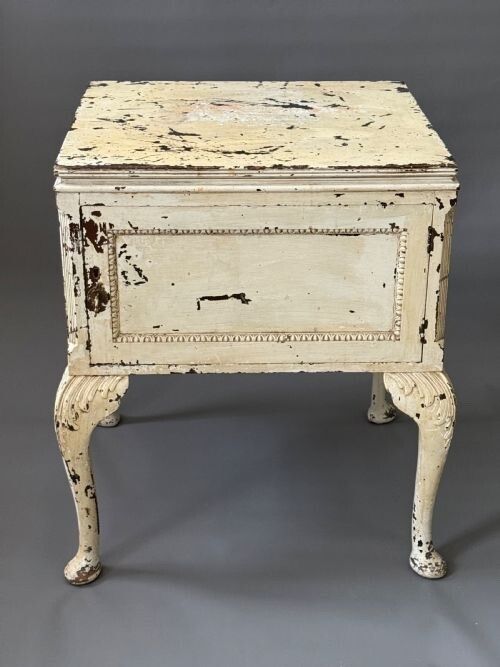
White painted furniture encompasses a diverse selection of domestic and garden pieces spanning from the eighteenth century through to the 1930s. Buyers searching for white painted furniture encounter everything from Swedish commodes and French console tables to heavy Victorian cast iron garden benches.
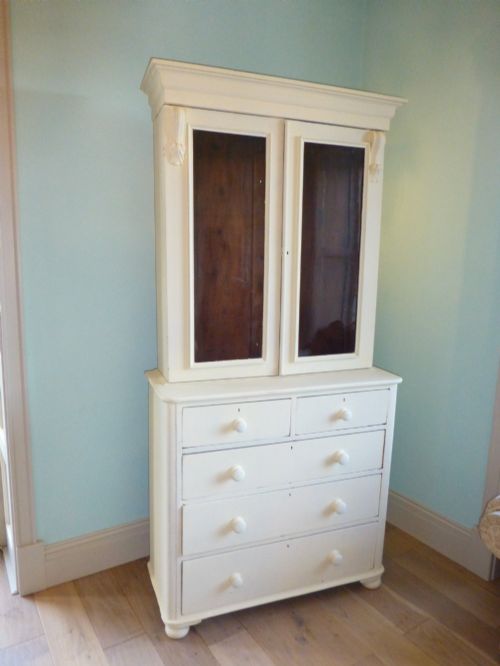
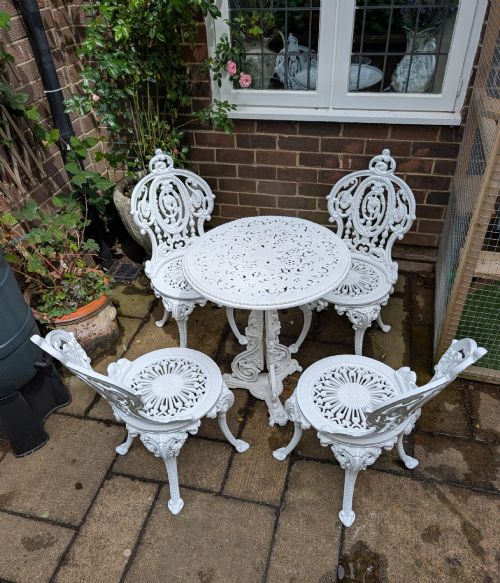
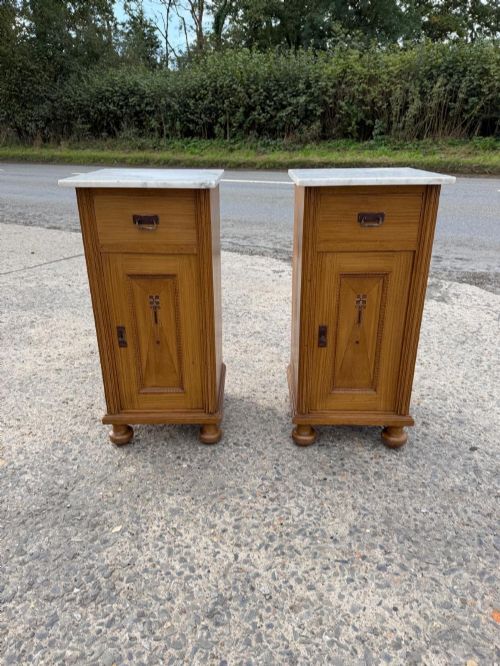
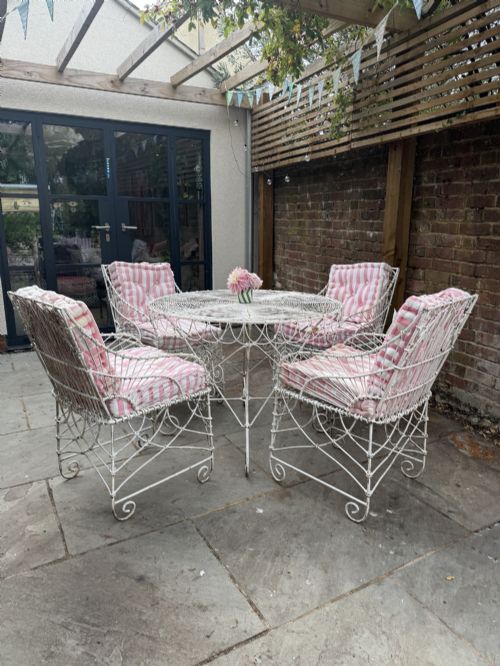
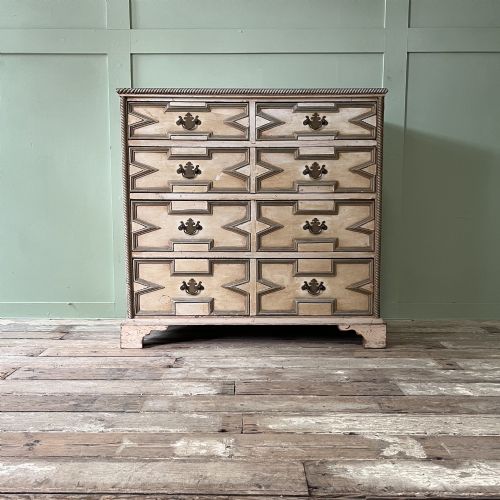
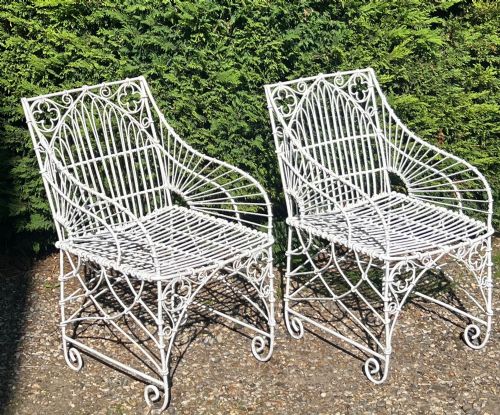
Indoor items include chests of drawers, bedside cabinets and dressers in painted pine and mahogany, often originating from regional European workshops. Outdoor examples feature garden dining sets, armchairs and plant stands rendered in durable cast iron and wrought iron.
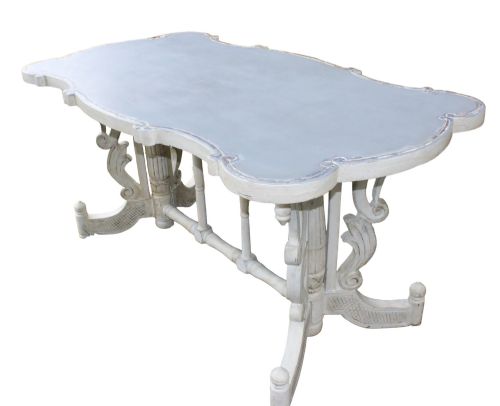
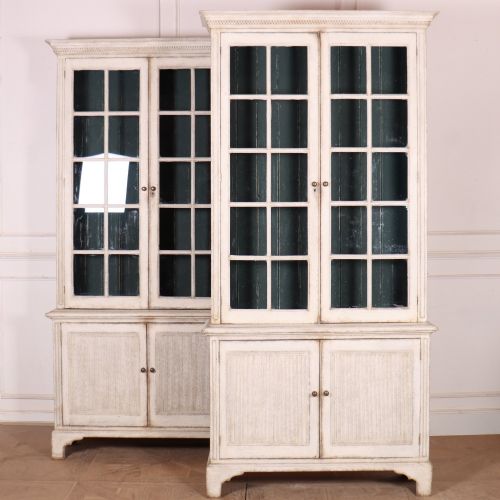
Stylistic influences range widely across regional aesthetics such as Gustavian, French Provincial, Scandinavian Country and Regency. This variety allows pieces to function equally well within a domestic interior or an orangery and garden setting.
How they were made
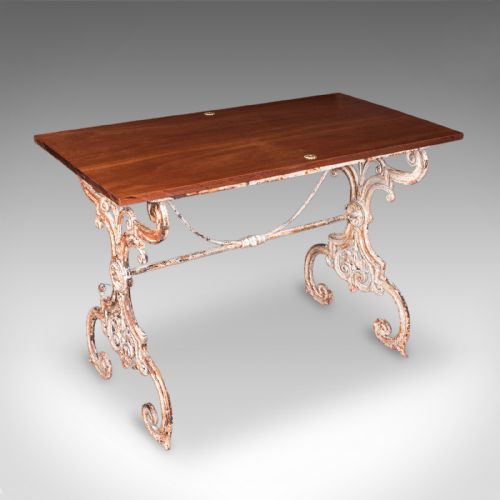
Construction relies heavily on traditional timber frames and robust metal castings using materials such as pine, mahogany, teak, cast iron and wrought iron. Surface finishes involve layers of paint applied to wood and metal, occasionally paired with inset marble tops.
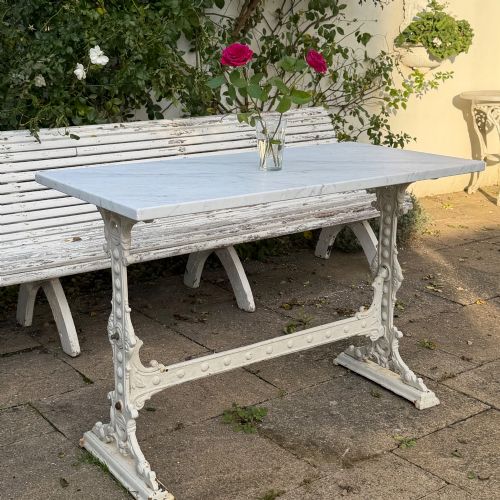
Foundries such as Coalbrookdale and Falkirk produced intricate cast iron garden seats and umbrella stands using detailed moulds for blackberry, leaf and rustic patterns. Cabinetmakers utilised hand-carved wood for commodes, etagere units and console tables before applying antique white and decorative painted finishes.
White Painted Furniture Retail Price Guide 2026
Typical asking prices for white painted furniture among the pieces listed under this phrase on Sellingantiques today, from the lower quarter to the upper quarter. They describe what is for sale here now, not the wider market.
Materials recorded across the selection include cast iron, marble, brass, pine and wrought iron alongside painted wood.
What varies in quality
Quality rests upon the integrity of the original material and the authenticity of the surface finish. Pieces retaining their original paint layers demonstrate greater historical value than later re-paintings.
The sophistication of the casting or carving dictates distinction, seen clearly in the sharp relief of foundry garden benches compared to simpler utility items. Well-executed joinery on commodes and chests of drawers separates standard utilitarian pieces from finer regional cabinetwork.
Sir Clough Williams-Ellis·Falkirk Carron Foundry·Christopher Dresser·Coalbrookdale
The White Painted Furniture Glossary
- Commode
- A low cabinet or chest of drawers, often featuring serpentine fronts and decorative painted finishes originating from continental workshops.
- Gustavian
- A Swedish neoclassical style characterised by pale painted surfaces, restrained ornamentation and clean lines.
- Chinoiserie
- European decorative art imitating Chinese motifs, frequently applied to lacquered furniture and occasional tables.
- Strapwork
- An ornamental motif resembling interlaced bands or ribbons, commonly found on Regency garden benches.
- Faux bois
- A technique mimicking wood grain, frequently utilised in Victorian cast iron garden furniture to resemble natural branches.
White Painted Furniture: Frequently Asked Questions
Are these pieces suitable for outdoor use?
Many items designed for the garden utilise durable cast iron, wrought iron or weathered teak that withstands external elements. Iron garden benches and sets function effectively outdoors when maintained properly.
Indoor painted pine and mahogany pieces, conversely, should remain inside to protect the delicate wood and painted finishes from moisture.
How do I identify Swedish painted furniture?
Swedish pieces typically display pale, light-reflecting paint colours developed during the Gustavian and later Scandinavian country periods. Commodes and benches often feature minimalist neoclassical lines or rustic regional craftsmanship.
Such items bring a bright, airy aesthetic to interiors, distinguishing them from heavier Victorian or French Provincial designs.
What is the difference between cast iron and wood items?
Cast iron pieces like garden benches and umbrella stands rely on metal poured into moulds, offering intricate relief patterns and heavy durability. Wooden items such as chests of drawers and bedside cabinets rely on traditional joinery and painted pine or mahogany.
Both categories utilise white paint finishes but serve entirely different structural and decorative purposes within a home or garden.
How do I care for antique painted surfaces?
Preserving original paint requires gentle dusting with a dry cloth and avoiding harsh chemical cleaners that strip historical finishes. Keeping items away from direct sunlight and extreme humidity prevents the paint and underlying wood from cracking.
For outdoor metal furniture, periodic checks for surface rust ensure the structural integrity remains protected.