


White Painted Dressing Table
These white painted dressing table pieces bring lightness and character to a bedroom, combining practical surfaces with period charm.
White Painted Dressing Table
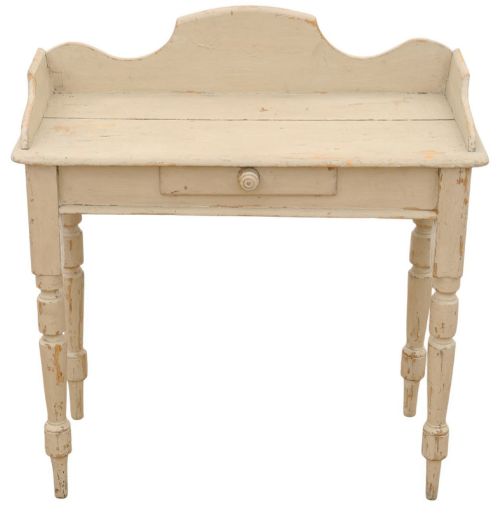
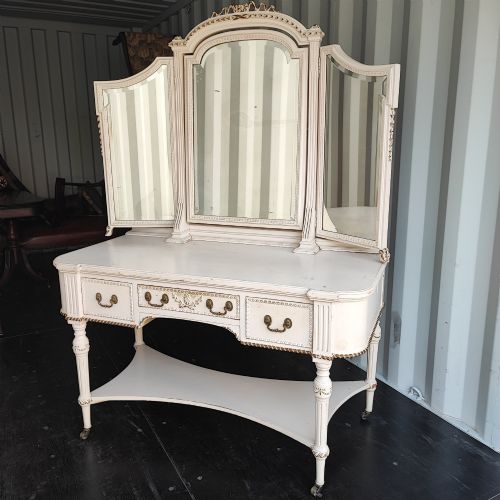
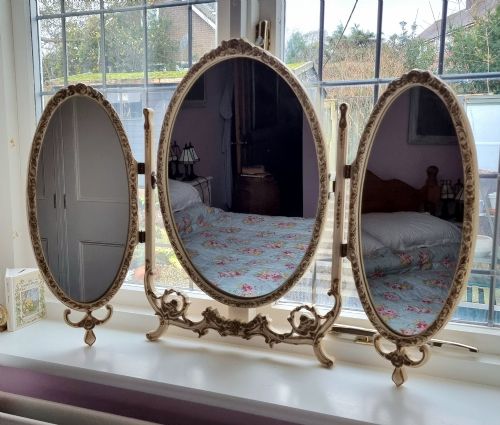
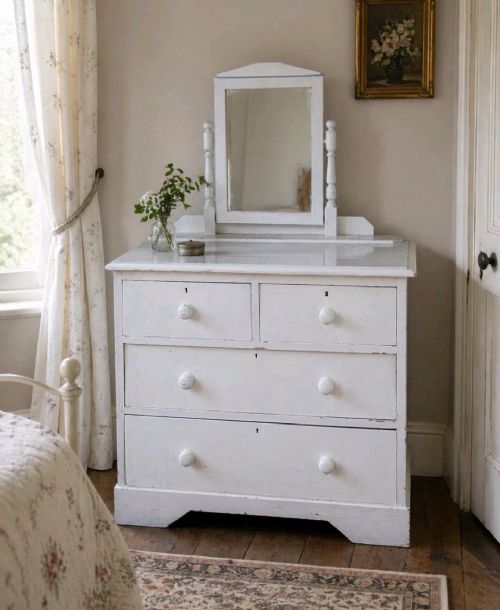
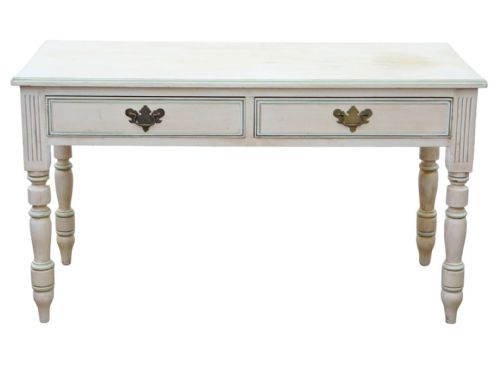
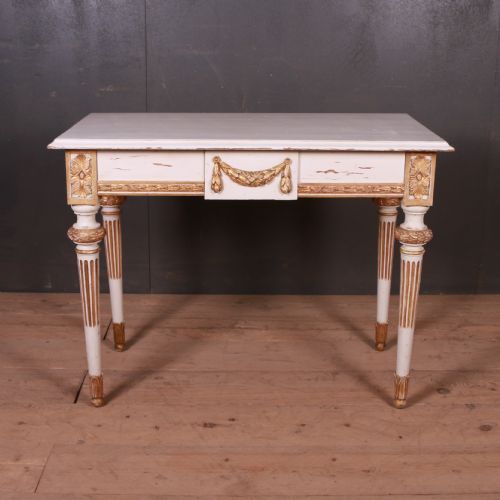
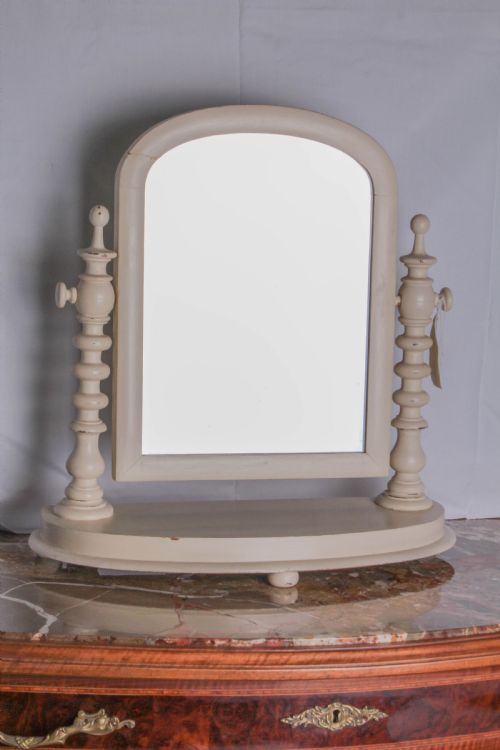
A white painted dressing table brings together antique timber frames and layered surface finishes, spanning styles from Victorian and English Country to French Chateau and Gustavian. When searching for a white painted dressing table, buyers encounter forms ranging from traditional pedestal designs to side tables, kneehole desks, and companion dressing mirrors.
The pieces listed on this page draw on periods including the nineteenth century, Victorian era, and nineteen-thirty, alongside earlier archival examples like Regency pieces. These tables often feature pine and other woods beneath their paint, complemented by glass mirrors and brass fittings.
How they were made
Construction relies on traditional timber framing, utilising woods such as pine and mahogany to form structural carcasses, drawers, and surfaces. Joinery techniques vary from simple pegged joints in rustic pieces to finer cabinetry found in Victorian and revival furniture.
Surfaces receive coats of paint, sometimes layered over gesso for decorative detail, while mirrors utilise glass plates set within adjustable or fixed frames. Brass hardware appears on handles, hinges, and tilting mechanisms.
Listings feature periods from the nineteenth century through to nineteen-thirty, incorporating Victorian, Edwardian, and Art Deco design influences.
What varies in quality
Quality reveals itself in the integrity of the timber frame and the treatment of the painted surface, where original finishes hold distinct character compared to later re-paintings. The crispness of carved details in styles such as French Rococo Revival or Louis XVI Revival indicates the hand of a skilled maker.
Functional hardware such as brass pulls, sliding drawer mechanisms, and adjustable mirror pivots show the level of care invested in the piece during its manufacture. Proportions and the balance between the table base and accompanying mirrors also separate standard regional work from finer workshop production.
Maples of London and Paris
The White Painted Dressing Table Glossary
- Gesso
- A plaster-like material applied to wood surfaces to create a smooth base for painting or gilding. It allows for crisp decorative moulding before the final coats of paint are applied.
- Serpentine
- A curved furniture front characterised by a convex centre flanked by concave ends. This contour requires careful woodworking and appears frequently on finer desks and tables.
- Kneehole
- A desk or dressing table configuration featuring a central recessed space for the legs, flanked by pedestals of drawers. This layout became popular in the eighteenth and nineteenth centuries.
- Duchess dressing table
- A large nineteenth-century dressing table style featuring a large attached central mirror, often flanked by smaller auxiliary mirrors and jewellery drawers.
- Gustavian
- The Swedish interpretation of French neoclassical design, characterised by restrained carving, pale painted finishes, and functional elegance.
White Painted Dressing Table: Frequently Asked Questions
How do I date a white painted dressing table?
Dating relies on examining construction methods, timber types, and the style of hardware or mirrors attached to the base. Secondary woods inside drawers and the composition of the paint layers also provide clues to the period.
Earlier nineteenth-century examples often display hand-cut dovetails and heavier pine frames, whereas pieces from nineteen-thirty show machine assistance and distinct modernist influences like kidney shapes.
Are these dressing tables made of solid wood?
Most pieces utilise solid timbers such as pine or mahogany for their primary frames, drawers, and structural supports. Painted surfaces frequently conceal the grain of these underlying woods.
Secondary timbers inside drawer linings can help identify the regional origin and approximate age of the piece.
How do I care for an antique painted finish?
Maintaining a painted surface requires dusting with a dry, soft cloth and avoiding harsh modern cleaning chemicals that can soften historic paint layers. Keeping the furniture away from direct sunlight and excessive moisture preserves both the timber and the finish.
Wax is occasionally applied to sealed painted surfaces, but advice depends on whether the paint is original or a later addition.
Can I use a writing table as a dressing table?
Many historic writing tables share dimensions and proportions with dressing tables, making them suitable for dual purposes. Adding a separate table mirror transforms a flat-topped writing table into a vanity.
Drawers designed for writing materials work equally well for cosmetics and small accessories.