





White Metal Sign
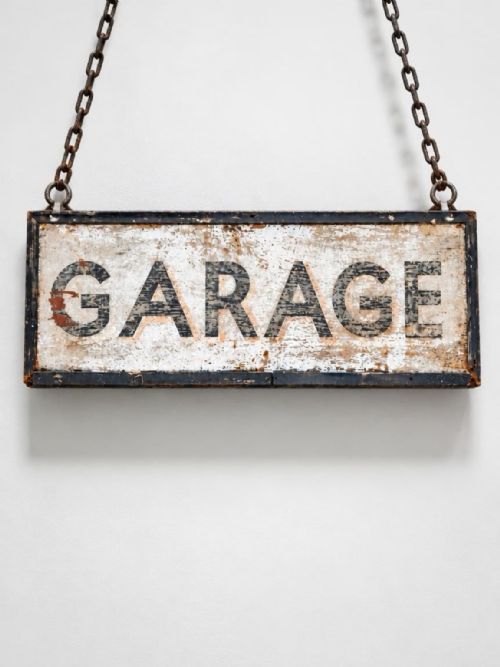
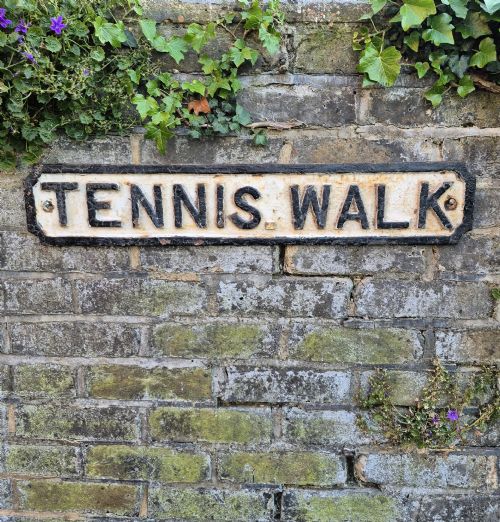
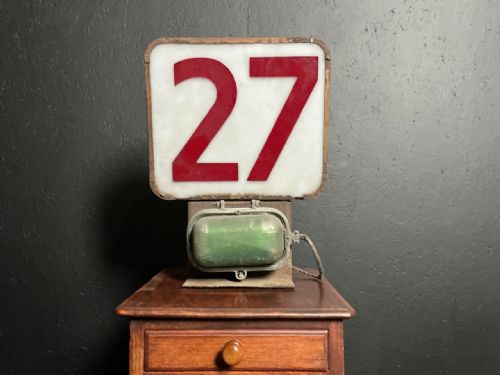
These white metal sign pieces are robust street, station, and advertising markers that bring industrial character to any wall.
White Metal Sign
A white metal sign serves as a functional marker or advertisement, spanning street names, railway platforms, and shop doorways. When searching for a white metal sign, buyers encounter items ranging from Victorian railway notices to 1920s British and French industrial pieces.
The most common examples on this page are vitreous enamel and painted metal boards that communicate specific locations, rules, or commercial goods. These functional objects originate from municipal and commercial spaces, bringing authentic utility into domestic interiors.
Materials and construction
Makers utilised iron, cast iron, and steel as the core structural substrates for these heavy markers. Vitreous enamel and paint were then applied to the metal surfaces to provide durability and legible lettering for outdoor use.
Techniques combined metal founding for cast iron street plates with high-temperature enamel firing for advertising boards. This fusion of glass and metal created a resilient finish that withstood decades of exposure on railway stations and shopfronts.
White Metal Sign Retail Price Guide 2026
Typical asking prices for white metal sign among the pieces listed under this phrase on Sellingantiques today, from the lower quarter to the upper quarter. They describe what is for sale here now, not the wider market.
The listings span from the Victorian era through the Edwardian period up to the 1930s, featuring iron, steel, glass, and vitreous enamel.
Assessing quality and character
The distinction between ordinary and superior pieces lies in the crispness of the typography and the depth of the original vitreous enamel surface. Surviving gloss and intact lettering elevate an example from a simple salvage item to a striking display piece.
Completeness of the original mounting holes and the clarity of regional provenance further define the standing of a piece. Industrial items that retain their unpolished, authentic patination command greater appreciation among collectors.
Smiths of London
The White Metal Sign Glossary
- Vitreous enamel
- A material made by fusing powdered glass to a substrate by firing, producing a durable and glossy coloured surface. This technique protected metal signs from rust and weather damage.
- Cast iron
- A hard, relatively brittle alloy of iron and carbon that can be readily cast in a mould. Street signs from the nineteenth century frequently utilised this heavy method.
- Industrial salvage
- Artefacts recovered from decommissioned factories, railways, or public buildings for decorative reuse. These objects retain the honest wear of their working lives.
- Trade sign
- A board or marker used by a merchant or business to advertise services or goods to the public. They often featured bold lettering and iconic imagery.
White Metal Sign: Frequently Asked Questions
What are white metal signs?
These pieces are durable markers and advertisements made from iron, steel, and enamelled metal used in public and commercial spaces. They include street names, railway notices, and trade boards.
Originally designed for clear public communication, they now function as bold wall art in contemporary interiors.
How were they used originally?
Municipalities and businesses mounted them outdoors on walls, posts, and station platforms to direct travellers or advertise goods. Their robust construction ensured they survived harsh weather.
Railways, auction houses, and local councils relied on these boards for daily operations and public safety.
How do I hang a heavy sign?
Due to the substantial weight of cast iron and enamelled steel, secure wall anchors and proper brackets are essential. Fastenings should support the full load without stressing the original mounting holes.
Consulting a professional ensures the piece remains secure on plaster or brick surfaces.
How do I date a metal sign?
Dating relies on typography styles, manufacturing materials, and specific historical contexts referenced in the lettering. Victorian and Edwardian examples often feature distinct font choices compared to 1920s industrial pieces.
Correlating the subject matter, such as specific railway companies, provides a reliable timeline for production.