

White Gold Sapphire Jewelry
White gold sapphire jewellery brings together pale precious metal and deep blue corundum, spanning Edwardian work through mid-century modern design.
White Gold Sapphire Jewelry
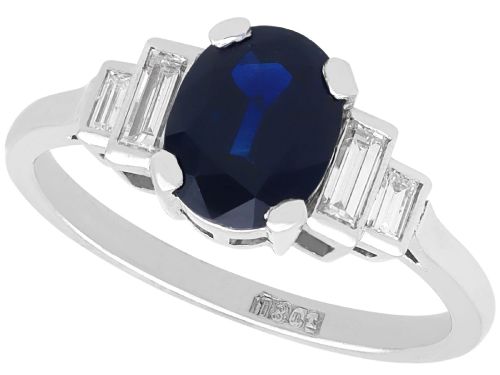
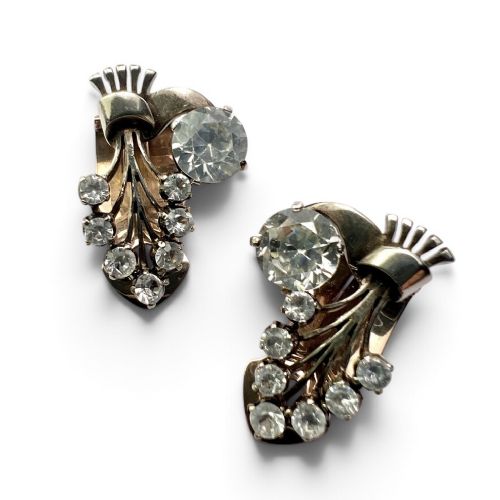
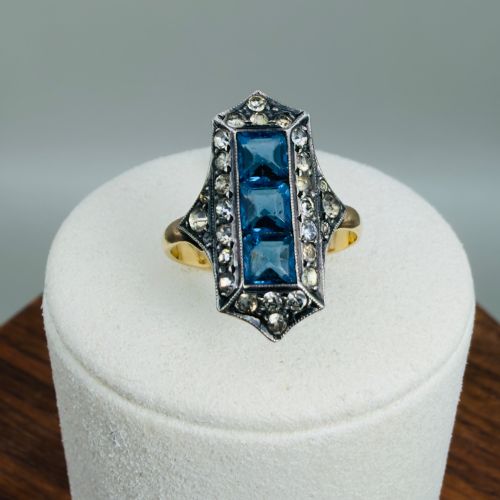
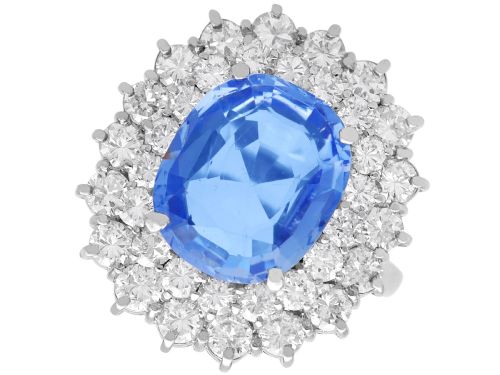
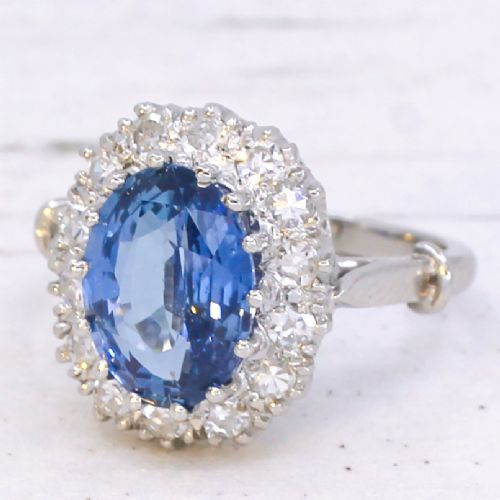
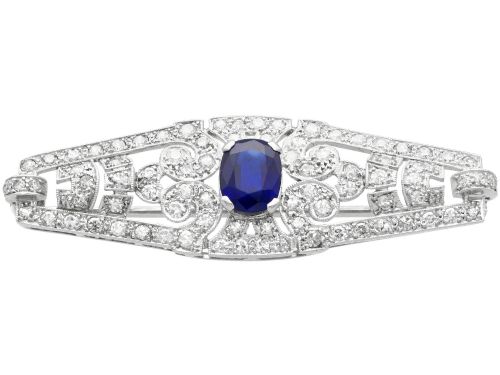
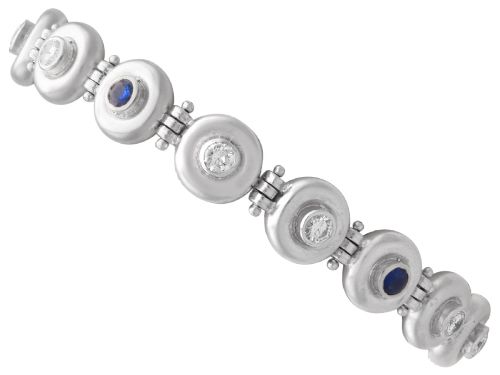
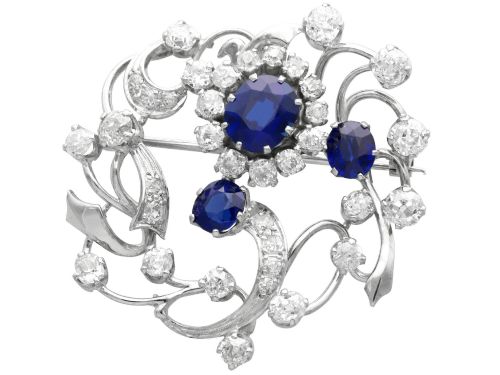
White gold sapphire jewellery encompasses rings, earrings, necklaces, bracelets, and brooches set with blue, yellow, or pink stones alongside diamonds. The items span multiple decades, drawing heavily on Edwardian, Art Deco, and mid-century aesthetics.
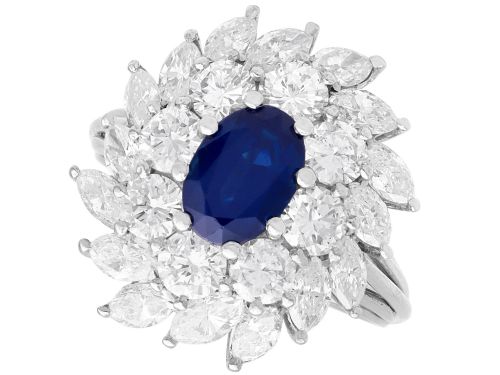
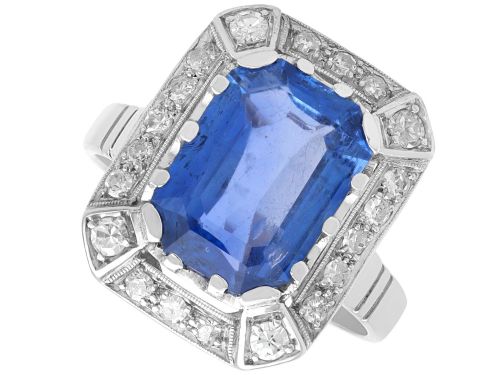
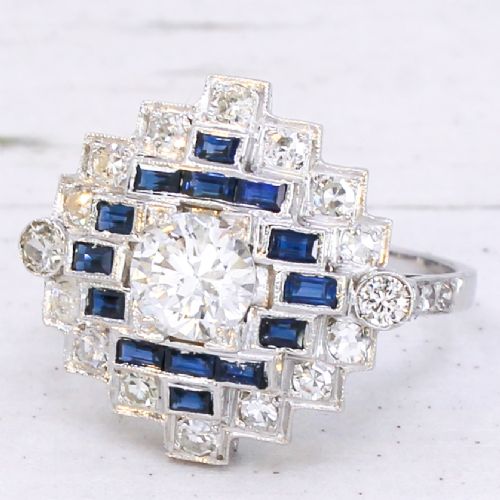
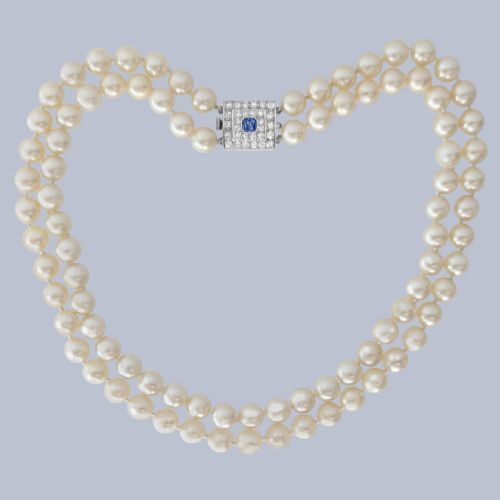
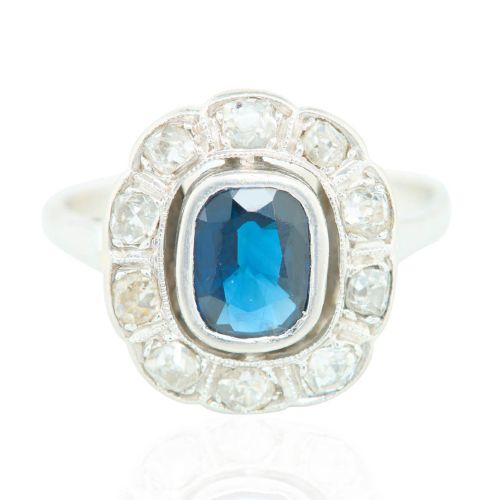
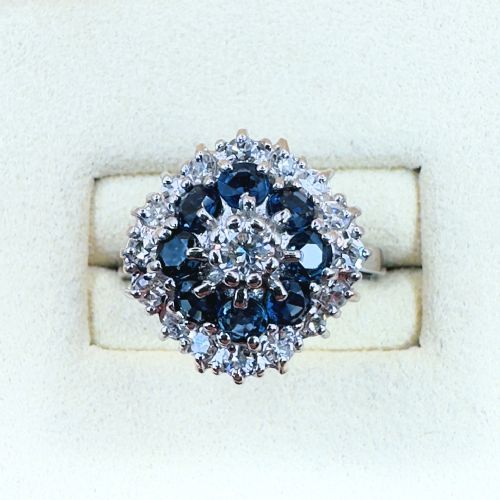
Cluster rings dominate the selection, often pairing a central sapphire with a border of brilliant or old-cut diamonds. Alongside these rings appear geometric brooches, drop earrings, and pearl necklaces secured with gem-set clasps.
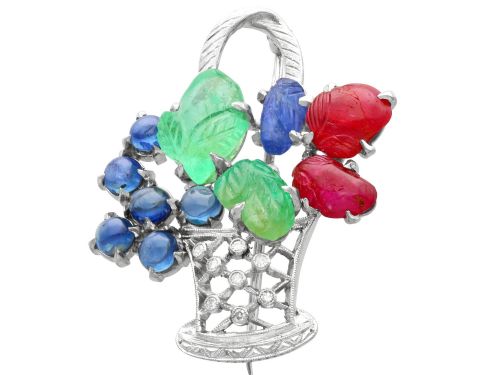
The objects originate from various European workshops, including French and Italian makers, utilising durable alloys and natural gemstones. Pieces range from delicate 1910s basket brooches to bold 1960s crossover and cluster designs.
Materials and Construction
Items rely on 18ct white gold, 14ct white gold, and platinum to provide a pale, reflective backdrop that enhances the blue or fancy colour of the central sapphires. Diamonds are integrated extensively as accent stones, mounted in shared claws, bezels, or calibre settings.
Metalworking techniques evolved from Edwardian pierced platinum work to the structured geometric forms of the Art Deco period and the substantial castings of the 1950s and 1960s. Stones such as Ceylon sapphires and pearls are secured using traditional bench methods, occasionally supplemented by original presentation cases.
White Gold Sapphire Jewelry Retail Price Guide 2026
Typical asking prices for white gold sapphire jewelry among the pieces listed under this phrase on Sellingantiques today, from the lower quarter to the upper quarter. They describe what is for sale here now, not the wider market.
Listings feature white gold and platinum settings paired with sapphires from the Edwardian era through the 1960s.
Quality and Distinction
Distinction rests on the origin and treatment status of the stones, with unheated Ceylon sapphires commanding greater attention than standard commercial material. The precision of calibre cutting and the symmetry of diamond cluster arrangements dictate the refinement of the piece.
Structural integrity and original state matter significantly, distinguishing items that retain their precise Edwardian millegrain edges or French hallmarks from those altered over time. The integration of complementary diamonds and the weight of the white gold chassis complete the assessment.
Kutchinsky
The White Gold Sapphire Jewelry Glossary
- Calibre cut
- Gemstones shaped and faceted specifically to fit tightly into geometric channels or patterns without gaps. This technique defines many Art Deco cluster rings.
- Ceylon sapphire
- Corundum originating from Sri Lanka, recognised for a vibrant and lively blue tone. These stones appear frequently across vintage and antique rings.
- Millegrain
- A decorative technique featuring a row of tiny raised metal beads along the edges of a setting. It softens harsh metal lines in Edwardian and Art Deco pieces.
- Crossover ring
- A mounting style where two distinct gemstone terminals sweep past one another on the finger. Mid-century examples often pair a sapphire with a diamond.
- Target ring
- A concentric circular cluster design featuring a central stone surrounded by contrasting rings of gems. They offer a distinct geometric silhouette from the 1930s.
White Gold Sapphire Jewelry: Frequently Asked Questions
How do I date white gold sapphire jewelry?
Dating relies on stylistic markers, such as Edwardian filigree work, Art Deco geometric symmetry, or the robust proportions of mid-century pieces. Hallmarks and metal purity stamps also provide clues to the decade of manufacture.
Changes in gemstone cuts, such as the transition from old-cut diamonds to brilliant cuts, further help establish the production era.
Can I wear a sapphire ring daily?
Sapphires score nine on the Mohs hardness scale, making them durable enough for regular wear when set securely in gold or platinum. However, prongs and settings should be checked periodically by a jeweller.
Careful storage away from harder gems prevents surface scratching on adjacent pieces in your collection.
What does an 18ct white gold setting involve?
An 18ct white gold alloy mixes yellow gold with white metals like palladium or silver to create a durable, pale foundation for stones. This metal provides sturdy prongs for securing both diamonds and sapphires.
Over decades, the metal develops a soft patina while maintaining its structural support for delicate cluster and plaque designs.