


White Gold Porcelain Dish
When you search for a white gold porcelain dish, you are looking at glazed ceramic tableware finished with precious metallic leaf or gilding.
White Gold Porcelain Dish
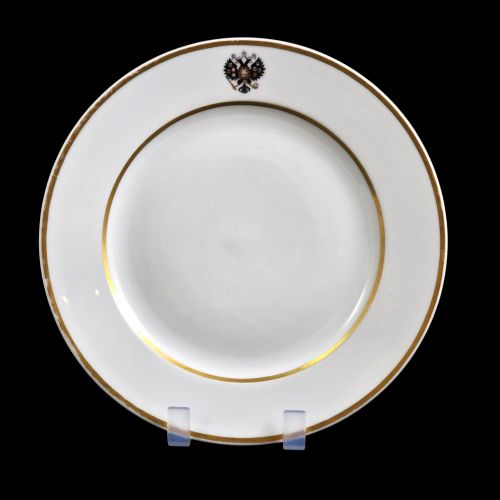
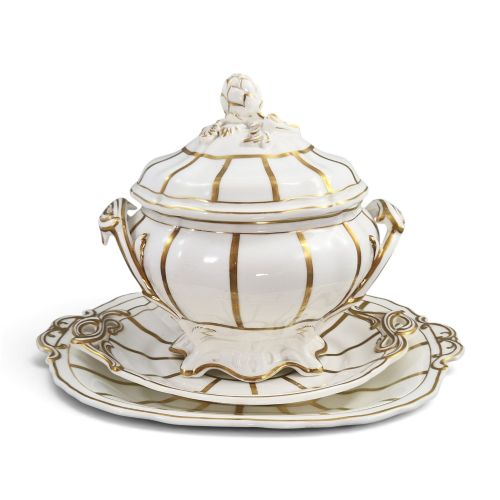
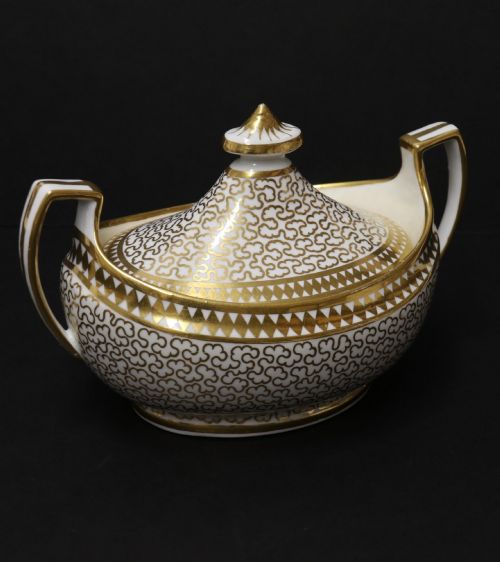
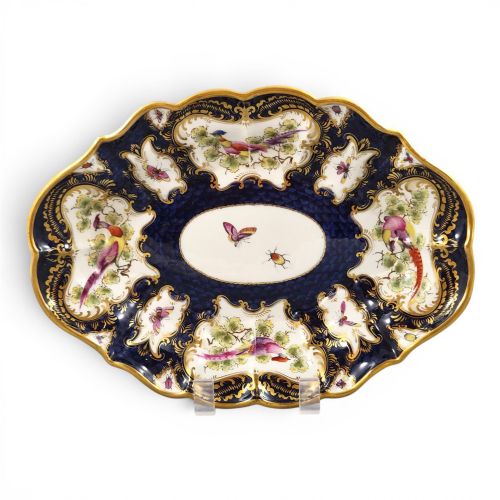
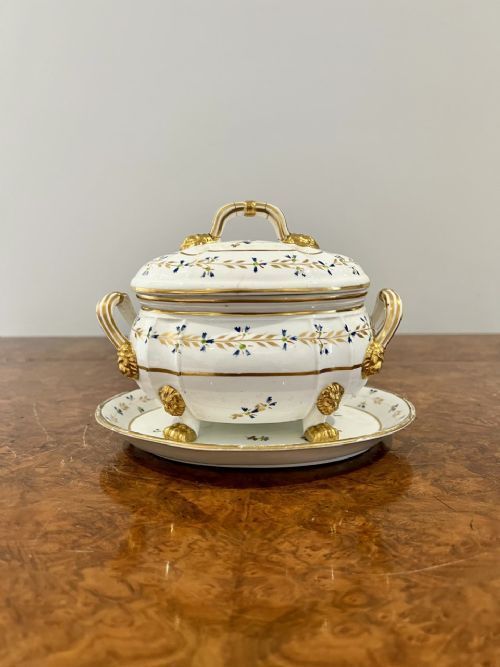
A white gold porcelain dish encompasses a variety of ceramic forms, from cabinet plates and dessert dishes to baskets, tureens, and sugar bowls. The pieces span periods including Georgian, Regency, Victorian, Edwardian, and Art Deco, with origins in English, German, and French kilns. You will frequently encounter decorative plates and dishes shaped for display or service during dining rituals.
The material surface combines white ceramic bodies, such as bone china or soft-paste porcelain, with applied gold leaf, gilding, and enamel work. Forms range from simple fluted vessels to elaborate rococo revival shapes and basketweave mouldings. These objects served functional dining purposes or functioned purely as ornamental cabinet pieces in historic interiors.
Materials and technique
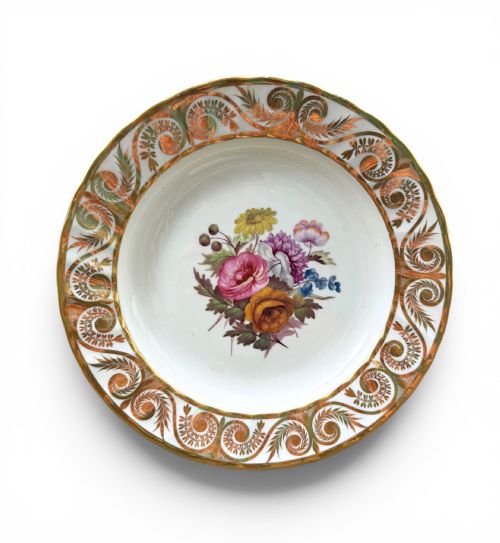
Potters shaped these items using porcelain, bone china, and soft-paste porcelain, often applying a smooth glaze before secondary decoration. Artisans then painted botanical scenes, birds, topographical views, or armorial crests by hand using polychrome enamel pigments.
Makers applied gold leaf and liquid gilding to rims, handles, and relief moulded details, fixing the metal through subsequent kiln firings. Moulding techniques created specific profiles such as basketweave textures, fluted edges, and crane shapes in shallow relief.
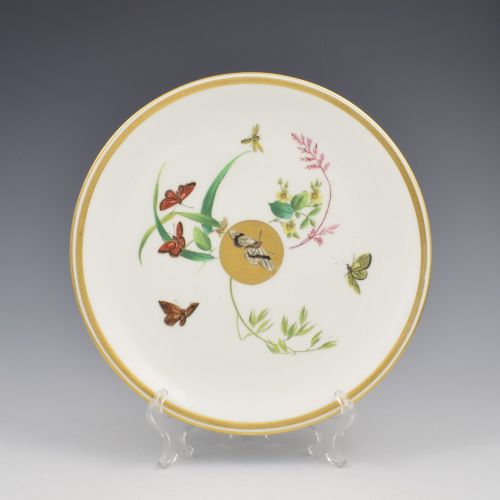
Some nineteenth-century makers painted insects precisely where a diner might least expect them.
Quality and execution
The distinction between standard domestic wares and superior examples rests upon the precision of the hand painting and the weight of the applied gilding. Pieces featuring detailed botanical studies, armorial bearings, or topographical scenes demonstrate higher artistic ambition than simple transfer-printed or sparsely decorated vessels.
The crispness of the porcelain moulding and the stability of the glaze further separate fine studio output from mass production. Well-preserved gilding without excessive rubbing indicates careful handling and original high-firing standards.
Davenport·Derby·Minton·Royal Worcester·Meissen·Barr Flight and Barr·KPM·Wedgwood
The White Gold Porcelain Dish Glossary
- Soft-Paste Porcelain
- An early ceramic composition made from white-firing clay mixed with glass frit and other materials, fired at lower temperatures than hard-paste. It has a warm, slightly creamy body and absorbs enamel colours with particular softness.
- Gilding
- The application of gold leaf or powdered gold suspended in a medium to ceramic surfaces. It is typically fired onto the glaze to create bright metallic borders and highlights.
- Bone China
- A type of porcelain incorporating bone ash into the paste, producing a strong, highly translucent white body. It became a staple of English potteries during the nineteenth century.
- Sucrier
- A small covered sugar bowl or basin designed for tea service use. These vessels frequently match dessert plates and tureens within larger dining sets.
- Enamel
- Opaque or translucent glass-based coloured paints fused to the porcelain surface in a kiln. It provides the vibrant hues found in floral and figural hand-painted decoration.
White Gold Porcelain Dish: Frequently Asked Questions
Were these dishes meant for daily use?
Many items, such as dessert plates, soup plates, and sauce tureens, served functional roles at formal dining tables. Over time, finer decorated pieces transitioned into cabinet displays and decorative accessories.
Plates featuring heavy gilding or delicate hand-painted scenes were often reserved for special occasions or dessert courses. Today, collectors generally treat them as display pieces rather than daily tableware.
How can I tell the period of a porcelain dish?
Examine the factory marks stamped, painted, or impressed on the underside of the ceramic base. Reference numbers and specific crown or sword symbols often correspond to active production dates for each pottery.
The style of decoration, such as rococo revival curves, aesthetic movement motifs, or art deco geometries, also provides strong clues to the decade of manufacture.
What is the difference between hard-paste and soft-paste?
Hard-paste porcelain uses natural china clay and petuntse fired at extremely high temperatures, resulting in a vitreous, durable body. Soft-paste incorporates glass frit and white clay, creating a softer texture that reacts differently to light and glazes.
Early English manufactories largely utilised soft-paste formulations before transitioning to bone china. You can often distinguish them by the translucency and the way the glaze interacts with the body.