


White Glazed Apothecary Pots
White glazed apothecary pots are utilitarian jars made for holding medical ingredients, prized today for their historic tin-glazed surfaces and distinct forms.
White Glazed Apothecary Pots
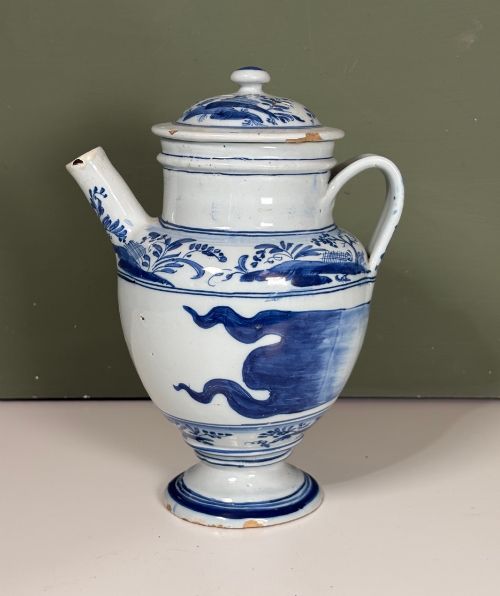
White glazed apothecary pots encompass storage vessels, drug jars, and albarelli originating primarily from the eighteenth and nineteenth centuries. These pieces were historically utilised in pharmacies and dispensaries to hold medicines, dry drugs, wet syrups, and tobacco.
How they were made
Potters shaped these earthenware bodies on the wheel before applying a tin-glaze that yielded an opaque white surface. Cobalt pigment or other mineral colours were then painted directly onto the unfired glaze.
Vessels intended for dry ingredients or liquids required careful firing inside kilns to fix the glaze and pigments. Some examples incorporate brass elements or fitted covers suited to their specific apothecary functions.
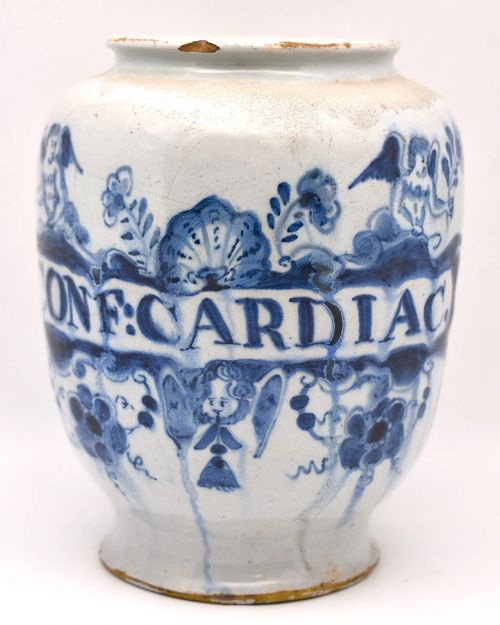
Some jars still carry cryptic abbreviations for ingredients like cardiac medicine, reminding us of old apothecary remedies.
What varies in quality
The artistry of the painted decoration distinguishes standard utilitarian containers from finer display pieces. Crisp cobalt lettering, detailed cartouches, and balanced proportions elevate certain jars above simpler provincial work.
The survival of the original tin glaze and the integrity of the earthenware body dictate overall desirability. Pieces retaining rich glaze depth and well-preserved painted labels command closer attention from collectors.
The White Glazed Apothecary Pots Glossary
- Tin-Glaze
- A ceramic glaze made opaque by the addition of tin oxide, creating a smooth white surface ideal for painting. It forms the characteristic glossy skin seen on delftware and majolica.
- Drug Jar
- A vessel specifically labelled or shaped for storing medicinal contents in a dispensary. These often bear abbreviated Latin inscriptions denoting their original medical contents.
- Polychrome
- A style of decoration utilising multiple colours rather than a single pigment. On these ceramics, it usually involves iron reds, greens, and yellows alongside standard blues.
- Delftware
- Tin-glazed earthenware produced in the Netherlands or England, known for emulating Chinese porcelain imports. The body is porous and covered with a white opaque glaze.
White Glazed Apothecary Pots: Frequently Asked Questions
What were apothecary jars used for?
These vessels stored dried herbs, powders, and wet syrups in historic apothecaries and dispensaries. Their labelled surfaces ensured pharmacists could quickly identify specific medical ingredients.
Over time, many of these utilitarian containers transitioned from working pharmacy shelves into decorative display pieces within domestic interiors.
How do I clean an old jar?
Historic tin-glazed earthenware requires gentle maintenance using only a dry or barely damp microfibre cloth. Avoid soaking these porous ceramic bodies or applying modern chemical cleaners.
Water can penetrate old glaze fractures and destabilise the historic fabric, so keeping them dry is essential for long-term preservation.
Are the Latin labels original?
Most pharmacy jars feature painted Latin inscriptions denoting specific contents like herbal preparations or medicinal compounds. These abbreviated words identified active ingredients used by period practitioners.
Hand-painted lettering provides key evidence regarding the origin and date of the vessel.
How can I tell English from Dutch pieces?
Distinguishing between manufacturing regions involves examining the specific hue of the cobalt pigment, clay body composition, and glaze characteristics. English delftware often exhibits distinct potting traits compared to Dutch or Italian examples.
Regional painting styles and decorative motifs also offer clues to a vessel's geographic workshop origin.