

White Framed Artwork
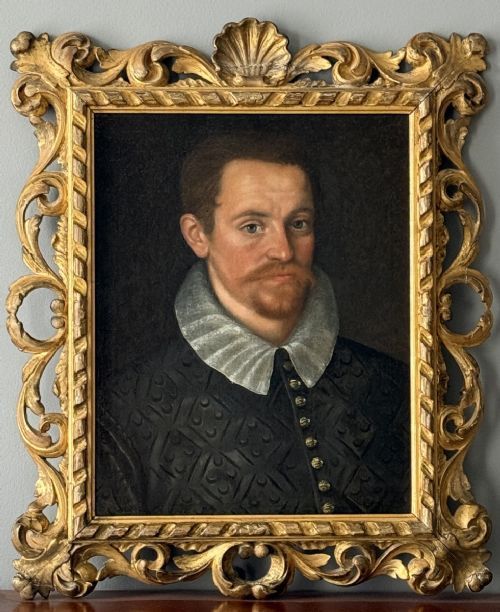
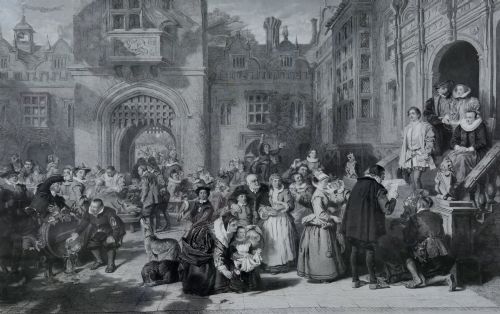
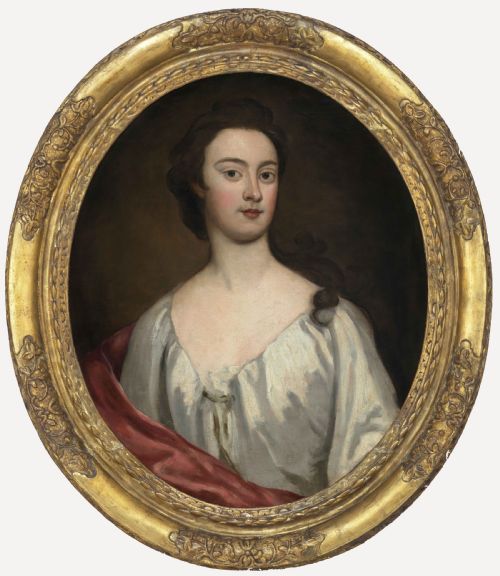
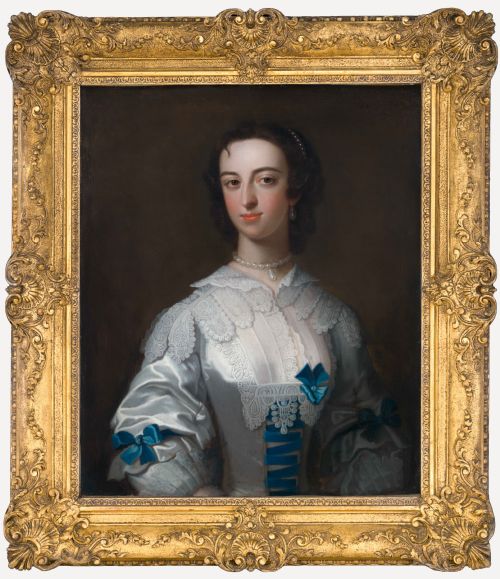
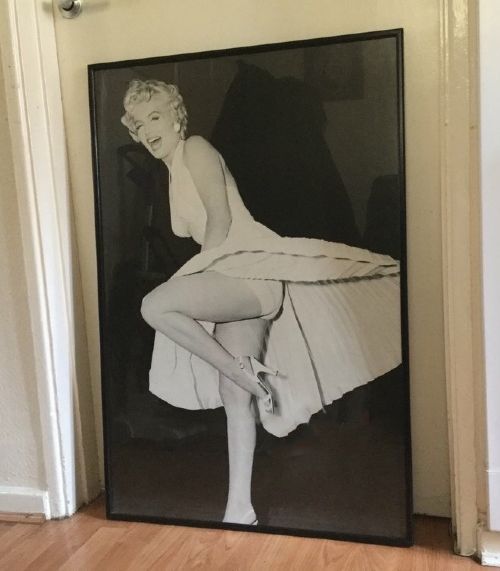
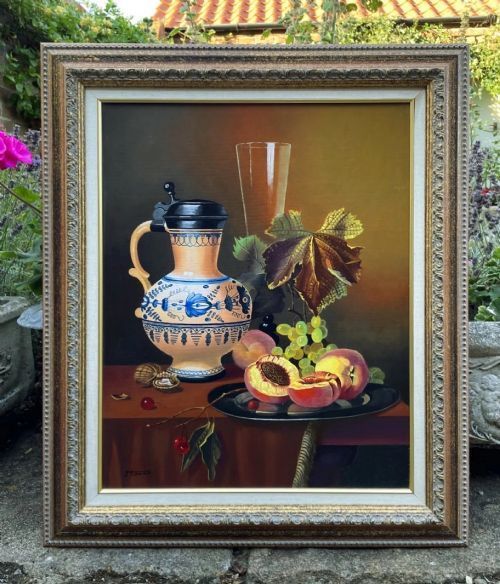
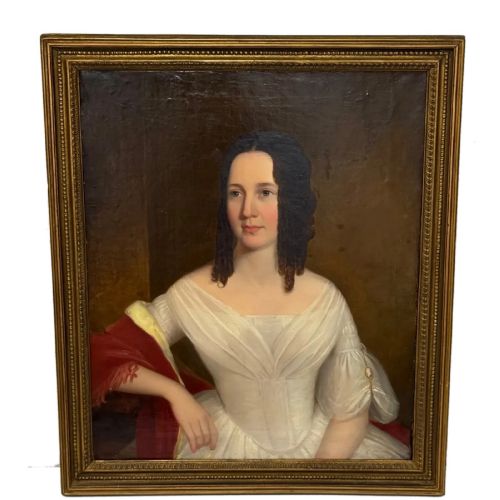
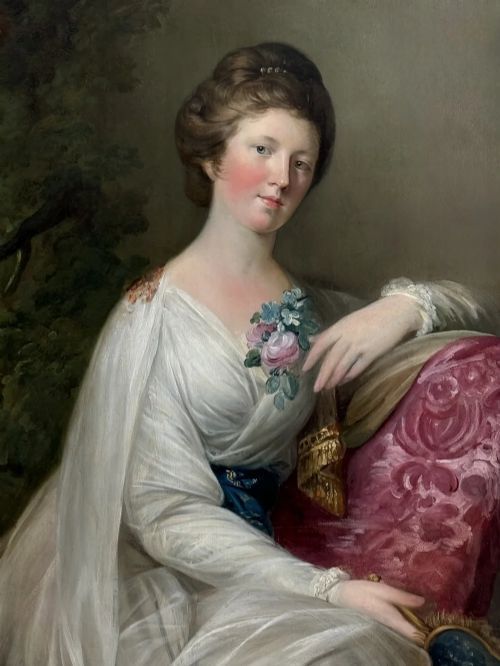
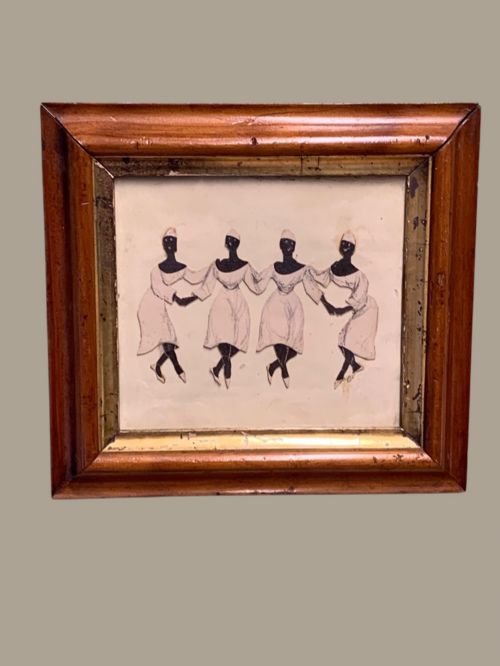
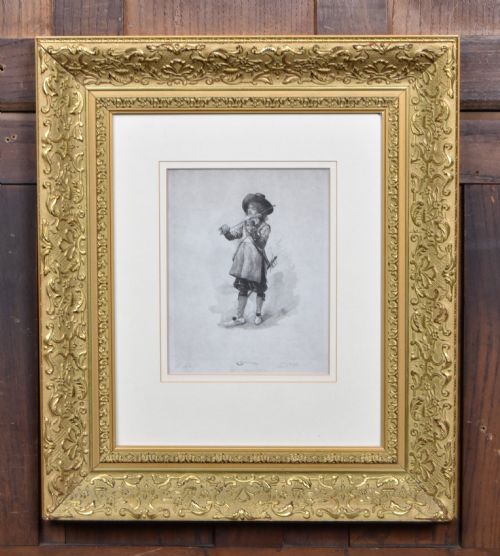
White framed artwork encompasses paintings, etchings, and drawings from the seventeenth century onward that bring period character to modern walls.
White Framed Artwork
White framed artwork covers a wide span of periods, ranging from seventeenth-century oil paintings to mid-century modern prints and later works. Buyers seeking this category encounter diverse forms including oil on canvas, paper studies, mezzotints, and etchings.
How they were made
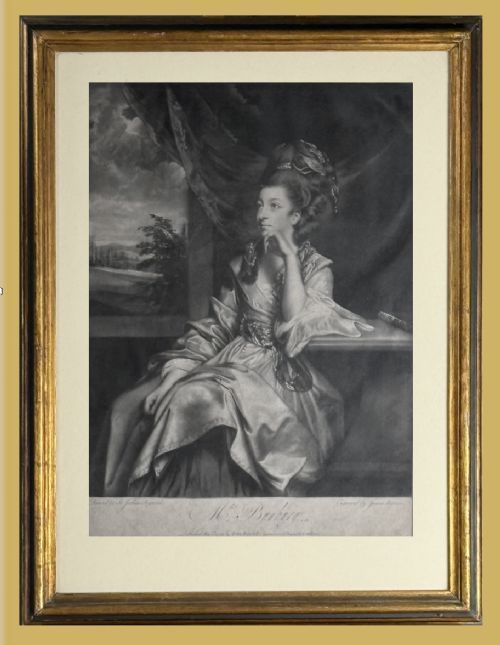
Artists worked primarily with oil paint, pastel, ink, and watercolour applied to canvas, wood panels, paper, or vellum. Printmakers utilised copper plates to produce detailed mezzotints, engravings, and etchings.
Makers enclosed these works within timber surrounds, frequently incorporating giltwood accents alongside painted white finishes to complement the imagery.
Listings span from the seventeenth century through to works created later than 1960, utilising canvas, paper, wood, and glass.
What varies in quality
The distinction between ordinary and exceptional pieces rests in the execution of the primary medium, whether the precise brushwork of an oil portrait or the crisp impression of an etching plate. Hand-pulled artist proofs signed in pencil carry greater weight than standard commercial print reproductions.
The integration between the picture and its surrounding frame determines the overall harmony of the piece, with period housings offering superior authenticity compared to later replacements.
John Smith·James Watson·Herbert Dicksee·Alexander Jamieson·Paul Elie Gernez
The White Framed Artwork Glossary
- Mezzotint
- A printmaking process where the copper plate is roughened to achieve rich dark tones and subtle tonal gradations. This technique was frequently utilised for reproducing portraits in the seventeenth and eighteenth centuries.
- Etching
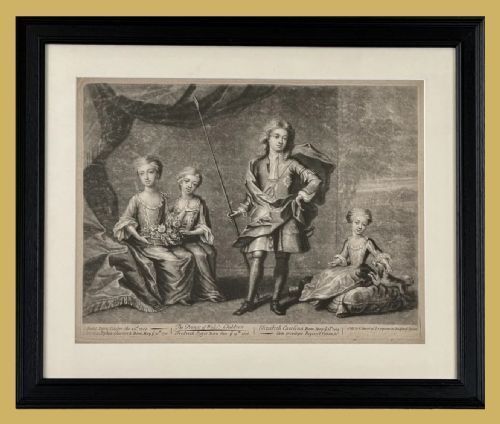
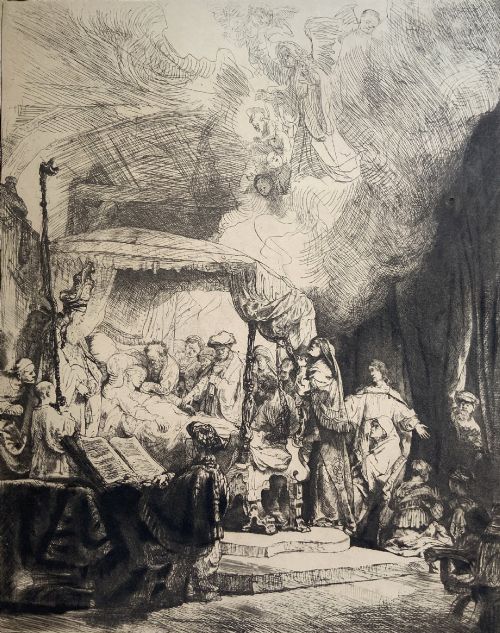
- A method where lines are bitten into a metal plate with acid before being inked and pressed onto paper. Artists such as Rembrandt and Herbert Dicksee employed this process to create intricate linear details.
- Oil on canvas
- A painting medium consisting of pigments suspended in drying oils applied to a stretched fabric support. This combination allows for deep colour saturation and textured brushwork.
- Pastel
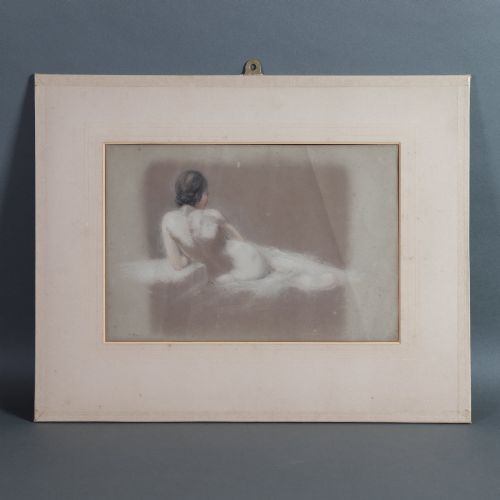
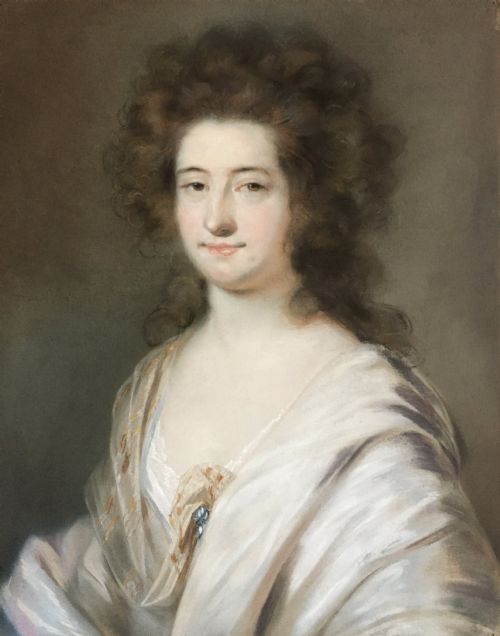
- A dry drawing medium composed of powdered pigment and a binder formed into sticks. Works in this medium rely on delicate layering of colour.
- Vellum
- A fine parchment prepared from calfskin used as a durable surface for fine prints and drawings. It provides a smooth, resilient alternative to paper.
White Framed Artwork: Frequently Asked Questions
How do I date an oil painting?
Dating relies on examining the canvas preparation, stretcher construction, and pigment composition alongside the stylistic conventions of the subject's clothing and hair.
Comparison with documented works by the same hand or within the same period helps narrow down the decade of creation.
What is an artist proof?
An artist proof is an impression pulled from a printing plate reserved specifically for the creator outside the numbered commercial edition.
These impressions often bear signature markings and demonstrate superior clarity because the plate has experienced less wear.
How should I hang framed artwork?
Artwork requires placement away from direct sunlight and excessive humidity to protect vulnerable materials like paper, canvas, and wood panels.
Secure wall fixings suited to the weight of the timber frame ensure the piece hangs safely and level.
Are etching plates signed by hand?
Many fine historical etchings feature pencil signatures added by the maker beneath the printed image alongside edition details.
Printed signatures embedded within the plate differ from these individual annotations applied after the printing process.