
White Diamond Dress Ring
A white diamond dress ring brings together precious stones and enduring metals to create a striking statement for the hand.
White Diamond Dress Ring
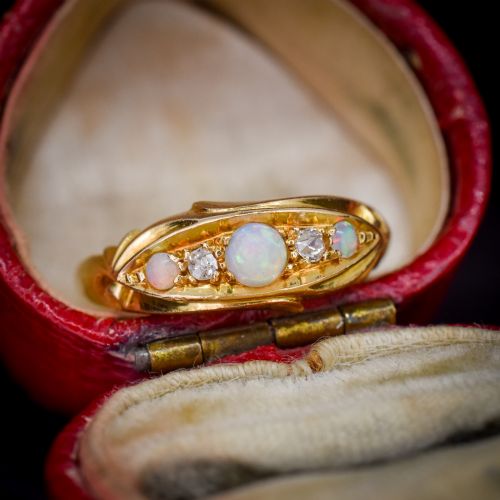
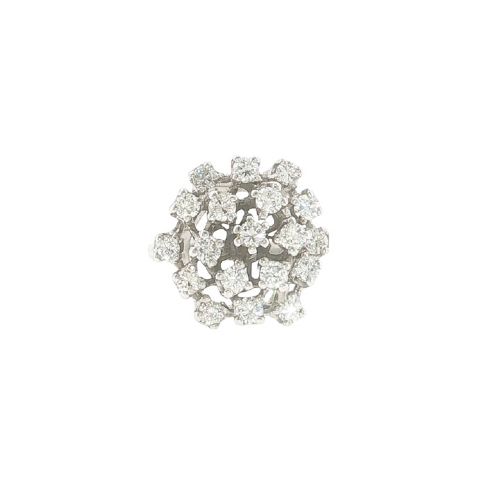
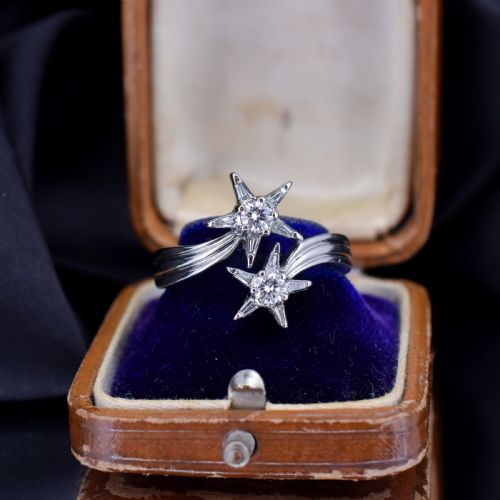
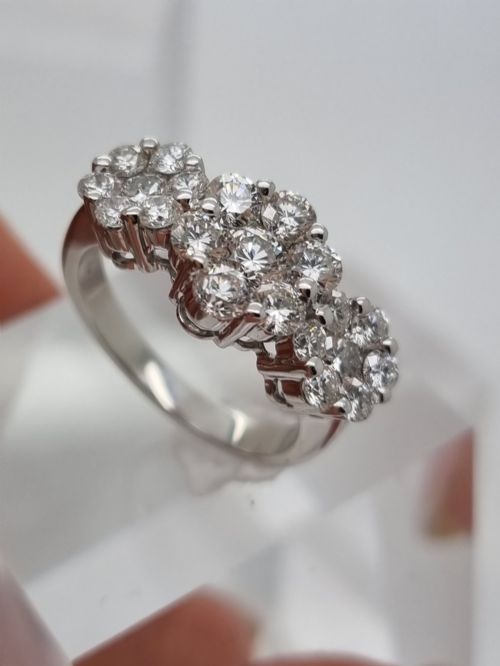
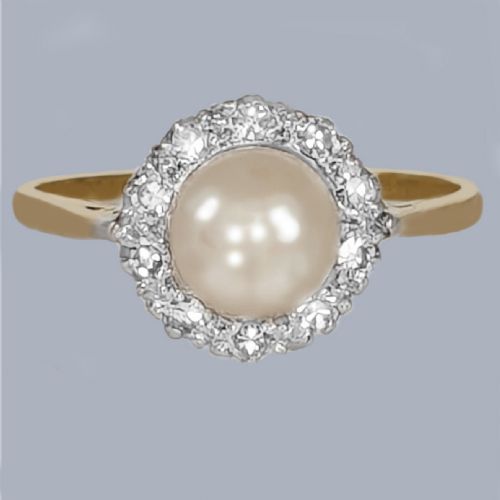
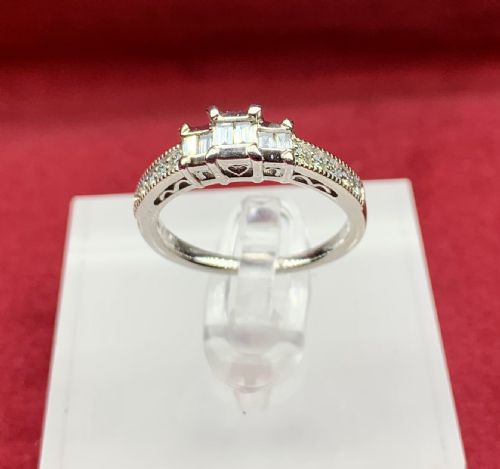
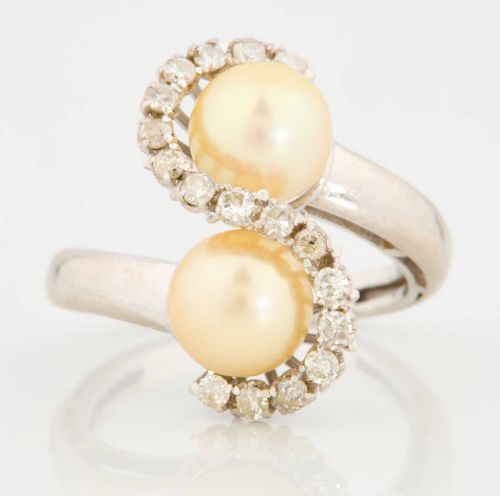
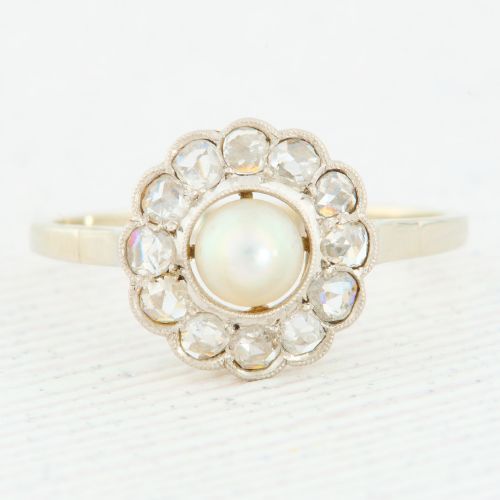
A white diamond dress ring spans decades of design, drawing on periods from the Edwardian era through the mid-twentieth century and into modern decades. These pieces take various forms, including elaborate cocktail rings, cluster arrangements, multi-stone bands, and boat shapes.
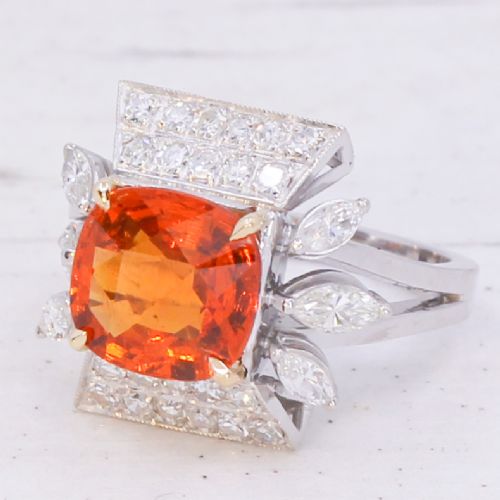
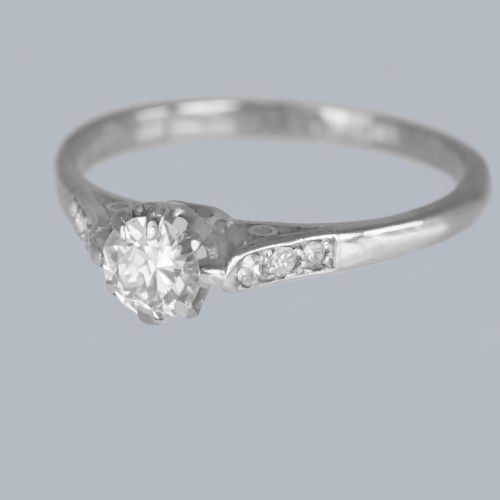
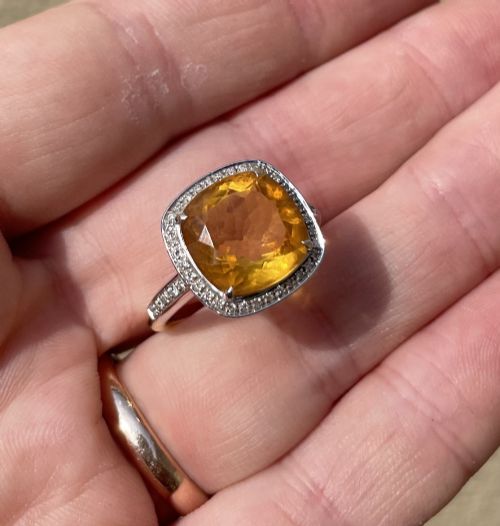
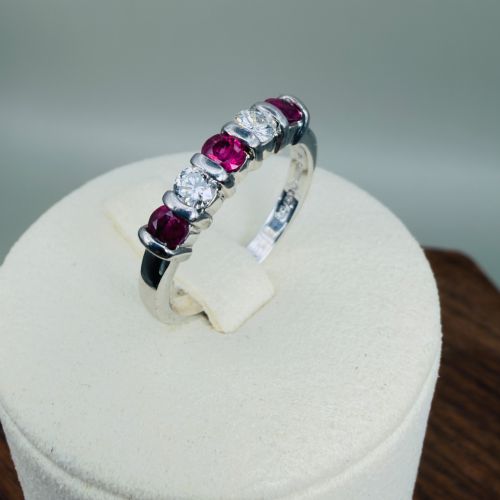
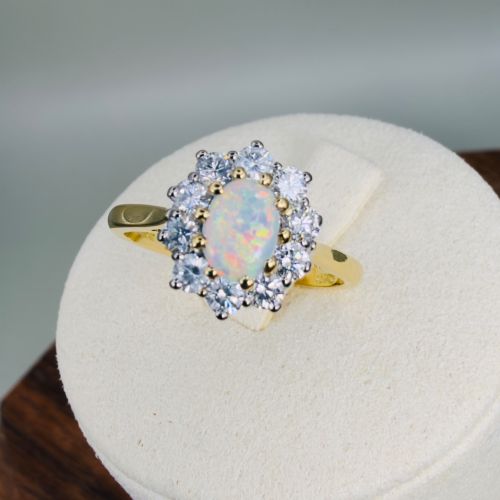
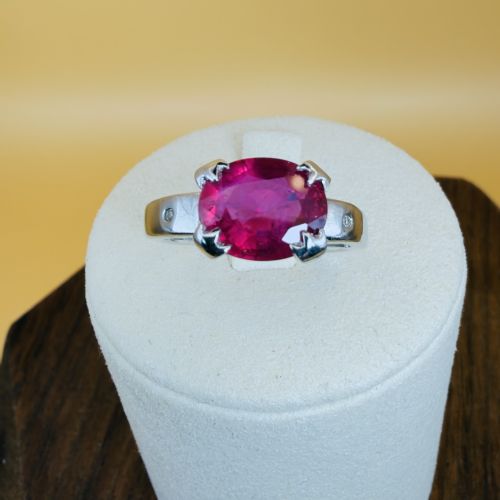
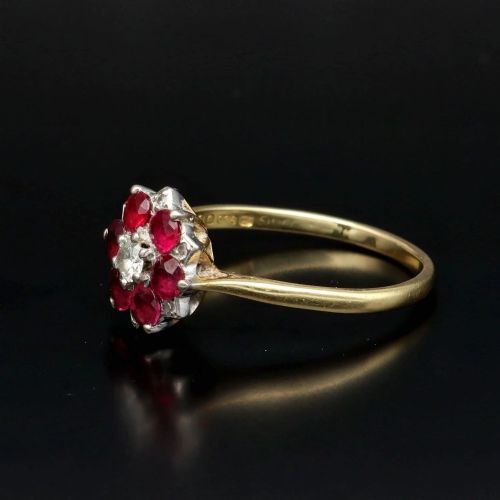
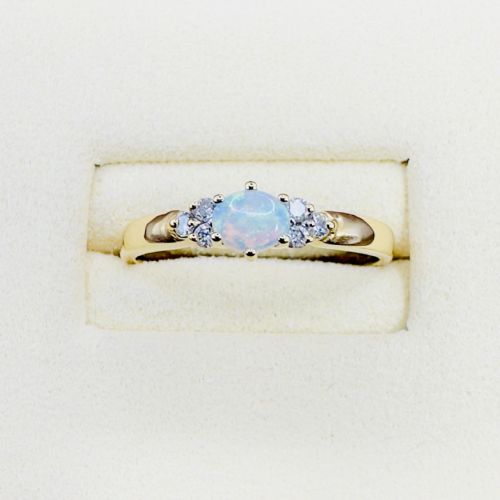
The most common examples encountered on this page pair central diamonds with white gold, yellow gold, or platinum. Many designs incorporate secondary gemstones such as rubies, opals, sapphires, emeralds, and garnets alongside the primary diamonds.
Makers produced these rings for social wear, resulting in varied silhouettes ranging from geometric Art Deco geometries to flowing mid-century organic forms. Buyers find pieces reflecting specific stylistic vocabulary from the 1900s up to the 1960s and beyond.
Materials and construction
The foundational metals utilised across these pieces include platinum, 18ct white gold, 18ct yellow gold, and occasionally 9ct gold. These metals provide durable settings designed to securely hold central stones and smaller pavé or cluster accents.
Goldsmiths employed traditional setting techniques, incorporating old-cut, cushion-cut, oval, and navette diamonds alongside calibre-cut sapphires or rubies. Construction methods evolved from Edwardian platinum work to the structured white gold mounts of the mid-century period.
Some rings manage to squeeze an entire optical illusion, a garden's worth of rubies, and enough sparkle for a gala into the space of a postage stamp.
Assessing quality in dress rings
Quality rests in the precision of the stone setting and the harmony of the overall design, whether dealing with a compact cluster or a substantial cocktail ring. Superior examples display careful balancing of secondary gems, such as natural opals, emeralds, or rubies, relative to the diamond content.
The refinement of the metalwork, from delicate Edwardian filigree to robust mid-century cast shanks, defines the standing of an individual piece. The integration of well-matched old-cut or brilliant-cut diamonds elevates the character of the ring.
The White Diamond Dress Ring Glossary
- Cluster ring
- A ring design featuring a central gemstone surrounded by a border of smaller stones, typically diamonds.
- Old cut
- A diamond facet style popular in earlier periods, characterised by a smaller table, higher crown, and distinct culet.
- Navette
- A boat-shaped or marquise silhouette featuring pointed ends and an elongated centre.
- Calibre cut
- Gemstones specifically shaped and cut to fit tightly together in geometric patterns without visible metal partitions.
- Cocktail ring
- A large, prominent ring intended for evening wear, frequently combining diamonds with substantial coloured gemstones.
White Diamond Dress Ring: Frequently Asked Questions
How do I wear a white diamond dress ring daily?
These rings suit both evening occasions and regular daily wear, provided the settings receive sensible care.
Matching the ring with simpler bands allows the central cluster or cocktail design to remain the focal point on the hand.
What periods do these rings come from?
The selection encompasses Edwardian pieces, Art Deco creations from the 1920s and 1930s, and mid-century examples spanning the 1950s and 1960s.
Each decade introduces distinct mounting styles, metal choices, and gemstone combinations that help date the piece.
Are coloured stones common in these rings?
Many designs pair white diamonds with contrasting coloured gems, including natural rubies, sapphires, emeralds, opals, garnets, and aquamarines.
These additions appear in cluster arrangements, target rings, and multi-stone bands alongside the primary diamonds.
How can I tell an old-cut diamond from a modern one?
Old-cut diamonds display smaller tables and deeper pavilions, producing a softer, candlelit sparkle compared to the brilliant facet geometry of modern stones.
These earlier cuts frequently appear in pieces dating from the Edwardian era through the 1930s.