


White China Serving Dish
A white china serving dish brings centuries of ceramic artistry to the table, combining utility with hand-painted pastoral scenes and bold transfer prints.
White China Serving Dish
A white china serving dish encompasses a range of domestic tableware from platters and tureens to vegetable dishes produced across the eighteenth and nineteenth centuries. These pieces originate from major English factories like Derby, Worcester, and Minton, alongside continental porcelain houses and Chinese export kilns.
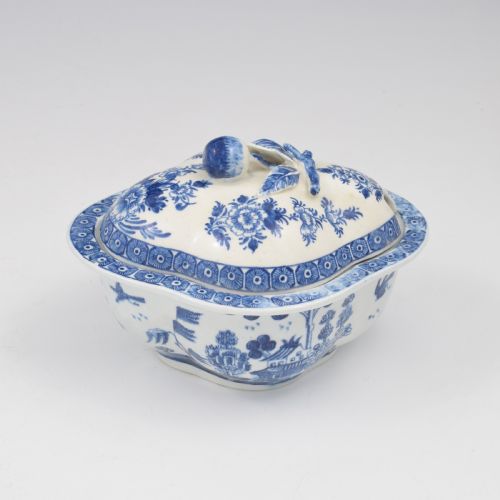
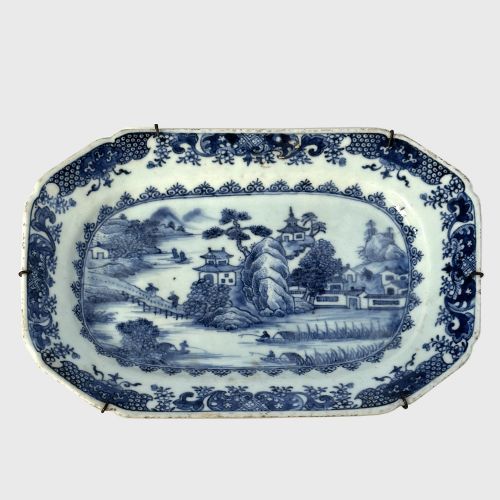
The version most commonly met on this page is the nineteenth-century blue and white transfer-printed meat platter or earthenware serving plate. Such pieces display pastoral scenes, architectural views, and exotic motifs upon a white ceramic ground.
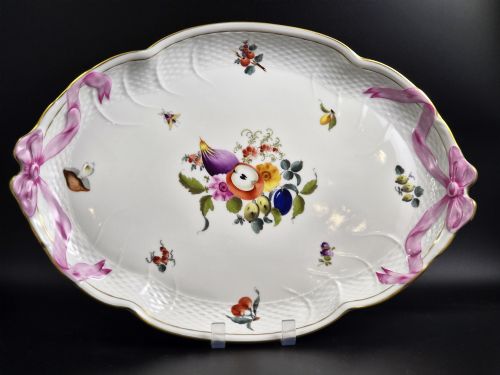
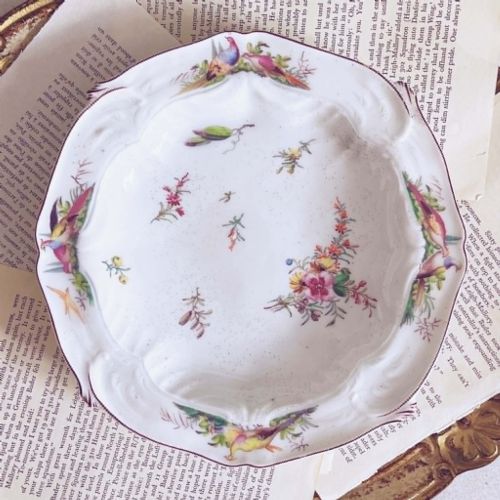
Earlier eighteenth-century examples lean towards porcelain tureens and hand-painted botanical or avian designs from factories such as Chelsea and Bow. Buyers also encounter substantial ironstone chargers and covered vegetable tureens intended for grand dining services.
Materials and technique
Makers shaped these wares from porcelain, earthenware, and ironstone, applying white glazes to form the smooth ground necessary for subsequent decoration. Ironstone provided a robust body for heavy meat platters, while delicate porcelain suited sauce tureens and lobed plates.
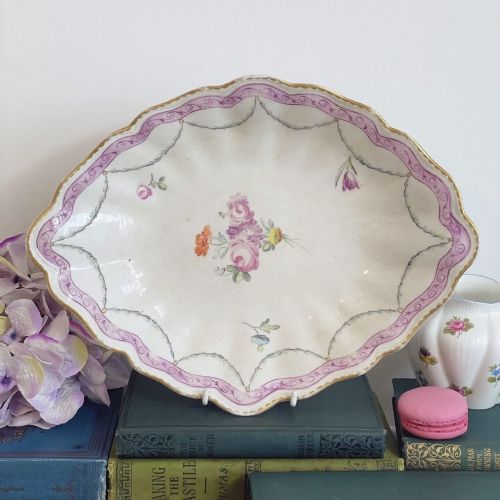
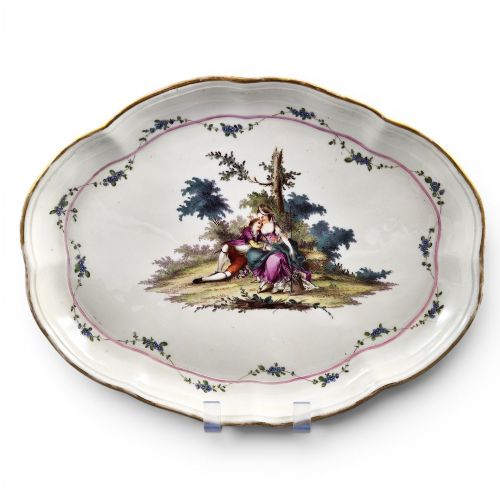
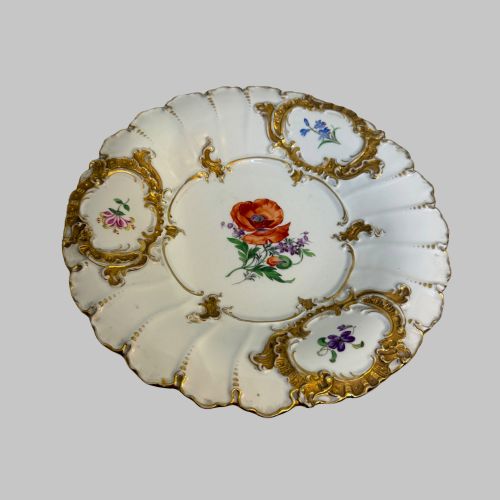
Decoration relied heavily on underglaze blue transfer printing, a technique allowing intricate topographical views and floral patterns to be stamped onto the clay body before firing. Alternatively, artists applied polychrome enamel paints by hand, sometimes accentuating details with gold leaf.
Listings feature serving dishes spanning the eighteenth and nineteenth centuries, incorporating earthenware, ironstone, and porcelain materials.
Judging quality
Quality rests upon the crispness of the transfer print or the brushwork skill in hand-painted polychrome pieces. Finer items exhibit precise registration, clear glaze without excessive pitting, and well-modelled forms such as pierced borders or moulded handles.
The reputation of the manufactory also dictates standing, with documented periods from works like Flight, Barr and Barr or Derby commanding greater attention than anonymous Staffordshire output. The complexity of the vessel shape, particularly in multi-piece tureens with covers, further separates standard domestic wares from superior examples.
Derby·Chelsea·Minton·Coalport·Worcester·Paul Müller Selb·Masons·Doulton Burslem·Müller Volkstedt·J. & R. Clews
The White China Serving Dish Glossary
- Ironstone
- A dense, durable type of earthenware patented in the nineteenth century to imitate porcelain. It resists chipping and formed the sturdy body of many large meat platters.
- Transfer printing
- A mechanical method of applying detailed designs to ceramics using an engraved copper plate and tissue paper. This technique enabled factories to produce uniform blue and white patterns in high volume.
- Tureen
- A deep covered vessel designed for serving soups, sauces, or vegetables at the table. They frequently include matching stands and decorative handles.
- Polychrome
- Decoration employing multiple distinct colours, typically applied through hand-painting over or under the glaze. This contrasts with monochrome printing in a single colour like blue.
- Glaze
- A glassy coating fused to the ceramic body through firing to render the piece impermeable to liquids. It provides the smooth, reflective white surface characteristic of these serving dishes.
White China Serving Dish: Frequently Asked Questions
How do I date a blue and white platter?
Dating relies on factory marks stamped or painted on the underside, stylistic clues in the border patterns, and the type of ceramic body used. Transfer-printed topographical subjects often correspond to specific historical events or publication dates of the source engravings.
Early pieces utilise soft-paste porcelain with hand-painted motifs, while mid-nineteenth-century examples frequently employ ironstone and mass-produced transfer printing. Comparing the glaze texture and registration marks helps narrow the decade of manufacture.
Can I use these antique dishes for serving food?
Most antique serving dishes remain structurally sound for presenting dry foods or cold items at the table. However, centuries-old glazes can contain lead, and thermal shock from hot modern dishwashers may cause historic earthenware to crack.
Hand washing in lukewarm water with mild soap preserves the delicate enamel paints and prevents crazing in the glaze. Avoid microwaving or exposing these ceramics to sudden temperature extremes.
What is the difference between porcelain and ironstone?
Porcelain is a vitrified, translucent ceramic fired at high temperatures using kaolin clay, resulting in a fine and resonant white body. It typically appears in lighter, more decorative tableware items.
Ironstone is an opaque, heavy earthenware strengthened with slag and feldspar, designed to withstand rigorous daily use. It forms the robust fabric behind many nineteenth-century meat platters and large chargers.
How were covered tureens used historically?
Covered tureens held soups, stews, or boiled vegetables at the centre of the dining table, keeping the contents warm beneath a fitted lid. Servants brought them to the table before guests served themselves onto individual plates.
Matching stands or underplates caught drips and added a formal display element to the dining service. Sauces and gravies utilised smaller sauce tureens equipped with their own fixed or separate ladling trays.