

White Ceramic Tray
A white ceramic tray brings practical refinement to a table, offering durable utility shaped through centuries of European and Asian pottery traditions.
White Ceramic Tray
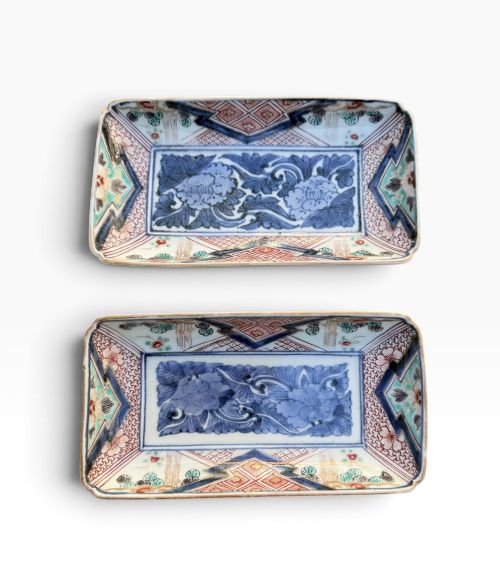
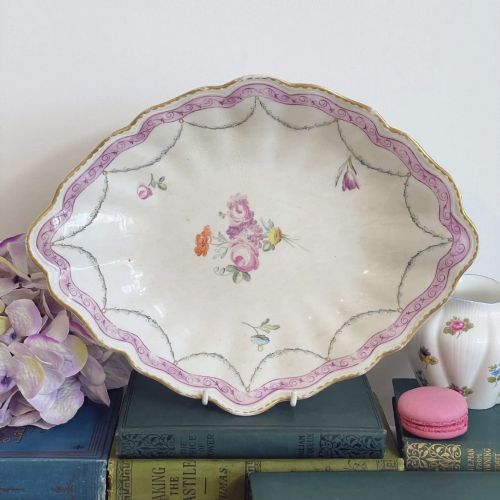
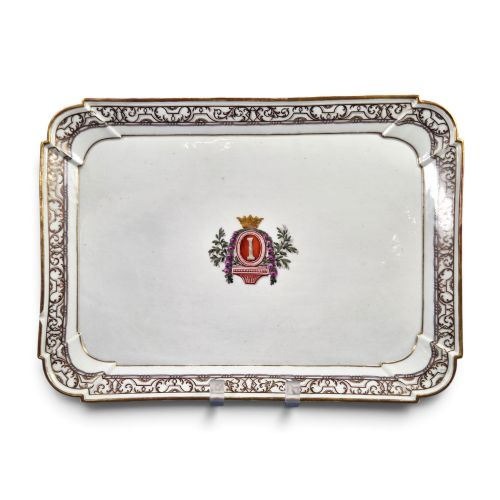
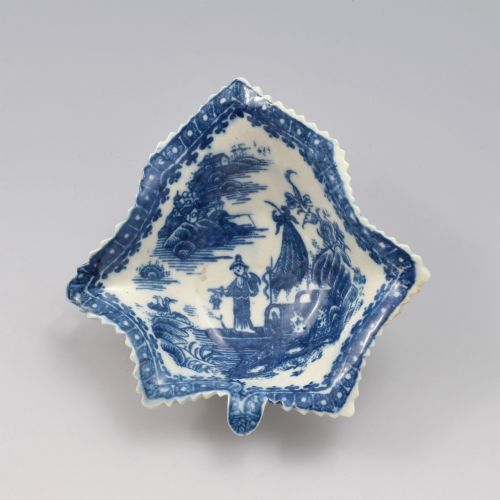
A white ceramic tray encompasses a wide selection of serving dishes, platters, pickle dishes, and pin trays spanning the eighteenth, nineteenth, and early twentieth centuries. These functional items emerged from major production centres across England, France, Germany, and China to serve dining, desk, and display needs.
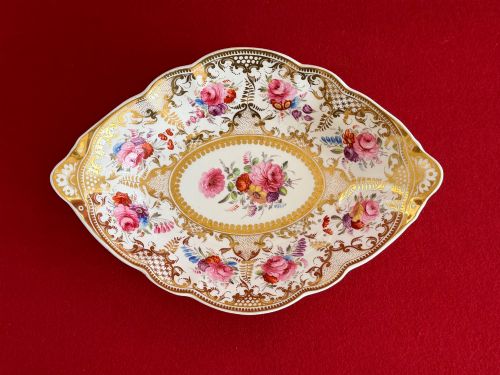
Buyers encountering this search phrase find diverse forms ranging from large transfer-printed meat platters and footed bread stands to delicate hand-painted porcelain dessert dishes and earthenware grocers slabs. The selection draws heavily upon nineteenth-century Victorian output and earlier Georgian and Regency craftsmanship.
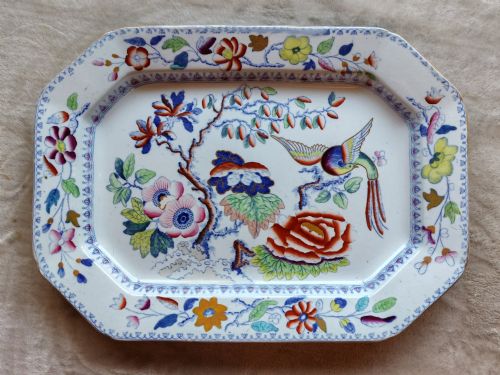
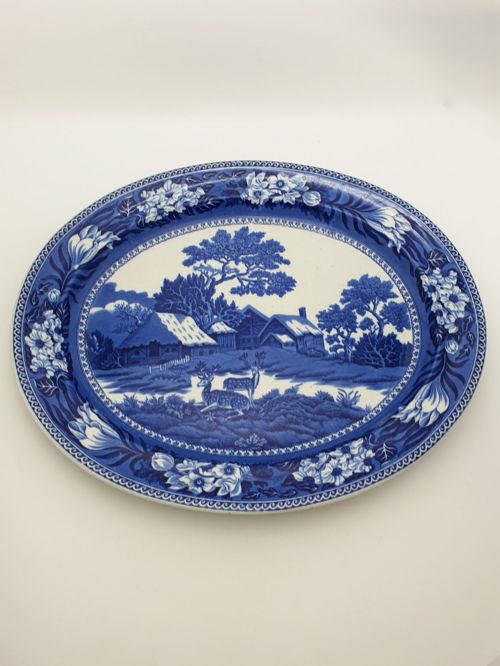
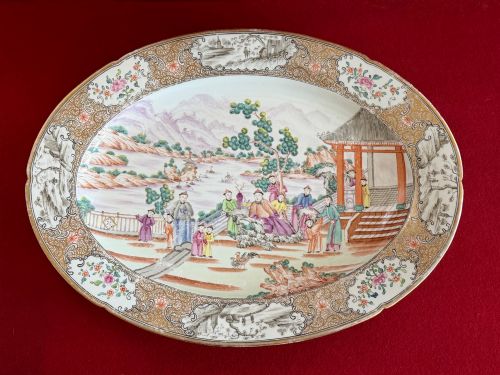
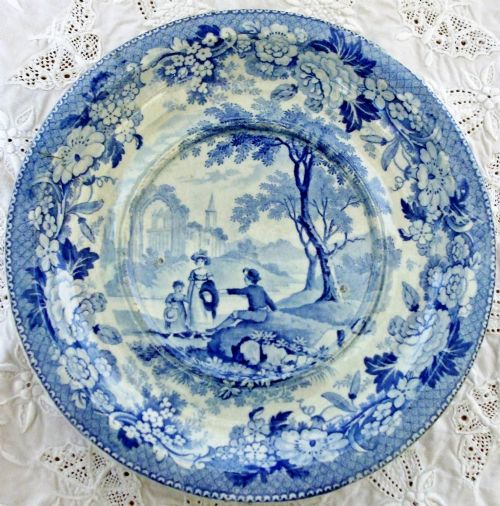
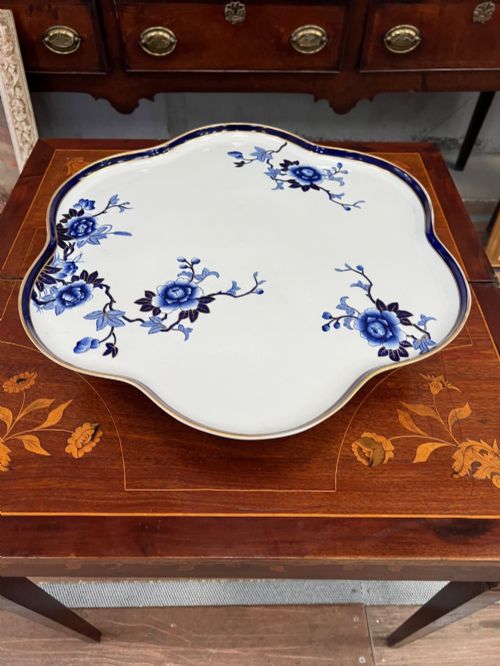
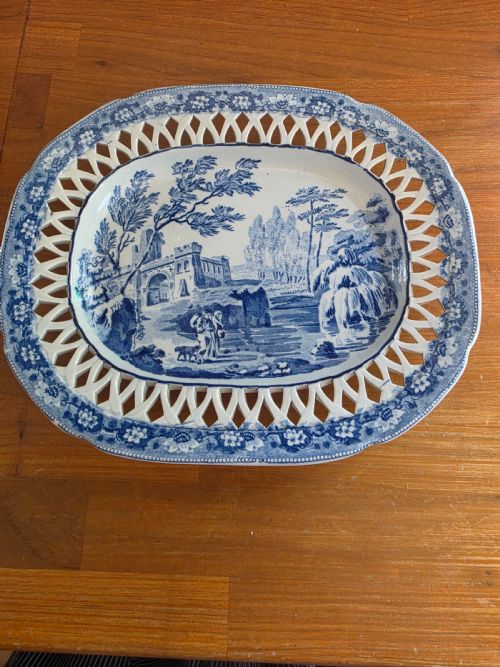
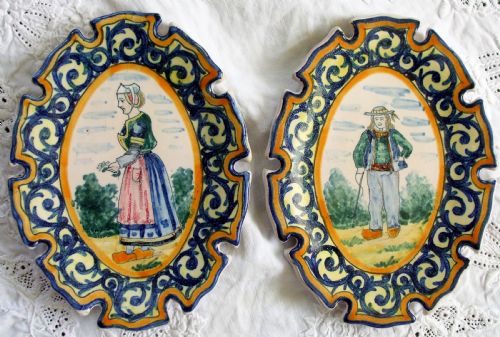
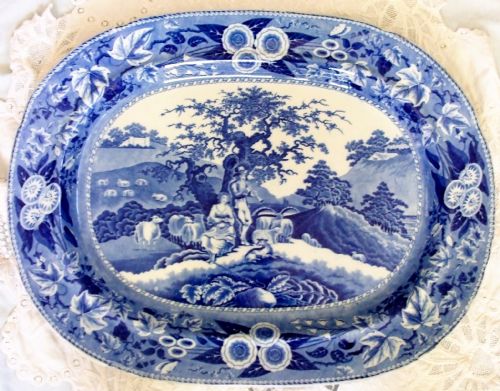
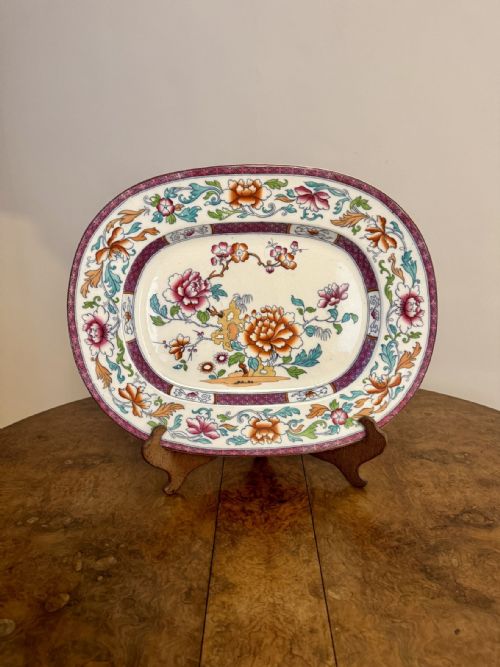
Many examples display traditional blue and white patterns, polychrome floral enamels, or moulded leaf and shell motifs rooted in Rococo and Chinoiserie styles. These functional ceramics bridge domestic utility and decorative display through enduring shapes.
How they were made
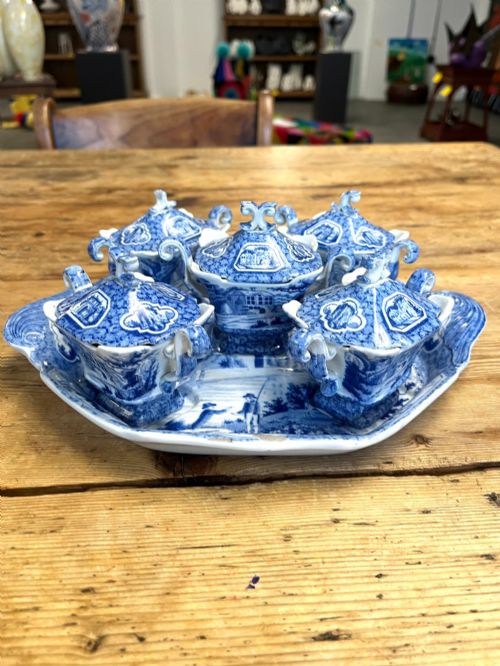
Potters utilised earthenware, pearlware, ironstone, and porcelain as foundational bodies, shaping them into platters, trays, and dishes before applying transparent or opaque glazes. Workshops often decorated these surfaces using hand-painted pigments, cobalt blue underglaze, or transfer printing to achieve detailed pictorial scenes.
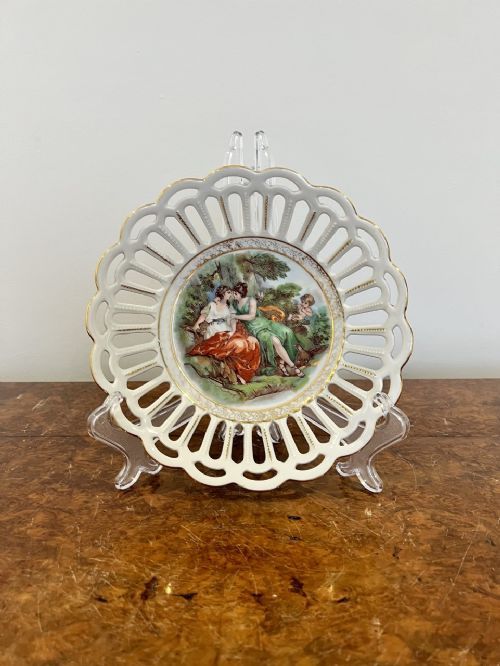
Fired in kilns at varying temperatures, these ceramics frequently incorporated gilt accents, gold leaf, or enamel highlights applied over the glaze. Certain pieces feature fretted, pierced, or moulded edges requiring precise manual forming prior to the final firing stage.
White Ceramic Tray Retail Price Guide 2026
Typical asking prices for white ceramic tray among the pieces listed under this phrase on Sellingantiques today, from the lower quarter to the upper quarter. They describe what is for sale here now, not the wider market.
Listings feature porcelain and earthenware bodies spanning the eighteenth and nineteenth centuries, incorporating traditional blue and white transfer printing.
What varies in quality
The standard of a piece rests upon the crispness of the transfer print, the delicacy of the painted brushwork, and the purity of the ceramic body. Early porcelain and refined ironstone demonstrate superior control in glazing and shaping compared to utilitarian commercial wares.
Makers such as Spode, Masons, and Worcester achieved exceptional definition in relief moulding and cobalt saturation, distinguishing their output through balanced proportions and sharp manufacturer marks. Artisanal execution in hand-painted motifs and gilded highlights elevates the visual clarity of finer examples.
Masons Ironstone·Caughley Porcelain·Derby·Ludwigsburg Porcelain·Davenport·Royal Worcester·HR Quimper·Joseph Gaspard Robert·Paul Müller Selb·Spode·Copeland and Garrett·Swansea Porcelain·Minton
The White Ceramic Tray Glossary
- Earthenware
- A porous pottery body fired at lower temperatures, requiring an impermeable glaze to hold liquids.
- Pearlware
- An refined earthenware developed in the late eighteenth century featuring a subtle bluish glaze that sat in recesses to mimic Chinese porcelain.
- Transfer printing
- A method of applying detailed decorative patterns to ceramics by pressing paper engravings inked with metallic oxides onto the biscuit or glazed surface.
- Faience
- European tin-glazed earthenware decorated with opaque white glazes and painted colours, notably produced in France.
- Comport
- A raised dish or bowl traditionally used for serving fruit or dessert at the centre of a formal table.
- Pickle dish
- A small, often shaped serving dish created in the eighteenth century for condiments and pickles at the dining table.
White Ceramic Tray: Frequently Asked Questions
What were ceramic trays used for?
These trays served diverse domestic functions, ranging from meat platters and dessert dishes on the dining table to pin trays and inkstands on writing desks.
Larger platters accommodated joints of meat and heavy courses, while smaller trays and pickle dishes held condiments, calling cards, or small personal items.
How do I care for antique ceramic trays?
Wash these pieces gently by hand using warm water and mild soap to protect the historic glaze and delicate enamel decorations.
Avoid dishwashers and harsh abrasive sponges, as extreme temperatures and aggressive detergents can damage eighteenth and nineteenth-century surfaces.
How can I tell the period of a tray?
Examine the ceramic body, glaze characteristics, and manufacturer marks stamped or painted on the underside of the piece.
Early pieces often feature soft-paste bodies and hand-painted cobalt, whereas nineteenth-century items frequently employ ironstone, pearlware, and transfer-printed registration marks.
Can I use these trays for serving food?
Many sturdy earthenware and ironstone platters remain suitable for serving food during meals, provided the glaze is intact.
Delicate eighteenth-century porcelain or pieces with extensive overglaze enamel and gilt work are better reserved for display and light dry use.