


White Ceramic Hand
White Ceramic Hand objects gathered here represent sculptural items created from fired clay, sought by collectors for their striking form and tactile presence.
White Ceramic Hand
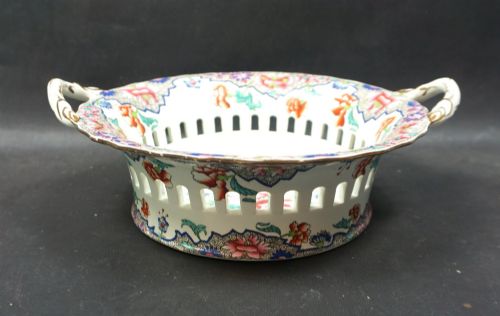
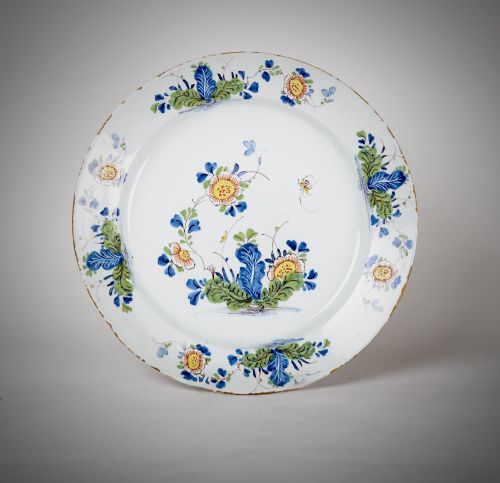
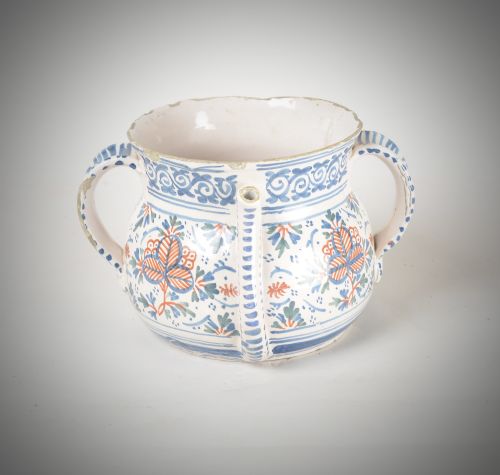
White ceramic hand items bridge the gap between sculptural form and decorative utility, drawing attention through their distinct physical shape. When looking for white ceramic hand examples, buyers encounter various interpretations spanning several historical periods and origins.
The material palette recorded across the listings leans towards porcelain, earthenware, and glazed ceramic bodies. These pieces reflect diverse stylistic influences, ranging from European factories to Asian kilns.
Materials and methods of production
Makers shaped these objects using fine ceramic bodies such as porcelain and earthenware, often applying a smooth glaze to seal the surface. Firing techniques required precise temperature control in kilns to achieve the desired white finish and structural integrity.
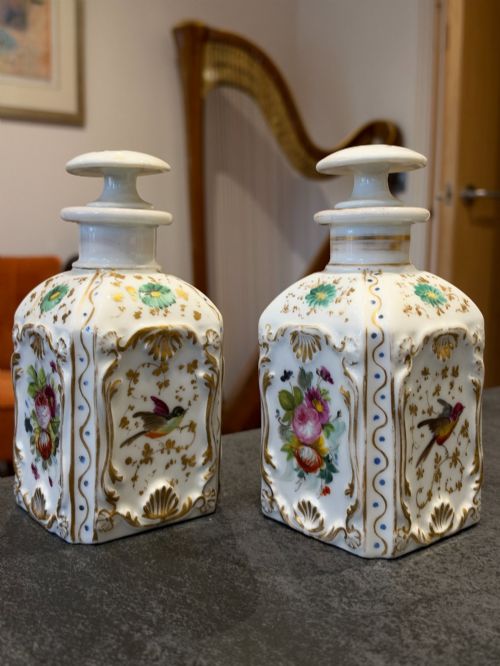
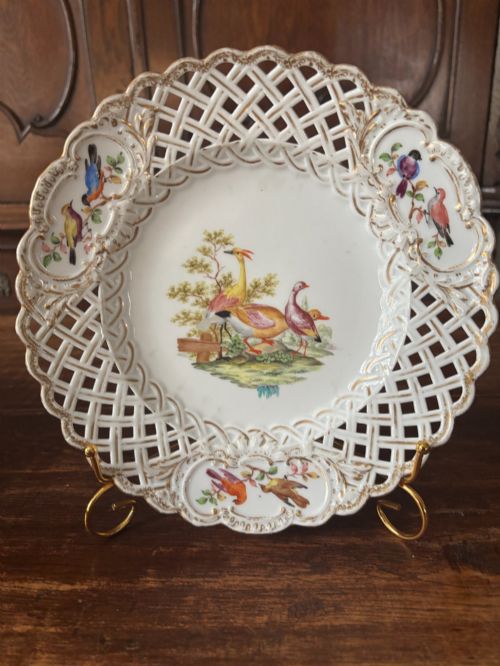
Detailing on such items frequently involved hand painting with enamel, alongside applications of gold leaf or gilding to highlight specific contours. Artisans combined traditional moulding methods with careful hand finishing to produce defined sculptural details.
White Ceramic Hand Retail Price Guide 2026
Typical asking prices for white ceramic hand among the pieces listed under this phrase on Sellingantiques today, from the lower quarter to the upper quarter. They describe what is for sale here now, not the wider market.
Certain vessels transport maritime stories across centuries, having survived shipwreck disasters before finding a quiet retirement on a collector's shelf.
Distinguishing quality levels
Quality in these ceramic objects rests upon the crispness of the modelling and the evenness of the glaze application. Superior examples demonstrate precise control during the firing process, resulting in a clean surface free from major distortion.
The refinement of hand-painted details and the application of gilding further separate standard production from finer output. Consideration of the piece's overall proportion and the fidelity of its form guides an assessment of its standard.
Flight Barr And Barr·Meissen Porcelain·Herend·Takasaka Toemon
The White Ceramic Hand Glossary
- Porcelain
- A hard, white, translucent ceramic substance composed of kaolin and petuntse fired at high temperatures. It forms the smooth body for many fine sculptural and domestic items.
- Glaze
- A vitreous coating applied to ceramic objects and fired to form a hard, shiny surface. This layer seals the porous clay body beneath.
- Gilding
- The application of gold leaf or powdered gold onto the surface of ceramic pieces for decoration. It is often used to accent rims and moulded details.
- Earthenware
- Porous pottery fired at lower temperatures than porcelain, usually requiring a glaze to hold liquids. It represents one of the traditional bases for utilitarian and decorative wares.
- Enamel
- Opaque pigmented glass fused to the ceramic surface during a secondary firing. It provides the vibrant colours found on decorated pieces.
White Ceramic Hand: Frequently Asked Questions
What are these white ceramic hand objects?
These items are sculptural or decorative pieces fashioned from white-glazed ceramic materials like porcelain and earthenware.
They reflect historical manufacturing techniques from various European and Asian traditions, serving primarily as decorative display items.
How were these ceramic items used historically?
Such pieces were predominantly used to adorn domestic interiors, mantelpieces, and display cabinets in prosperous homes.
Their striking forms and material qualities made them conversation pieces for collectors and guests alike.
How should I live with ceramic sculptures?
Display these items on stable surfaces away from high traffic areas to prevent accidental knocks or drops.
Keep them out of direct sunlight to protect any delicate enamel work or gilding from fading over time.
How do I tell different periods apart?
Dating relies on examining the characteristics of the ceramic body, the formulation of the glaze, and any painted or impressed factory marks.
Stylistic cues such as moulding techniques and decorative motifs also point towards specific manufacturing eras.