

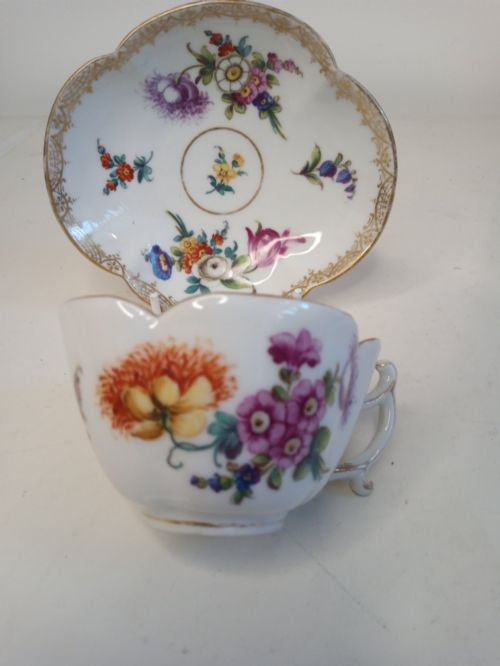
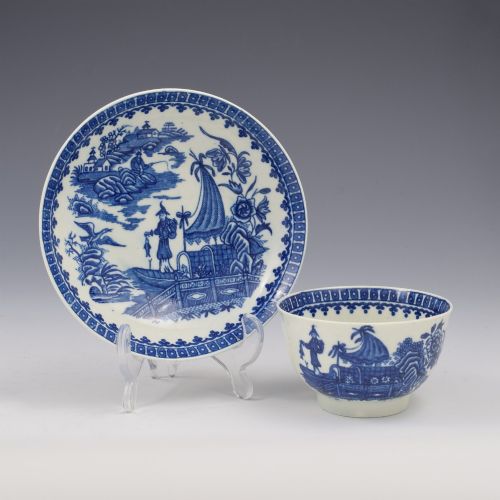


White Ceramic Cup Saucer
These white ceramic cup saucer sets bring centuries of porcelain craft to the table, offering a tangible connection to historical tea culture.
White Ceramic Cup Saucer
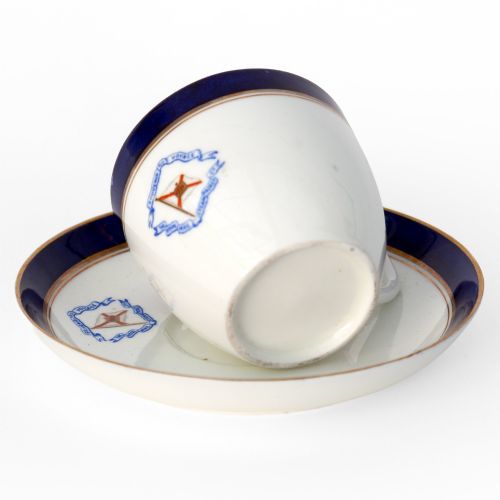
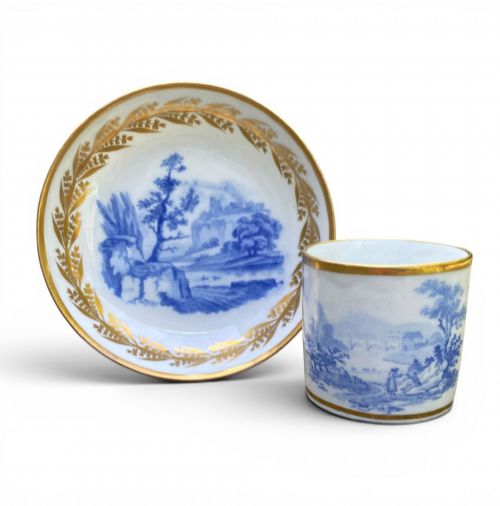
The search for a white ceramic cup saucer encompasses a broad spectrum of historical tea wares, ranging from delicate tea bowls to structured coffee cans. Pieces originate across the eighteenth and nineteenth centuries, spanning Georgian, Regency, and Edwardian periods.
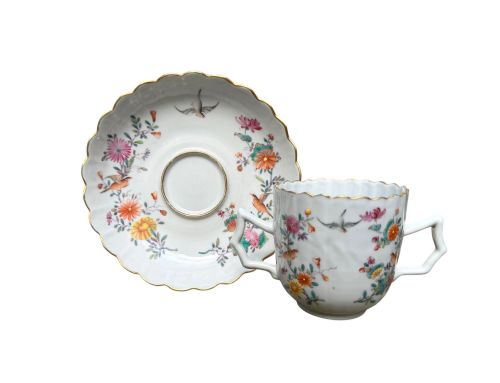
Makers include domestic factories such as Worcester, New Hall, Coalport, and Minton, alongside Chinese export porcelain and Japanese Hirado wares. Forms include trios, tea bowls, and standard cups paired with matching saucers.
Enamelled details, hand-painted motifs, and crests often accompany the white ceramic base, demonstrating the functional elegance expected by historical households. Buyers frequently encounter eighteenth-century tea bowls alongside later nineteenth-century developments.
Materials and construction
Potters utilised porcelain, soft-paste porcelain, and bone china as the primary substrates for these vessels, applying smooth glazes to seal the ceramic body. High-temperature firings established the durable white surfaces necessary for daily dining use.
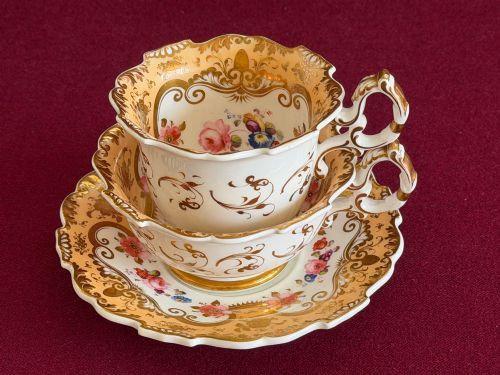
Decoration relied on hand-painted enamel colours and gold leaf application, or gilding, to accentuate the moulded contours of the cup and saucer. Specialised shapes, such as the Shrewsbury shape or bat-wing patterns, required precise moulding techniques during production.
White Ceramic Cup Saucer Retail Price Guide 2026
Typical asking prices for white ceramic cup saucer among the pieces listed under this phrase on Sellingantiques today, from the lower quarter to the upper quarter. They describe what is for sale here now, not the wider market.
Current listings feature porcelain and bone china from the eighteenth century through to the Edwardian era, incorporating styles from Georgian Neoclassical to Japanese Edo.
Defining quality in antique tea wares
Superior examples demonstrate meticulous brushwork in hand-painted motifs, such as the intricate plumage on bird designs or detailed family crests. The thinness and translucency of the porcelain body also indicate higher manufacturing skill, particularly in eighteenth-century pieces.
The preservation of original gilding and enamel vibrancy distinguishes well-kept vessels from those with significant surface wear. Consistency in the glaze and the absence of firing distortions reflect the standard maintained by the original factory.
A H & R Daniel·New Hall·Flight, Barr & Barr·Coalport·Minton·Lowestoft
The White Ceramic Cup Saucer Glossary
- Bone china
- A type of porcelain incorporating animal bone ash, producing a strong, highly translucent white body. This material gained widespread popularity in nineteenth-century British ceramics.
- Soft-paste porcelain
- An artificial porcelain composition fired at lower temperatures than hard-paste varieties. It typically exhibits a warmer tone and a softer glaze.
- Tea bowl
- A handleless drinking vessel designed for early tea service before the widespread adoption of handled cups. These pieces date predominantly to the eighteenth century.
- Coffee can
- A small, straight-sided cylindrical cup intended specifically for drinking coffee in period dining. They frequently accompany matching saucers in cabinet sets.
- Gilding
- The application of gold leaf or gold paint to ceramic surfaces for decorative enhancement. This technique highlights rims, handles, and painted borders.
White Ceramic Cup Saucer: Frequently Asked Questions
How do I care for antique cups?
Wash these historical porcelain pieces gently by hand using mild soap and warm water, avoiding abrasive sponges or modern dishwashers.
Store them securely in stable cabinets away from direct sunlight to preserve delicate enamel colours and gold gilding.
Were tea bowls used with saucers?
Eighteenth-century tea bowls were regularly paired with matching saucers to hold the vessel or to cool hot tea before drinking.
This traditional pairing forms a complete set in many period collections.
What is a tea trio?
A tea trio consists of a matching cup, saucer, and a corresponding side or tea plate used for serving small cakes or bread.
These sets became increasingly popular during the nineteenth century in British ceramic production.