


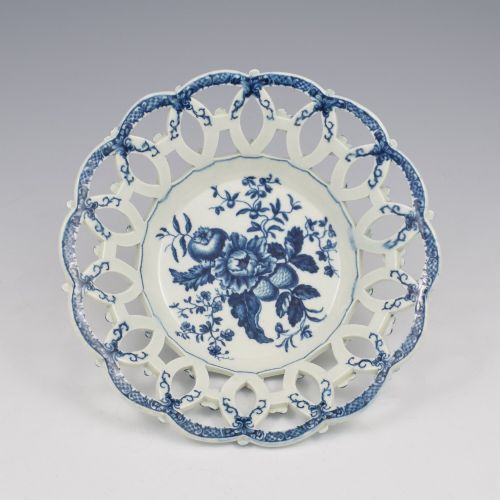


White Ceramic Centrepiece
A white ceramic centrepiece commands the middle of a dining table, combining porcelain, glaze, and gilded detail to anchor a formal room.
White Ceramic Centrepiece
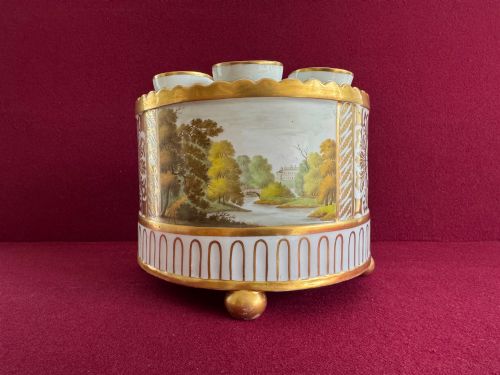
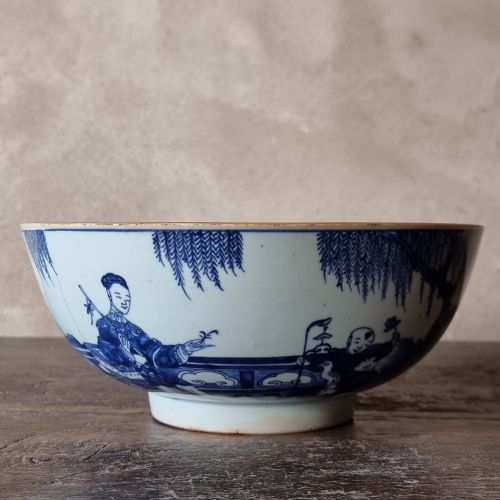
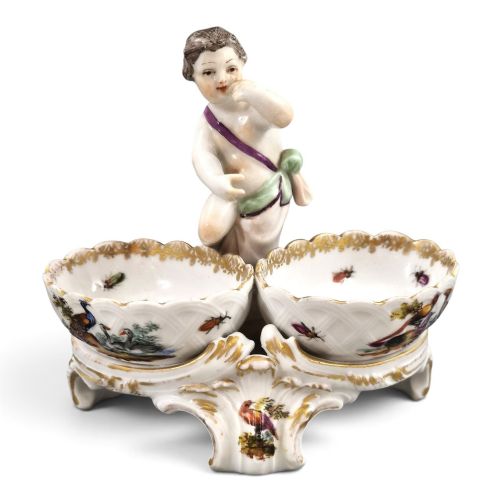
A white ceramic centrepiece takes many forms across the Georgian, Victorian, and Edwardian periods, appearing as decorative baskets, punch bowls, comports, and figural sweetmeat dishes.
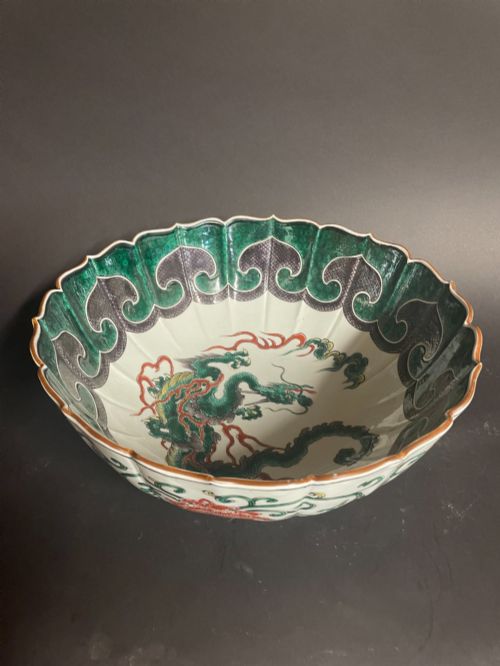
Makers from English factories like Derby and Worcester, continental houses like Meissen and KPM Berlin, and Chinese export kilns produced these table vessels in porcelain, hard-paste porcelain, and pottery.
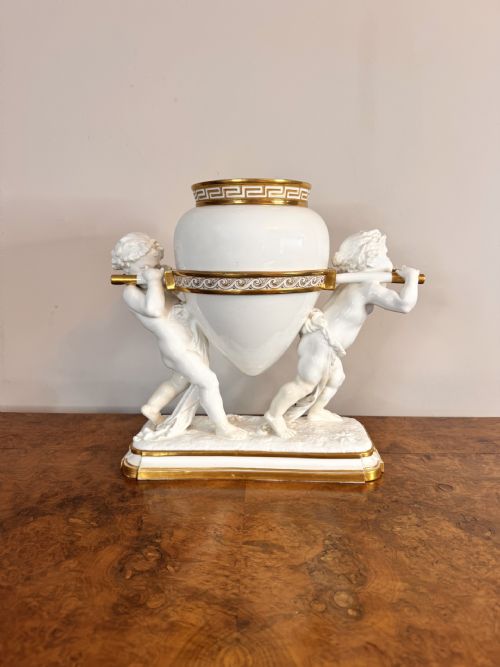
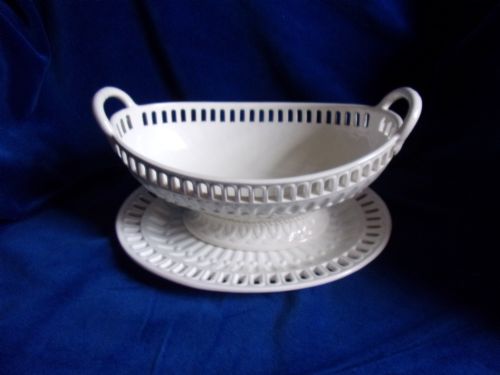
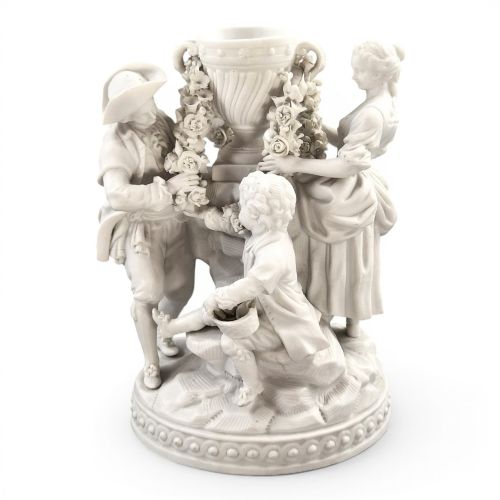
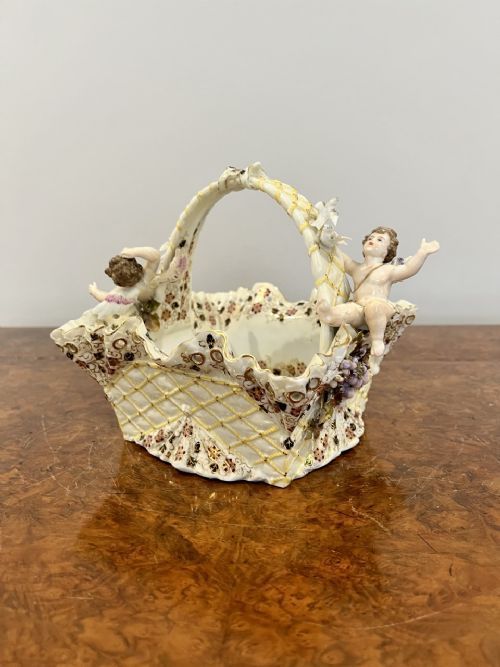
Buyers seeking a white ceramic centrepiece encounter openwork lattice bowls, flower-encrusted baskets, and sculptural groupings supported by putti or cherubs.
How they were made
Potters shaped hard-paste and soft-paste porcelain into bowls and baskets, frequently applying detailed ceramic flowers and leaves by hand before firing.
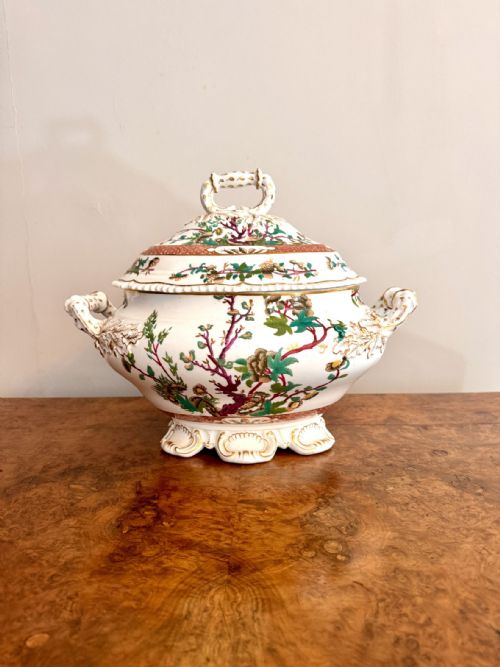
Craftsmen enriched the glazed white surfaces with hand-painted enamels, transfer printing, and delicate applications of gold leaf and gilding.
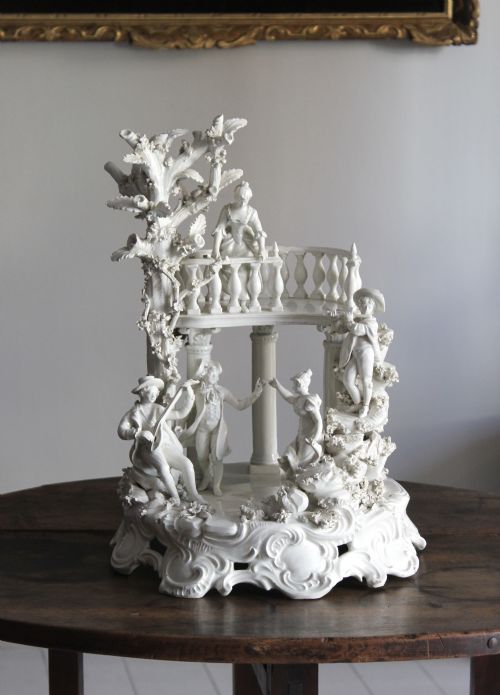
Moulded figures and sculptural groups utilised specialised bisque or biscuit porcelain, leaving the matte ceramic unglazed to display crisp anatomical detail.
White Ceramic Centrepiece Retail Price Guide 2026
Typical asking prices for white ceramic centrepiece among the pieces listed under this phrase on Sellingantiques today, from the lower quarter to the upper quarter. They describe what is for sale here now, not the wider market.
Several pieces feature earnest cherubs and putti seemingly burdened by the heavy baskets of flowers they are tasked with holding up.
What varies in quality
The refinement of the modelling distinguishes standard production from superior pieces, particularly in the crispness of applied floral garlands and the sculpting of figures.
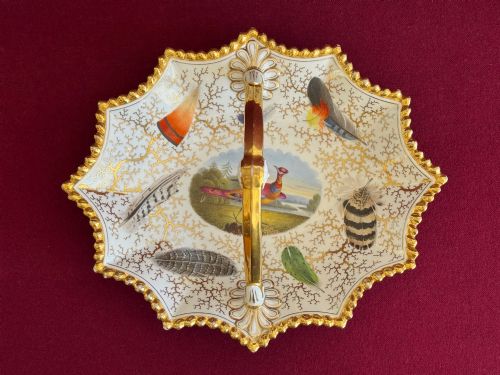
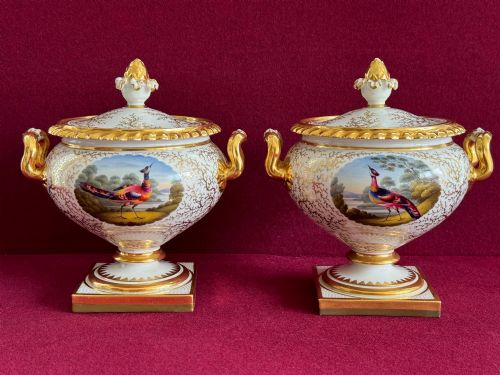
Finishing work sets individual items apart, seen in the precision of hand-painted bird or landscape motifs and the careful application of gold leaf across handles and rims.
Derby Porcelain·KPM Berlin·Meissen·Coalport·Rockingham·Doulton Burslem·Ulisse Cantagalli·C.G. Schierholz and Sohn·Royal Worcester·Samson Of Paris
The White Ceramic Centrepiece Glossary
- Biscuit porcelain
- Unglazed ceramic fired once to produce a matte, white surface with a smooth, stone-like texture. It was frequently used for sculptural groups and figures.
- Comport
- A raised dish or bowl on a foot, designed to hold fruit or sweetmeats at the centre of a dining table. These pieces often feature pierced or lattice rims.
- Sweetmeat dish
- A small vessel intended for confectionery, nuts, or preserved fruits during formal courses. They often appear held by figural supports or modelled as baskets.
- Hard-paste porcelain
- A durable ceramic composition fired at high temperatures using kaolin and petuntse. It creates a bright white, vitreous body resistant to scratching.
- Enamel
- Coloured vitreous material fused to the ceramic surface through secondary firing. It provides the vivid tones found in hand-painted floral and armorial decorations.
White Ceramic Centrepiece: Frequently Asked Questions
What were white ceramic centrepieces used for?
These vessels held fruit, sweetmeats, or floral arrangements to decorate the middle of formal dining tables during large meals.
They also served as conversational table art, displaying elaborate mythological or pastoral scenes modelled in porcelain.
How do I style a centrepiece at home?
Place the bowl or basket directly onto a polished wood or mirrored plateau to reflect the glazed porcelain and gilt highlights.
Keep the vessel empty to showcase pierced lattice work and hand-painted motifs, or fill it with seasonal fruit or dried botanicals.
How do I tell Georgian pieces from Victorian ones?
Georgian examples often feature restrained neoclassical forms or delicate Chinese export decoration with understated blue and white palettes.
Victorian and Edwardian versions tend towards heavier Rococo Revival styling, incorporating abundant applied roses, putti, and rich gilding.
What is the difference between porcelain and pottery?
Porcelain is fired at much higher temperatures, resulting in a dense, vitreous, and translucent white body that does not absorb moisture.
Pottery and faience are more porous earthenwares that require opaque glazes, such as tin glazes, to achieve a uniform white surface.