




White Architectural Salvage
White architectural salvage brings period character straight into modern interiors through authentic elements reclaimed from historical buildings.
White Architectural Salvage
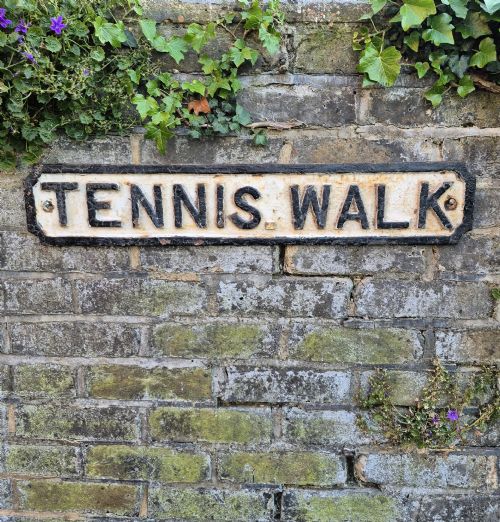
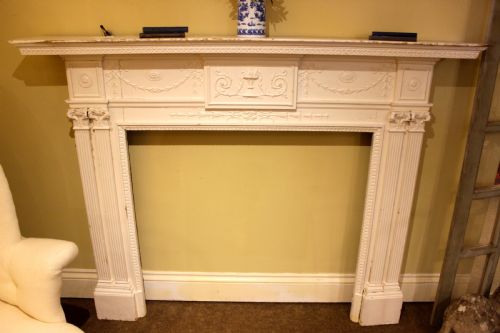
White architectural salvage encompasses recovered building components and decorative elements from the nineteenth and early twentieth centuries, including the Edwardian and Victorian eras. These items range from large structural pieces like fireplace surrounds and iron gates to smaller decorative accents such as wall panels, brackets, and street signs.
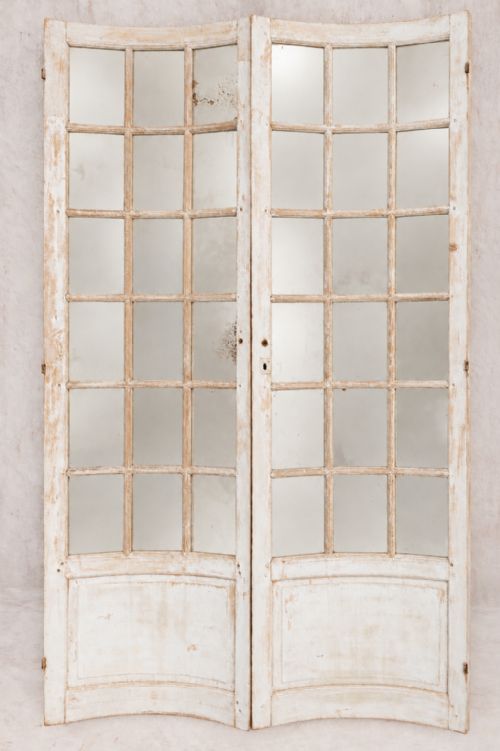
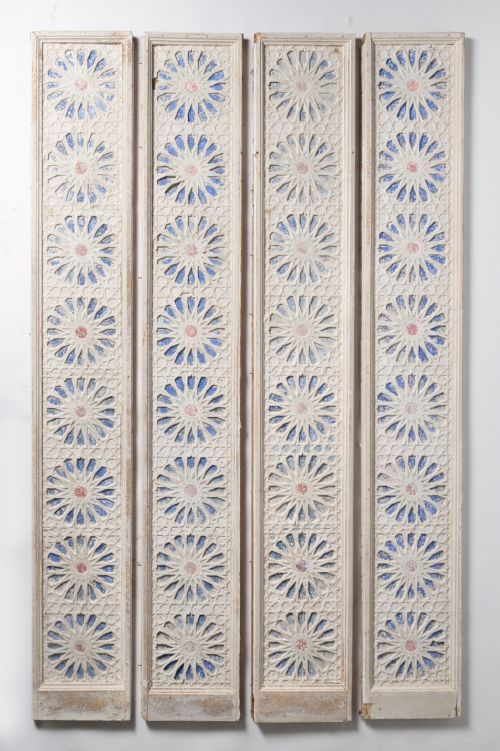
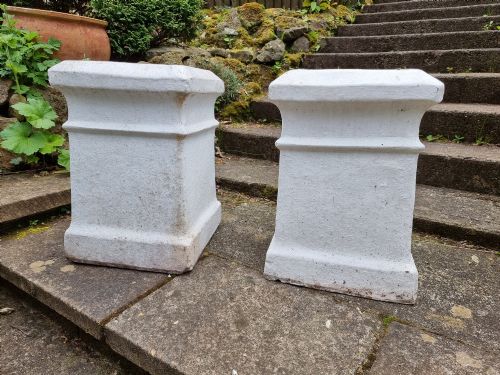
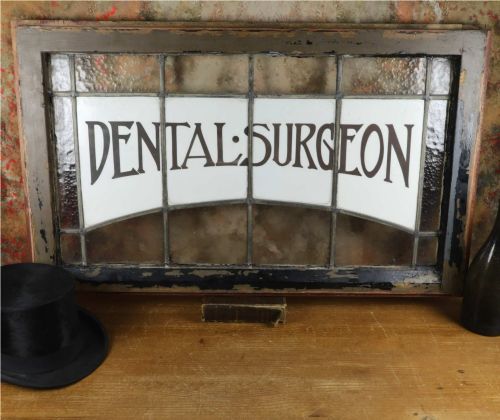
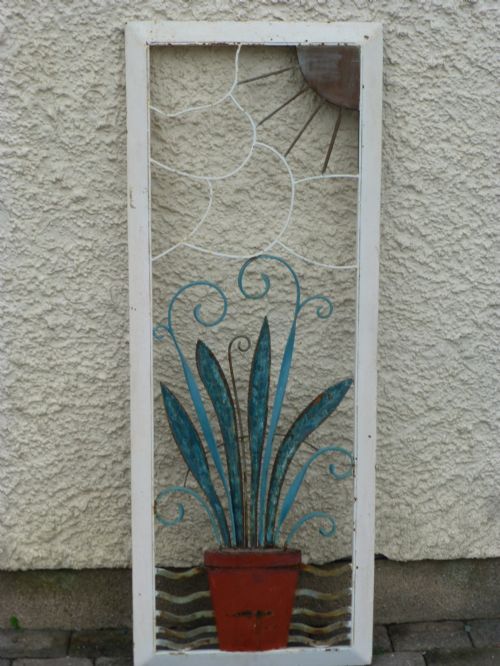
Buyers seeking white architectural salvage typically encounter painted pine timbers, carved marble, and weathered cast iron or wrought iron. The selection spans domestic fixtures like chapel doors and window panels alongside grander elements like columns and garden pedestals.
Originating from diverse settings across the nineteenth century up to the 1920s, these pieces reflect styles from Neoclassical and French Chateau to Art Deco and Art Nouveau. Each item carries the distinct patina of its previous architectural life.
Materials and Construction Techniques
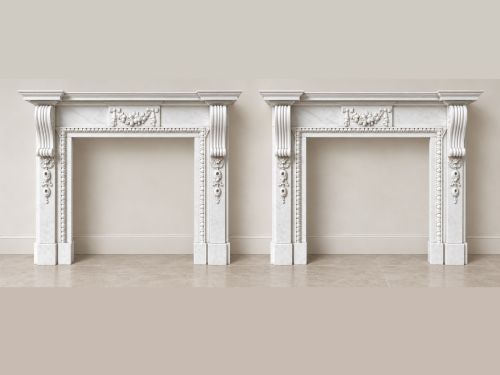
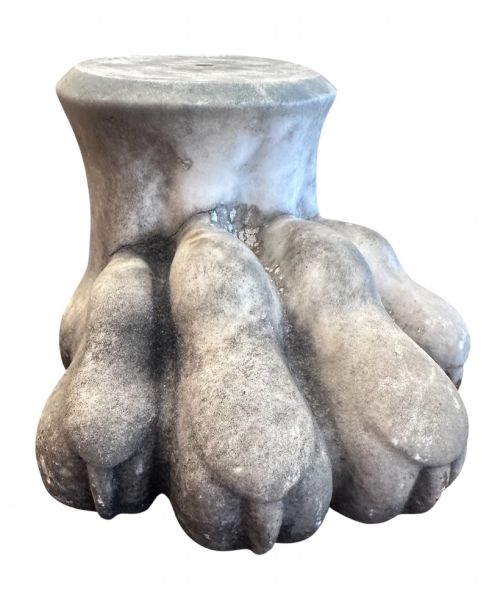
The fabrication of these salvage pieces relies heavily on traditional masonry, metalworking, and carpentry methods. Carved white marble and Carrara marble form substantial items like fireplace surrounds and lion paw motifs, shaped through manual chisel work and polishing.
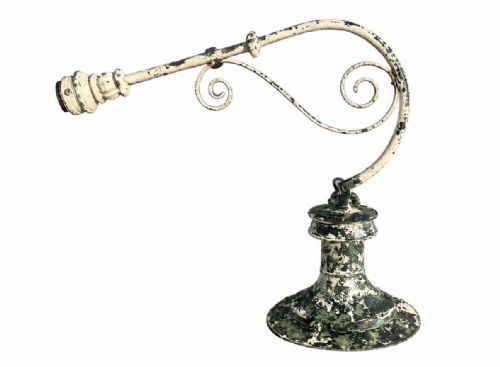
Metal components utilise cast iron and wrought iron, forged by blacksmiths or cast in moulds to create intricate estate gates, bench ends, and lamp posts. Wooden elements such as pine and softwood are joined for doors and boiserie wall panels, often finished with layers of historical white paint.
White Architectural Salvage Retail Price Guide 2026
Typical asking prices for white architectural salvage among the pieces listed under this phrase on Sellingantiques today, from the lower quarter to the upper quarter. They describe what is for sale here now, not the wider market.
Listings feature items spanning the 1800s through to the 1920s, incorporating materials such as Carrara marble, pine, cast iron, and vitriolite glass.
Distinctions in Quality
The standard of white architectural salvage depends heavily on the crispness of the original carving and the integrity of the base material. Intricately carved marble mantels and detailed statuary demonstrate superior craftsmanship compared to simpler moulded plaster or standard timber mouldings.
Preservation of surface finish and original hardware also dictates standing within the range. Pieces retaining their historical painted layers, hand-forged wrought ironwork, or intact reverse-cut glass signage hold greater authenticity than heavily restored or altered equivalents.
The White Architectural Salvage Glossary
- Boiserie
- Decorative wood panelling used on interior walls, particularly associated with French interior design traditions. These carved wooden panels add architectural depth to a room.
- Corbel
- A structural bracket projecting from a wall to support a weight above it, often carved in stone, wood, or plaster. They frequently feature decorative motifs like putti or scrollwork.
- Vitriolite
- An opaque structural pigmented glass popular in the early twentieth century for signage and wall cladding. It provides a glossy, durable surface with a distinct reflective quality.
- Statuary Marble
- A fine-grained white marble traditionally favoured for sculpture and high-end architectural elements such as fireplace surrounds. Its uniform texture allows for exceptionally sharp carving details.
White Architectural Salvage: Frequently Asked Questions
Can exterior iron gates be used outside today?
Wrought iron and cast iron gates from the nineteenth century are inherently robust and designed for external placement. Applying a suitable protective coating helps prevent further oxidation when exposed to modern weather conditions.
Regular maintenance of the metal surface preserves the blacksmith-made details and structural integrity for continued outdoor use.
How do I clean antique painted pine salvage?
Clean painted pine gently using a soft brush or dry cloth to remove dust without disturbing the historical paint layers. Avoid harsh chemical solvents that can strip or discolour the accumulated patination of decades.
If washing is necessary, use a mild soap solution on a damp cloth and dry the timber immediately to prevent moisture damage.
What is the best way to display glass signs?
Glass signs and window panels benefit from stable wall mounting or secure wooden framing that supports their weight evenly. Position them away from high-traffic areas where accidental impacts might occur.
Backlighting can enhance reverse-cut glass and enamel details, revealing the intricate craftsmanship of Edwardian shop windows and street markers.