

Welsh Dresser with Cupboards
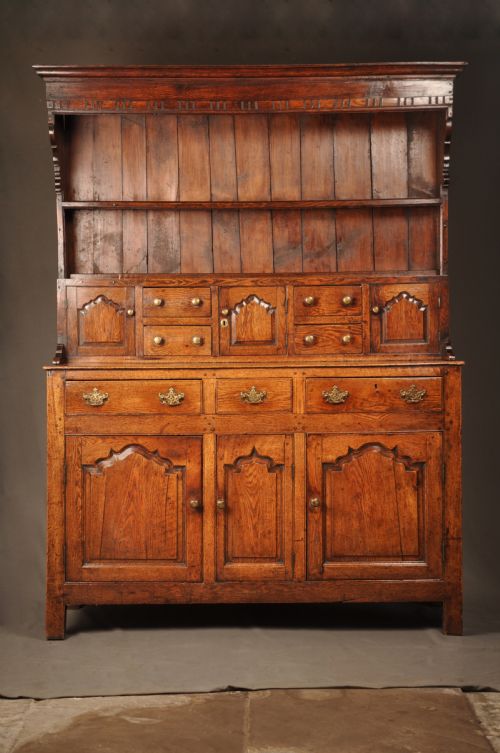
A welsh dresser with cupboards is a stalwart of rural storage, combining open display shelves above with enclosed base compartments for everyday domestic order.
Welsh Dresser with Cupboards
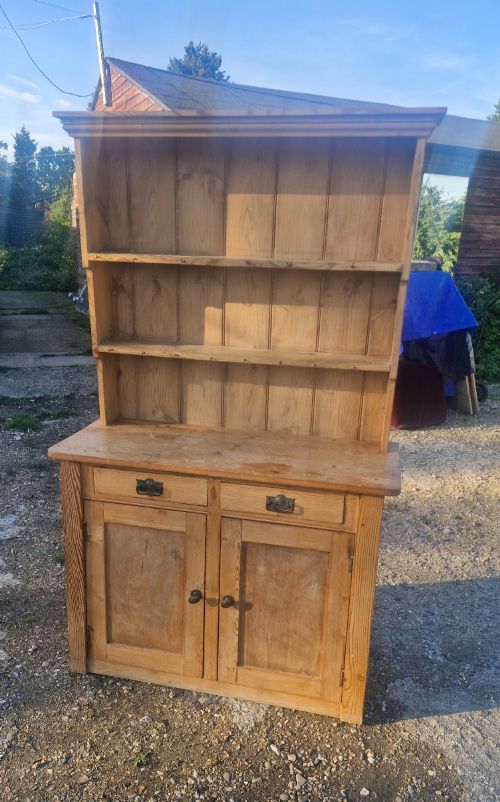
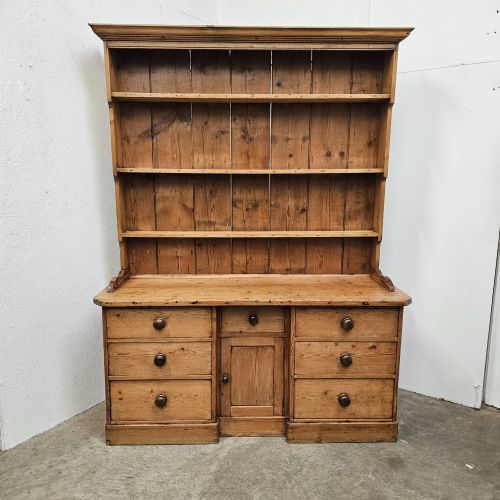
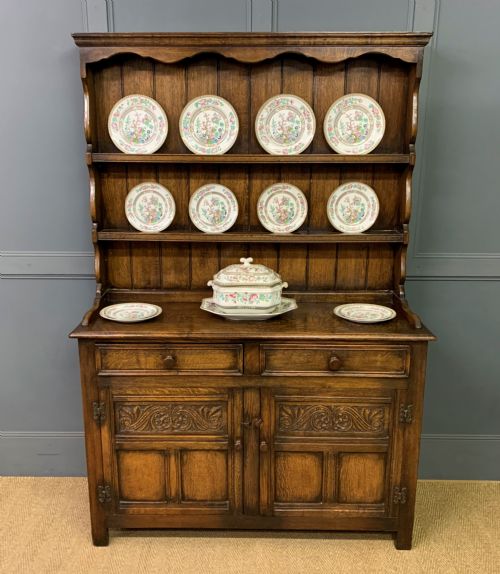
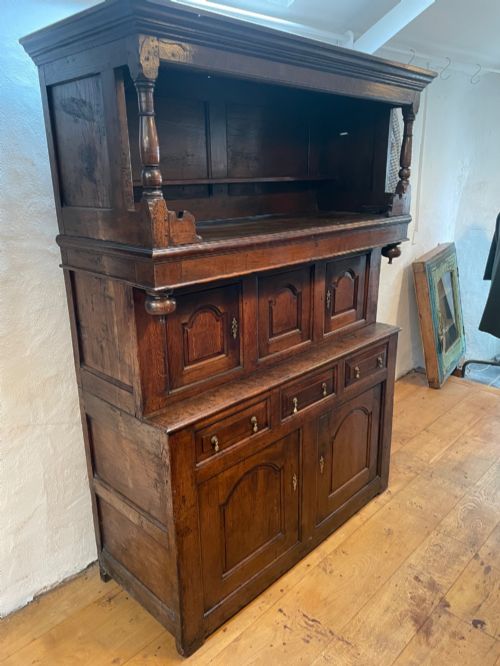
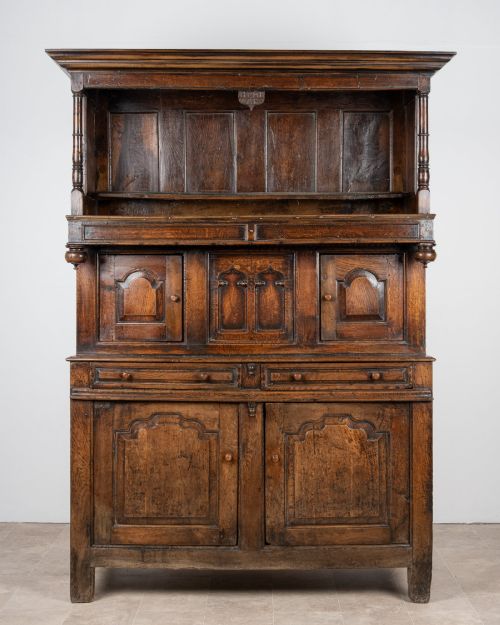
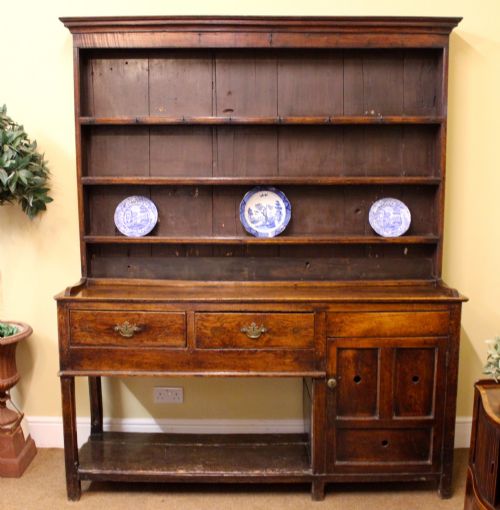
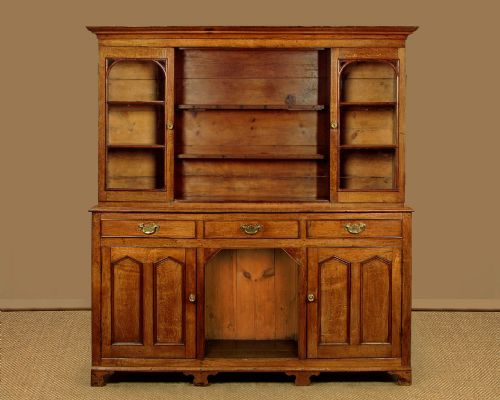
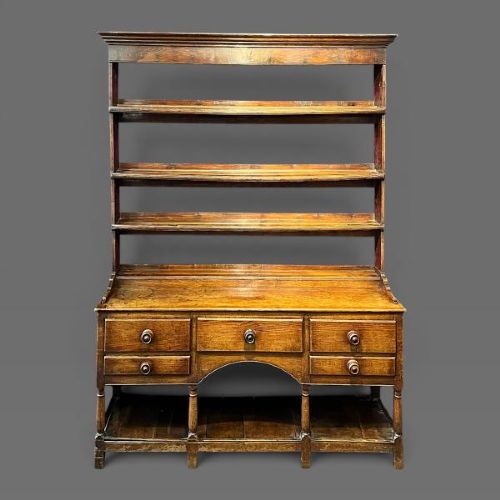
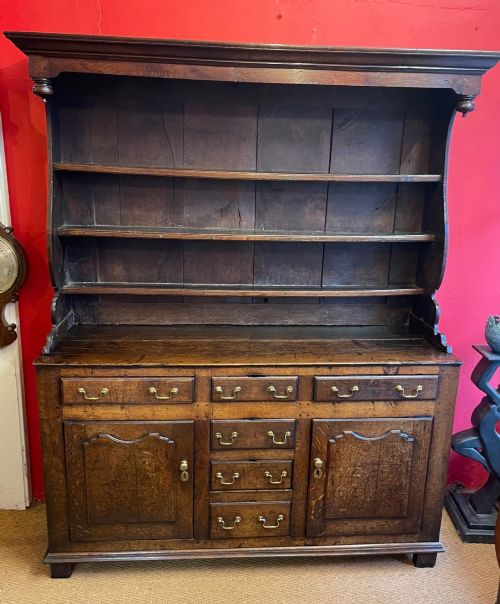
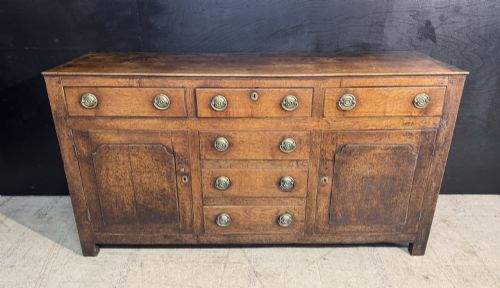
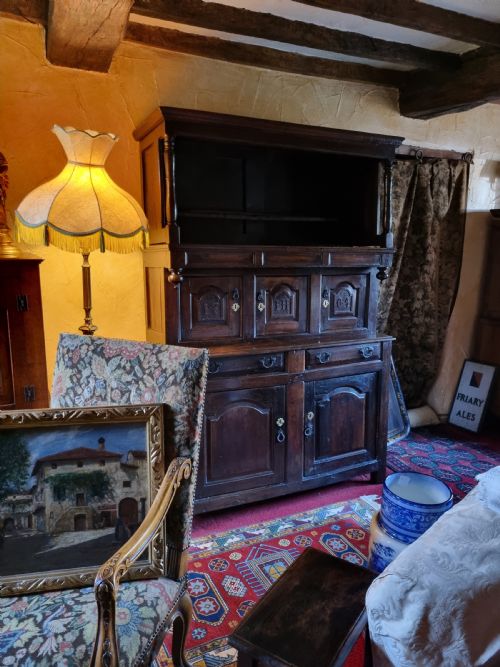
A welsh dresser with cupboards brings together a shelved upper rack for displaying plates and a lower sideboard base fitted with doors and drawers. These pieces emerge primarily from the eighteenth and nineteenth centuries, reflecting domestic life in Welsh and English country houses.
The regional diversity spans from North Wales and the West Country to English farmhouse workshops. Makers utilise native timbers such as oak, elm, and pine, often constructing the furniture in two distinct sections for transport and placement.
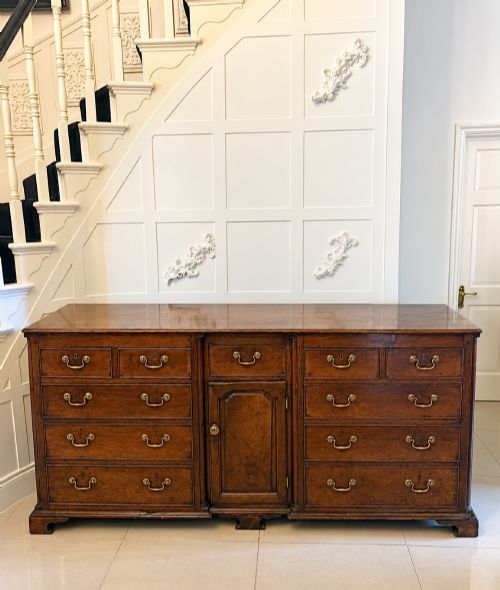
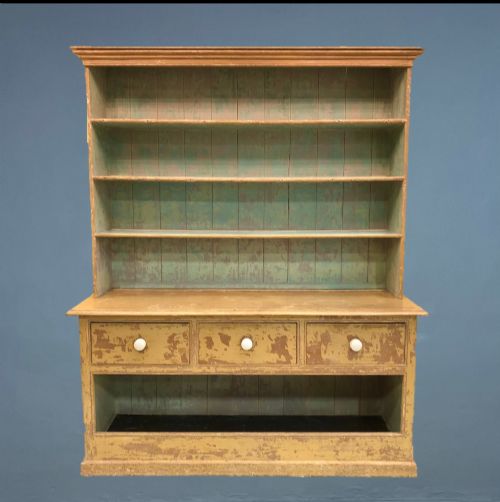
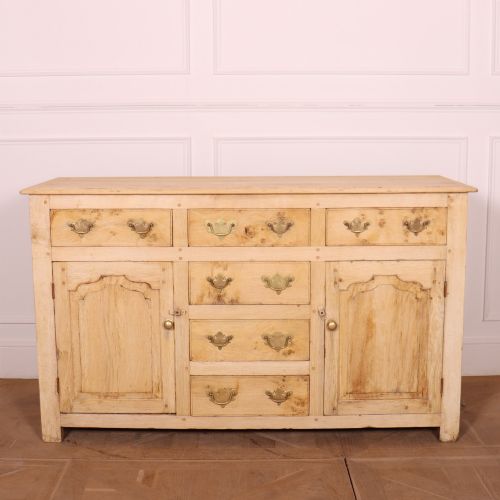
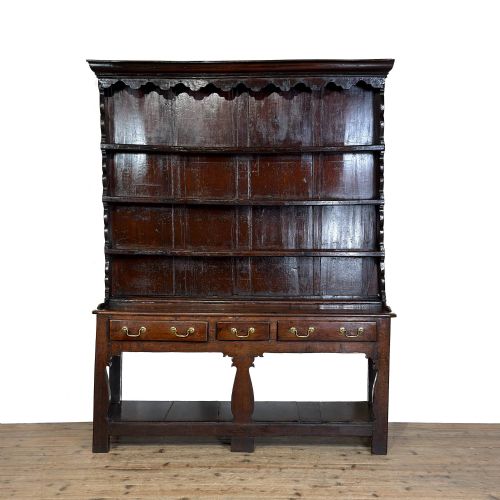
Lower bases range from open pot boards to breakfront drawers and enclosed cupboards. Upper sections feature open shelves, sometimes enclosed behind leaded glass or glazed doors depending on the Victorian or Edwardian period of manufacture.
Judging the range of quality
The standard of craftsmanship shows in the selection of native timber and the crispness of geometric or floral carvings. Superior examples display harmonious proportions between the upper plate rack and the heavy timber base.
Detailing such as mahogany crossbanding, intact brass handles, and well-fitted cupboard doors elevate a piece above utilitarian farmhouse storage. The integration of upper racks with lower base cabinets determines the overall architectural balance.
Welsh Dresser with Cupboards Retail Price Guide 2026
Typical asking prices for welsh dresser with cupboards among the pieces listed under this phrase on Sellingantiques today, from the lower quarter to the upper quarter. They describe what is for sale here now, not the wider market.
Listings feature oak, pine, mahogany, and elm pieces spanning the eighteenth century through the Edwardian era.
The Welsh Dresser with Cupboards Glossary
- Pot board
- A low open shelf fitted between the lower legs of a dresser base, traditionally used for storing pots and pans. This platform sits near the floor and defines many regional vernacular designs.
- Crossbanding
- A decorative border technique where thin strips of veneer are laid across the grain of the primary wood. This method often frames drawer fronts on Georgian pieces.
- Breakfront
- A cabinet design where the central section projects forward from the flanking outer sections. This arrangement adds architectural depth to the lower cupboard base.
- Talwrn dresser
- A specific regional form of Welsh dresser associated with particular local building traditions. These variants highlight distinct local carpentry traits.
Welsh Dresser with Cupboards: Frequently Asked Questions
What is a welsh dresser with cupboards?
A welsh dresser with cupboards is a traditional furniture form featuring an open plate rack mounted above a lower storage base fitted with doors and drawers.
These pieces combine display and utility, serving as the main storage furniture in historic farmhouse kitchens and dining rooms.
How do you date an antique dresser?
Dating relies on examining the timber species, construction joints, hardware, and stylistic details like geometric carvings or crossbanding. Eighteenth-century examples often use solid native oak with hand-pegged joinery.
Later Victorian and Edwardian iterations introduce pine, tiger oak, and glazed doors, reflecting changing domestic fashions and industrial manufacturing methods.
Are dresser racks attached?
Many traditional examples are constructed as two-part pieces where the upper plate rack rests upon or bolts securely to the lower base cabinet. This two-part build helped cabinetmakers transport heavy timber furniture into rural homes.
Checking the intersection between rack and base reveals whether the upper section belongs to the original construction.
Where were these dressers made?
These pieces originate from rural workshops across Wales and England, including North Wales, the West Country, and French provincial regions. Local cabinetmakers utilised whatever native timber was locally abundant, such as oak, elm, or pine.
Regional characteristics often appear in the moulding profiles, foot styles, and arrangement of cupboard doors.