




Welsh Dresser Shelves
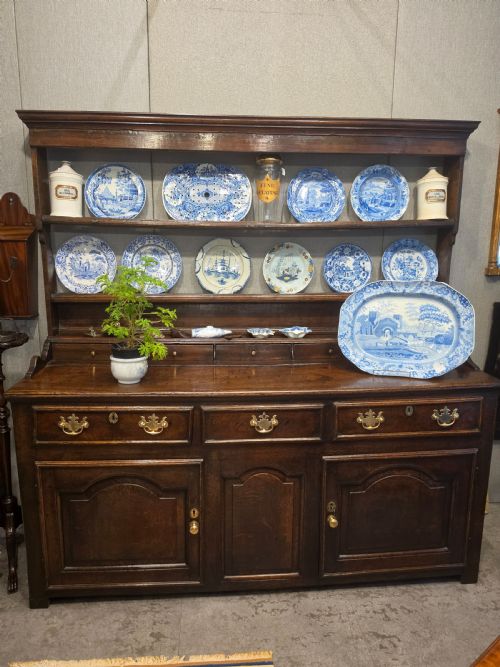
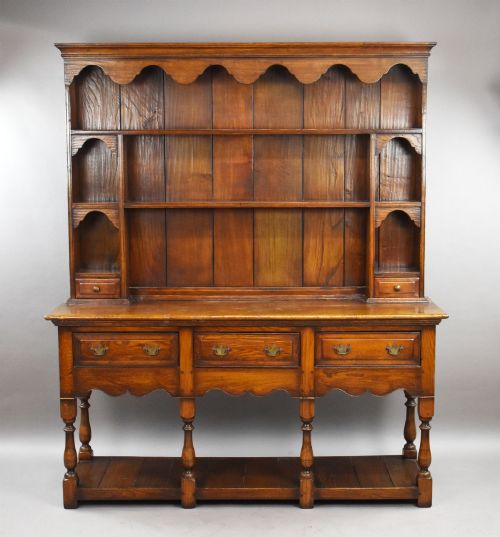
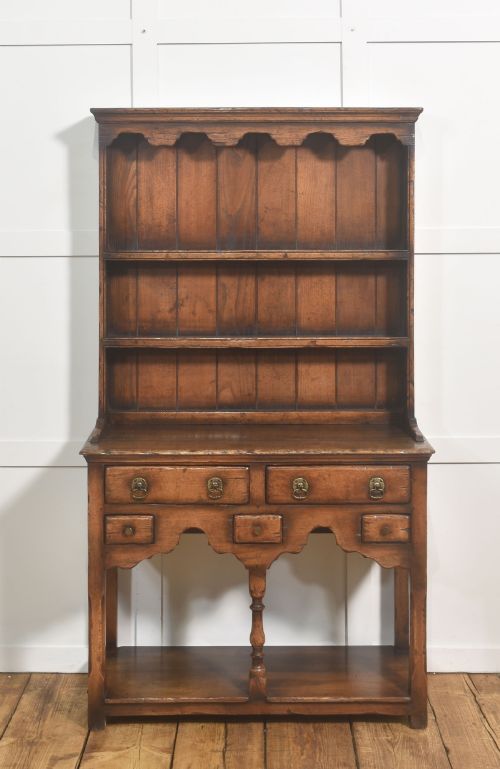
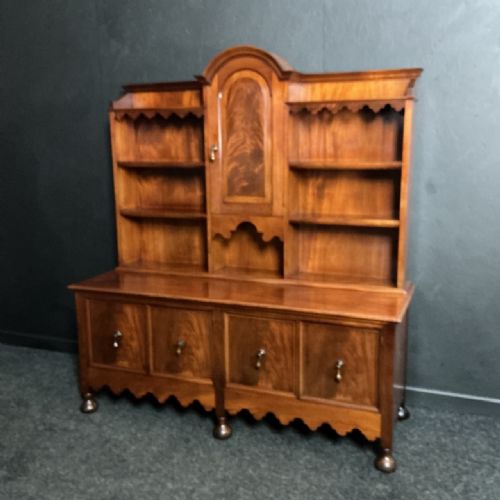
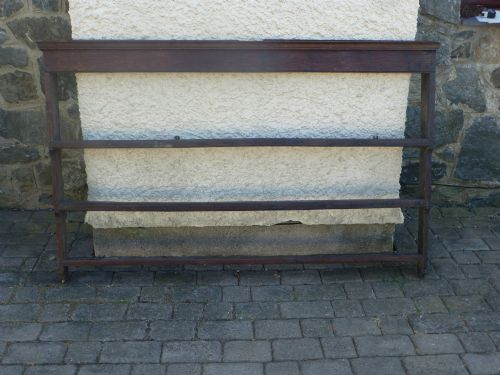
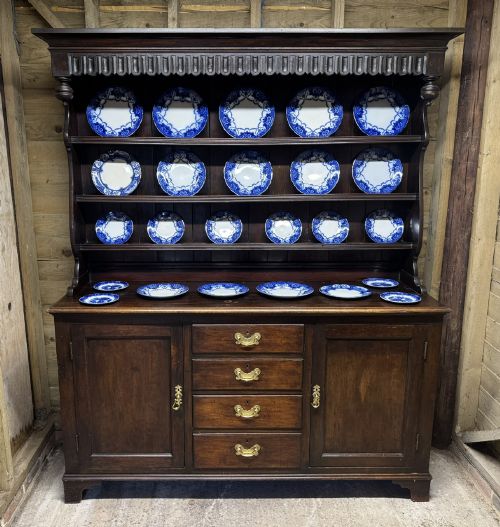
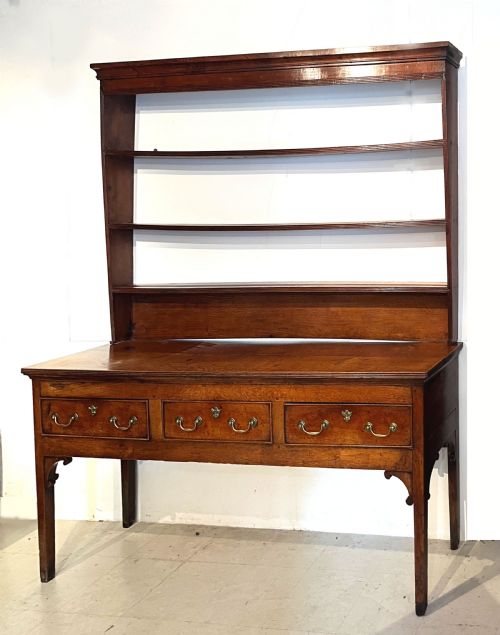
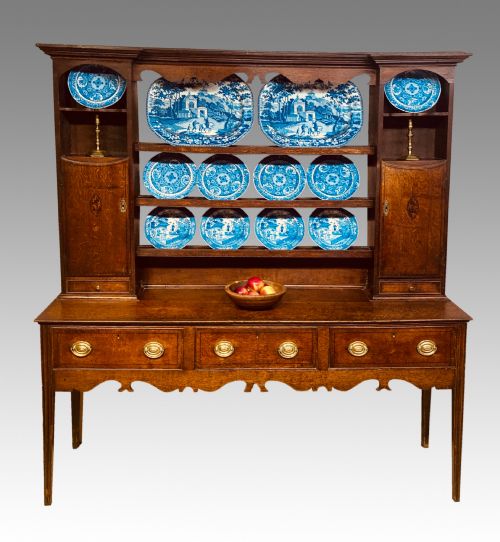
Welsh dresser shelves are traditional timber display racks designed to mount above a base cabinet or stand alone against a wall.
Welsh Dresser Shelves
When you search for welsh dresser shelves, you encounter upper rack structures designed to display ceramic plates, platters and kitchenware. These pieces emerge from periods spanning the eighteenth century through to the Edwardian era, with Georgian and Victorian examples appearing frequently.
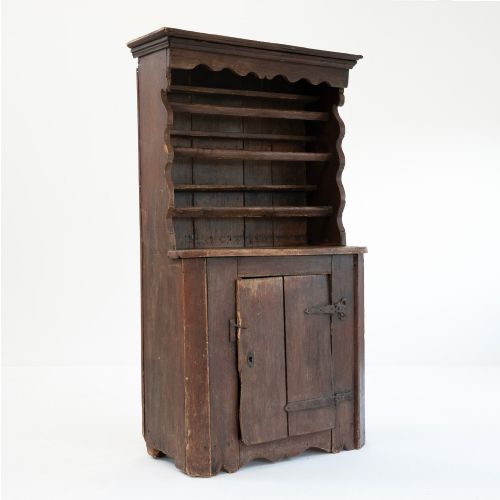
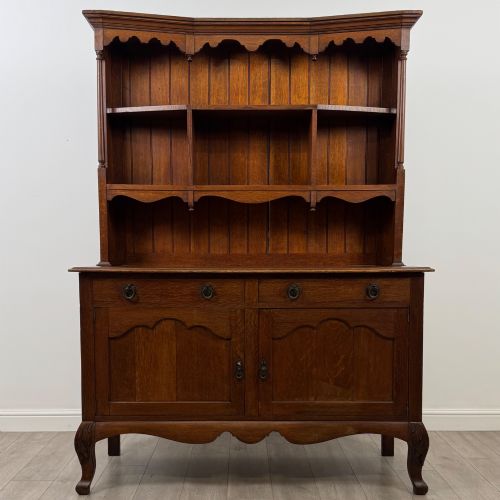
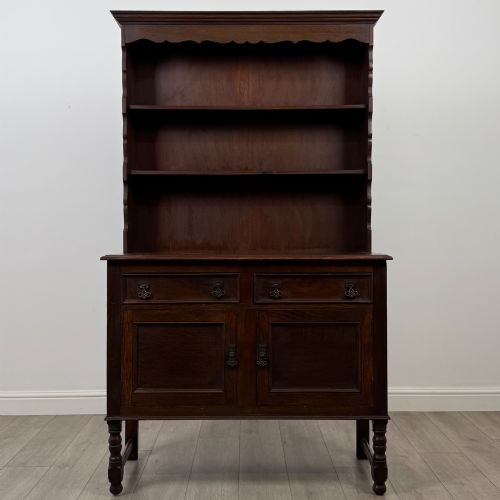
The inventory on this page demonstrates various regional country styles, including English, Irish, and Welsh country traditions. Most examples utilise oak, pine or mahogany, often retaining their original plate grooves and upright display boards.
Forms range from simple open shelving units to two-part dressers complete with hanging hooks and boarded backs. Buyers often find pieces described as plate racks or upper dresser sections designed to hold household crockery.
How they were made
Cabinet makers constructed these racks predominantly using native timbers such as oak, pine and elm, assembled with traditional jointing methods. Workshops incorporated backboards of vertical planking, fixed securely to support the weight of heavy earthenware and delftware.
Surfaces frequently feature hand-planed finishes alongside shaped friezes and moulded cornices. Selected pieces integrate turned wooden pegs or wrought iron hooks beneath the lower shelf for hanging jugs and mugs.
Welsh Dresser Shelves Retail Price Guide 2026
Typical asking prices for welsh dresser shelves among the pieces listed under this phrase on Sellingantiques today, from the lower quarter to the upper quarter. They describe what is for sale here now, not the wider market.
Several racks retain original rows of wooden pegs, ready to hold the morning mugs just as they did centuries ago.
What varies in quality
The standard of timber selection and the sophistication of joinery define the upper tier of these pieces. Grain definition in quartersawn oak or figured mahogany elevates an otherwise utilitarian kitchen fixture.
Proportion and architectural detailing also determine distinction. Cabinets featuring fielded panel backs, stepped cornices and well-carved friezes separate standard provincial joinery from finer regional workshop production.
The Welsh Dresser Shelves Glossary
- Plate rack
- An open shelving structure featuring grooved plate rails designed to hold ceramic dishes upright against a backboard.
- Potboard
- The lower open shelf positioned near the floor on traditional dressers, historically used for storing heavy pots and pans.
- Cornice
- The moulded horizontal projection that crowns the top of a dresser rack or upper bookcase.
- Frieze
- The flat or decorated horizontal band situated immediately beneath the cornice of the upper rack.
- Delftware
- Tin-glazed earthenware commonly displayed upon eighteenth-century kitchen and dining room dresser shelves.
Welsh Dresser Shelves: Frequently Asked Questions
How do I hang a plate rack securely?
Wall-mounted racks require direct fixing into structural wall studs or solid masonry using appropriate heavy-duty brackets.
Because loaded shelves carry considerable weight from crockery, professional installation ensures the structure remains stable against the wall.
What is the difference between a plate rack and a dresser?
A plate rack consists solely of the upper shelving component meant for wall hanging or sitting on a countertop.
A full dresser includes both the upper shelving rack and the lower base cabinet with drawers and cupboards.
Can these shelves support heavy ceramics?
Traditional construction methods utilise solid timber backboards and sturdy side supports designed to bear the weight of heavy earthenware.
However, checking the condition of the historical fixings and shelf joints is advisable before loading heavy collections.
How do I date an oak plate rack?
Dating relies upon examining construction marks, timber species, tool evidence, and overall design proportions.
Eighteenth-century examples often display hand-sawn board marks and pegged joinery, whereas later revival pieces show more uniform machine milling.