


Welsh Coastal Landscape
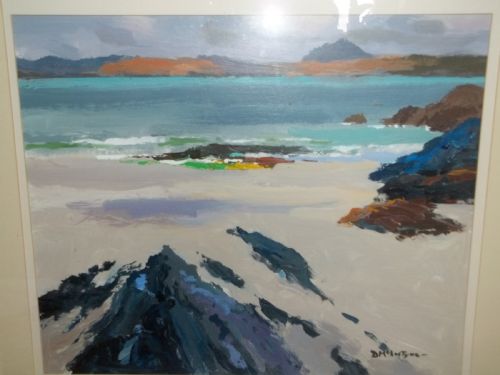
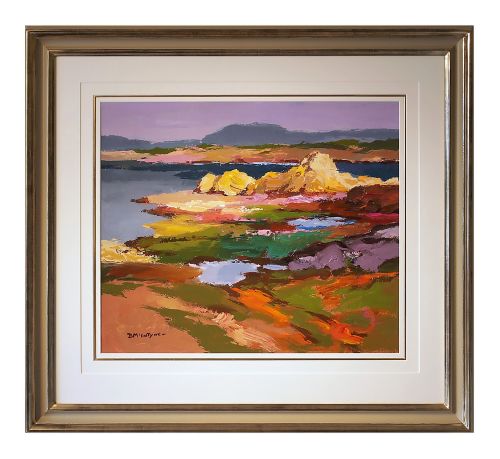
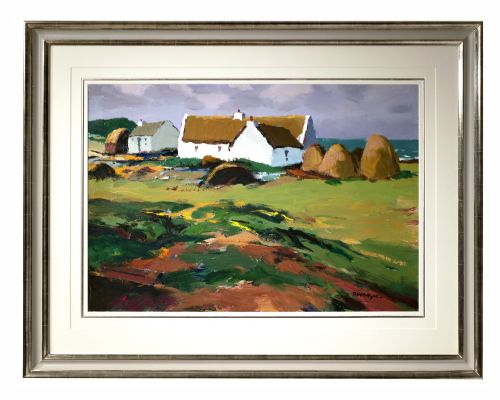
These pieces capture a welsh coastal landscape through oil paint and watercolour, offering a direct view of maritime heritage.
Welsh Coastal Landscape
A welsh coastal landscape typically depicts shores, bays, and castles rendered in oil paint, canvas, or watercolour on paper. These original works span the Victorian period through to the mid twentieth century, capturing regional waters and harbours.
Buyers encounter oil paintings and watercolours that reflect specific locations such as Cardigan Bay, Conwy Castle, and Pembrokeshire beaches. The selection ranges from late nineteenth-century watercolours to mid-century modern oil paintings on board or canvas.
Works from the mid-twentieth-century British school sit alongside Victorian examples, showing shifts in palette and brushwork over time. Canvas and board dominate the later oil works, while paper supports the earlier watercolours.
Materials and methods
Artists applied oil paint and watercolour across varied supports including canvas, board, and heavy paper. Framed pieces frequently utilise gesso mouldings to secure and finish the presentation.
Brushwork varies from the fluid washes characteristic of nineteenth-century watercolours to the heavier impasto seen in mid-century oil paintings. Pigments are handled directly on the support to capture light on water and sand.
Materials in these listings include oil paint, canvas, wood, paper, watercolour, and gesso.
Evaluating the works
Distinction lies in the artist's handling of coastal light and atmosphere, separating routine topographical views from works with stronger tonal depth. Compositional balance and the preservation of the original paint layer or watercolour wash dictate the piece's standing.
The integration of support materials, such as stable canvas versus vulnerable paper, influences the physical condition of the artwork over time.
Donald McIntyre·Herbert Royle·Willie Stephenson·Clarence Woodburn·Thomas Swift Hutton·Charles France·Carleton Grant
The Welsh Coastal Landscape Glossary
- Gesso
- A plaster-like mixture applied to wood frames to provide a smooth surface for gilding or painting. It creates the decorative relief found on period framing.
- Impasto
- Paint applied thickly to a canvas or board, standing out from the surface so that brush or palette knife marks remain visible. This technique adds literal texture to the scene.
- Watercolour
- Pigments suspended in a water-based, translucent solution, traditionally painted on paper. It allows for delicate washes of light and colour.
- Impressionism
- A style of painting emphasising light and its changing qualities rather than precise detail. Artists use small, thin brush strokes to capture the visual impression of a moment.
Welsh Coastal Landscape: Frequently Asked Questions
What periods do these paintings cover?
The selections span from the Victorian era and the late nineteenth century through to mid-century modern movements of the nineteen fifties and sixties.
Works from each decade demonstrate distinct shifts in regional subject matter and painting technique.
How should I display a watercolour?
Watercolours on paper require framing behind protective glass and placement away from direct sunlight to prevent fading.
Keeping them in stable humidity conditions preserves the paper and the integrity of the pigments.
What is the difference between oil on canvas and oil on board?
Canvas provides a flexible woven textile support that often bears visible texture through the paint layers. Board offers a rigid wooden or composite surface that remains entirely flat.
Both methods were utilised across the nineteenth and twentieth centuries by British artists.
Are these works signed by the artists?
Many pieces originate from named painters working within specific British artistic traditions and regional locations. Attribution relies on signatures recorded on the surface or established provenance.
Documentation assists in connecting individual works to their period of creation.