



Welsh Arts and Crafts
Welsh arts and crafts pieces bring robust oak construction and utilitarian form into modern interiors.
Welsh Arts and Crafts
When buyers search for welsh arts and crafts, they encounter sturdy wooden furniture designed with simple lines and functional intent. The pieces recorded here span from the Victorian period through to the 1930s, reflecting an era of honest craft and utilitarian design.
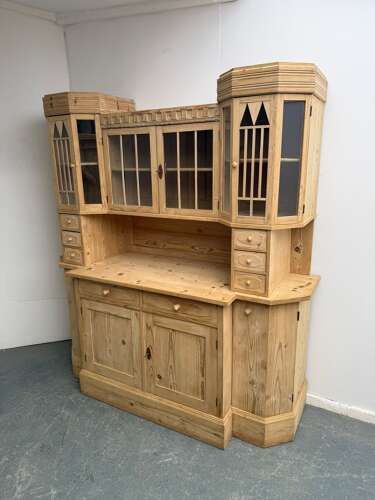
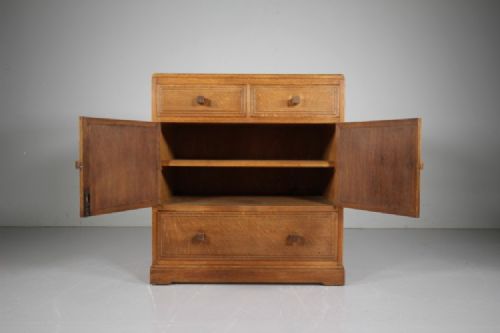
Kitchen dressers and oak bureaus dominate these listings, often featuring leaded glass doors or tiled backs alongside substantial storage space. Oak and pine serve as the primary woods, shaping practical items built for daily domestic life.
The version most commonly met on this page is the oak dresser, sometimes showing slim cottage proportions or maker labels. These items bridge traditional regional joinery with the broader aesthetic movements of the early twentieth century.
How They Were Made
Makers relied primarily on solid oak and pine, choosing timber for durability and straightforward grain patterns. Construction methods prioritised sturdy joints and practical utility over excessive ornamentation.
Details such as brass fittings, leaded glass panels, and ceramic tiles appear alongside iron hardware to complete the functional design. Surfaces were often left to natural wax finishes or prepared for painting.
The construction reflects regional workshop traditions combined with the principles of the wider movement, resulting in robust cabinets, dressers, and writing bureaus.
Welsh Arts and Crafts Retail Price Guide 2026
Typical asking prices for welsh arts and crafts among the pieces listed under this phrase on Sellingantiques today, from the lower quarter to the upper quarter. They describe what is for sale here now, not the wider market.
Listings span from the Victorian period through to 1930, utilising oak, pine, brass, and leaded glass.
What Varies in Quality
The distinction between standard items and superior examples rests upon the selection of timber and the precision of the joinery. Finer pieces demonstrate careful attention to proportions, particularly in slim cottage formats where balance is essential.
Original elements such as leaded glass doors, specific hardware, and maker labels elevate the interest of a piece. The integration of decorative tiles or specialised brasswork marks the distinction between basic utility furniture and more ambitious workshop production.
Bryn Mawr·Heals of London·Liberty and Co
The Welsh Arts and Crafts Glossary
- Kitchen Dresser
- A large storage item comprising base cupboards or drawers surmounted by open plate racks or enclosed shelving. These functional pieces formed the heart of the traditional domestic interior.
- Bureau
- A sloping desk lid opening to reveal internal compartments and pigeonholes, usually positioned above drawers. This form provided a dedicated writing space in the home.
- Leaded Glass
- Small panes of glass held together by strips of lead to form decorative windows within cabinet doors. This technique added pattern and texture to storage furniture.
- Jacobean Revival
- A decorative style referencing seventeenth-century motifs, often observed in the heavy turnings and panel details of later oak furniture. It imparted a sense of historical weight to Arts and Crafts pieces.
Welsh Arts and Crafts: Frequently Asked Questions
What is a welsh arts and crafts dresser?
A welsh arts and crafts dresser is a heavy timber storage unit, typically made of oak or pine, featuring shelving for crockery above a base of drawers and cupboards.
These pieces were designed for everyday utility in domestic kitchens and dining spaces, combining robust construction with the simplified aesthetics of the movement.
Where do leaded glass doors appear?
Leaded glass doors are integrated into the upper cabinets and display sections of dressers and storage cupboards.
This technique allows for partial visibility of interior contents while adding geometric or decorative pattern to the wooden facade.
How do I care for antique oak furniture?
Antique oak furniture benefits from regular dusting with a soft cloth and occasional application of traditional beeswax to nourish the timber.
Keeping pieces away from direct heat sources and drastic humidity changes prevents the wood from drying out or splitting over time.