






Welsh Bench
A welsh antique bench brings solid timber, vernacular craftsmanship and centuries of domestic history straight into a room.
Welsh Bench
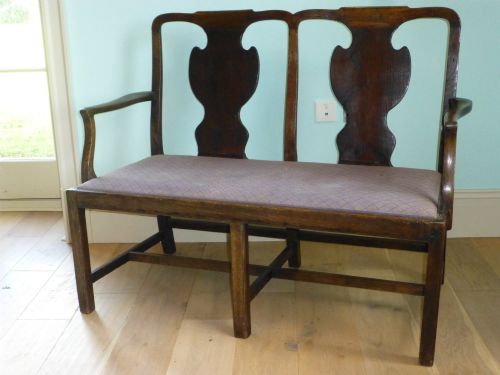
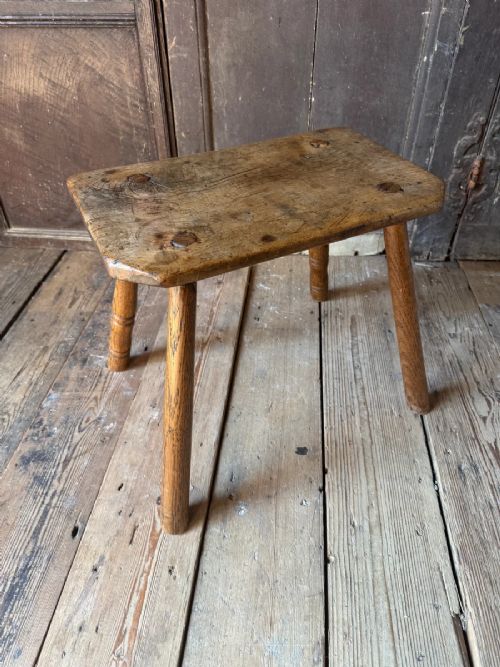
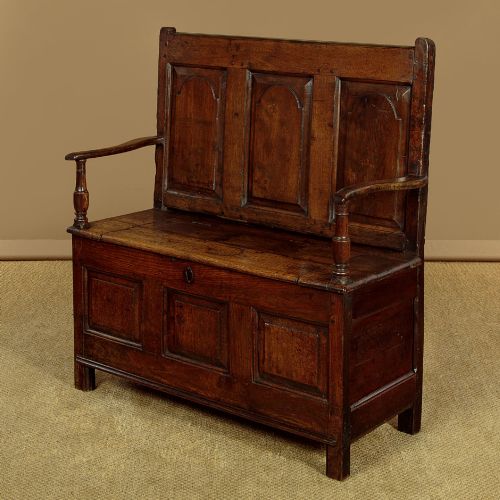
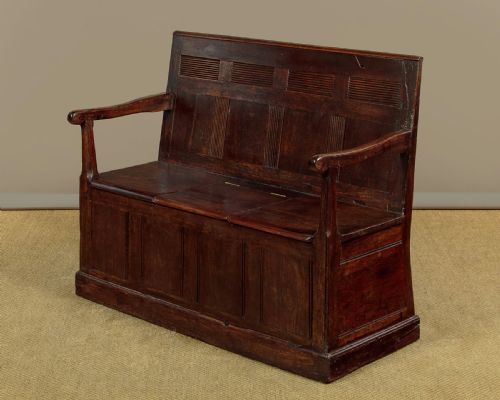
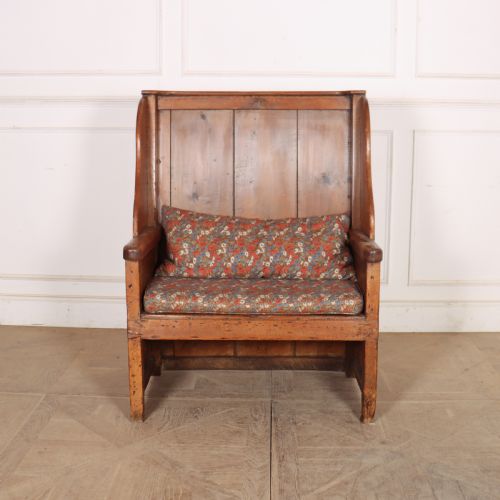
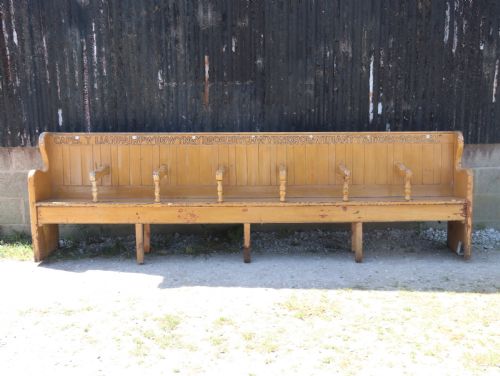
When you search for a welsh antique bench, you encounter robust seating shaped by local carpenters using native woods like oak, pine, sycamore and ash. These pieces range from high-back settles and box settles designed to shield occupants from drafts to long tavern benches and simple stools.
You are most likely to meet 18th century and 19th century examples on this page, often showing regional country styles such as Welsh vernacular or rustic farmhouse. Forms vary from small box settles with integrated storage to expansive refectory tavern benches built for communal spaces.
How they were made
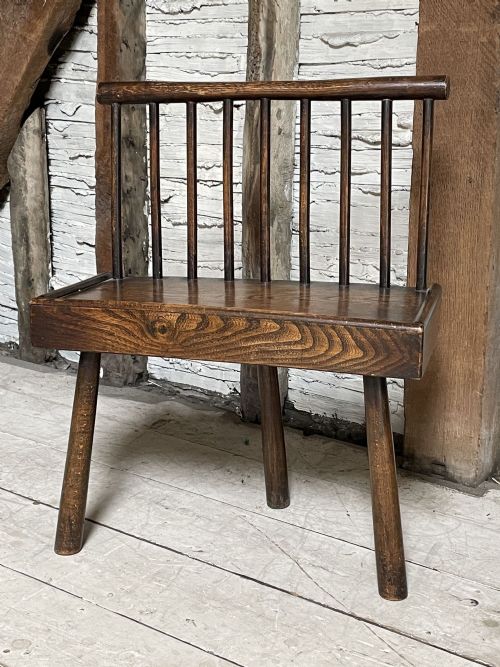
Joinery relied heavily on solid oak and pine planks, sometimes assembled using traditional six-plank construction or pegging without modern metal fasteners. Sycamore and ash frequently appeared in smaller seating items like stools and stickback country chairs.
Surfaces were either left as bare timber to age with natural patination or treated with an original painted finish, as seen on certain pine tavern and chapel benches.
Welsh Bench Retail Price Guide 2026
Typical asking prices for welsh bench among the pieces listed under this phrase on Sellingantiques today, from the lower quarter to the upper quarter. They describe what is for sale here now, not the wider market.
Several benches carry specific provenance, including one marked for use at the chapel in Llanfair.
What varies in quality
The distinction between standard utility items and finer examples rests in the proportion of the timber, the integrity of the original construction and the survival of untouched surfaces. Early pieces showing original painted finishes or untouched patinated oak sit higher in the range than heavily altered items.
Proportion and scale also dictate distinction, particularly when dealing with exceptionally long tavern benches or high-back settles that retain their structural balance and original joinery without excessive timber replacement.
The Welsh Bench Glossary
- Settle
- A wooden wooden bench with a high back, solid arms and often a box compartment beneath the seat for storage. It was traditionally placed near the hearth to keep out draughts.
- Vernacular
- Architecture or furniture built by local craftsmen using traditional regional methods and native materials, rather than following formal academic architectural orders.
- Refectory table bench
- A long, narrow bench designed to sit alongside a communal dining table in halls, taverns or institutions.
- Six-plank chest
- An early form of storage box or chest constructed from six principal boards joined at the edges, often associated with sixteenth century joinery.
- Stickback
- A chair or bench construction where turned spindles or sticks are inserted directly into a solid seat slab and connected to a bentwood or carved crest rail.
Welsh Bench: Frequently Asked Questions
What is a Welsh box settle?
A Welsh box settle is a high-backed wooden bench featuring an enclosed storage compartment beneath the seat. The high back and solid wings were originally designed to block cold drafts in rural homes.
These pieces combined seating with practical domestic storage for blankets or household goods, remaining central to country living for centuries.
How do I date an old wooden bench?
Dating relies on observing construction methods, tool marks, timber species and overall style. Pegged joinery, hand-riven boards and early surface patination typically indicate greater age.
Comparing the proportions and vernacular details against documented pieces from periods like the seventeenth or eighteenth century helps narrow down the origin.
Where were these benches used originally?
These benches served in a variety of settings including farmhouses, rural cottages, local taverns and chapels. Long forms were built for communal dining tables.
Shorter box settles and high-backed seats stood beside the hearth in domestic kitchens to provide shelter from cold stone floors and draughty walls.
Are painted finishes on old benches original?
Some pieces retain original painted finishes applied during their working life, such as those found on nineteenth century pine chapel benches or tavern seating. An authentic old painted surface shows natural wear, craquelure and layers that match the age of the timber underneath.
Evaluating the paint requires looking for consistent wear patterns and appropriate pigment types that align with the recorded period.