




Weathered Iron Outdoor Bench
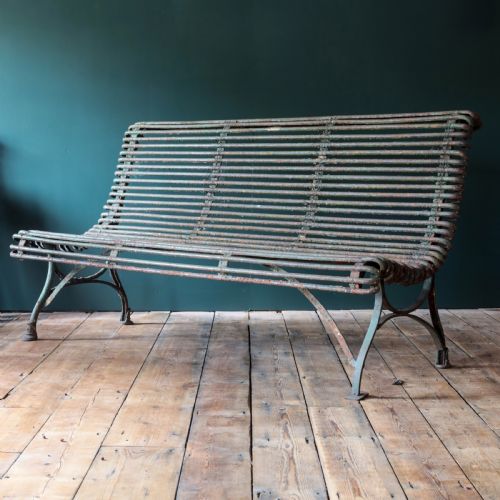
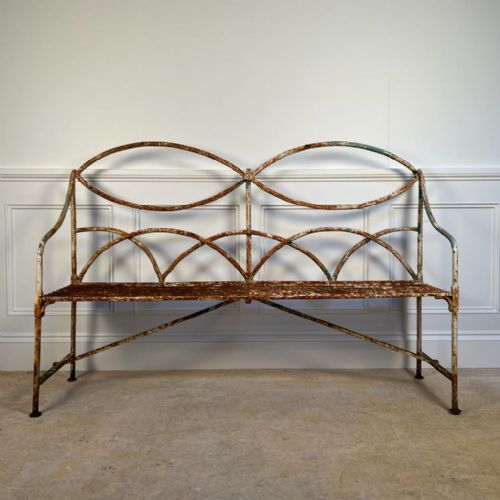
A weathered iron outdoor bench brings enduring structure and patinated character to a lawn or terrace.
Weathered Iron Outdoor Bench
A weathered iron outdoor bench provides a durable garden seat formed from heavy metal frameworks designed to withstand the elements. When searching for a weathered iron outdoor bench, buyers encounter robust garden furniture ranging from simple strapwork designs to ornate Gothic creations.
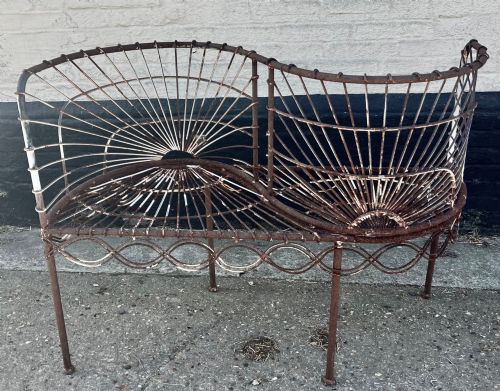
The pieces listed on this page span several distinct periods including the Victorian era, Regency period, and the twentieth century up to nineteen forty. Forms vary from single garden seats and conversation pieces to pairs of benches and French conservatory settings.
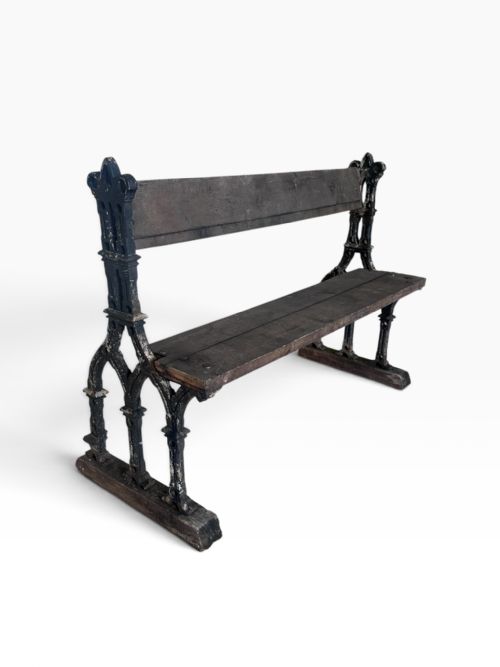
Victorian and nineteenth-century examples dominate the selection, often combining cast iron with wooden slats or featuring scrollwork and layers of original paint. French country and Gothic styles also appear among these outdoor seats, offering varied silhouettes for lawns and patios.
How these benches were made
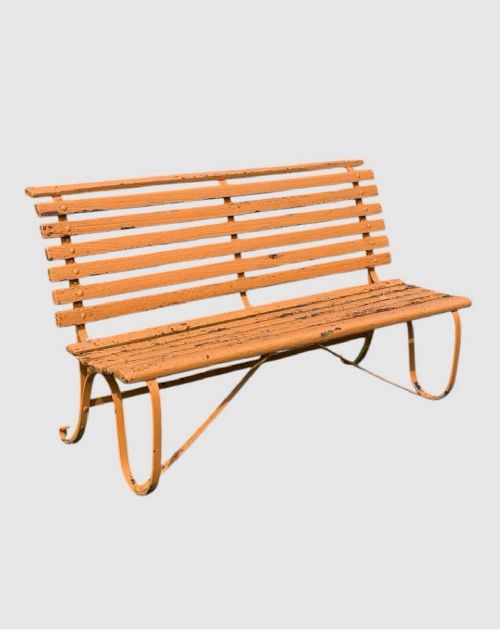
Makers utilised durable metals such as cast iron, wrought iron, and steel to construct the structural frames and decorative scrollwork of these garden seats. Many examples incorporate timber or wood slats alongside the iron framework to form the actual seating surface.
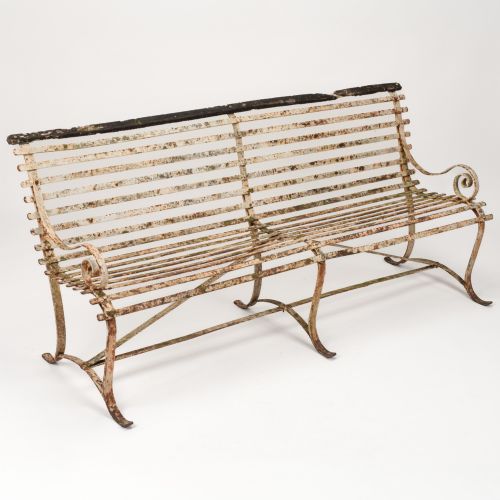
Surface finish is integral to the construction, with pieces frequently displaying layers of original paint applied over decades of exposure to the weather. Wrought iron strapwork techniques appear in earlier Regency pieces, while Victorian items often rely on intricate cast iron moulding.
The site listings feature materials spanning cast iron, wrought iron, steel, timber, and paint across Victorian, Regency, and mid-twentieth-century eras.
What varies in quality
Quality in a weathered iron outdoor bench rests upon the complexity of the casting and the integrity of the original materials. Ornate Victorian Gothic ornamentation and early Regency wrought iron strapwork represent higher degrees of design ambition than plain utility forms.
The survival of original paint layers and authentic weathering adds depth to a piece, distinguishing untouched surfaces from later repainting. Structural harmony between the iron framework and integrated timber elements also dictates the overall standard of the bench.
The Weathered Iron Outdoor Bench Glossary
- Cast iron
- A strong, hard iron alloy poured into moulds to create decorative patterns and structural bench ends. It allows for intricate Victorian scrollwork and relief details.
- Wrought iron
- Tough, malleable iron beaten or bent into shape by hand, frequently utilised for linear strapwork and scroll benches. It offers distinct flexibility compared to brittle cast metal.
- Strapwork
- Flat bands of metal interlaced or arranged in geometric patterns across the backrest or seat. This technique defines many Regency and nineteenth-century designs.
- Victorian Gothic
- A nineteenth-century style drawing inspiration from medieval architecture, featuring pointed arches and architectural tracery in the ironwork. It imparts a formal ecclesiastical character to garden seats.
Weathered Iron Outdoor Bench: Frequently Asked Questions
How do I care for a weathered iron outdoor bench?
These benches tolerate outdoor conditions well due to their heavy metal construction and protective layers of historic paint. Periodic cleaning with mild water helps remove debris without disturbing the patinated surface.
During harsh winter months, moving timber-slatted versions under shelter protects the organic elements from excessive moisture. Leaving the iron framework exposed allows the natural weathering process to continue safely.
Can I leave my iron bench outside all year?
Iron garden seats are engineered to remain outdoors throughout the changing seasons and withstand typical weather exposure. The durable nature of cast and wrought iron ensures structural stability against wind and rain.
Protecting any integrated wooden components from standing water extends the lifespan of mixed-material pieces. Checking the ground stability prevents settling into soft soil during wet winter periods.
How do I identify a Victorian iron garden bench?
Victorian pieces often display characteristic heavy casting, botanical motifs, or structured Gothic architectural elements within the backrest. The weight and rigidity of the iron frame typically point towards nineteenth-century production methods.
Comparing the scrollwork patterns and fastener types against known period examples helps confirm the manufacturing era. Surviving layers of early green or neutral paint often corroborate nineteenth-century origins.
What is the difference between cast iron and wrought iron benches?
Cast iron involves pouring molten metal into a mould, resulting in rigid, highly ornate components with detailed relief patterns. This method suits decorative bench ends and intricate backrest panels.
Wrought iron is worked manually into linear straps and scrolls, offering greater flexibility and a lighter visual profile. Strapwork garden benches from the Regency period frequently utilise this tougher, fibrous material.