


French Style Garden Seat
These French style garden seat pieces bring enduring outdoor character to a terrace, combining wirework and cast iron forms that collectors prize for patios.
French Style Garden Seat
When you search for a french style garden seat, you encounter an array of outdoor furniture spanning periods from the early nineteenth century through to the interwar decades. The selection encompasses benches, bistro sets, daybeds, and arbours designed for domestic gardens and terraces.
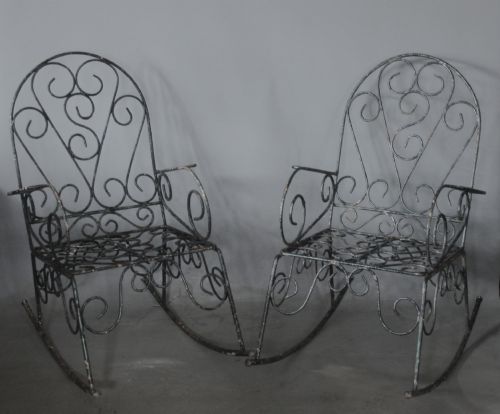
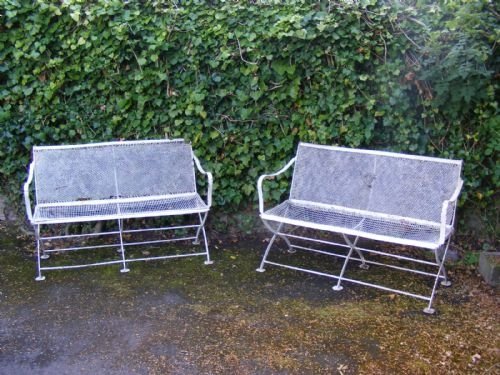
The forms range from simple garden benches and rocking chairs to elaborate wirework arbours and marble topped dining sets. Each item embodies the characteristic aesthetic of continental outdoor living adapted for British gardens.
How They Were Made
Maker construction relies heavily on durable metals such as wrought iron, steel wire, and cast iron to withstand outdoor exposure. Artisans shaped these robust materials into intricate scrollwork, supportive frames, and sturdy structural supports.
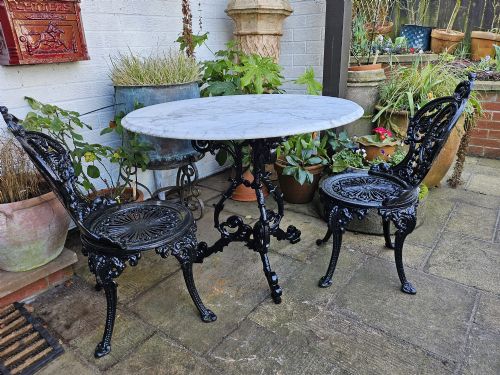
Surface finishes typically involve applied paint to protect the underlying metal from weathering over decades of use. Certain pieces incorporate contrasting elements like heavy marble tops or upholstered fabric components for added utility.
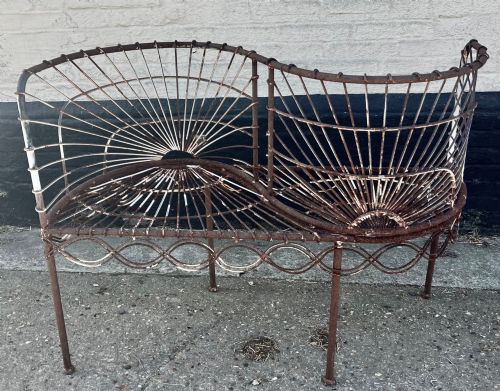
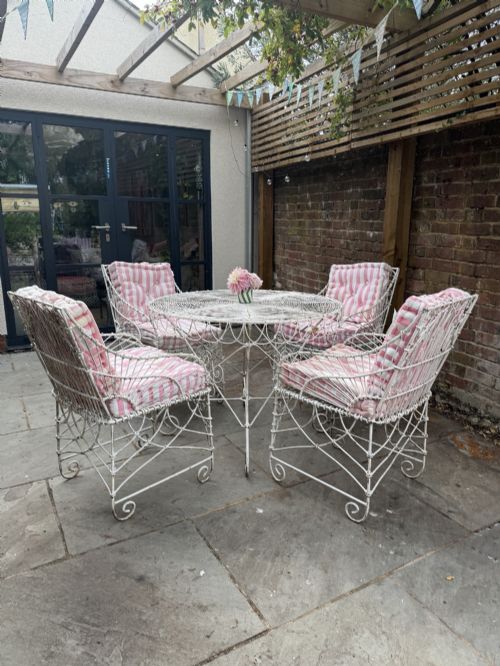
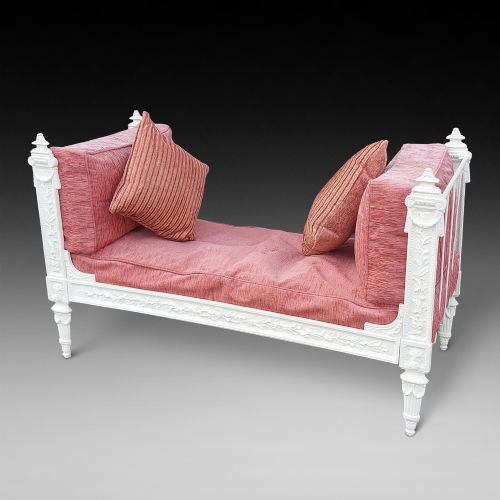
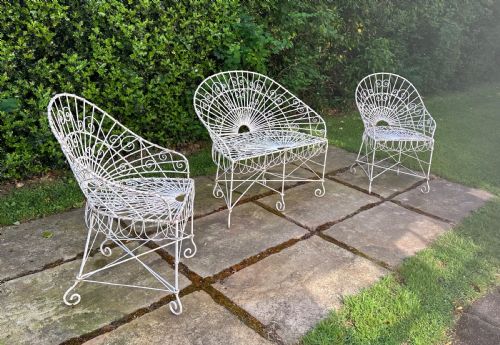
Wirework techniques allow for airy, architectural structures such as arbours and intricate seating frames that remain resilient. Cast iron components provide weight and detailed ornamentation, particularly visible on daybeds and bench ends.
Listings feature items spanning the nineteenth century through the 1930s, utilising cast iron, wrought iron, and wire.
What Varies in Quality
Distinctions across the range depend on the finesse of the metal manipulation and the complexity of the original design. Heavier cast components and more intricate wirework demonstrate superior craftsmanship compared to simpler utilitarian examples.
The integrity of the original material structure and the retention of early painted surfaces dictate the standing of a piece. Items retaining their heavy marble inserts or matching ensemble pieces command greater attention from discerning collectors.
The French Style Garden Seat Glossary
- Wirework
- Metal construction utilising bent and welded wire to create lightweight, open structures. This technique defines many arbours and seating items from the late nineteenth century.
- Faux Bois
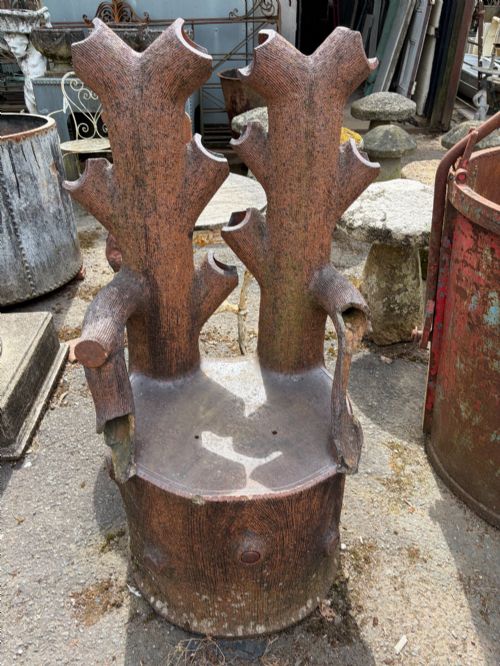
- An artistic imitation of wood grain applied to hard materials such as concrete or metal. This finish appears on specific Victorian seating to mimic natural timber.
- Cast Iron
- Molten iron poured into a mould to create complex decorative shapes and heavy structural parts. It provides the durable foundation for many traditional benches and daybeds.
- Regency Style
- An architectural and decorative aesthetic drawing on classical Greek and Roman motifs. Pieces bearing this designation display restrained elegance and formal symmetry.
French Style Garden Seat: Frequently Asked Questions
How do I care for my garden seat?
Keep metal furniture clean by gently removing dirt and debris with a soft brush during seasonal changes. Store sensitive items under cover or indoors during harsh winter weather to preserve the painted finish.
Inspect the surface periodically for signs of weathering and address exposed metal promptly with appropriate protective treatments. Avoid placing heavy pieces directly on damp earth to prevent unnecessary corrosion at the base.
Can these seats stay outside all year?
Most metal and wirework pieces tolerate outdoor conditions well due to their durable construction. However, extreme frost and persistent moisture will eventually test older painted surfaces and joints.
Move delicate items like marble topped tables or fabric cushioned daybeds into sheltered spaces during the colder months. Regular monitoring ensures the longevity of both the metalwork and any integrated decorative elements.
How do I identify a Victorian piece?
Victorian examples often feature heavy cast iron frames, faux bois finishes, or dense wirework configurations. Look for construction methods and material weights characteristic of nineteenth century manufacturing techniques.
Compare the overall design proportions and decorative motifs with documented pieces from the same era. Patina and surface wear accumulated over generations also offer clues to an item's age.
Are bistro sets suitable for small spaces?
Compact bistro tables and matching chairs fit easily onto modest balconies and small paved courtyards. Their open wire or light metal construction prevents them from visually dominating a confined garden area.
These flexible sets allow for simple rearrangement depending on your seating requirements. They provide functional dining space without cluttering the surrounding landscape.