


Weathered Garden Sculpture
Weathered garden sculpture brings classical form and age to a lawn or terrace through centuries of stone, cast iron and lead.
Weathered Garden Sculpture
Weathered garden sculpture encompasses ornamental figures, animals, and architectural pieces designed for exterior placement across multiple eras. These items bring classical motifs, animal guardians, and figurative subjects into outdoor spaces.
The pieces appearing on this page span from the eighteenth century through to the mid twentieth century, covering styles from neoclassical revival to rustic vernacular. Figures range from mythological subjects and allegorical representations of the seasons to domestic animals and pier finials.
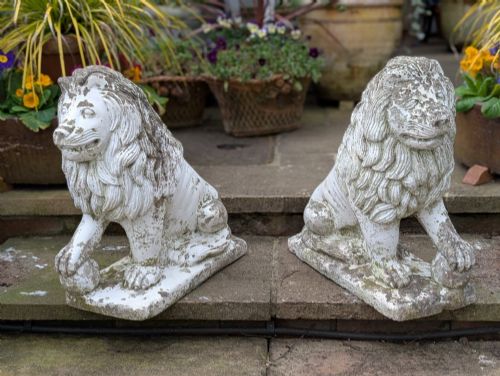
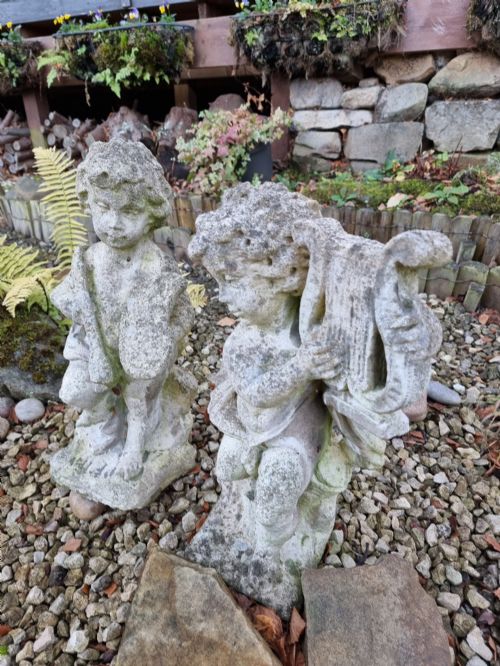
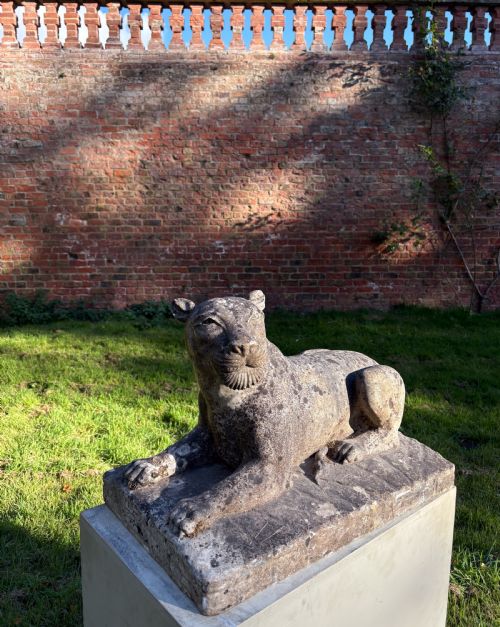
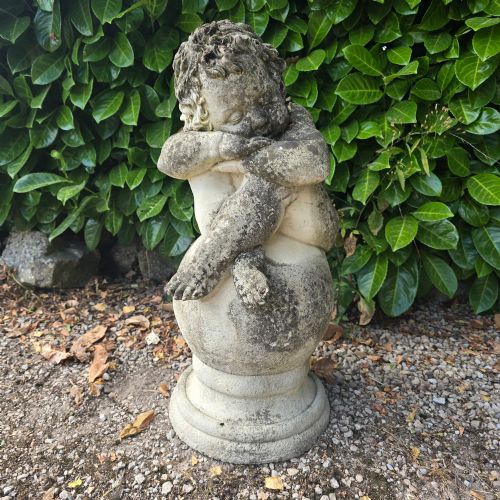
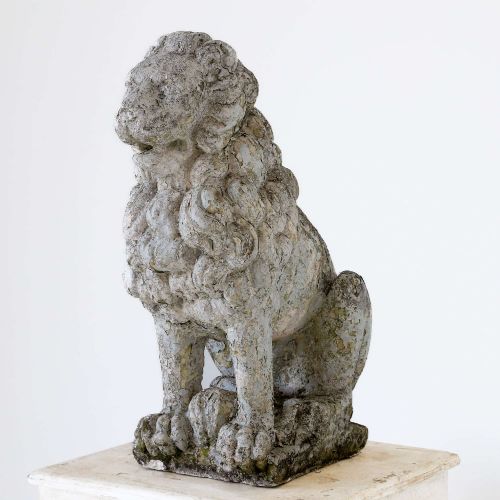
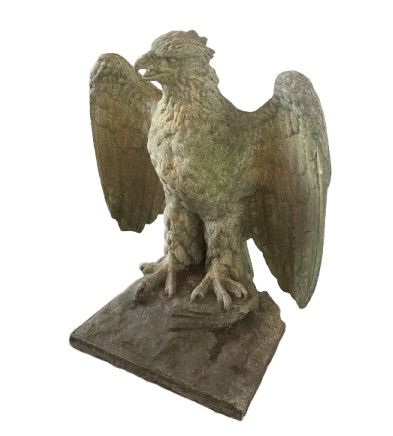
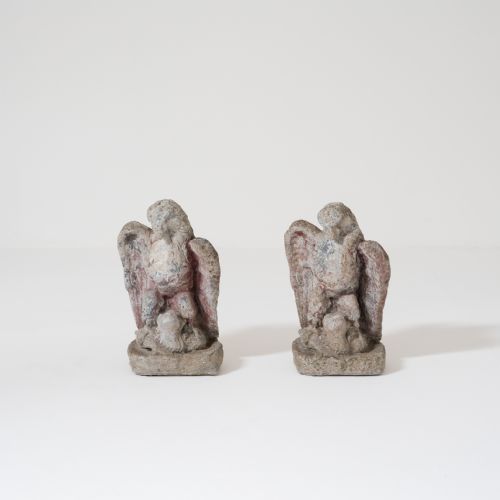
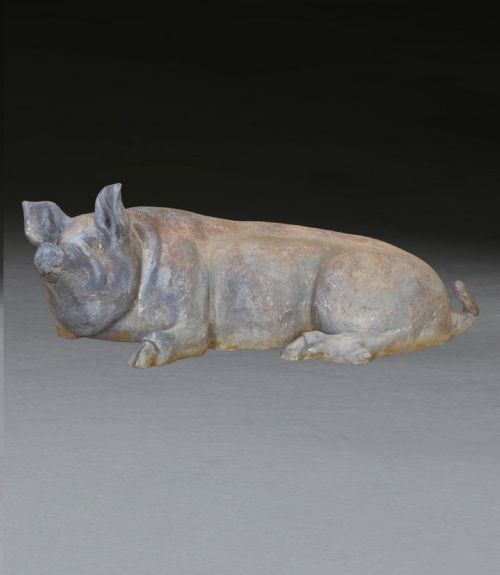
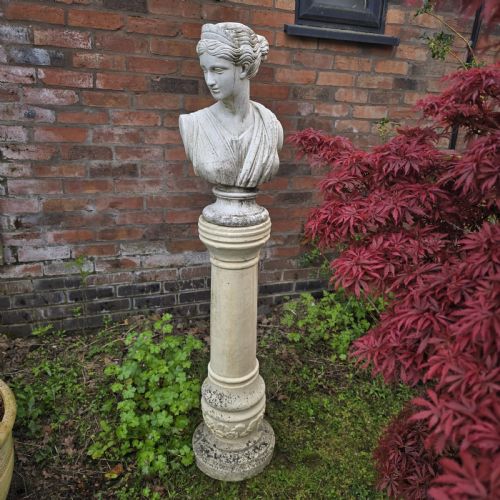
Buyers will encounter stone and cast composition statues frequently, often mounted upon pedestals or plinths. Animal figures such as lions, eagles, and pigs appear alongside human forms including cherubs, bathers, and classical busts.
Materials and casting methods
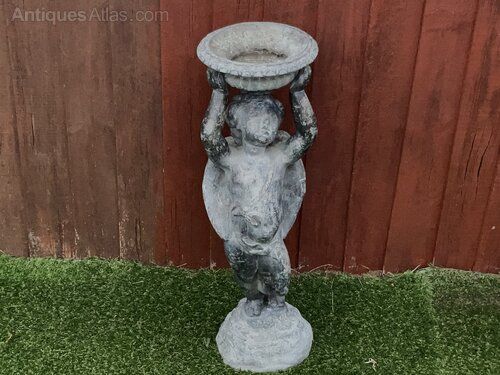
Construction relies heavily on durable materials suited to outdoor exposure, notably cast stone, reconstituted stone, and composite stone moulded into detailed forms. Iron and lead provide alternative media for figures and architectural elements like hitching posts and statuary.
Foundries and workshops utilised traditional casting techniques for metals, pouring iron and lead into moulds to achieve animal and human shapes. Stone pieces often retain traces of original paint or develop patination through long exposure to the elements.
Weathered Garden Sculpture Retail Price Guide 2026
Typical asking prices for weathered garden sculpture among the pieces listed under this phrase on Sellingantiques today, from the lower quarter to the upper quarter. They describe what is for sale here now, not the wider market.
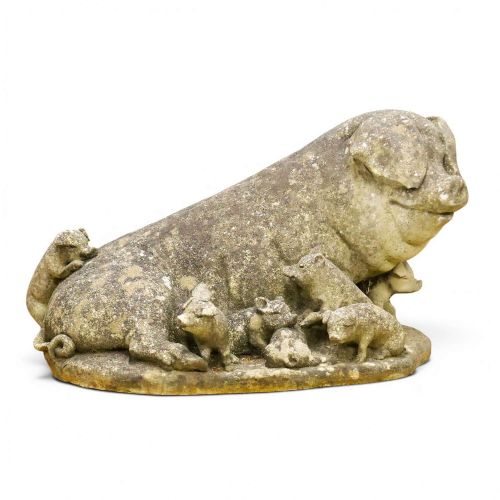
A cast stone sow accompanied by seven piglets brings farmyard charm to the garden alongside traditional lions and eagles.
Assessing quality and character
Quality in these sculptures rests upon the crispness of the original modelling and the anatomical accuracy of figurative and animal forms. Superior examples display careful attention to proportion, drapery, and facial expression even after decades of weathering.
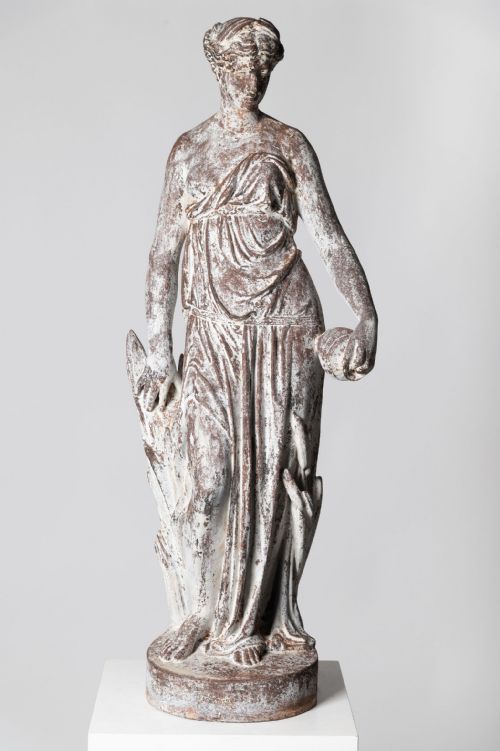
Val d Osne foundry
The Weathered Garden Sculpture Glossary
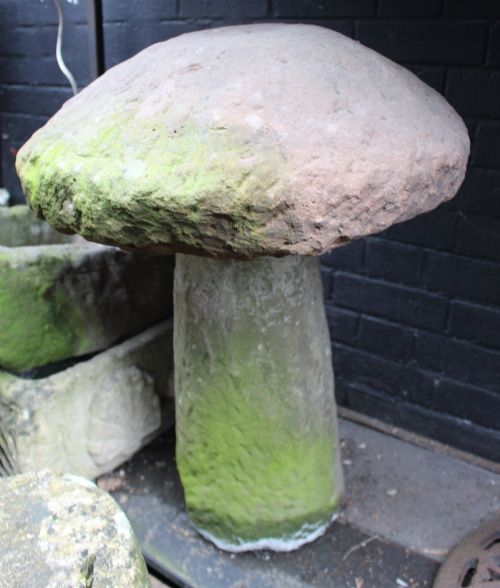
- Staddlestone
- A mushroom-shaped stone support formerly used to elevate granaries above the ground to deter vermin. These architectural remnants now serve as garden ornaments.
- Pier finial
- An ornamental architectural feature placed on top of a gate pier, wall, or post. Common motifs include eagles and lions.
- Cast stone
- A refined architectural concrete building product manufactured to mimic natural cut stone. It is used extensively for garden statues and ornaments.
- Patination
- The surface change and weathered ageing developed on stone, metal, or paint over time. This process enhances the visual character of outdoor antiques.
- Neoclassical
- A style reviving the classical art and architecture of ancient Greece and Rome. Many garden statues on this page draw directly from this tradition.
Weathered Garden Sculpture: Frequently Asked Questions
What periods do these garden sculptures come from?
The pieces span from the eighteenth century through the Victorian and Edwardian eras up to the mid twentieth century. Earlier items include eighteenth-century staddle stones and nineteenth-century cast iron works.
Later pieces from the 1920s, 1930s, and 1950s make up a substantial portion of the available selection, often utilising cast or composite stone.
How should I place heavy stone statues in a garden?
Heavy stone and cast composition sculptures require a stable, level foundation such as a paved patio, reinforced turf, or a dedicated stone plinth. Distributing the weight evenly prevents sinking into soil over time.
Many larger statues and animal figures are designed to pair with matching pedestals or plinths, which elevate the sculpture and protect the base from ground moisture.
How do I care for weathered outdoor sculpture?
Weathered outdoor sculptures require minimal maintenance, as the natural patination and accumulation of moss often add to their character. Gentle washing with water helps remove excess dirt without stripping the historic surface.
Protecting vulnerable lead or iron pieces from harsh chemical treatments preserves their original paint and metal surfaces through changing seasons.
What subjects are most common in these sculptures?
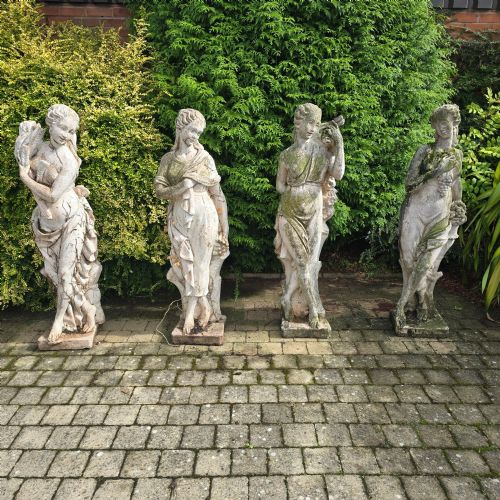
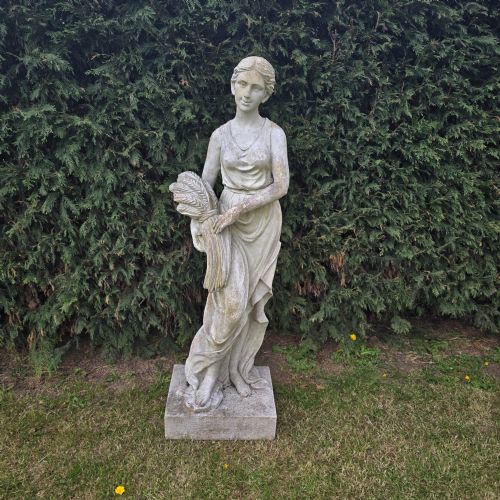
Common subjects include mythological figures, classical deities such as Apollo and Athena, and allegorical representations of the four seasons. Animal figures like lions, eagles, pigs, and stags also appear frequently.
Architectural ornaments such as pier finials, busts on plinths, and figurative bathers provide varied options for landscape placement.