

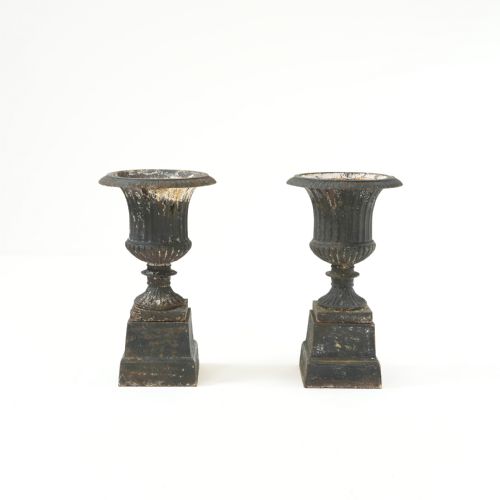


Weathered Garden Pots
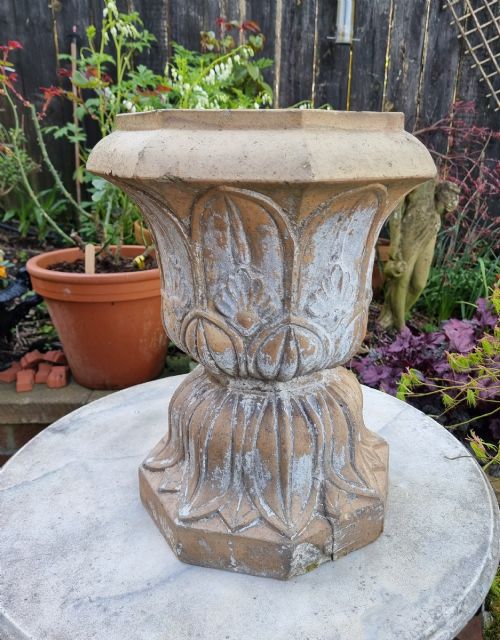
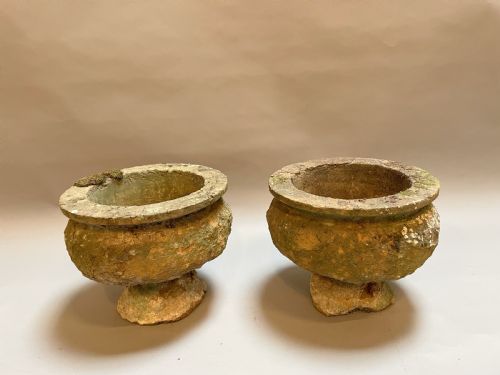
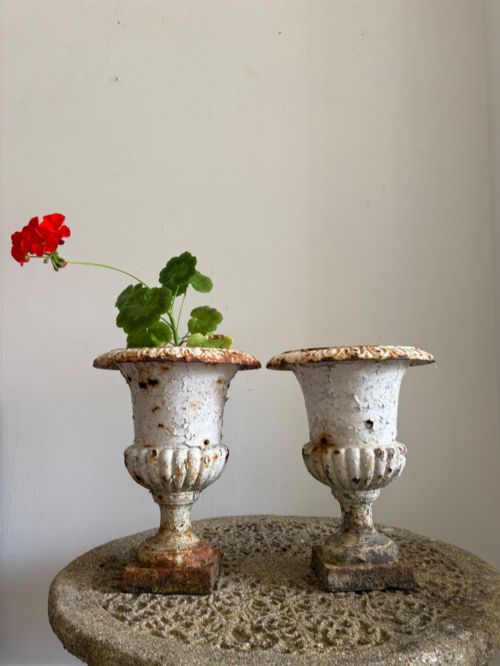
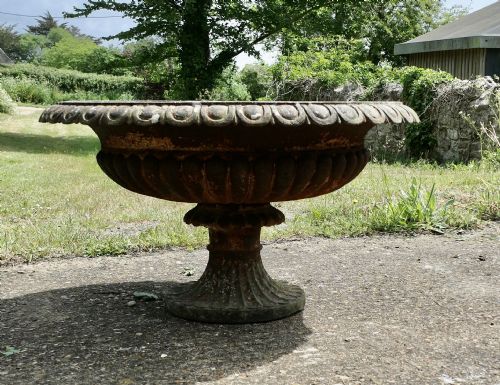
These weathered garden pots bring weight and texture to grounds and terraces, spanning heavy cast iron to porous terracotta.
Weathered Garden Pots
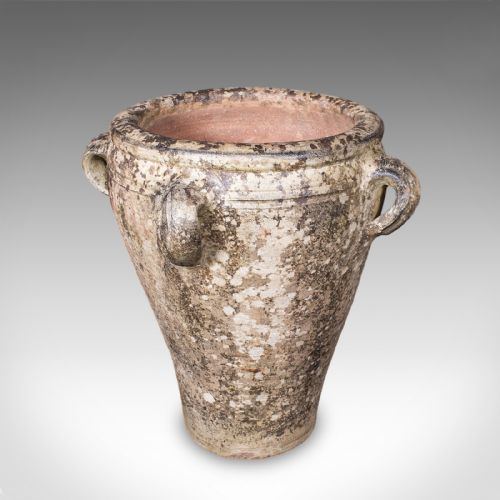
When you search for weathered garden pots, you encounter a diverse range of vessels designed to hold plants and ornament outdoor spaces. These include garden urns, planters, olive jars, and even repurposed chimney pots.
The pieces on this page lean heavily towards nineteenth century and Victorian origins, alongside early twentieth century examples. Terracotta and cast iron dominate the forms, supplemented by copper, zinc, stone, and clay.
Classical campana shapes and simpler round planters appear frequently alongside French country and rustic Mediterranean amphorae. Buyers select these containers to anchor planting schemes with authentic age and patina.
Materials and construction methods
Foundry cast iron pieces were poured into moulds to create crisp classical details like gadrooning and fluted bodies. Terracotta vessels were shaped from clay, sometimes fired in regional potteries, resulting in porous walls that absorb moisture and weather over decades.
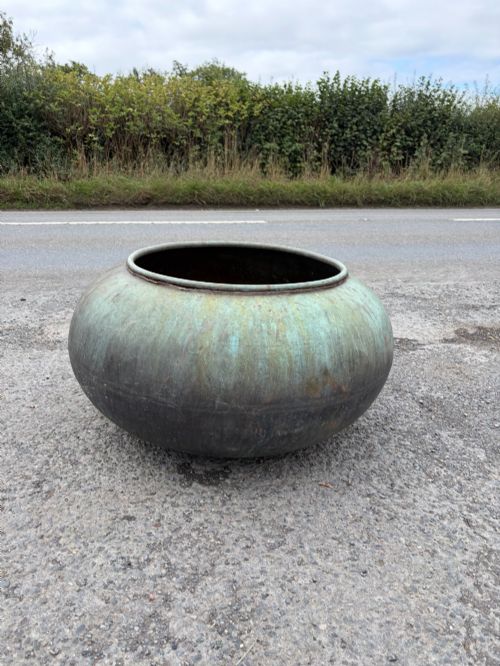
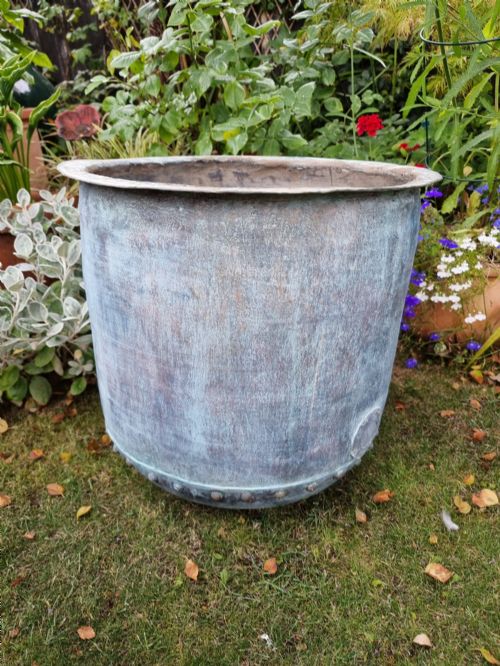
Metal vessels utilise sheet copper and zinc with riveted or soldered seams, often finished with painted surfaces or natural verdigris. Reconstituted and soft stone pots were carved or moulded from aggregates to emulate traditional masonry.
Weathered Garden Pots Retail Price Guide 2026
Typical asking prices for weathered garden pots among the pieces listed under this phrase on Sellingantiques today, from the lower quarter to the upper quarter. They describe what is for sale here now, not the wider market.
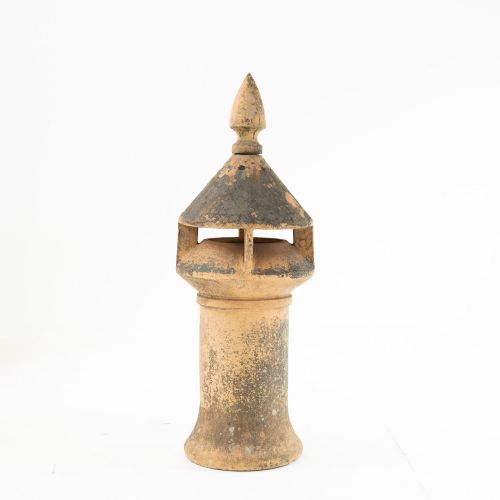
An eighteenth-century garden planter shares space with industrial chimney cowls, proving garden ornaments possess wonderfully eccentric lineages.
Evaluating quality and character
Quality rests in the crispness of the original moulding and the depth of the surface patina earned through exposure to the elements. Superior cast iron urns retain well-defined classical motifs beneath layers of original distressed paint or rust.
Terracotta standards depend on the purity of the clay and the stability of the walls after long exposure to frost and moisture. Heavier, well-balanced proportions and harmonious pairs command greater interest than ordinary utility vessels.
C. R. Stevens·Compton Pottery
The Weathered Garden Pots Glossary
- Campana urn
- A bell-shaped garden vessel with a flared rim, frequently mounted on a pedestal base. This classic form dates back to antiquity and remains popular in Victorian garden design.
- Terracotta
- Fired unglazed clay ranging in colour from buff to deep orange-red. The porous nature of the material allows plant roots to breathe while acquiring rich surface lichen over time.
- Verdigris
- A green patina formed naturally on copper or brass through atmospheric oxidation. This chemical weathering provides a protective layer and a distinct visual character.
- Gadrooned
- Decorated with a series of convex curves or flutes moulded into the body of an urn. This ornamental detail is common on classical revival iron and stone pieces.
- Chimney pot
- A cylindrical architectural element placed atop a flue, occasionally repurposed as a tall garden planter. Late Georgian and Victorian examples display remarkable variety in buff clay and terracotta.
Weathered Garden Pots: Frequently Asked Questions
Can terracotta garden pots stay outside in winter?
Porous terracotta absorbs moisture, which can expand during severe frosts and cause the clay to crack. Raising pots off the ground on pot feet helps drainage during colder months.
Storing sensitive pieces under cover during freezing weather preserves the material integrity and prevents surface spalling over time.
How do I secure heavy cast iron urns?
Cast iron urns and campana shapes possess considerable weight that usually keeps them stable on level patios or lawns. Using separate plinths elevates the planting height and adds further ballast.
For exceptionally tall or windswept locations, discreet dowels or masonry anchors secure the base to stone or concrete paving safely.
How should I clean weathered metal planters?
Preserving the existing verdigris and distressed paint finish requires avoiding harsh chemical strippers or abrasive wire brushes. Gentle washing with water and a soft brush removes loose dirt without disturbing the historic surface.
Allowing copper and zinc to age naturally maintains the authentic character that defines these antique garden containers.
What plants suit deep garden urns?
Deep campana urns and olive jars accommodate structural shrubs, cascading ivies, and seasonal flowering displays with ample root space. Ensuring adequate drainage gravel at the base prevents waterlogging in heavy containers.
Grouping pots of varying heights creates balanced focal points on terraces and along garden pathways.