


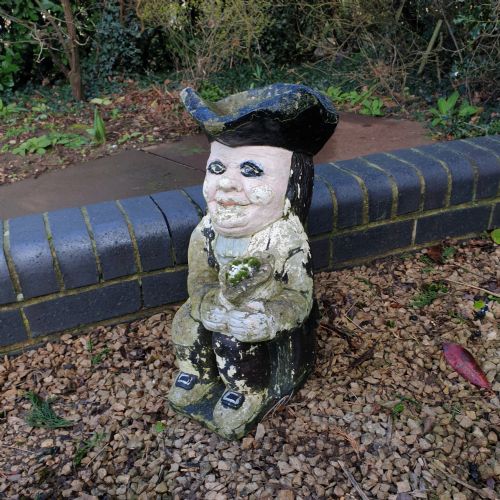

Weathered Garden Figures
Weathered garden figures bring time and character to lawns and terraces, offering classical forms and charming animals shaped in stone, lead, and iron.
Weathered Garden Figures
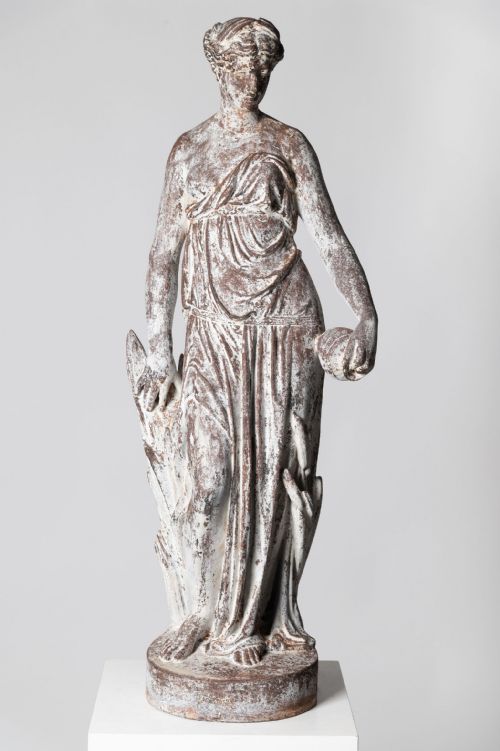
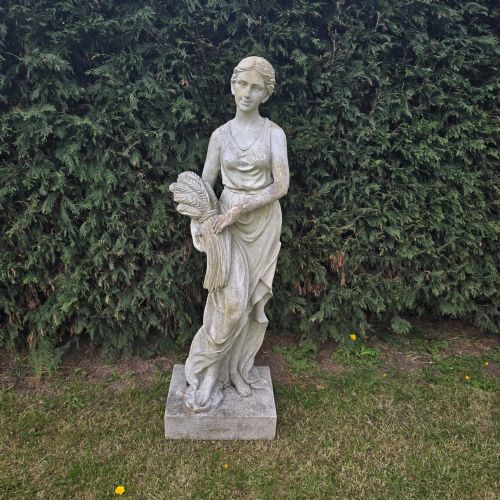
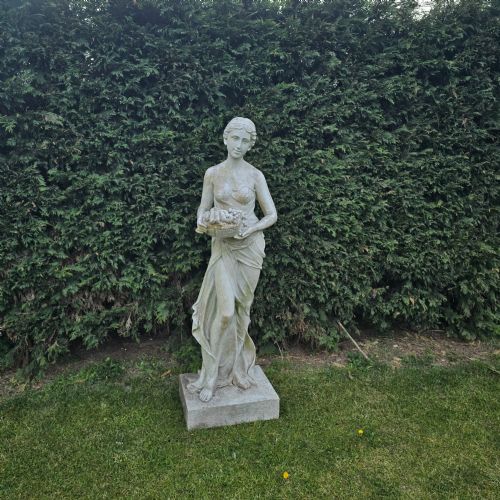
Weathered garden figures encompass garden statues, sculptures, and ornaments created in periods ranging from the eighteenth century to the mid-twentieth century. Buyers searching for weathered garden figures encounter stone, lead, and cast iron pieces depicting classical figures, animals, and putti.
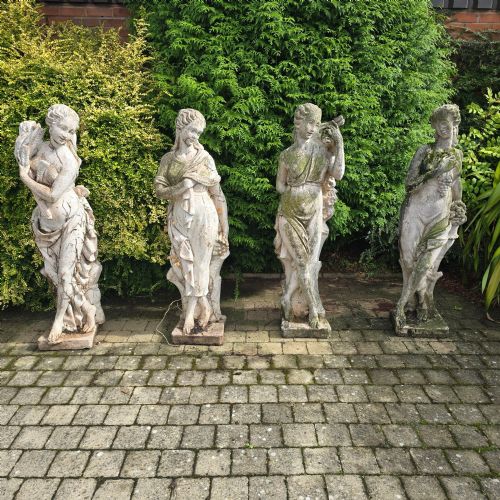
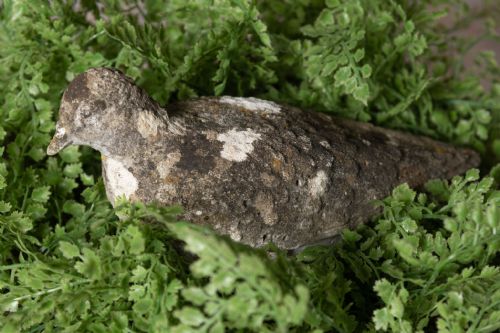
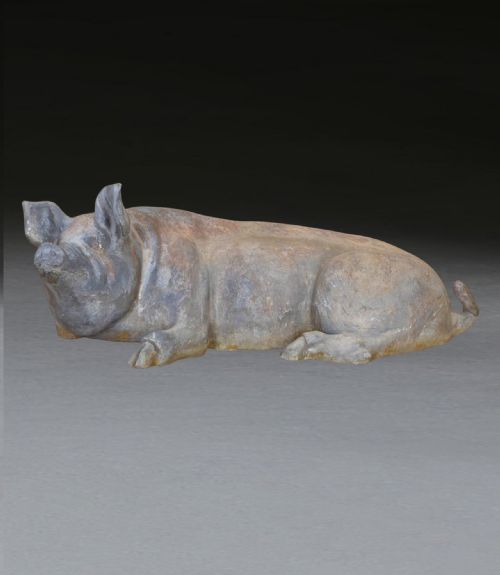
The selections span classical revival motifs, including figures representing the Four Seasons, alongside folkish animals like lead pigs and stone pigeons. Many pieces incorporate original plinths or stands, originating from workshops and foundries across the nineteenth and twentieth centuries.
How they were made
Materials include reconstituted stone, cast stone, and concrete moulded into detailed forms, alongside durable metals such as lead and cast iron. Foundries utilised specialised casting techniques for iron statues and metal cranes, while others employed traditional hand carving methods on stone.
Surfaces often retain traces of early paint or develop natural patination through exposure to the elements over decades. Metal works demonstrate the capabilities of historic foundries like Val d’Osne, while stone pieces rely on aggregate mixtures or solid carving.
Listings feature diverse materials including lead, cast iron, reconstituted stone, and carved stone across multiple centuries.
What varies in quality
Quality rests in the sculptural modelling and anatomical accuracy of the figures, distinguishing refined classical drapery from simpler renderings. Foundries and carvers achieved different levels of detail in facial expressions, feathered wings on putti, and the texture of lion manes.
The integrity of the material and the character of the surface patination significantly influence the distinction between standard ornaments and exceptional works. Depth of weathering, original paint retention, and the presence of matching pairs determine the standing of individual pieces.
Val d Osne foundry
The Weathered Garden Figures Glossary
- Reconstituted stone
- A composite material made from crushed stone or aggregate mixed with a binder to create moulded garden ornaments. This technique became popular for producing durable statues and planters.
- Putto
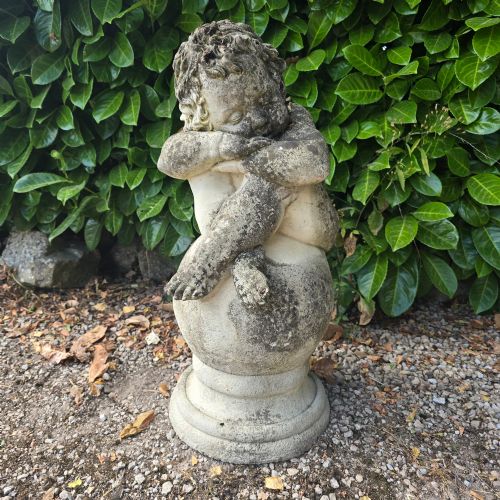
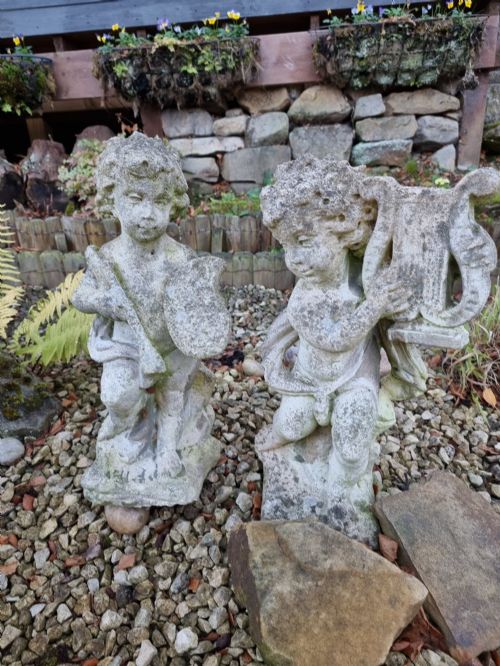
- A figure of a small chubby infant, frequently winged, often depicted in garden statuary and architectural decoration. These figures appear frequently in lead and stone from the eighteenth century onwards.
- Val d’Osne foundry
- A renowned French iron foundry noted for producing high quality cast iron statues and architectural elements during the nineteenth century. Their works supplied parks and gardens internationally.
- Patination
- The natural ageing, weathering, and surface oxidation that develops on metal, stone, and painted surfaces over time. It provides visual depth and authentic character to antique garden pieces.
- Plinth
- A heavy base or pedestal upon which a garden statue or urn is elevated. Many large statues were designed specifically to sit upon these supporting structures.
Weathered Garden Figures: Frequently Asked Questions
How do I care for antique lead figures?
Lead garden figures require very little maintenance because the metal naturally forms a protective oxidation layer when exposed to the air. Cleaning should be limited to gentle washing with water to remove dirt without disturbing the historic surface.
Harsh scrubbing or chemical treatments must be avoided to preserve the original patination. Ensuring the figure rests on a stable, level surface prevents structural stress over time.
Can reconstituted stone figures stay outside in winter?
Most reconstituted stone and cast stone pieces are designed to withstand outdoor conditions, having weathered decades in gardens. However, severe frost can occasionally affect porous materials if moisture becomes trapped within small crevices.
Lifting figures slightly off the ground or moving delicate carved pieces under shelter during freezing periods offers extra protection. Checking drainage around plinths prevents water pooling in cold weather.
What is the difference between cast iron and lead?
Cast iron offers rigid strength and crisp detail, often utilised by historic foundries for large animal sculptures and structural planter urns. Lead is softer, heavier, and develops a dark grey tone through oxidation, making it ideal for detailed figures and putti.
Iron pieces may require periodic checks for surface rust, whereas lead patinates safely in damp garden environments. Each metal ages with distinct visual characteristics reflecting its manufacturing origin.
How are garden figures secured safely?
Heavy stone and iron statues generally remain stable under their own weight when placed on level ground or fitted securely onto matching plinths. Lighter figures or tall compositions on terraces may benefit from discreet concealed fixings to prevent tipping.
Positioning pieces away from high traffic paths protects fragile details like outstretched arms or bird wings from accidental knocks. A firm foundation on paving or compacted soil ensures long term balance.