





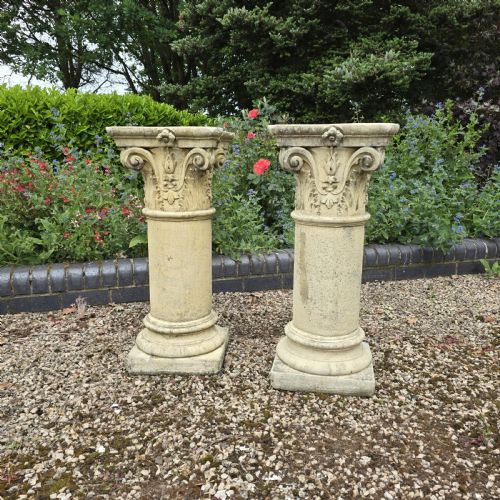

Weathered Garden Column
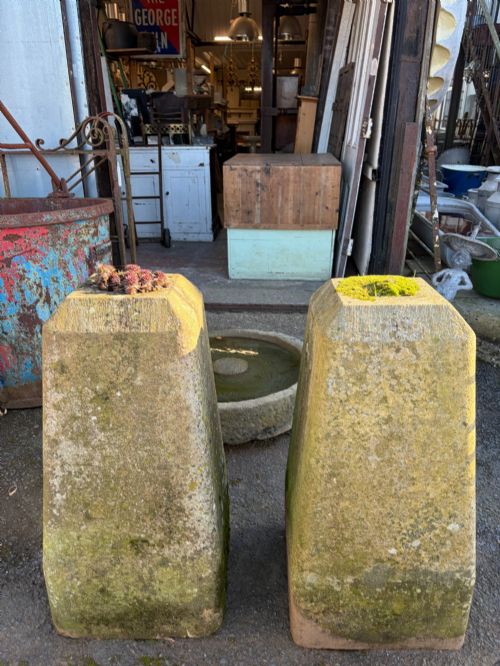
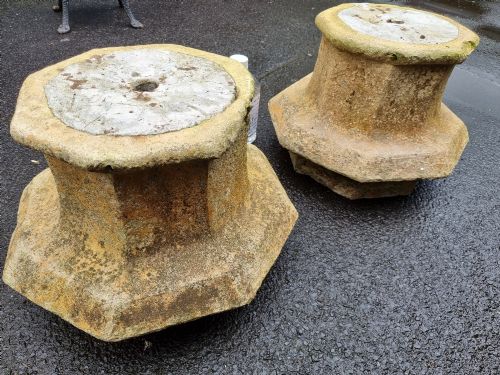
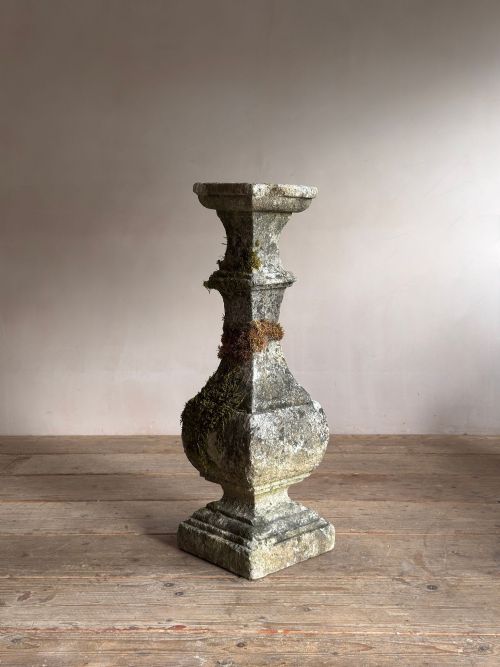
A weathered garden column brings architectural structure and aged character to outdoor spaces, offering a classical focal point for lawns and terraces.
Weathered Garden Column
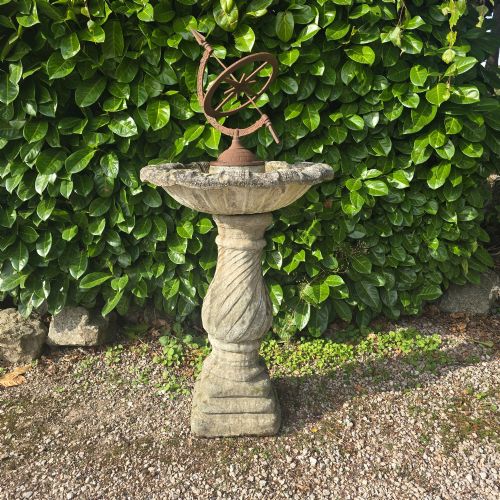
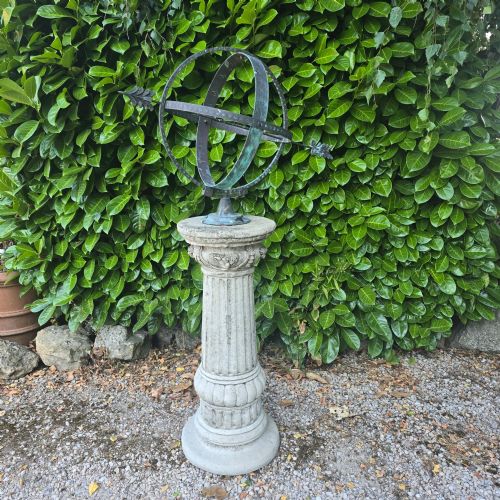
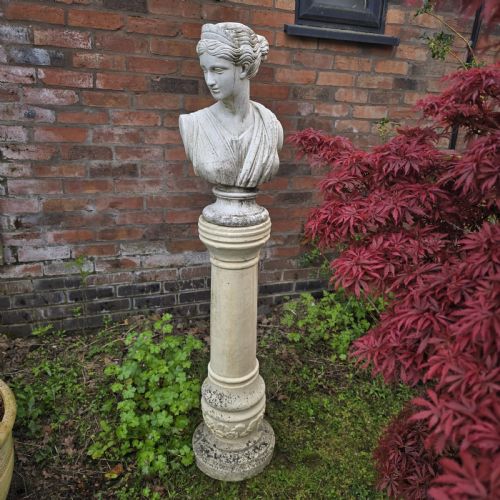
A weathered garden column provides vertical interest and acts as a sturdy base for sundials, busts, and armillary spheres in outdoor settings. These pieces carry historical styles ranging from the Georgian era through to the mid-twentieth century.
The selections available here showcase distinct classical forms, including Corinthian capitals, Gothic revival plinths, and classical pedestals. Buyers most frequently encounter reconstituted stone, cast stone, and limestone variations that have developed a natural patina over decades outdoors.
How they were made
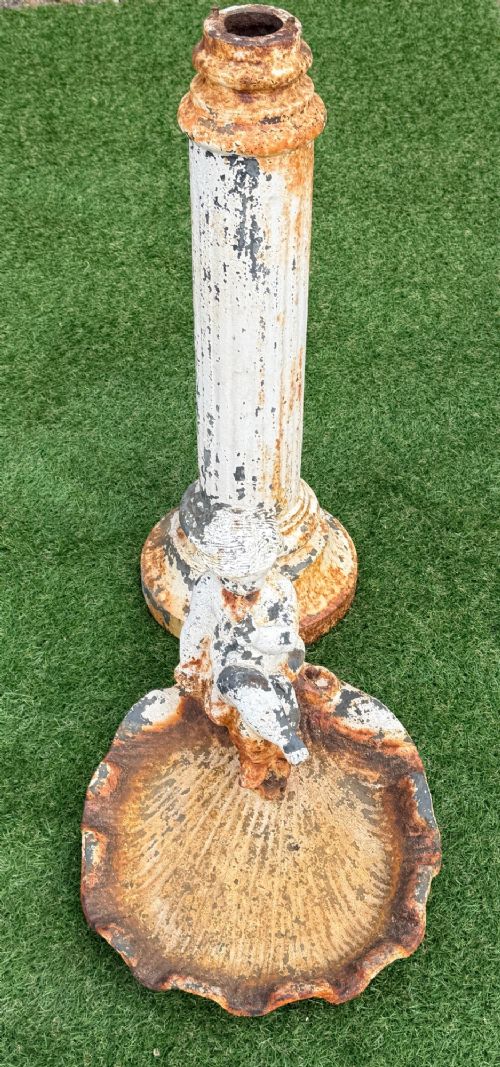
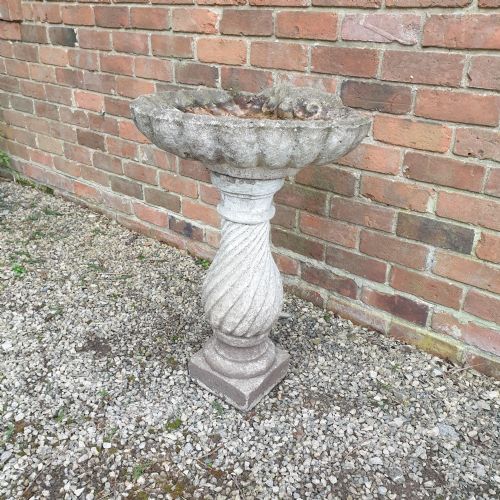
Masons and manufacturers shaped these columns using durable hard materials suited to external environments, primarily working with natural limestone, reconstituted stone, and cast stone. Cast iron also appears in specific figurative and shell-form bird bath combinations from the Victorian period.
Carving limestone required traditional masonry skills to define architectural details like acanthus leaves on capitals, while cast stone and reconstituted aggregate methods allowed makers to mould ornate neoclassical forms efficiently.
Weathered Garden Column Retail Price Guide 2026
Typical asking prices for weathered garden column among the pieces listed under this phrase on Sellingantiques today, from the lower quarter to the upper quarter. They describe what is for sale here now, not the wider market.
Several columns double as seating for diminutive Victorian cherubs and bronze birds.
What varies in quality
Quality rests primarily on the crispness of the original carving or moulding and the aesthetic success of the weathering process. Pieces with sharp architectural detail and harmonious organic lichen growth command greater visual presence.
The integrity of the material and the proportion of the column relative to its accompanying capital or plinth determine its overall architectural success. Finer examples display balanced classical proportions that integrate naturally into traditional garden layouts.
The Weathered Garden Column Glossary
- Capital
- The topmost member of a column, typically decorated with carved foliage such as acanthus leaves in the Corinthian style.
- Plinth
- A heavy rectangular or square block serving as the base for a statue, column, or urn.
- Armillary sphere
- An astronomical instrument composed of rings representing celestial circles, frequently mounted upon a stone column or pedestal as a garden feature.
- Reconstituted stone
- A manufactured material made from crushed stone and cement binder, moulded to replicate natural cut stone items.
Weathered Garden Column: Frequently Asked Questions
How do I place a column in the garden?
Position your weathered garden column at the end of a gravel pathway or as a terminal point within a formal box hedge layout to draw the eye through the landscape.
Ensure the ground beneath the piece is firmly levelled and compacted to prevent any shifting or settling over time.
Can these columns support heavy sculptures?
Most stone and cast columns possess substantial weight and structural integrity designed to bear the load of bronze busts, heavy sundials, or carved stone ornaments.
Check that the top surface of the column makes full, even contact with the base of the object it supports.
How do I clean a weathered stone column?
Maintain the aged patina by gently brushing away loose debris and dirt with a soft bristle brush using plain water.
Avoid harsh chemical cleaners or pressure washers, as these aggressive methods strip away the organic weathering and erode the stone surface.
How do I identify a Georgian column?
Georgian examples typically feature hand-carved natural limestone with restrained classical proportions and distinct tool marks left by period masons.
These pieces generally exhibit deep, authentic weathering patterns developed over centuries of exposure to the elements.