

Weathered Cast Stone
Weathered cast stone brings garden statues, urns, and planters shaped by decades outdoors into your grounds.
Weathered Cast Stone
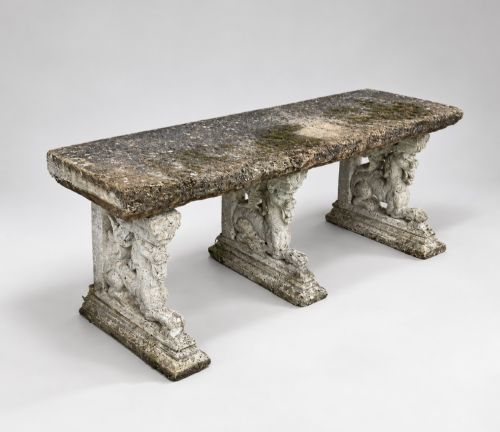
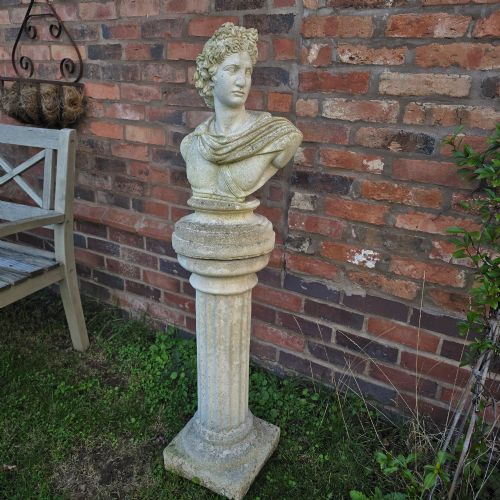
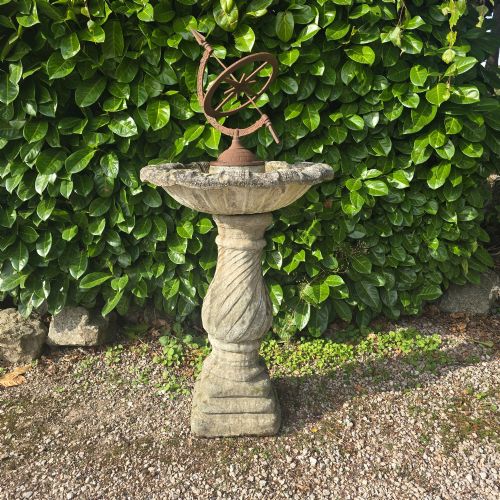
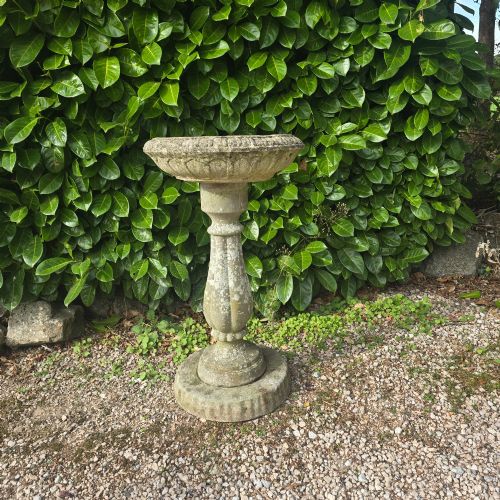
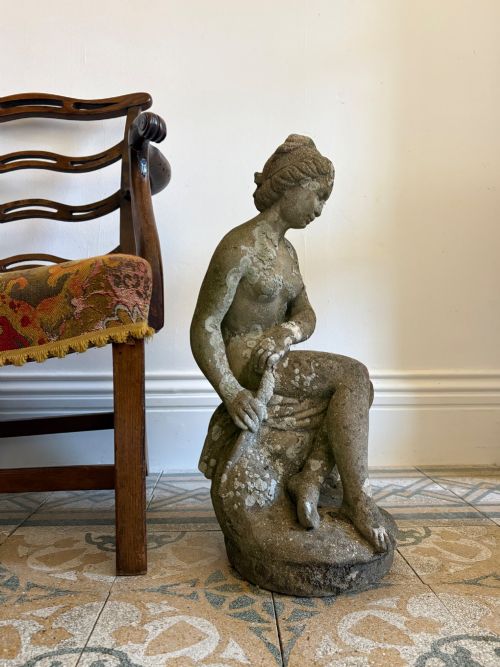
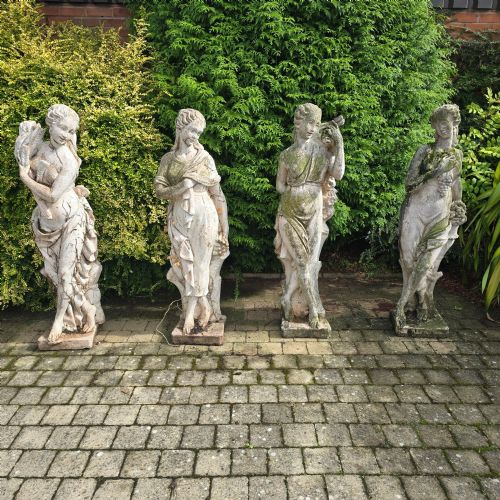
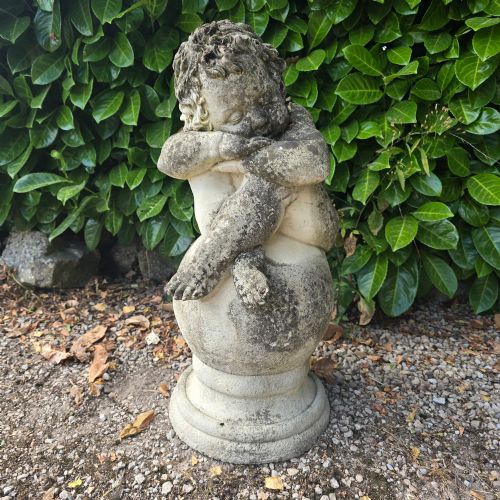
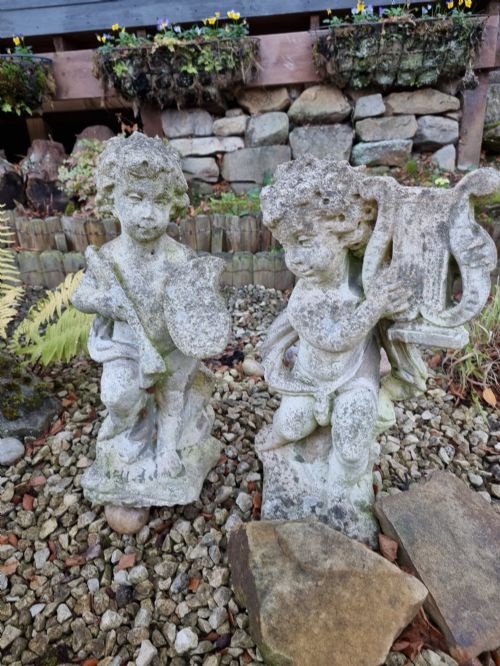
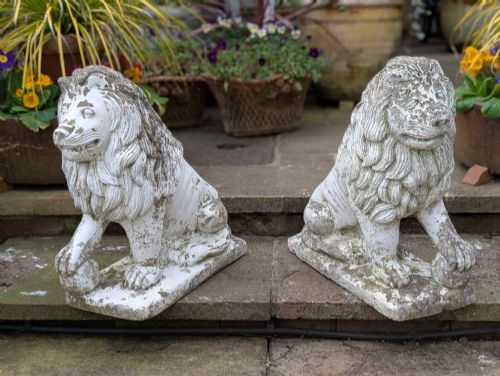
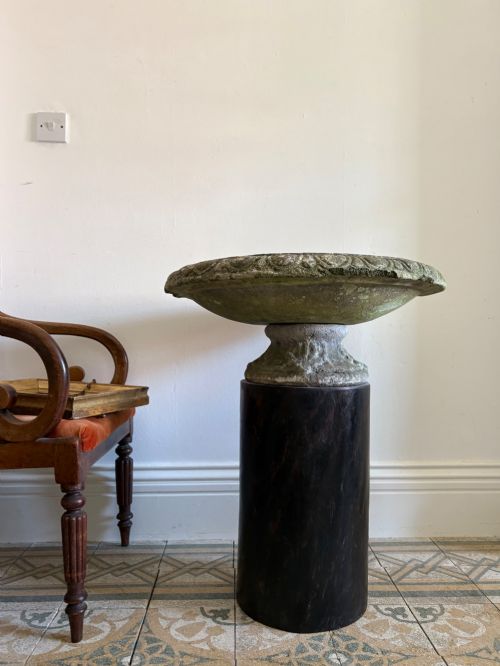
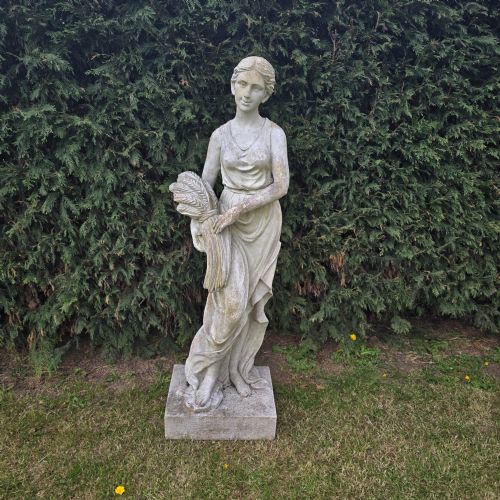
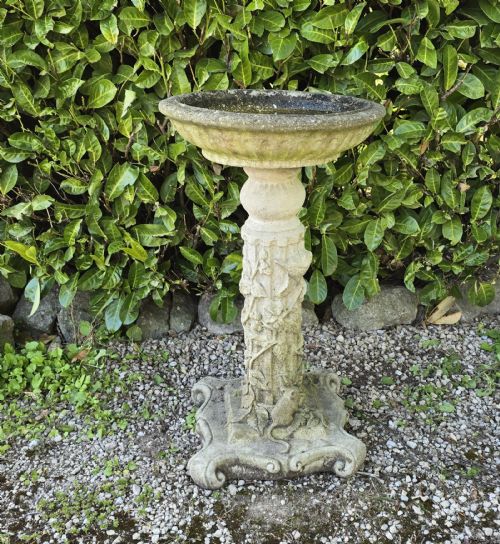
When you search for weathered cast stone, you encounter garden statues, urns, planters, and bird baths spanning the Victorian period through to the mid twentieth century. These pieces encompass classical forms, from Medici lions and campana urns to figures representing the Four Seasons and mythical subjects.
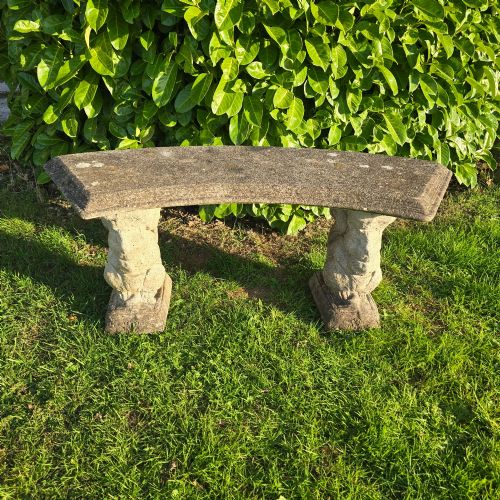
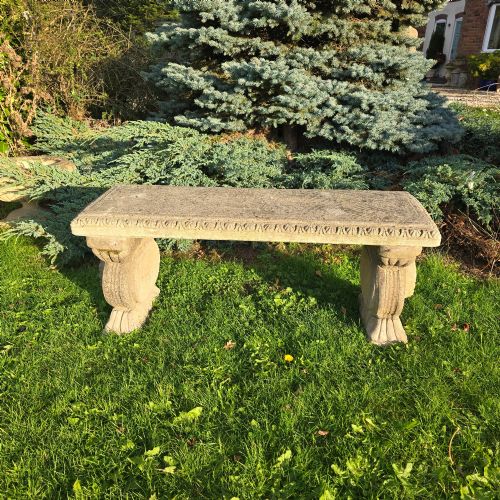
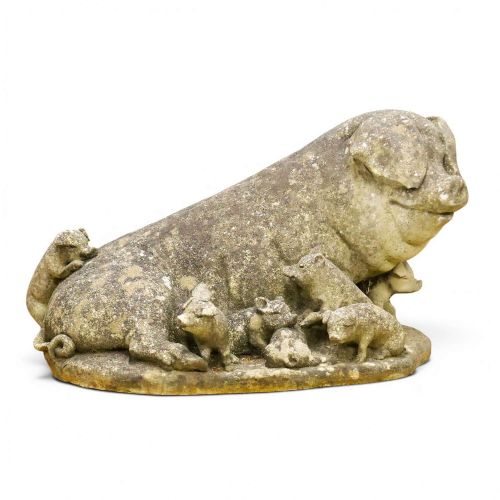
The objects most frequently met on this page date from the early twentieth century and the 1930s, displaying substantial scale and established patination. They take the form of architectural ornaments, pedestals, columns, and animal figures including pigs, eagles, and lions.
Originating in English country house traditions and European classical revivals, these items function as permanent focal points in garden design. Their forms draw heavily on neoclassical and Gothic styles translated into durable aggregate materials.
Materials and construction
The pieces utilise aggregate materials recorded as cast stone, reconstituted stone, composition stone, concrete, and stoneware, frequently poured into moulds to replicate carved stone and marble. Some items combine these stone compounds with cast iron elements or retain layers of original paint.
Moulding techniques allowed workshops to produce complex sculptural forms such as cherubs, draped figures, and fluted columns with consistent detail. The physical mass of these objects results from dense cement and stone dust mixtures cured to withstand exterior environments.
Weathered Cast Stone Retail Price Guide 2026
Typical asking prices for weathered cast stone among the pieces listed under this phrase on Sellingantiques today, from the lower quarter to the upper quarter. They describe what is for sale here now, not the wider market.
Among the classical deities and solemn lions, a sow with seven piglets stands ready to root in the shrubbery.
Distinctions in quality
The nature of the surface patination separates exceptional examples from plain stock, as decades of weathering produce organic moss growth, lichen, and textural erosion that soften the material. The integration of structural bases, plinths, and pedestals further elevates the integrity of the ensemble.
The Weathered Cast Stone Glossary
- Cast stone
- A refined building product manufactured from Portland cement, graded aggregates, and chemical modifiers, designed to mimic natural cut stone.
- Reconstituted stone
- Aggregate material composed of crushed stone fragments bound together with a matrix, forming durable garden ornaments and architectural details.
- Campana urn
- A bell-shaped garden vessel with an everted rim, tapering body, and circular foot, frequently mounted on a square plinth.
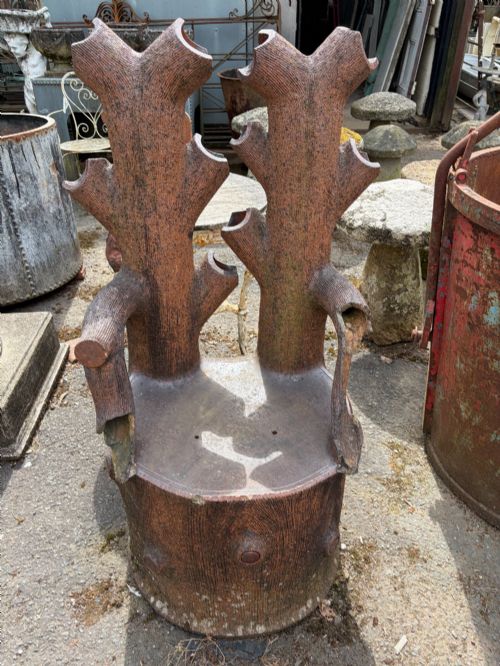
- Faux bois
- Imitation wood grain rendered in concrete, stone, or iron, popular for rustic garden seats and architectural embellishments.
- Patination
- The surface alteration, weathering, and organic accumulation developed on stone and metal over years of exterior exposure.
Weathered Cast Stone: Frequently Asked Questions
How do I clean weathered cast stone?
Gentle washing with water and a soft brush preserves the accumulated lichen and moss that define the aged character of these pieces.
Harsh chemical cleaners and pressure washers strip away the desirable patination built up over decades outdoors.
Are these garden ornaments frost proof?
Most cast stone and reconstituted stone compositions withstand winter temperatures, provided they do not sit in standing water during hard freezes.
Elevating urns and planters on stone feet or plinths prevents moisture absorption from frozen ground.
How do I date cast stone pieces?
Stylistic cues such as neoclassical revival forms, Edwardian proportions, and mid century manufacturing marks help establish a chronological window.
The depth of the surface weathering and type of aggregate also offer clues to the era of production.
Can heavy statues stay outside all year?
The substantial weight of life-sized figures, large urns, and animal guardians provides stability against strong winds and severe weather.
Positioning them on level stone foundations ensures they remain secure throughout changing seasonal conditions.