


Waterfall Shelving Cabinet
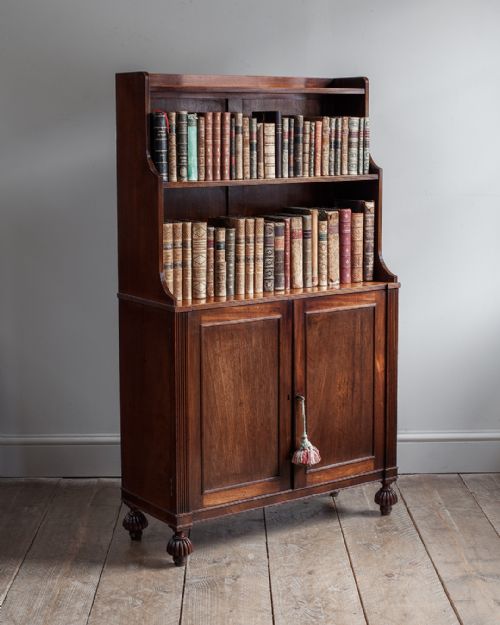
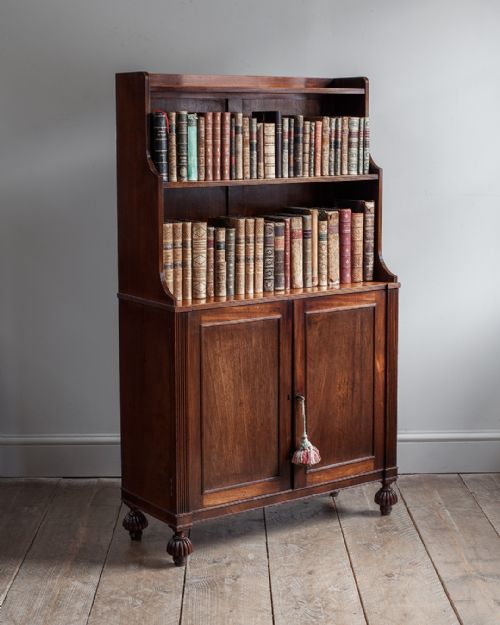
These waterfall shelving cabinet pieces offer graduated open tiers paired with useful lower storage, bringing both elegance and practical display to any room.
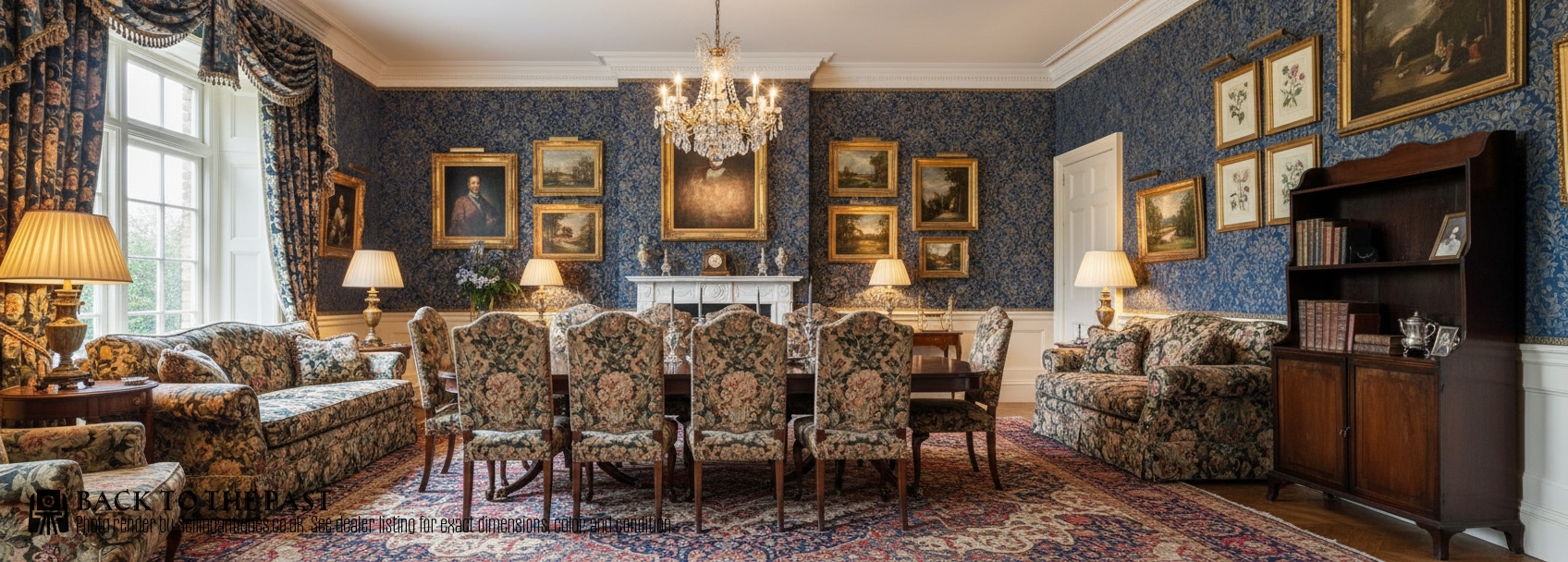
Waterfall Shelving Cabinet
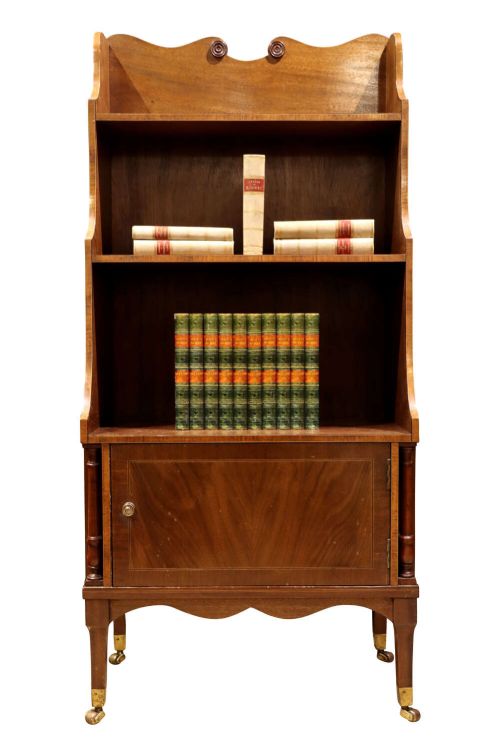
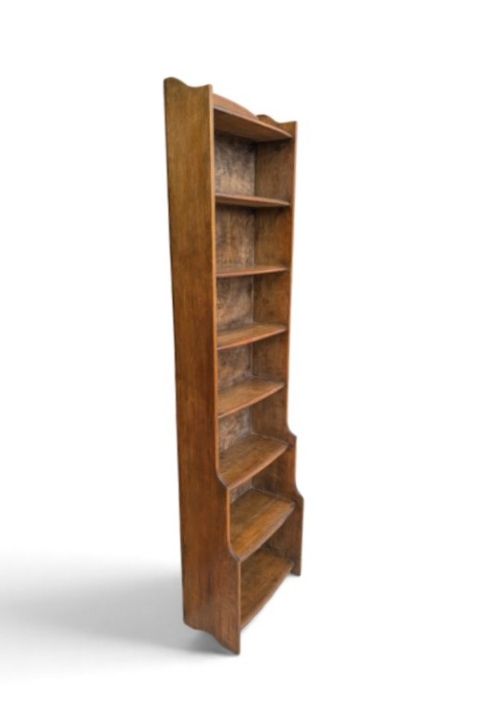
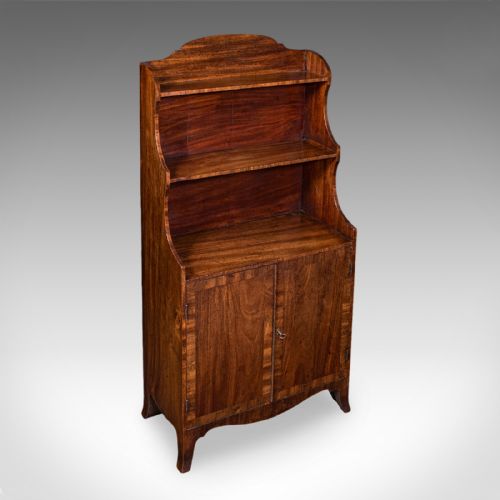
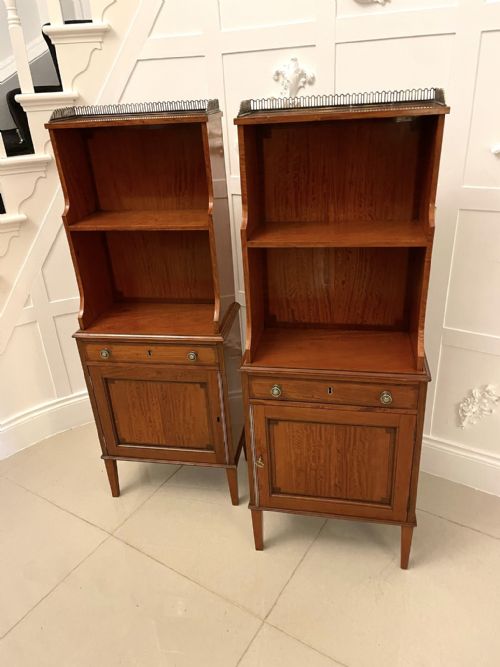
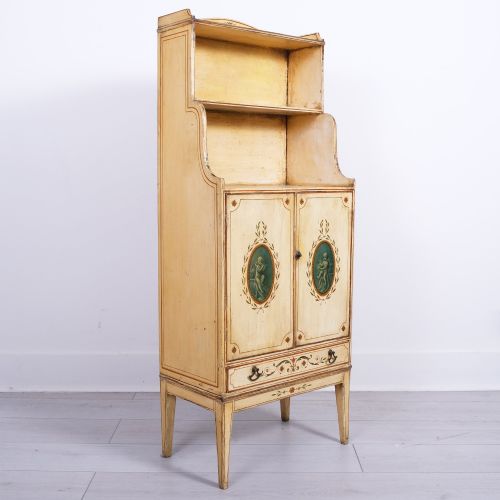
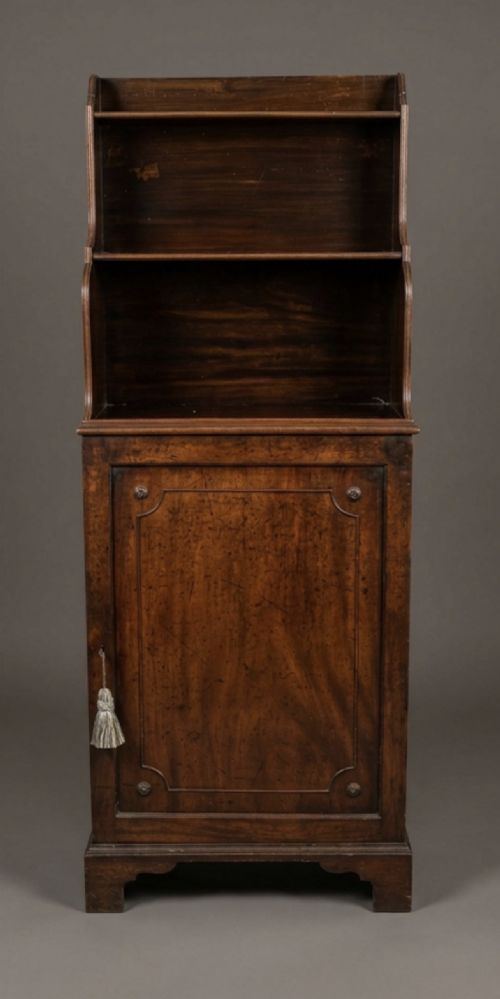
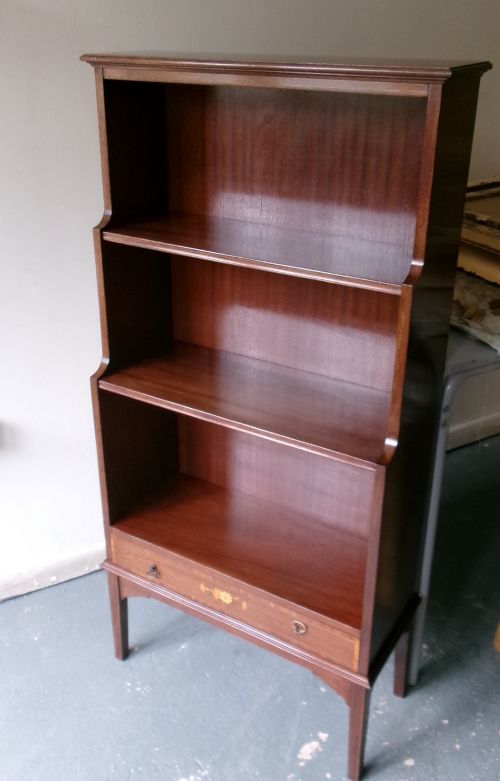
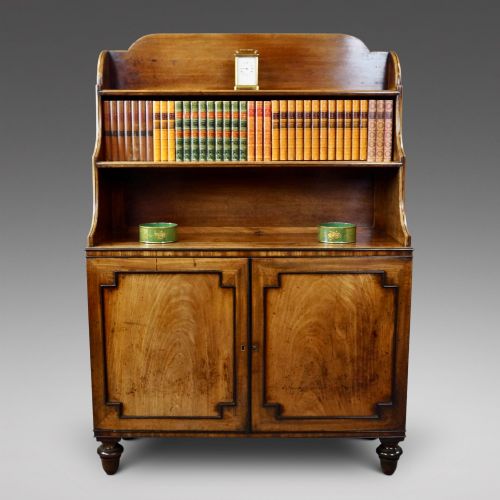
A waterfall shelving cabinet combines open stepped shelves that recede towards the top with a lower enclosed cupboard or drawers. When you search for waterfall shelving cabinet, you find forms that serve as both bookcase and display unit.
The pieces listed span periods from the Georgian and Regency eras through to the Edwardian period and the early twentieth century. Mahogany is the primary timber seen, alongside satinwood, oak, rosewood, and yew wood.
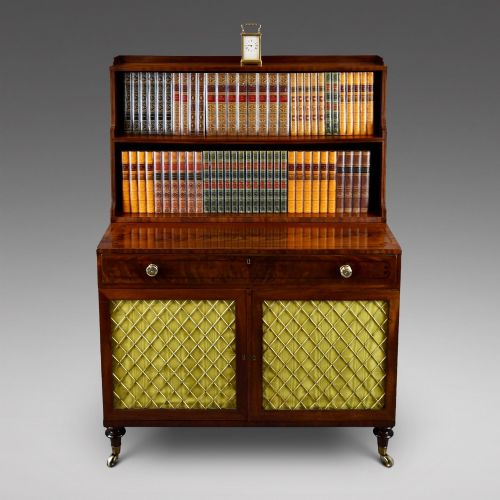
Most examples function as freestanding bookcases or smaller chiffoniers designed for domestic libraries and parlours. You encounter open cascading tiers as well as variations featuring glazed or panelled lower doors.
How they were made
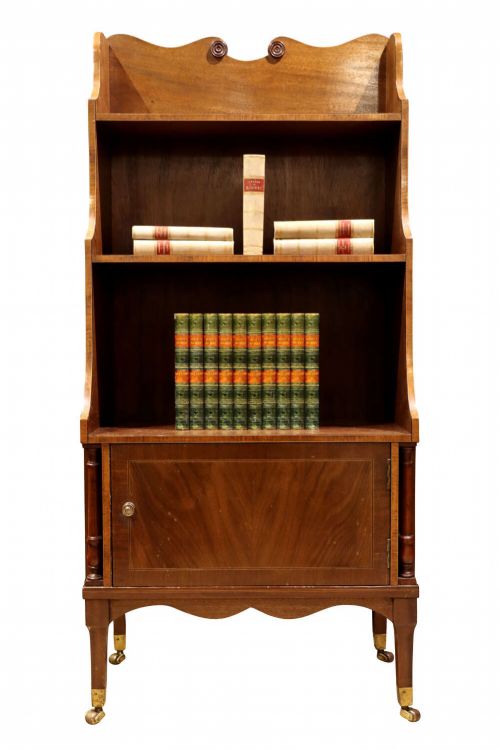
Cabinet makers utilised dense hardwoods like mahogany and rosewood, frequently selecting flame mahogany veneers and satinwood crossbanding to create striking grain patterns on the surfaces. Brass castors and hardware are fitted to allow movement for heavier freestanding pieces.
Construction methods involve graduated side supports that step back tier by tier to hold the descending shelves securely in place. Lower cabinets are joined with traditional carcase construction, housing panelled doors or small drawers beneath the open shelving.
Listings feature mahogany as the dominant material, accompanied by satinwood, oak, rosewood, and yew wood across Georgian, Regency, and Edwardian periods.
What varies in quality
The refinement of the timber selection dictates the visual appeal, with highly figured flame mahogany and finely figured satinwood marking the most accomplished examples. Superior pieces display meticulous crossbanding and precise inlay work along the graduated tiers.
Proportion and structural integrity define the craftsmanship, where slender side supports remain rigid despite carrying multiple stepped shelves. The integration of the lower cupboard with the upper cascade shows whether a maker approached the design with unified balance.
Gillows·Shapland & Petter
The Waterfall Shelving Cabinet Glossary
- Waterfall bookcase
- A set of open shelves that step back progressively from the bottom to the top, resembling cascading water. This form became popular during the Regency and Georgian periods for displaying books and decorative objects.
- Crossbanding
- A strip of veneer applied perpendicularly to the grain of the main surface around the border of a shelf or top. This technique frames the wood and highlights the cabinet work.
- Chiffonier
- A small sideboard or low cupboard featuring shelves or a superstructure on top. These pieces provide concealed storage alongside display space.
- Satinwood
- A hard, durable timber with a golden sheen used extensively for fine furniture inlays and veneers. It brings a bright contrast to darker woods like mahogany.
- Brass castors
- Small swivel wheels attached to the feet of heavy furniture to ease relocation. They appear frequently on nineteenth century cabinet pieces.
Waterfall Shelving Cabinet: Frequently Asked Questions
What is a waterfall shelving cabinet?
A waterfall shelving cabinet is a piece of furniture featuring open stepped shelves that graduate in depth from bottom to top, often combined with a lower cupboard or drawers. This design maximises display potential while maintaining a compact footprint in a room.
The form developed during the Georgian and Regency periods and continued through the Victorian and Edwardian eras. These cabinets serve primarily as versatile bookcases or display units for smaller collections.
How were these cabinets used?
Historically, these cabinets held portable libraries, correspondence, and decorative ornaments within polite drawing rooms and studies. The stepped shelves allowed owners to view book spines and small objects easily without cluttering the surface.
Today, they function well in living spaces or hallways for organising books, plants, and ceramics. The lower enclosed storage provides a place to tuck away items that need to remain out of sight.
How do I identify a Georgian or Regency piece?
Georgian and Regency examples rely on dense mahogany, rosewood, or satinwood timbers combined with restrained proportions and clean architectural lines. Cabinet makers of these periods focused on the natural grain of the wood and subtle mouldings rather than heavy ornamentation.
Later Victorian and Edwardian interpretations often introduce more elaborate inlaid decoration and varied secondary woods such as oak or yew. Examining the construction of the backboards and drawer linings helps determine the age of the piece.
Where should I place a waterfall cabinet?
Because these cabinets taper toward the top, they occupy minimal floor space while drawing the eye upward along the graduated shelves. They suit alcoves, narrow wall spaces, or positions beside seating areas where their stepped profile remains fully visible.
Freestanding versions on brass castors offer flexibility if you wish to reposition them within a room. Ensure the surrounding floor is level to keep the tall, stepped structure stable.