


Waterfall Bookshelf Cupboard
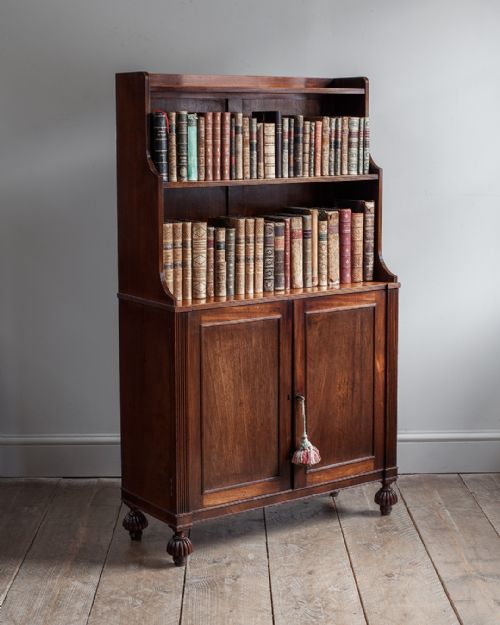
These waterfall bookshelf cupboard pieces combine stepped open shelving with enclosed storage below, offering a practical display for volumes and a tidy lower cabinet.
Waterfall Bookshelf Cupboard
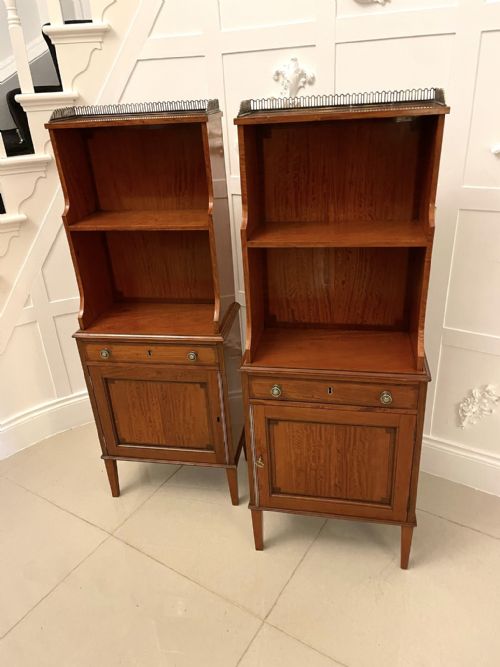
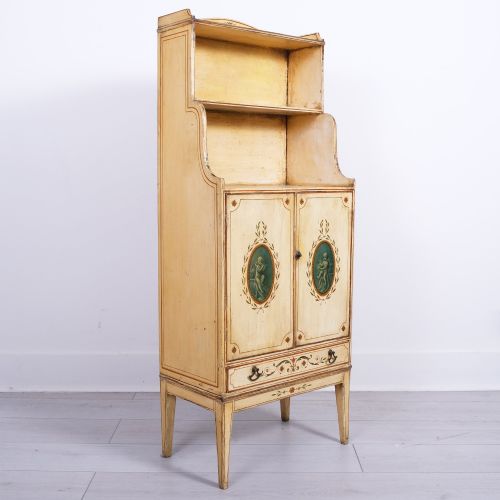
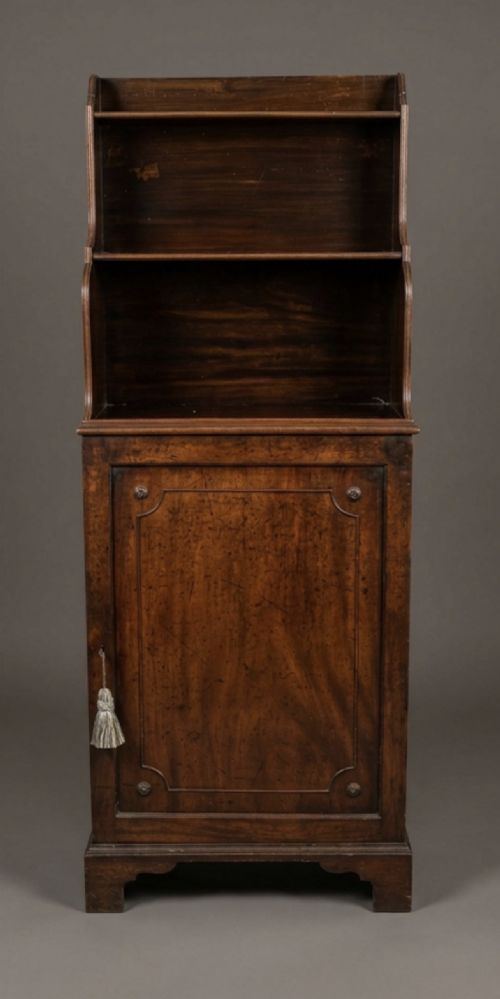
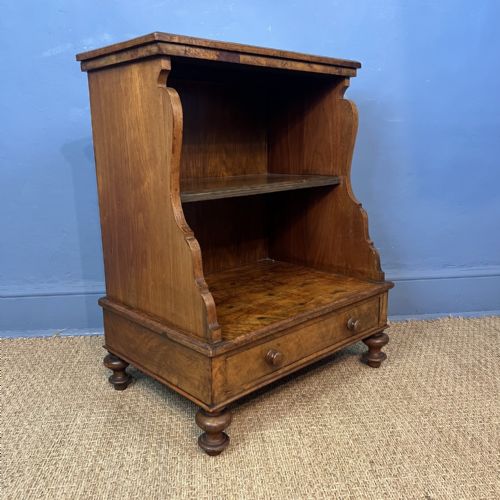
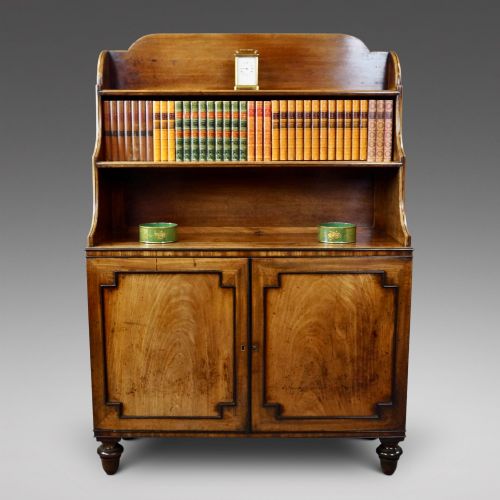
A waterfall bookshelf cupboard presents a distinctive stepped tier structure above a lower enclosed cabinet base. The pieces span Georgian, Regency, Victorian, and Edwardian periods, appearing in formats from dwarf heights to taller freestanding bookcases. You are most likely to encounter mahogany examples from the Regency and Georgian eras alongside later satinwood, walnut, and painted variants.
Materials and construction methods
Makers utilised dense cabinet timbers, predominantly employing mahogany, burr walnut, and satinwood veneers over sturdy timber carcases. Grain patterns receive careful orientation on drawer fronts and cupboard doors, showcasing flame mahogany and figured walnut surfaces.
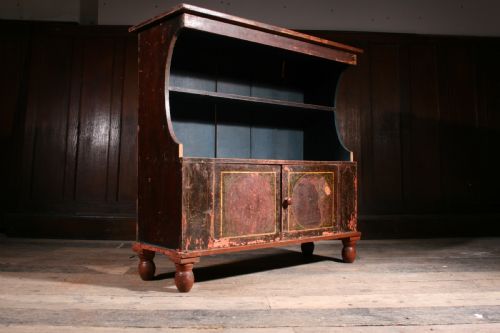
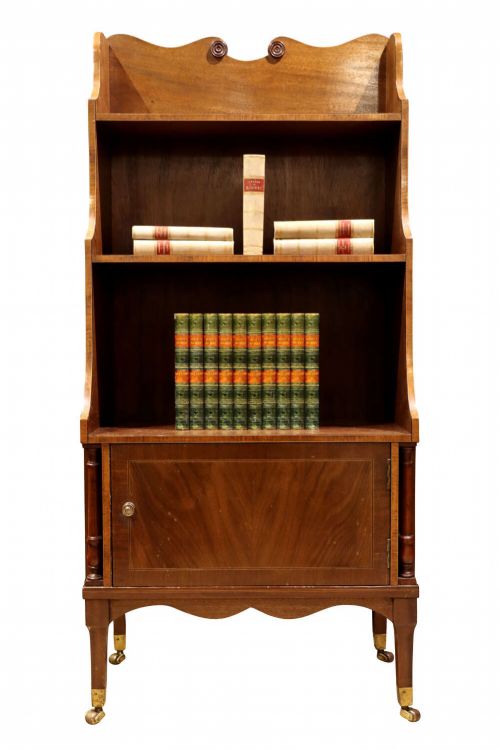
Structural elements include brass fittings such as castors supporting the base, alongside fine inlay work seen in later Victorian and Edwardian interpretations. Painted wood and original grained finishes appear across Georgian and period examples, sealed with traditional polished coatings.
The listings show pieces spanning eight distinct periods and styles, dominated by Regency mahogany and Georgian painted items.
Judging execution and proportion
Quality rests in the proportional harmony of the stepped shelves relative to the bulk of the lower cupboard base. Superior examples demonstrate precise joinery in the tier uprights and tight alignment of the cabinet doors.
The choice of timber figure defines the upper tier of execution, where richly figured mahogany or burr walnut elevates the visual weight of the piece. Subtle details like original brass castors and intact grained finishes distinguish finer workshop output from simpler utilitarian items.
Gillows·Shapland & Petter
The Waterfall Bookshelf Cupboard Glossary
- Waterfall bookcase
- A set of open shelves that step back progressively from bottom to top, creating a terraced profile reminiscent of cascading water. This form maximises stability while displaying book spines clearly.
- Dwarf bookcase
- A low shelving unit designed to sit beneath dado height, allowing books to be accessed easily without a ladder. These pieces frequently incorporate cupboards beneath the open tiers.
- Satinwood
- A pale, hard timber native to Ceylon and India, prized for its lustrous grain and yellow-gold colour. Cabinet makers utilised it extensively for fine inlaid and banded furniture.
- Burr walnut
- Timber taken from a walnut tree outgrowth, producing intricate, swirling grain patterns. It serves as a decorative veneer on high-status cabinet doors and panels.
- Grained finish
- A painted surface treatment designed to imitate the appearance of expensive exotic timbers. Artisans applied this technique using combs and glazes over a base coat.
Waterfall Bookshelf Cupboard: Frequently Asked Questions
What is a waterfall bookshelf cupboard?
A waterfall bookshelf cupboard is a hybrid piece of furniture featuring graduated open shelves stepped above a closed cabinet base. It allows for the display of books on top while concealing storage below.
The form emerged during the Georgian and Regency periods, persisting through the Victorian and Edwardian eras in various timber species and painted finishes.
How were these cabinets used originally?
These units functioned as accessible library furniture in drawing rooms, studies, and bedrooms, keeping frequently read volumes close at hand. The lower cupboard provided secure storage for papers or delicate items.
Lower variants also served bedside or parlour functions, offering a compact surface for lamps and small personal objects.
How do I distinguish Regency from Victorian pieces?
Regency examples typically rely on clean architectural lines, solid mahogany construction, and minimal ornamentation, often raised on brass castors. They date from the early nineteenth century and prioritise classic proportions.
Victorian and later pieces frequently introduce richer veneers like burr walnut, finer inlay work, or decorative painted finishes reflecting Arts and Crafts or Edwardian tastes.
How do I care for antique mahogany and walnut?
Keep these pieces away from direct sunlight and radiators to prevent timber shrinkage and veneer lifting. Regular dusting with a soft, dry cloth maintains the polished surface without moisture damage.
Apply a microcrystalline wax sparingly once or twice a year to nourish the wood and protect the historic finish against atmospheric changes.