

Watercolour Miniature Art
Watercolour miniature art comprises delicate portrait paintings on paper and other fine supports, prized for intimate scale and remarkable detail.
Watercolour Miniature Art
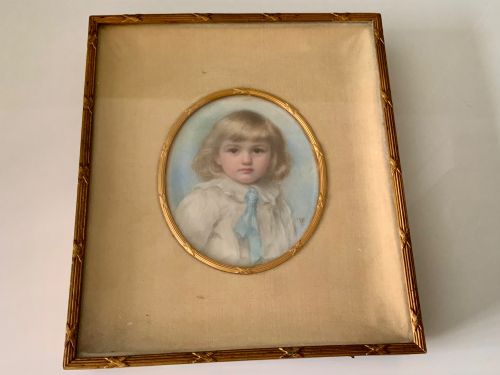
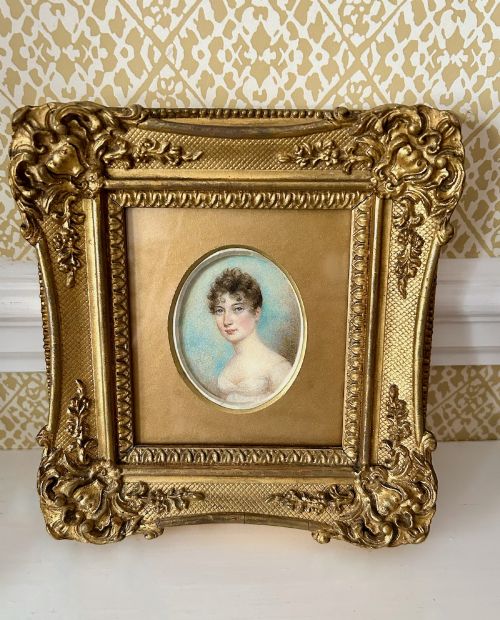
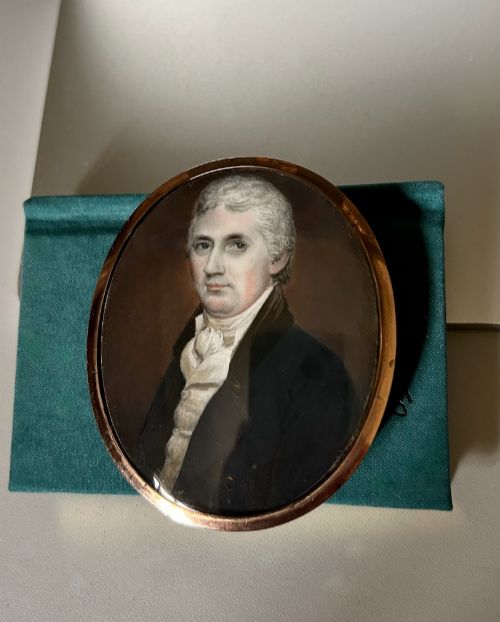
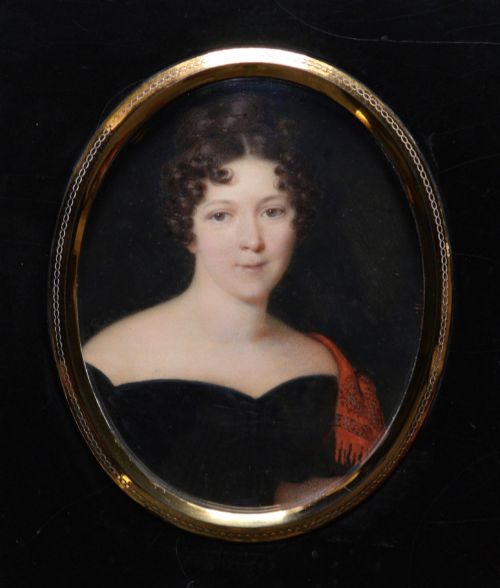
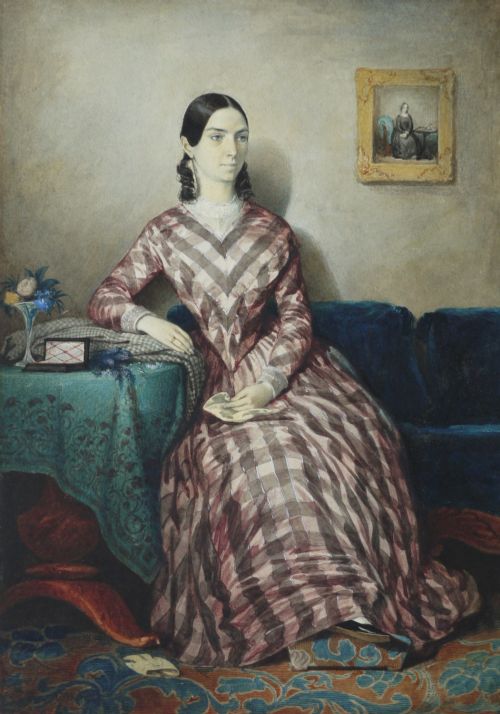
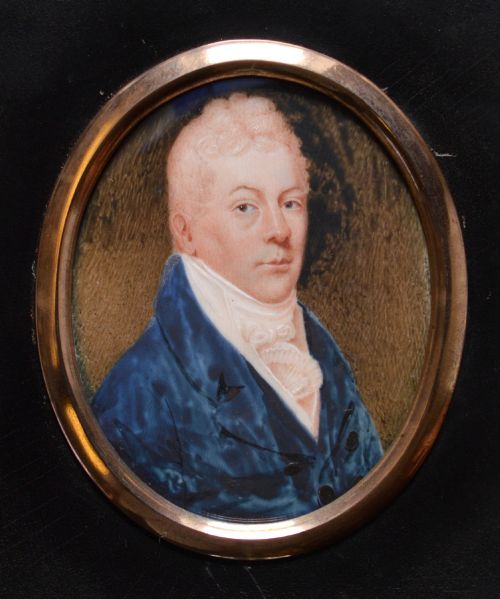
Watercolour miniature art captures likenesses on a small scale, largely originating as portable portraits before the widespread use of photography.
The pieces appearing here span the Georgian, Regency, Victorian, and Edwardian periods, alongside specific dates from the eighteenth and nineteenth centuries.
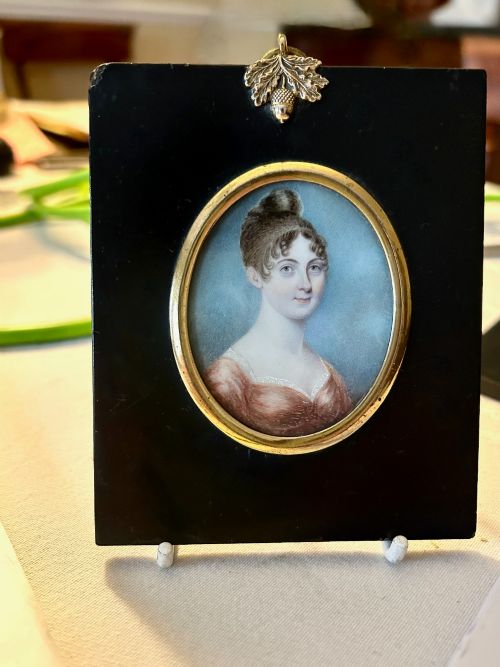
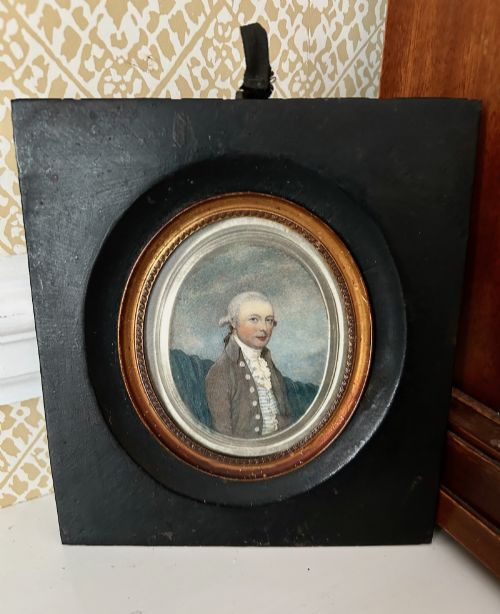
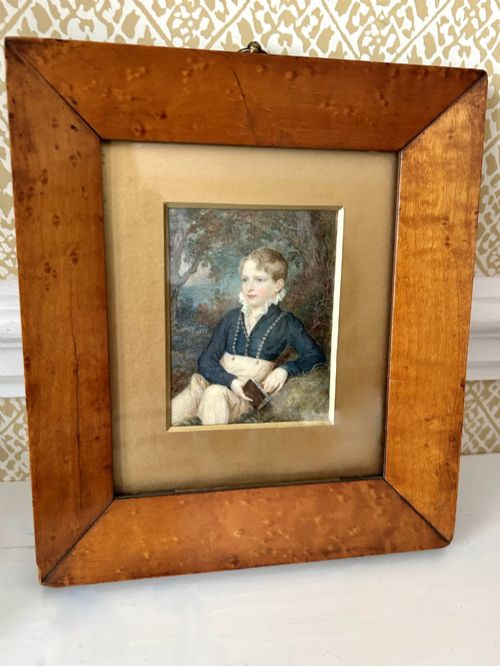
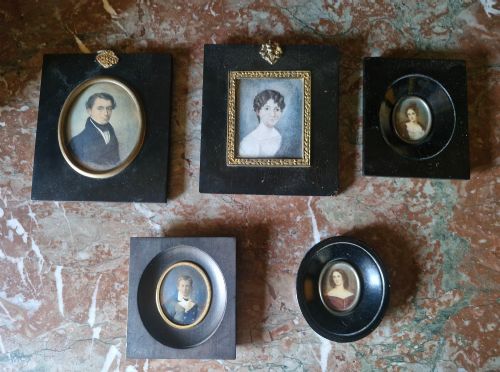
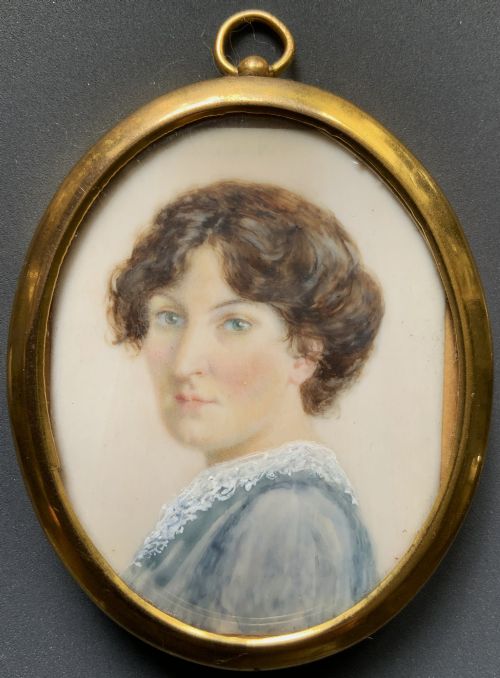
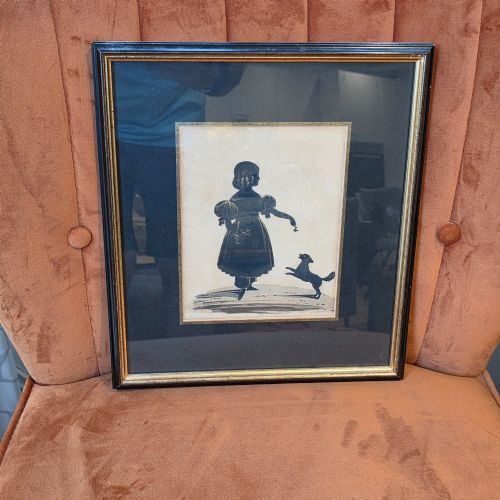
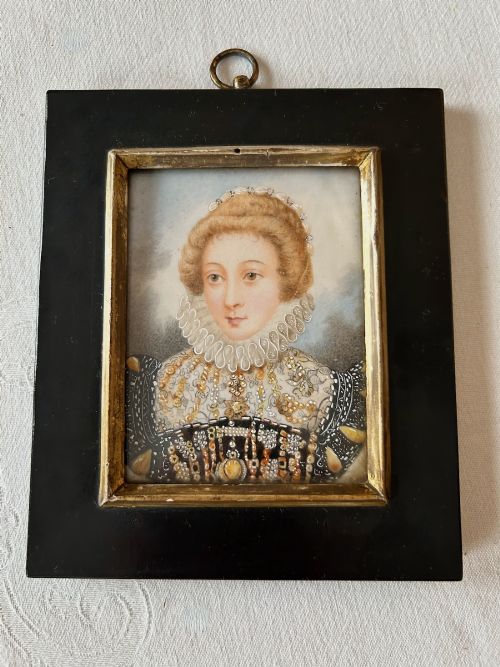
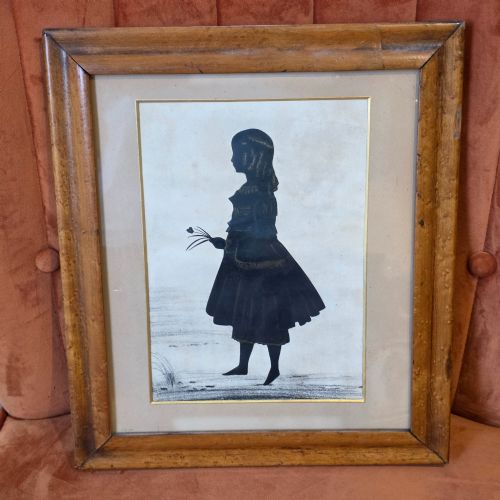
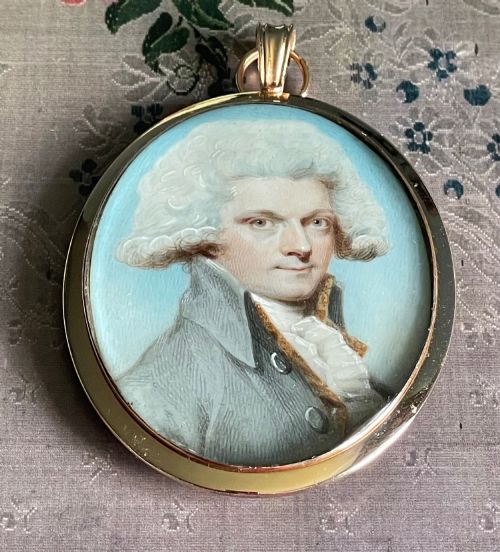
Portrait miniatures dominate the selection, taking forms such as framed works, pendants, brooches, and silhouette studies paired with watercolour.
Materials and construction
Artists painted these works primarily with watercolour on paper or delicate supports, sometimes incorporating pencil and pastel.
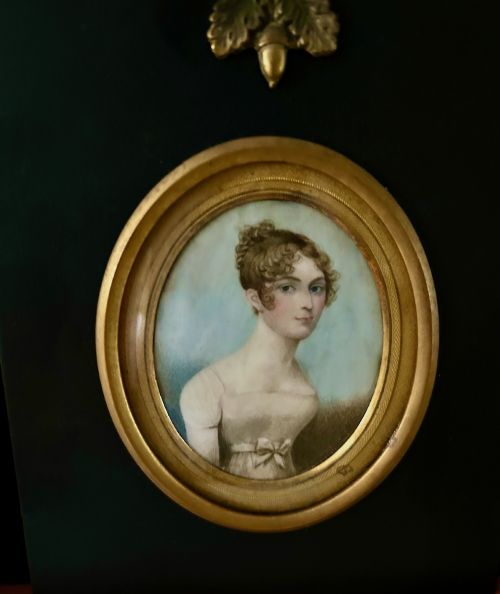
Surviving pieces frequently utilise protective glass frontages and frames fashioned from gilt metal, brass, ebonised wood, and fourteen-karat gold.
Watercolour Miniature Art Retail Price Guide 2026
Typical asking prices for watercolour miniature art among the pieces listed under this phrase on Sellingantiques today, from the lower quarter to the upper quarter. They describe what is for sale here now, not the wider market.
Listings feature works spanning the eighteenth, nineteenth, and early twentieth centuries, alongside distinct Georgian, Regency, Victorian, and Edwardian eras.
Assessing quality and execution
Quality rests upon the precision of the brushwork and the psychological depth captured in the subject's expression.
The refinement of the housing, from heavy gold pendants to ebonised frames with precise brass bezels, elevates the overall standing of an individual piece.
Frederick Buck·William James Hubard·Henri Fradelle·Thomas John Horsley·Charles Shirreff·Richard Cosway·John C D Engleheart·Dumont·William Wood·Charles Hayter·William Naish·Nicolas Freese
The Watercolour Miniature Art Glossary
- Miniature painting
- A small-scale artwork, historically focused on portraiture and executed with fine, precise brush strokes.
- Ebonised wood
- Timber treated to resemble heavy, black ebony, commonly utilised for nineteenth-century picture frames.
- Gilt metal
- Base metal treated with a gold-coloured finish or plating, often found securing small portrait surrounds.
- Silhouette
- A solid dark profile image cut from paper, occasionally combined with watercolour details.
Watercolour Miniature Art: Frequently Asked Questions
What is watercolour miniature art?
These objects are small, highly detailed paintings executed on delicate surfaces like paper. They preserve the likenesses of sitters from past centuries.
Most examples function as portable portraits designed to be worn as jewellery, kept in pockets, or displayed in small frames.
How were these miniature paintings displayed?
Historic owners typically housed these small artworks in specialised oval frames, leather cases, or integrated them directly into personal items.
Many pieces feature rings or pins, allowing them to be worn as brooches or carried as pendants close to the body.
How do I date a miniature portrait?
Dating relies heavily on the style of clothing, hair, and framing materials associated with specific periods like the Georgian or Victorian eras.
Costume details and the specific type of metal mount or housing offer clear clues to the decade of creation.
How should I care for watercolour miniatures?
These works require protection from direct sunlight to prevent the watercolour pigments from fading over time.
Keeping them in stable environmental conditions away from excess moisture preserves both the paper support and the surrounding metal or wood frame.