


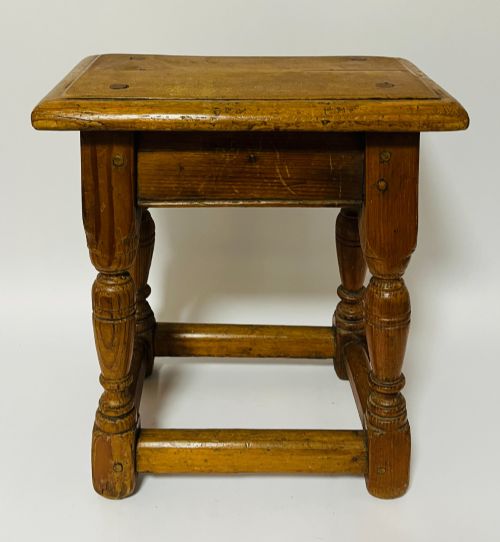
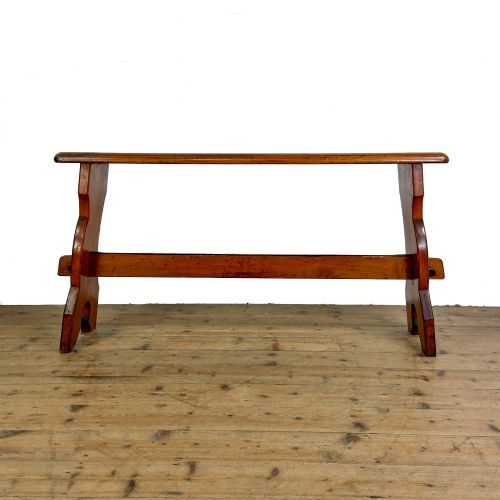


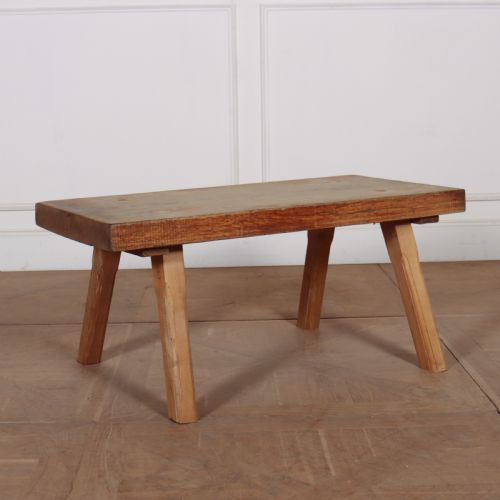


Warm Pine Side Table
A warm pine side table brings honest timber and simple utility into a room, offering a sturdy surface with a mellow, aged patina.
Warm Pine Side Table
When you search for a warm pine side table, you encounter practical utility furniture designed for everyday domestic use across the nineteenth century. These timber pieces emerge from various regional traditions, ranging from English country kitchens to Alpine workshops.
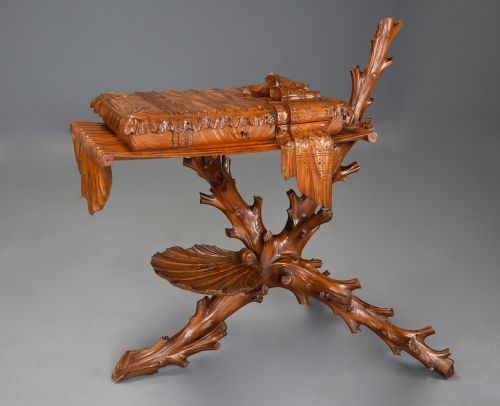
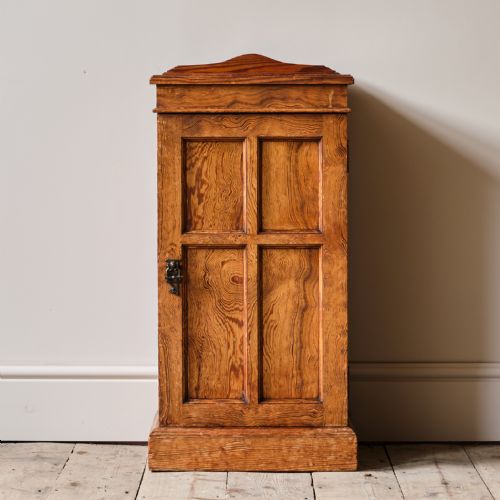
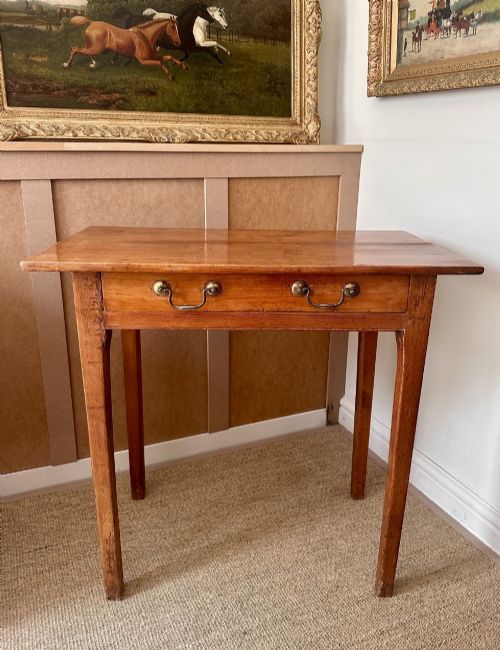
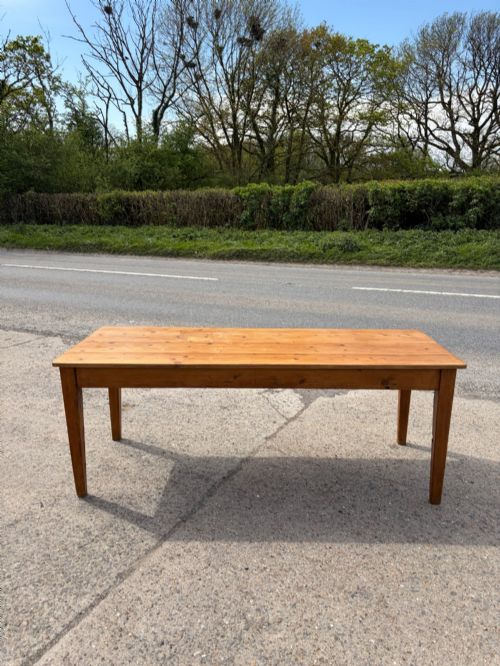
The selections available here lean heavily into nineteenth-century production, spanning Victorian examples alongside rustic farmhouse and Gothic revival variants. You will frequently find side tables accompanied by occasional tables, pot cupboards, and compact writing desks sharing similar softwood constructions.
Makers built these items for hard work, utilising resilient softwoods and pitch pine to withstand daily demands. Their forms remain straightforward, prioritising functional surfaces and straightforward frames over elaborate ornamentation.
How they were made
Cabinet makers relied primarily on pine, pitch pine, and Oregon pine, supplemented occasionally by fruitwood, oak, and softwood components. These timbers were joined using traditional carpentry methods to ensure durability under heavy domestic loads.
Metal hardware such as brass handles and iron fixings provided functional reinforcement and mechanical operation for drawers and fittings. Surface finishes were left simple, allowing the natural grain and warmth of the timber to emerge through decades of use.
Warm Pine Side Table Retail Price Guide 2026
Typical asking prices for warm pine side table among the pieces listed under this phrase on Sellingantiques today, from the lower quarter to the upper quarter. They describe what is for sale here now, not the wider market.
Materials documented across the inventory include standard pine, dense pitch pine, Oregon pine, fruitwood, oak, brass, and iron.
What varies in quality
The calibre of a warm pine side table depends on the selection of timber and the integrity of its structural joinery. Dense, resinous pitch pine and well-seasoned softwood retain their stability far better than softer, hastily assembled alternatives.
Proportion and execution set individual pieces apart, distinguishing utilitarian workshop output from refined items bearing specific stylistic influences like Gothic revival or Grotto carving. Original fixings and untouched patination further elevate the standing of a survival.
The Warm Pine Side Table Glossary
- Pine
- A softwood derived from coniferous trees, widely utilised in nineteenth-century furniture for its workability and light initial colour that darkens with age.
- Pitch pine
- A dense, heavily resinous variety of pine known for its prominent grain pattern and exceptional durability, frequently chosen for demanding architectural and furniture applications.
- Gothic revival
- An architectural and decorative style popular in the nineteenth century, characterised by pointed arches, trefoils, and ecclesiastical motifs applied to domestic furnishings.
- Cricket table
- A small, lightweight table typically featuring three splayed legs and a round top, designed for stability on uneven farmhouse floors.
- Pot cupboard
- A small bedside cabinet or enclosed stand originally designed to house a chamber pot, often fitted with a single door and interior shelf.
Warm Pine Side Table: Frequently Asked Questions
How do I clean a pine side table?
Maintain the surface by dusting regularly with a dry cloth and occasionally feeding the timber with a traditional beeswax polish to protect the finish.
Avoid using harsh chemical sprays or excessive water, as moisture can penetrate the grain and raise the soft fibres of the wood.
Are these tables suitable for daily use?
These nineteenth-century pieces were originally built for rigorous domestic environments, making them exceptionally well-suited for modern functional placement.
Their sturdy softwood and pitch pine construction handles everyday items easily, provided you use coasters to protect the aged surface from liquid rings.
How can I tell the age of a pine table?
Examine the construction methods, tool marks, and the overall wear patterns visible on the underside and interior surfaces of the frame.
Nineteenth-century examples often display hand-sawn timber traits and period-appropriate fixings that differ distinctly from modern machine-made reproductions.
What is pitch pine?
Pitch pine is a particularly heavy and resinous softwood species valued by nineteenth-century cabinet makers for its strength and striking grain figure.
It resists wear significantly better than standard white pine, resulting in tables that have survived decades of heavy household service.
Where were these tables used?
These pieces served practical roles across various rooms, functioning as kitchen work surfaces, bedside stands, and hallway catch-alls.
Their compact footprints allowed them to fit easily into narrow corridors, beside seating, or tucked into corners where space was limited.