


Warm Oak Shelving Unit
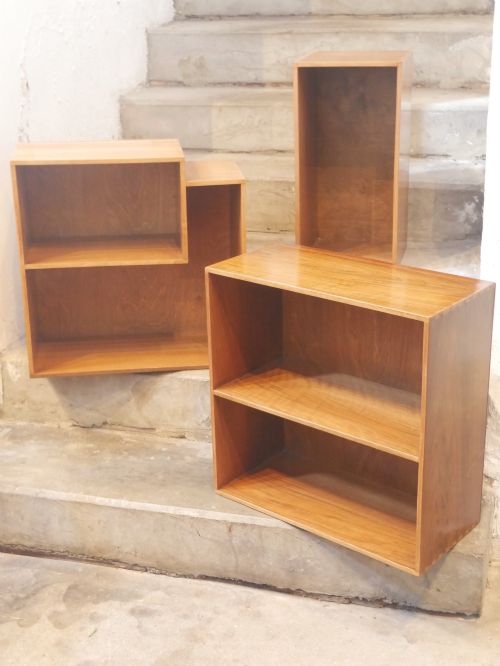
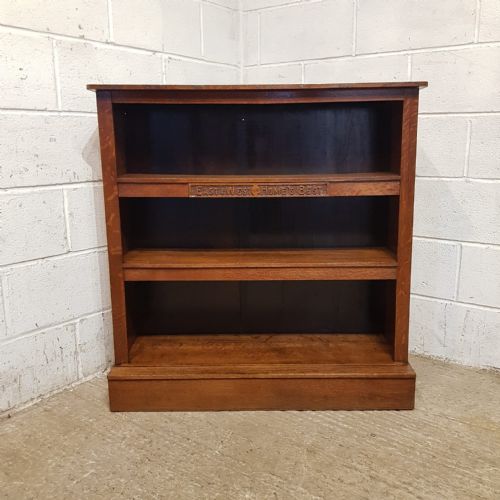
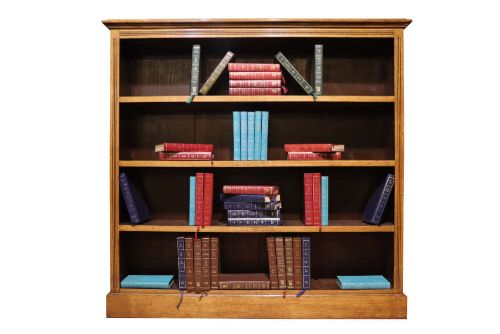
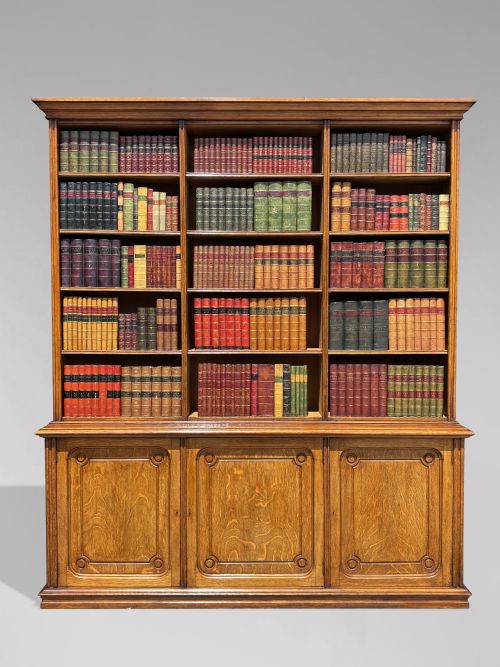
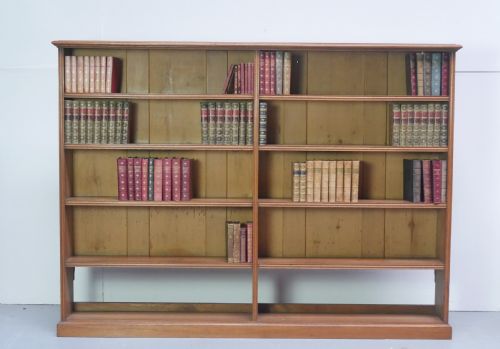
These pieces are a warm oak shelving unit, bringing sturdy timber and functional open storage into your rooms.
Warm Oak Shelving Unit
A warm oak shelving unit offers reliable open storage for books and display objects across multiple periods of design. You encounter open bookcases, waterfall forms, display boxes, and dressers shaped from golden and traditional timber.
The pieces on this page span the Victorian era, the Edwardian period, and the 1930s. Styles range from Arts and Crafts and Art Deco to French Provincial and traditional workshop traditions.
Most examples rely on open fronts and adjustable shelves to house everyday collections. They combine the utility of the library with the warm tones characteristic of early twentieth-century and nineteenth-century woodwork.
Materials and construction
Makers built these pieces primarily using solid oak, golden oak, and occasionally plywood or wood veneer for secondary surfaces. The wood grain provides the defining visual warmth across every period represented.
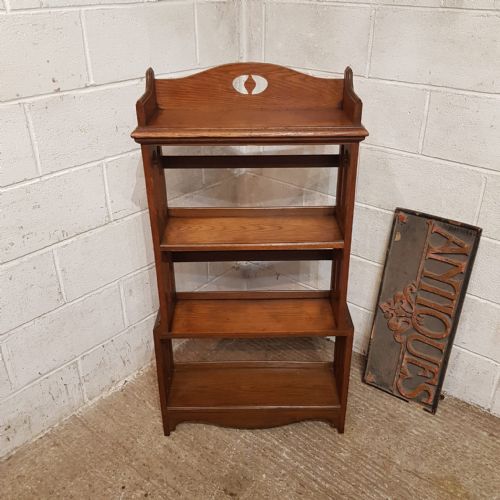
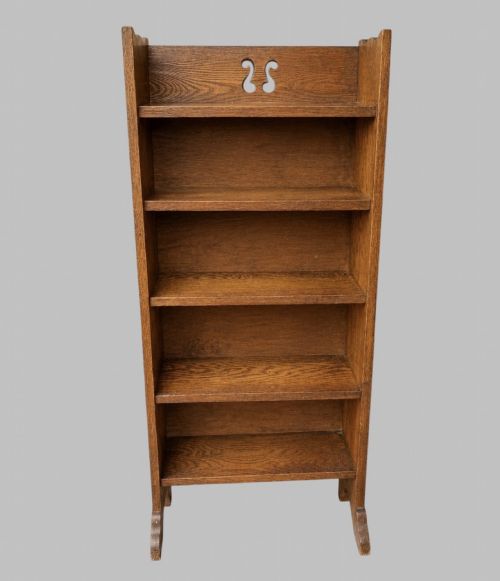
Construction techniques include decorative fret-cutting, waterfall tiers, and architectural cut-outs seen in Arts and Crafts examples. Adjustable shelf mechanisms appear in later designs to accommodate varying book heights.
Arts and Crafts, Art Deco, and French Provincial styles all appear within the selection of open bookcases.
Distinguishing quality
Quality rests in the selection of the timber and the crispness of decorative details like fret-cutting. Superior examples display thoughtful proportions and harmonious grain patterns across the visible surfaces.
Workshop execution dictates the longevity of the joints and the smooth operation of adjustable shelving. Pieces that integrate decorative cut-outs or waterfall tiers demonstrate a higher ambition in design than plain utility items.
Heals
The Warm Oak Shelving Unit Glossary
- Golden oak
- A bright, warm timber finish popular in Edwardian and late Victorian furniture. It highlights the natural grain of the wood.
- Waterfall bookcase
- A shelving form where tiers step back progressively from bottom to top. This design originated in the nineteenth century and persisted into the Edwardian era.
- Arts and Crafts
- A design movement prioritising traditional craftsmanship and simple forms. Pieces from this style often feature exposed construction and honest materials.
- Fret-cut
- Openwork ornamentation carved or pierced through the wood. It adds decorative lightness to heavy oak bookcases.
Warm Oak Shelving Unit: Frequently Asked Questions
How do I date a warm oak shelving unit?
Examine the construction methods, handles, and stylistic cues present in the woodwork. Arts and Crafts and Edwardian pieces often display distinct decorative cut-outs or golden oak finishes.
Compare the proportions and shelf adjustment mechanisms against known period examples. Victorian pieces tend to be heavier in scale than later 1930s designs.
Where should I place a warm oak shelving unit?
These pieces suit studies, living rooms, and hallways where open storage is useful for books and display items. The warm oak tones complement both traditional and mid-century interiors.
Keep the wood away from direct heat sources and strong sunlight to protect the finish. Allow sufficient space around the open front for easy access to your collection.
What is the difference between an open bookcase and a dresser?
An open bookcase provides dedicated shelf space primarily designed for books and decorative objects. These units focus on vertical storage with open fronts.
A dresser typically combines shelving with enclosed storage or a broader base unit. The listings show both forms utilising oak and golden oak materials.