


Warm Brown Shelving Unit
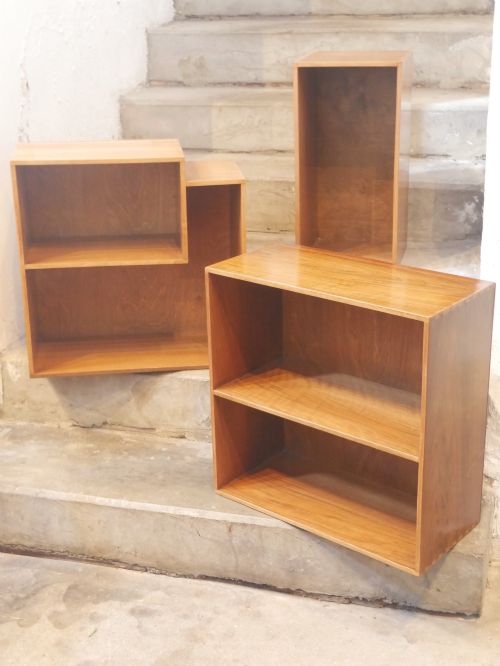
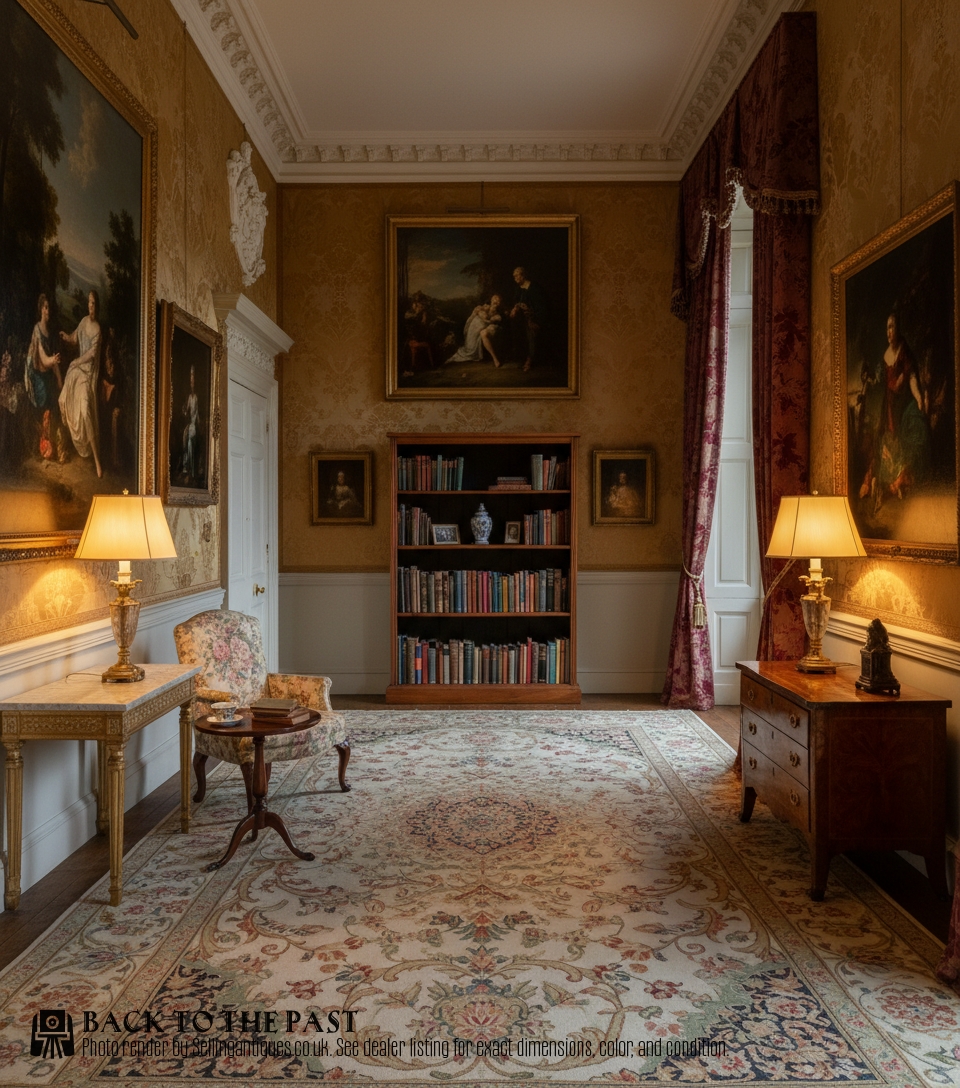
A warm brown shelving unit brings rich timber tones and practical tiering to a room, offering open storage for books and display.
Warm Brown Shelving Unit
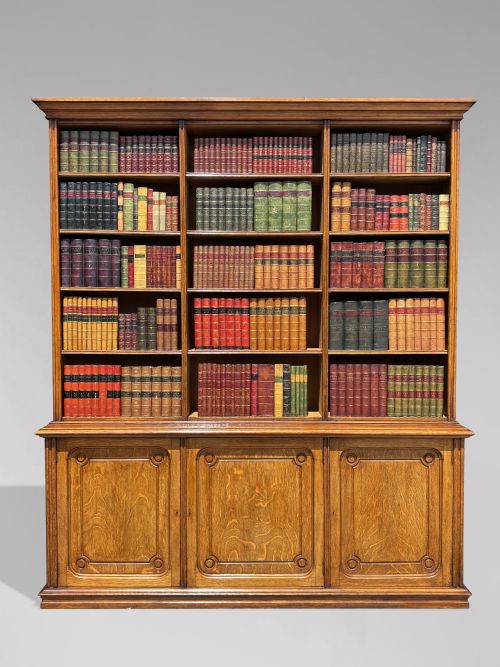
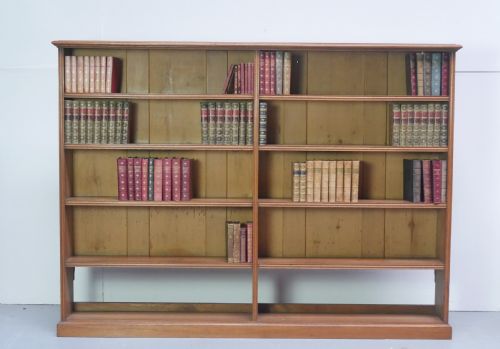
A warm brown shelving unit encompasses open bookcases, multi-tiered whatnots, and hanging wall shelves spanning the Victorian and Edwardian periods into the early twentieth century. These pieces serve to organise libraries and display collections across various domestic settings.
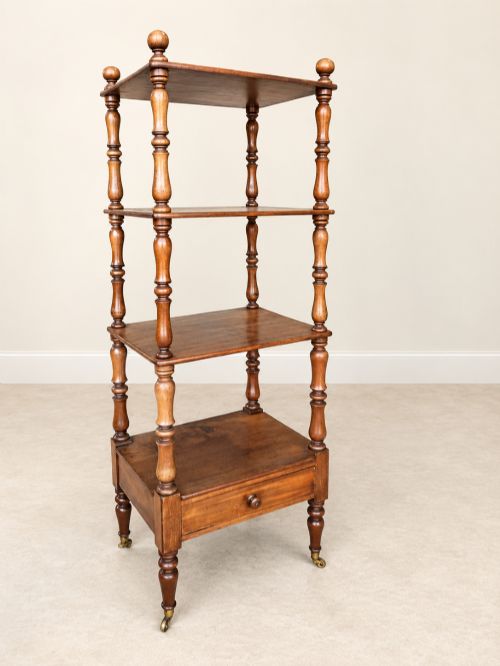
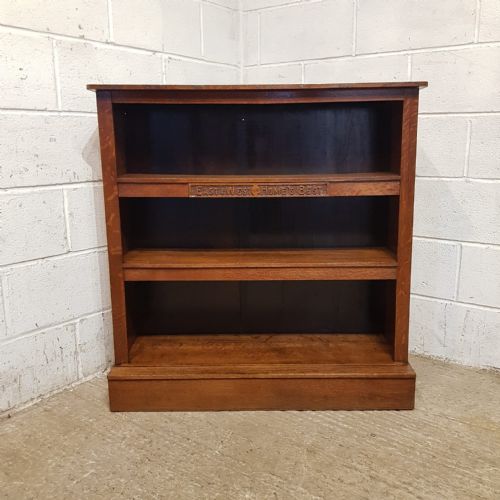
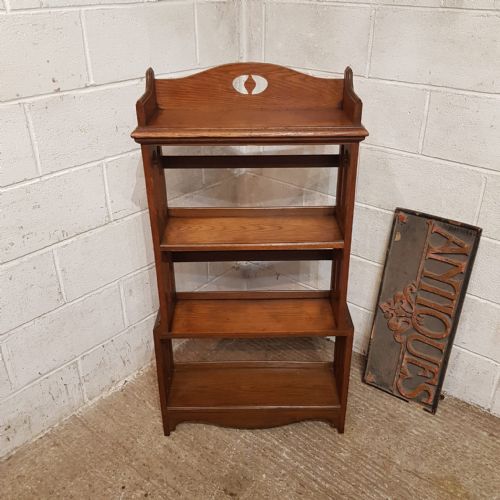
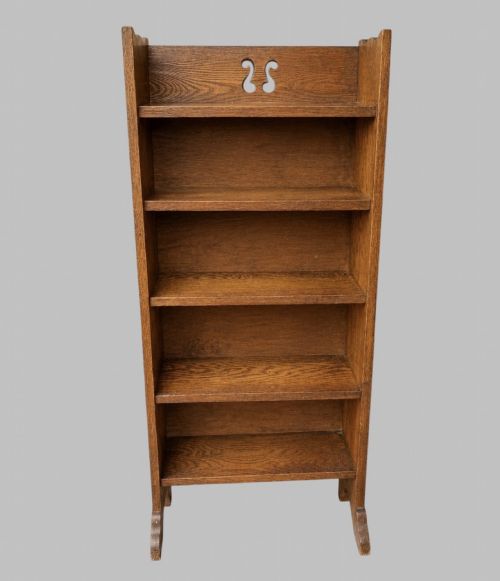
The most common examples encountered are oak and walnut open bookcases and tiered whatnots from the late nineteenth and early twentieth centuries. These pieces reflect Arts and Crafts, Edwardian, and Victorian design traditions, often featuring adjustable shelves or fret-cut details.
Materials and Construction
Construction relies heavily on timbers such as oak, mahogany, walnut, and satinwood, frequently paired with wood veneer and brass fittings. Workshops utilised solid planks for uprights and shelves, incorporating dovetailed joints and inlaid friezes for decorative definition.
Surface finishing involves polishing and waxing to accentuate the natural grain and warm brown tones of the hardwood. Structural elements like fret-cutting and tier supports are integrated directly into the framing to ensure stability for display cabinets and bookcases.
Listings feature oak, walnut, mahogany, and satinwood across Victorian, Edwardian, and Arts and Crafts styles.
Quality and Craftsmanship
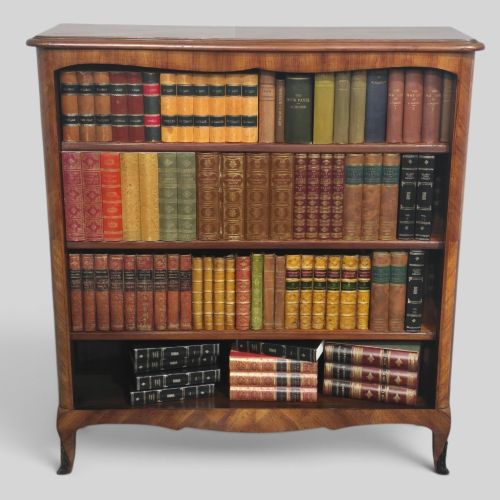
Quality rests on the selection of timber and the precision of joinery, distinguishing straightforward utility items from finer cabinetwork. Finer examples display carefully matched wood veneers, subtle inlay work, and robust adjustable shelf mechanisms.
The handling of decorative details such as fret-cut panels and serpentine fronts separates standard production from superior pieces. Structural integrity in multi-tiered whatnots and tall bookcases indicates the maker's attention to load-bearing stability.
Heals
The Warm Brown Shelving Unit Glossary
- Bookcase
- An item of furniture with horizontal shelves used for storing books. Most pieces seen here utilise an open-front configuration rather than glass doors.
- Whatnot
- A multi-tiered piece of furniture designed for displaying ornaments and small objects. These typically feature three to five open shelves supported by slender uprights.
- Waterfall bookcase
- A set of open shelves that steps back progressively from bottom to top, creating a cascading profile. This form appears frequently in Edwardian oak iterations.
- Fret-cut
- A woodworking technique where a pattern is pierced or cut through thin timber using a fretsaw. This method creates decorative pierced brackets and galleries on shelves.
Warm Brown Shelving Unit: Frequently Asked Questions
What is a whatnot shelf?
A whatnot is a multi-tiered shelving unit traditionally used for displaying ornaments, ceramics, and books. These pieces feature several open tiers supported by turned or upright posts.
They function well in living spaces and corners where vertical display space is needed without dominating the room.
How do I style a wooden bookcase?
Open wooden bookcases allow for a mix of book storage and decorative object placement. Grouping books vertically and horizontally creates visual variation among the shelves.
Maintaining adequate spacing around items highlights the warm timber tones and grain patterns of the cabinet.
Are these shelves adjustable?
Many of the open bookcases from the Edwardian and Victorian periods incorporate adjustable shelving systems. These allow the shelf heights to be modified for different book sizes.
Fixed shelves remain more common in tiered whatnots and specific cabinet configurations.
How do I identify an Edwardian bookcase?
Edwardian shelving units often feature lighter oak construction, sometimes with simple fret-cut details or waterfall profiles. They reflect a shift towards lighter domestic furniture compared to heavy Victorian designs.
Hardware and construction methods from this era typically show machine-assisted precision alongside traditional hand finishing.