
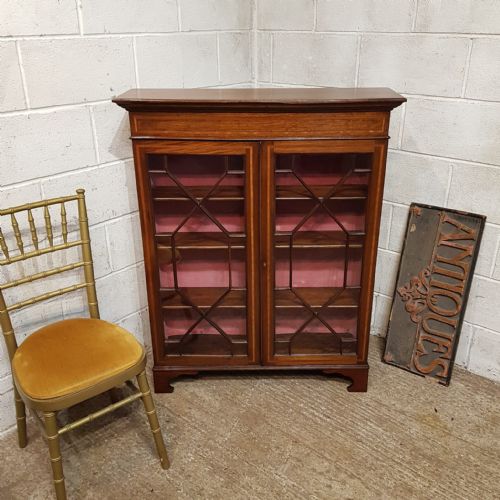


Standing Wood Book Cabinet
A standing wood book cabinet brings order to a room, offering sturdy shelves for volumes crafted in mahogany, oak, and rosewood.
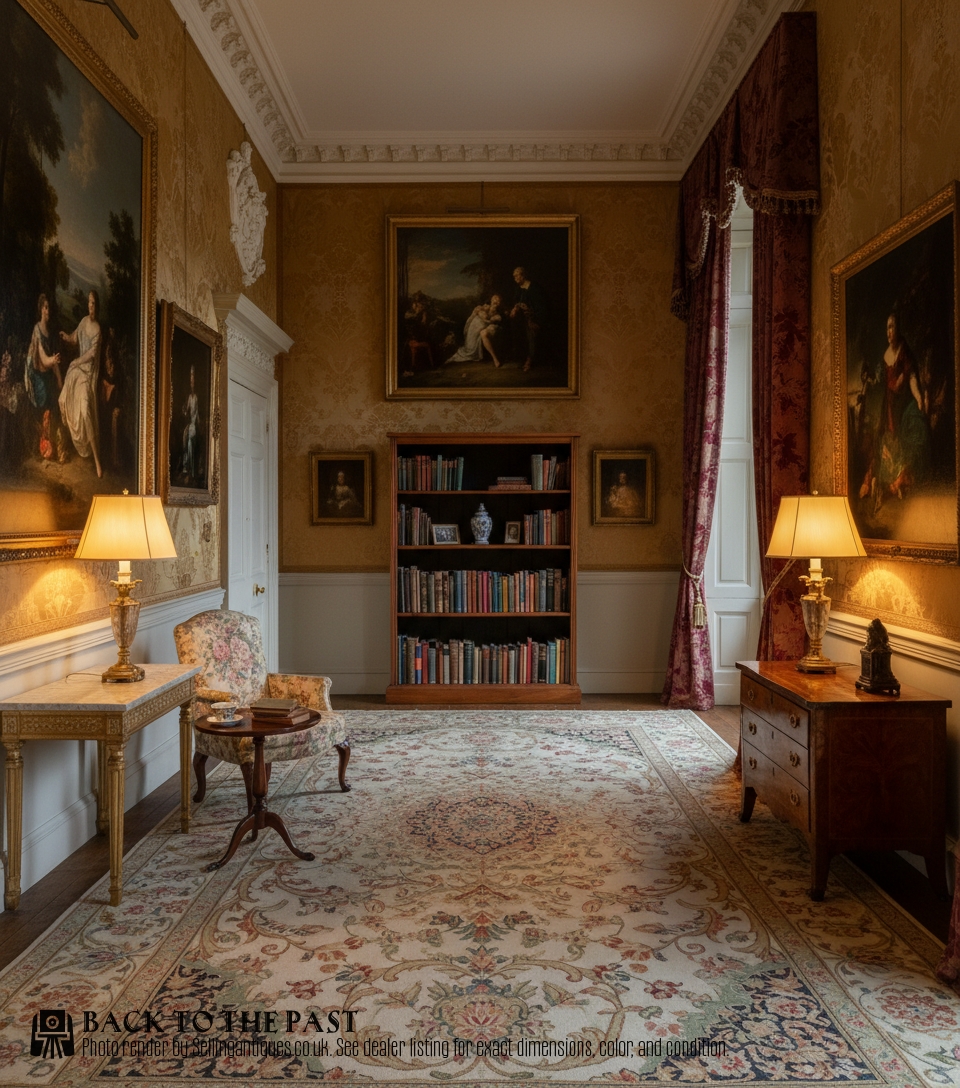
Standing Wood Book Cabinet
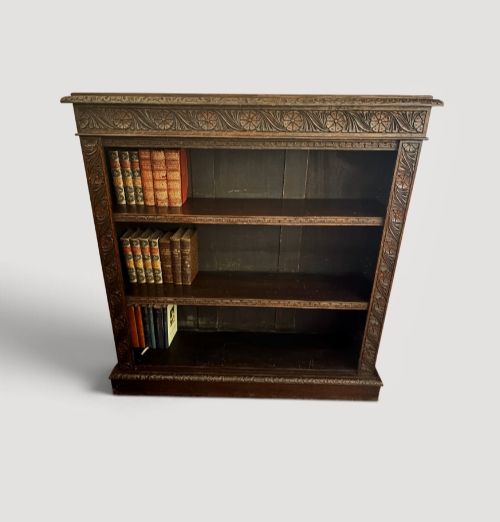
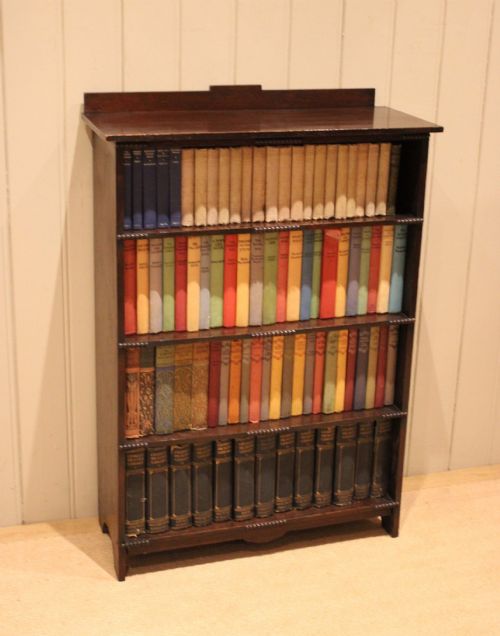
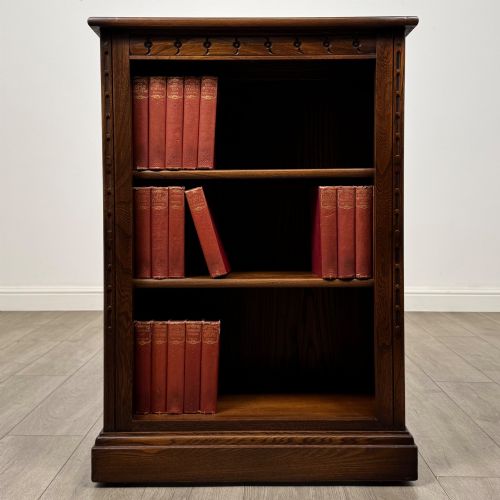
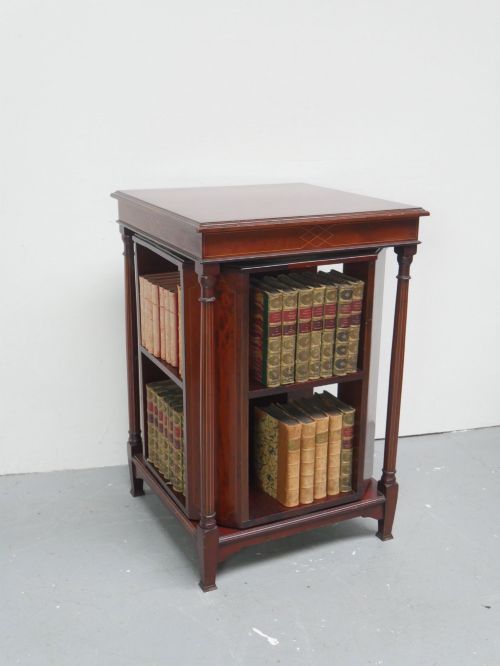
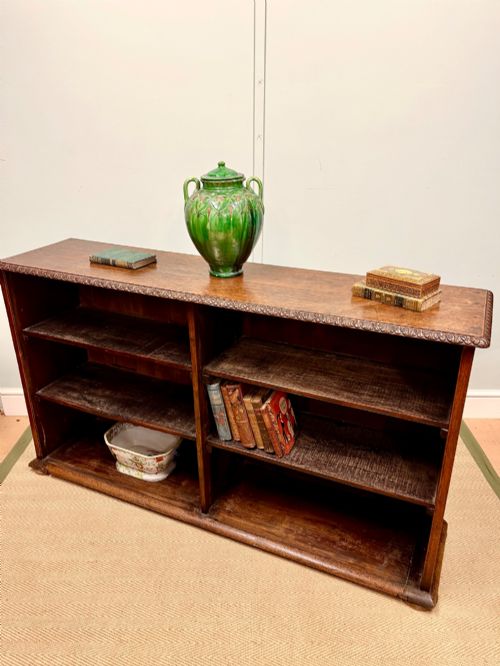
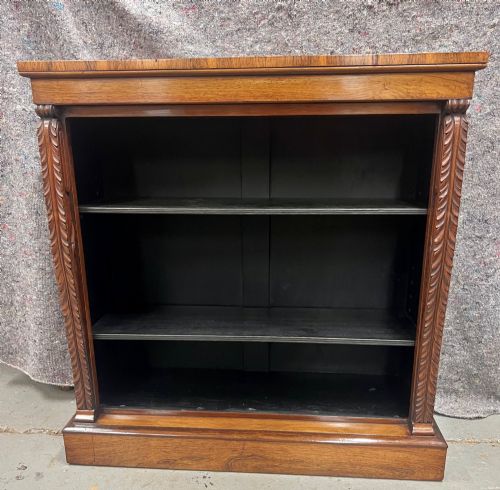
When you search for a standing wood book cabinet, you encounter sturdy pieces designed to house private libraries and display prized editions. These storage items span the Georgian, Regency, Victorian, and Edwardian periods, reflecting changing domestic habits across centuries. You meet open shelf designs alongside glazed cabinets and revolving models meant for easy access.
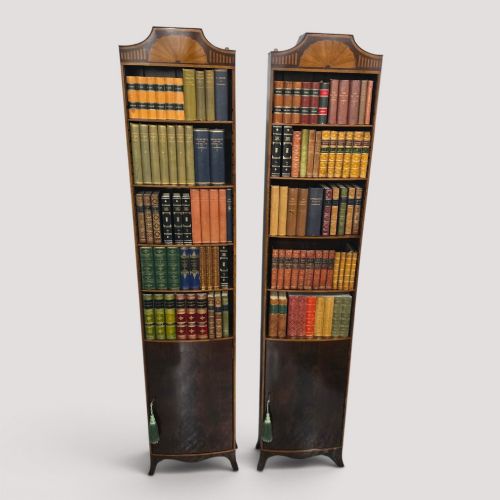
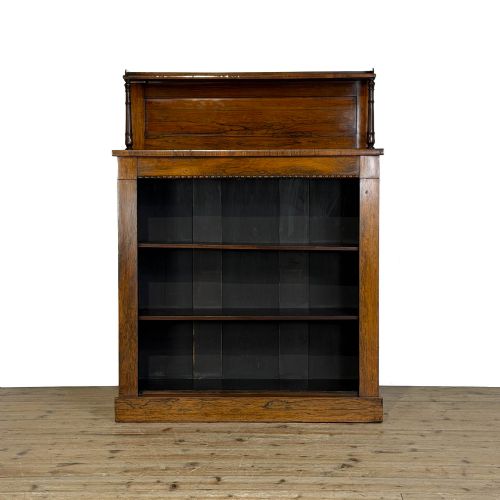
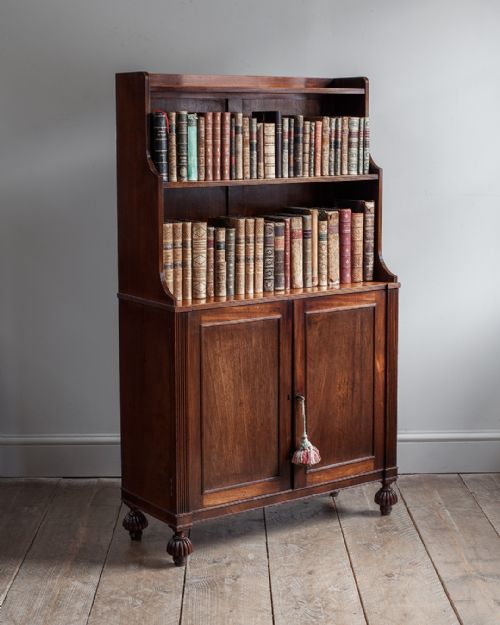
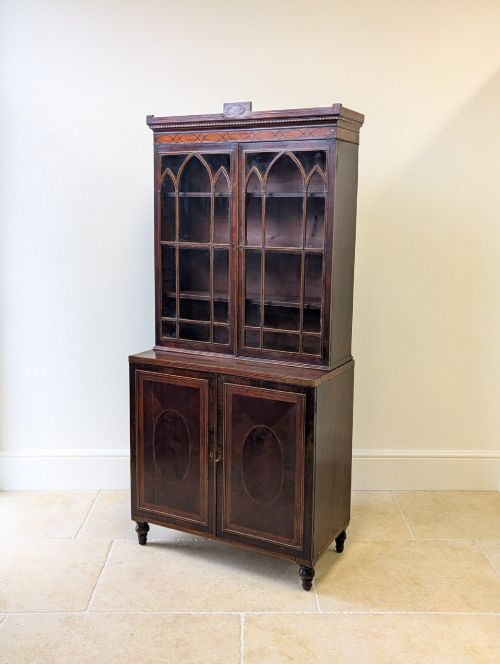
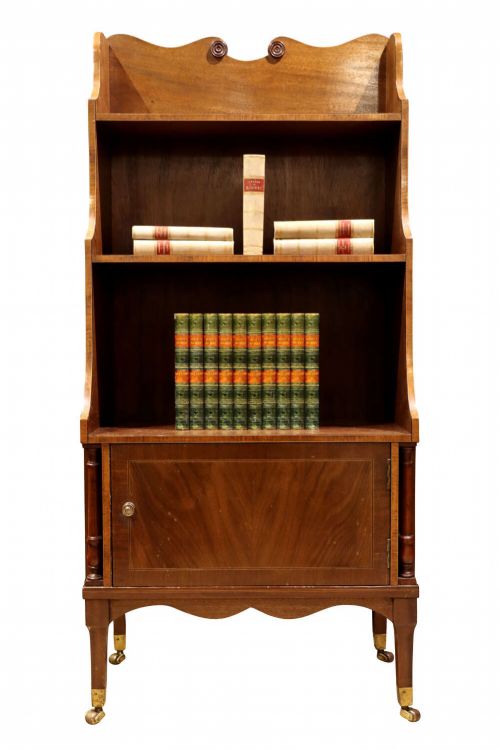
Mahogany and oak dominate the forms on offer, frequently joined by rosewood, satinwood, and walnut. Makers built these standing pieces as tall upright bookcases, low waterfall shelves, or combined cupboards with glazed doors. Each variation served the Victorian parlour or Georgian study with distinct practical utility.
The selection ranges from simple provincial pine frames to finely detailed breakfront furniture fitted with brass castors. You find compact bedside variants alongside towering library bookcases meant to anchor a room. This inventory captures the evolution of household book storage from the late eighteenth century into the twentieth.
Materials and construction methods
Cabinet makers utilised dense hardwoods like mahogany, oak, and rosewood to construct the structural carcasses of these standing cabinets. Timber selection dictated the longevity of the piece, with quarter-sawn oak and figured mahogany providing both strength and visual depth. Joinery relied on traditional housing joints and dovetails to bear the heavy weight of bound volumes.
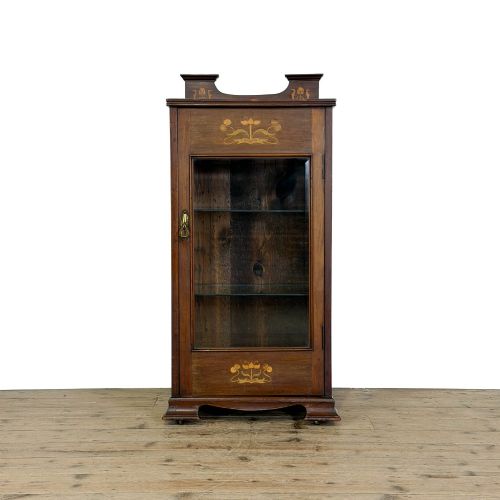
Surface decoration involved delicate wood inlay, satinwood banding, and carved detailing around the cornices and plinths. Makers integrated brass castors for mobility on heavier standing bookcases and fitted glass into astragal frames for display cabinets. Ormolu mounts appear on select pieces, adding metallic contrast to polished dark woods.
Some Edwardian models doubled as bedside tables, proving that Victorians loved a midnight read just as much as we do.
Distinctions in craftsmanship and finish
The division between standard utility pieces and finer examples rests in the selection of timber veneers and the crispness of carved details. Superior cabinets display continuous grain patterns across drawer fronts and doors, matched with hand-cut joinery that remains tight after generations of use. Inferior items rely on applied mouldings rather than carved enrichment.
Hardware and secondary elements also separate grades of manufacture, from plain brass hinges to high-spec ormolu mounts and original castors. The integration of glass panels, whether flat or complex astragal glazed, shows the hand of a more accomplished workshop. Structural integrity in the shelving supports determines daily utility.
Maker attribution elevates certain standing wood book cabinets above anonymous workshop production, particularly pieces bearing documented marks from firms like Shapland and Petter. The presence of specialised formats, such as revolving mechanisms or tiered waterfall shelves, demonstrates advanced carpentry distinct from basic square shelving.
Shapland and Petter
The Standing Wood Book Cabinet Glossary
- Waterfall bookcase
- A tiered shelving unit where each successive shelf steps back from the one below it, creating a cascading profile.
- Astragal glazed
- A glass door divided into smaller panes by narrow wooden mouldings known as glazing bars.
- Breakfront
- A cabinet design where the central section projects forward from the flanking wings.
- Secretaire chiffonier
- A low standing cabinet incorporating a pull-down writing drawer above enclosed lower cupboard space.
- Revolving bookcase
- A compact tabletop or floor-standing bookcase mounted on a pivot for rotation.
Standing Wood Book Cabinet: Frequently Asked Questions
How do I date an antique bookcase?
Dating relies on examining the timber species, construction methods, and stylistic motifs present in the piece. Georgian and Regency pieces show different proportions and moulding profiles compared to later Victorian and Edwardian examples.
Secondary woods used in drawer construction and the presence of original brass hardware or castors also provide clues to the period of manufacture.
Where should I place a standing cabinet?
These cabinets suit studies, living rooms, and bedrooms where you need accessible book storage combined with display space.
Keep them away from direct sunlight and heat sources to protect the polished wood surfaces and prevent timber warping.
What maintenance do these cabinets need?
Routine care involves dusting with a soft, dry cloth and occasionally applying a quality beeswax to nourish the timber.
Avoid liquid polishes and silicone sprays, which can build up on the wood finish over time and attract dust.