


Walnut Wood Furniture
Walnut wood furniture spans centuries of cabinet-making, offering rich grain patterns and sturdy construction for everyday domestic use.
Walnut Wood Furniture
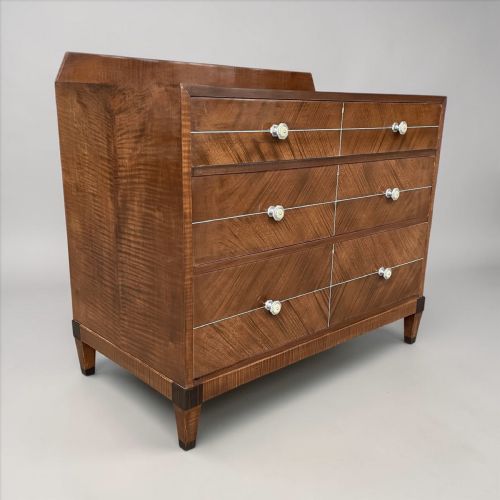
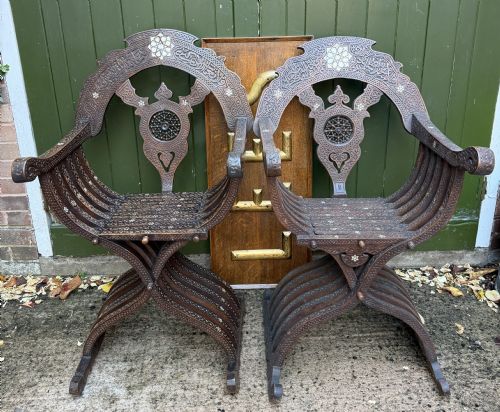
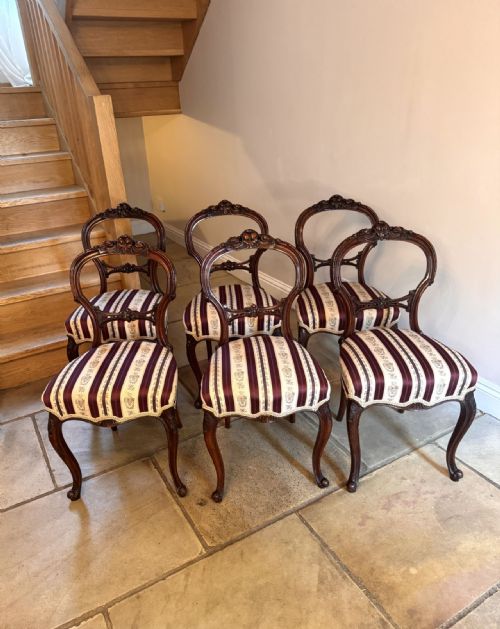
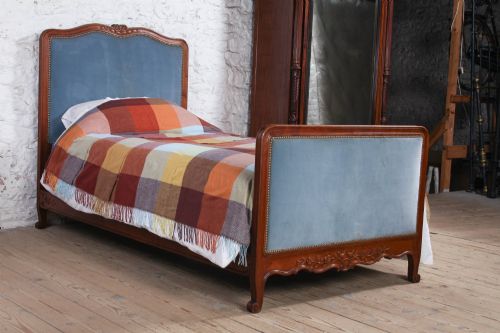
Walnut wood furniture encompasses a broad selection of domestic forms ranging from practical storage pieces to seating and display items. When searching for walnut wood furniture, buyers encounter items dating from the eighteenth century through to the Art Deco period of the nineteen-thirties.
Materials and construction
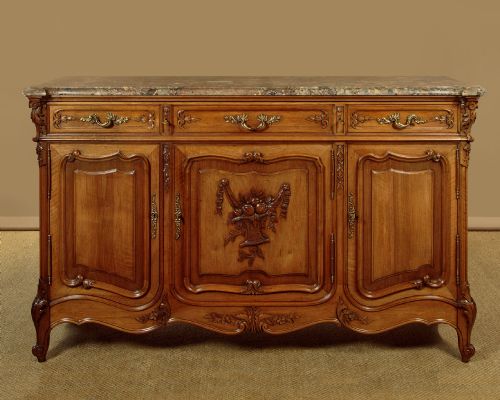
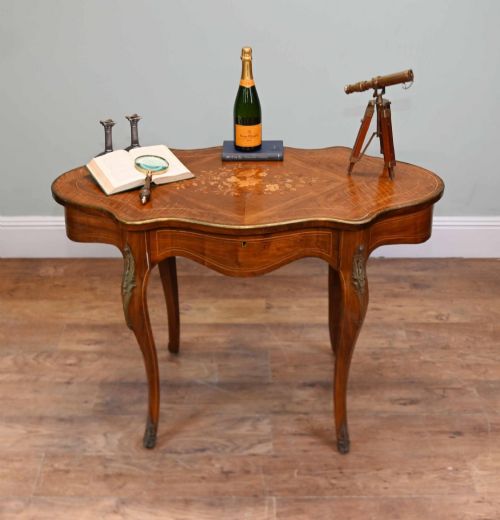
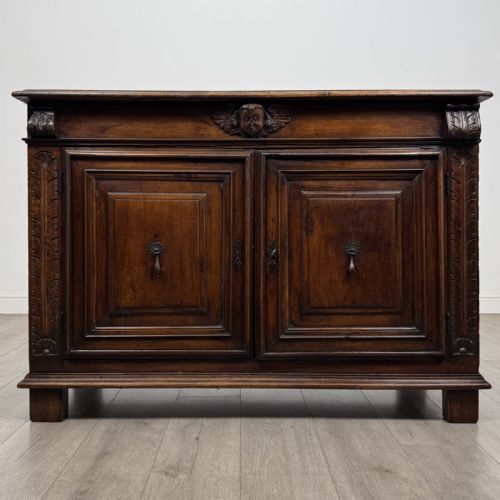
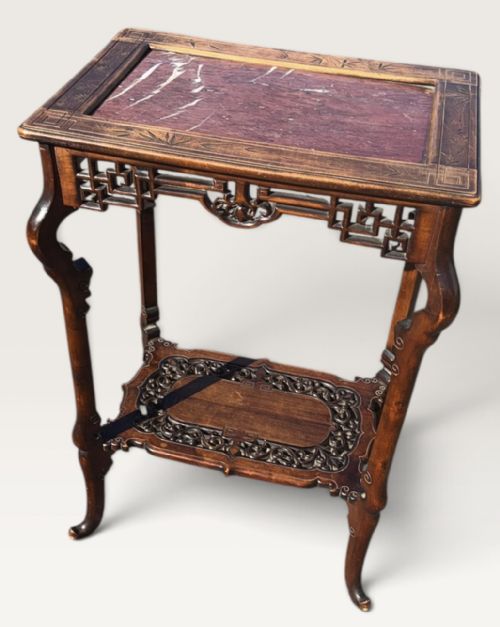
Cabinet-makers utilised solid walnut and decorative veneers such as burr walnut and figured walnut over secondary timbers like oak. Surfaces often display intricate marquetry inlay, brass hardware, and carved detailing.
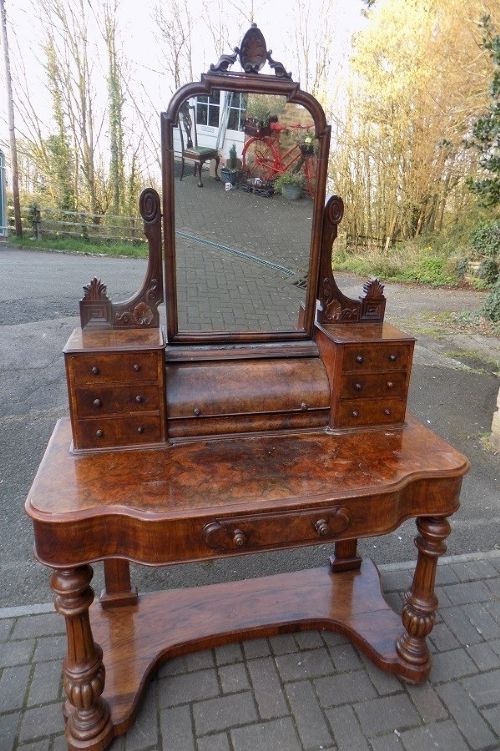
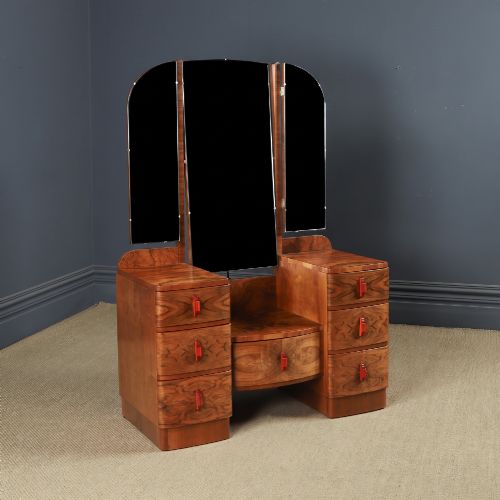
Structural elements incorporate mirror glass on dressing pieces and marble tops on sideboards, combining decorative appeal with functional utility.
Walnut Wood Furniture Retail Price Guide 2026
Typical asking prices for walnut wood furniture among the pieces listed under this phrase on Sellingantiques today, from the lower quarter to the upper quarter. They describe what is for sale here now, not the wider market.
One nineteenth-century Black Forest seat takes the form of a carved wooden bear ready to play music.
Evaluating quality in walnut pieces
The distinction between standard and superior pieces rests on the selection and matching of wood grain across primary surfaces. Figured and burr veneers require expert application to maintain visual balance across drawer fronts and table tops.
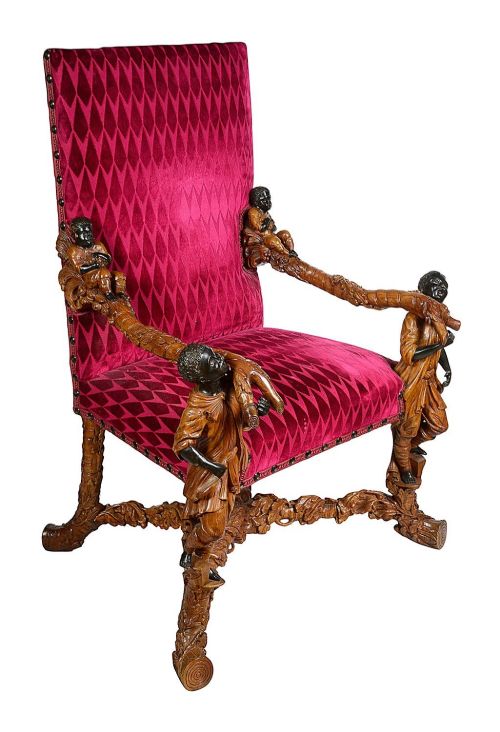
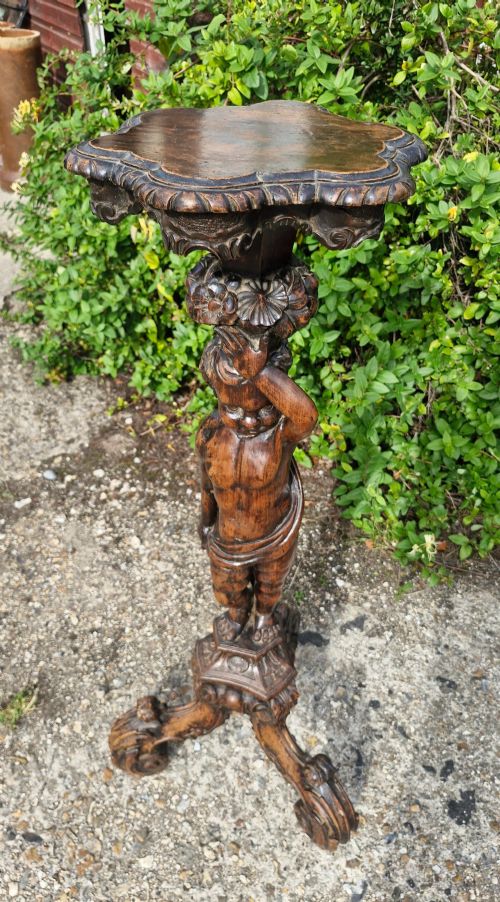
Hand-carved ornamentation, such as cherubs or foliate motifs, and the integration of secondary materials like brass inlay or marble indicate higher craftsmanship. The integrity of the underlying joinery determines how well a piece withstands daily use.
Bath Cabinet Makers·Gabriel Viardot·Shapland & Petter
The Walnut Wood Furniture Glossary
- Burr walnut
- A decorative wood veneer obtained from the wart-like growths on walnut trees. It creates complex, swirling grain patterns highly valued in cabinet-making.
- Marquetry
- The art of applying pieces of veneer to a structure to form decorative patterns. Craftsmen use various tinted woods to create pictorial designs on tabletops and drawer fronts.
- Lowboy
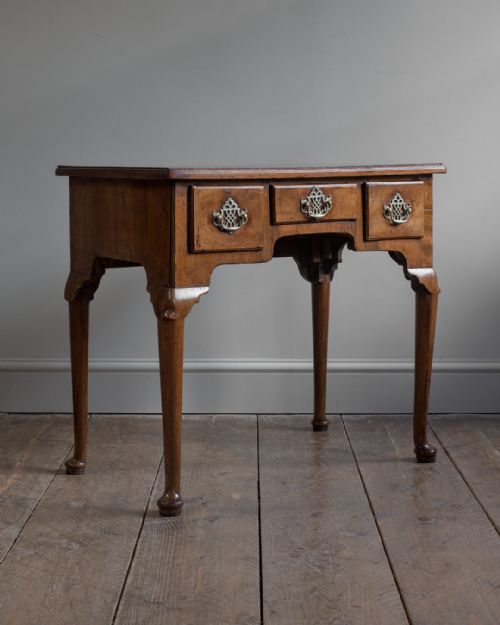
- A small eighteenth-century dressing table or side table featuring one or more rows of drawers beneath a flat top. They typically stand on slender cabriole legs.
- Canterbury
- A small multi-tiered stand designed for holding sheet music, books, or newspapers. Victorian examples in walnut often incorporate pierced partitions and turned uprights.
- Bergère
- An enclosed upholstered armchair with wooden framing. French examples often feature exposed polished wood and detailed cane work on the sides and back.
Walnut Wood Furniture: Frequently Asked Questions
How do I care for walnut wood furniture?
Keep walnut furniture away from direct sunlight and heat sources to prevent the wood from drying out or the veneer from lifting. Dust regularly with a soft, dry cloth and apply occasional specialist wax to nourish the grain.
Avoid using silicone-based polishes or wet cloths, as excess moisture can damage antique French polish or oil finishes. Place felt pads beneath objects placed on table tops to guard against scratches.
What is the difference between burr walnut and figured walnut?
Burr walnut comes from tree growths that produce dense, swirling, and organic cluster patterns across the timber. It provides a highly decorative and ornamental surface used on prominent furniture panels.
Figured walnut refers to grain patterns created by natural growth anomalies or cutting angles, resulting in striped or rippled effects rather than circular burls. Both offer distinct visual depth compared to plain straight-grained walnut.
How do I identify an 18th century walnut chest?
Eighteenth-century walnut chests typically feature timber frames with tongue-and-groove drawer construction, hand-cut dovetails, and solid brass batwing handles or drop pulls. The wood often exhibits a rich, warm patina developed over centuries of handling.
Early examples frequently utilise oak as a secondary wood inside drawers and cabinet backs. Check for signs of hand-planing and traditional peg joinery rather than modern mechanical fasteners.
Can I use an antique walnut desk for daily work?
Antique walnut desks and writing tables offer sturdy work surfaces well-suited for contemporary laptop use and writing. Ensure the height matches your seating requirements and verify that the drawer mechanisms operate smoothly.
Protect the writing surface using a leather blotter or desk pad to prevent ink stains or scratches on antique polished wood. Periodic checks of the joints will keep the desk stable during heavy daily use.