

Walnut Wood Carving
Walnut wood carving brings warmth and rich grain to furniture and sculpture across centuries of British, French, and German design.
Walnut Wood Carving
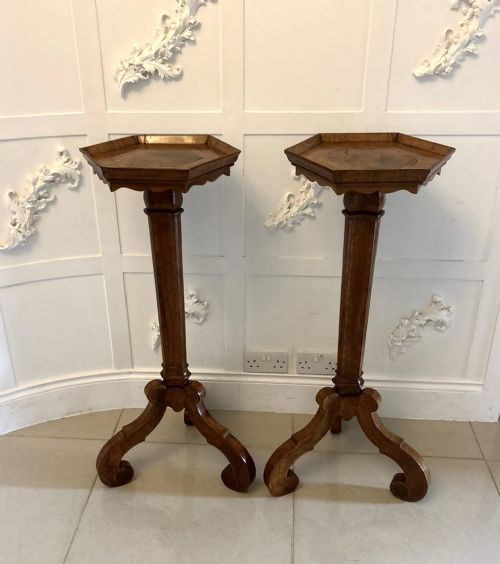
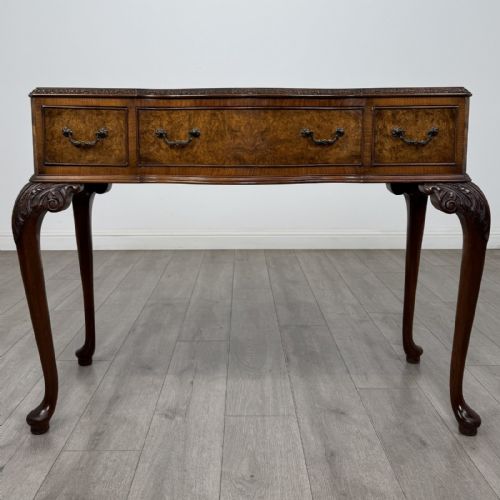
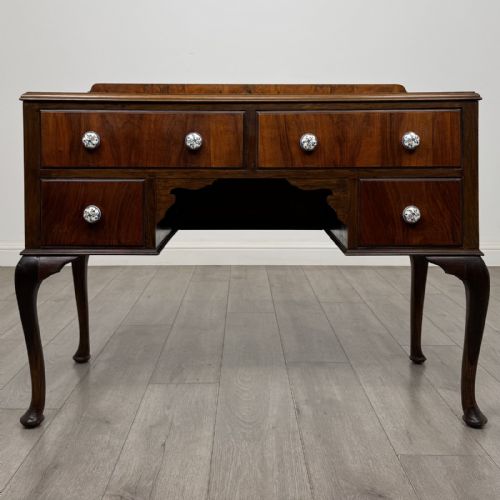
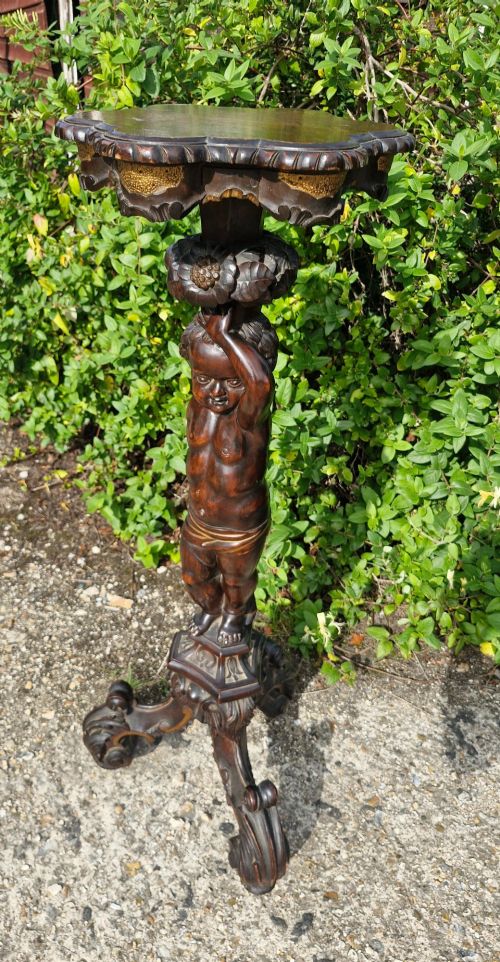
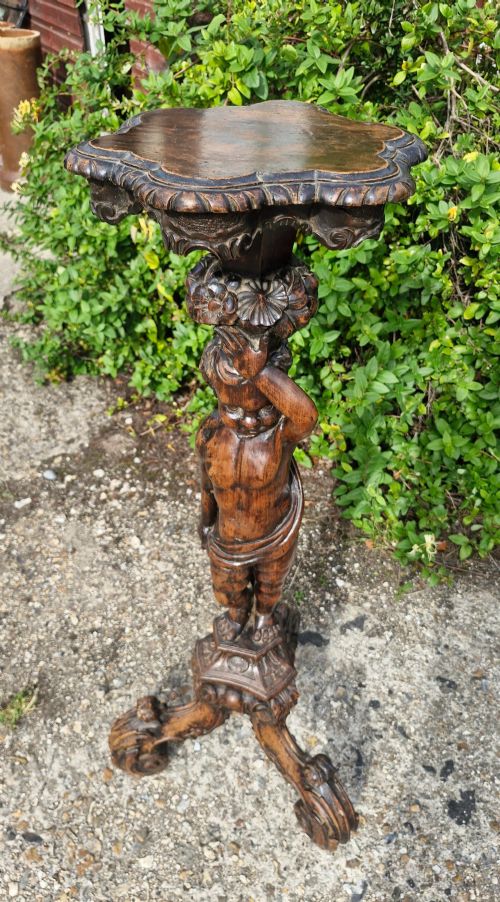
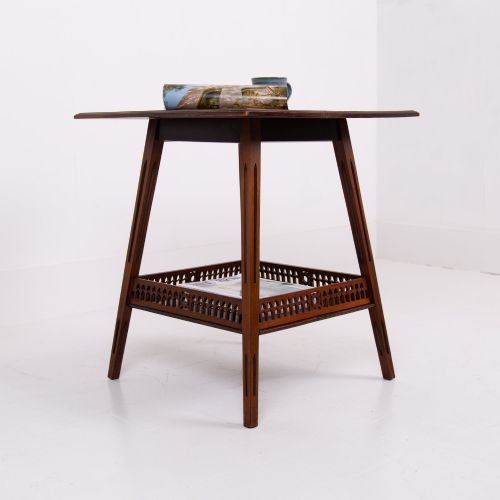
When you search for walnut wood carving, you encounter a diverse array of items ranging from Victorian card tables and sideboards to intricate Black Forest figures and French Art Nouveau mirrors. These pieces span periods from the eighteenth century through to the early twentieth century, utilising solid timber alongside burr veneers.
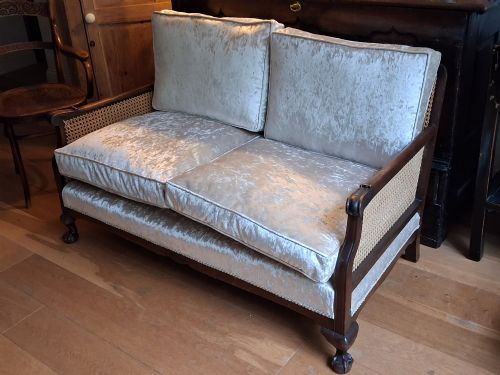
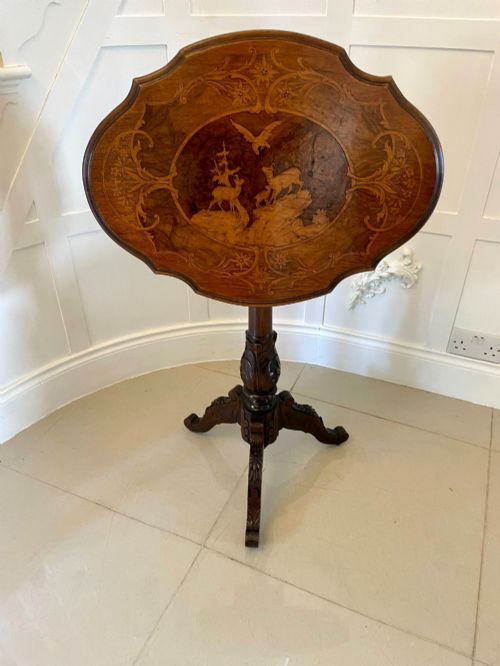
You are most likely to meet Victorian and late nineteenth-century examples on this page, including occasional tables, armchairs, and wall mirrors. The selection also includes seating, consoles, cabinets, and sculptural figure groups reflecting styles such as Louis XV, Queen Anne Revival, and Gothic.
The objects serve both decorative and functional roles in domestic interiors, moving from refined George III mirrors to practical cocktail drinks cabinets and occasional tables. Each piece demonstrates the versatility of the timber through varied application in European and Anglo-Indian workshops.
Materials and Techniques
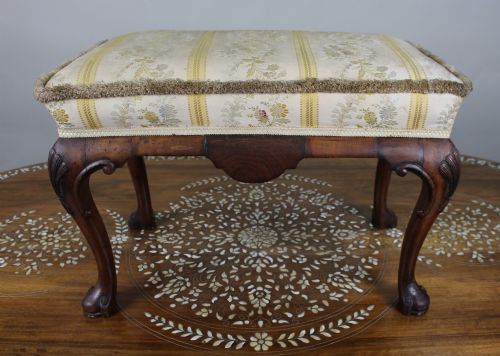
Cabinet makers and carvers worked primarily with walnut and burr walnut, often combining solid timber frames with figured veneers to accentuate the natural grain patterns. Additional materials such as brass, glass, marble, and giltwood appear alongside fabric and silk upholstery on seating and stools.
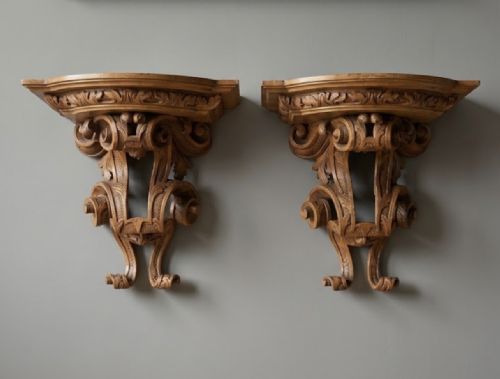
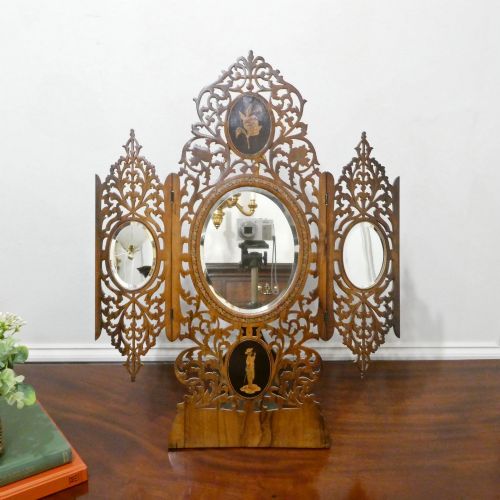
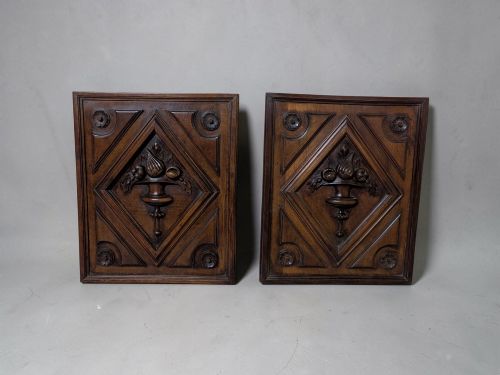
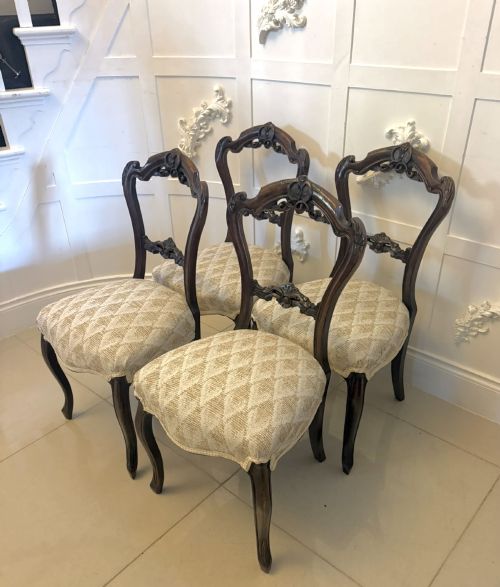
Carving techniques allowed artisans to create deep relief decoration on mirror frames, chair crestings, and table bases, sometimes paired with parcel gilt accents or mother of pearl inlay. Bleached walnut and dark polished surfaces reveal the differing finishes applied to attain specific aesthetic goals in French and English workshops.
A Black Forest whip hook takes the form of a carved gnome ready to assist in the hallway.
Assessing Quality and Execution
The distinction between standard domestic production and exceptional pieces lies in the crispness and depth of the carved detail. Skilled carvers achieved sharp undercut foliage and figures that retain their definition without appearing heavy or clumsy.
Selection of the timber itself dictates visual appeal, with symmetrical burr veneers and rich grain movement elevating the status of a console table or wardrobe. Integration of secondary materials, such as mercury gilding, fine brass hardware, and hand-woven silks, separates ordinary items from high-end salon suites.
Gabriel Viardot
The Walnut Wood Carving Glossary
- Burr Walnut
- A timber derived from the irregular growth of a walnut tree, producing highly figured, swirling grain patterns. It was frequently sliced into veneers for the surfaces of tables and cabinet doors during the Victorian period.
- Giltwood
- Timber that has been coated with a thin layer of gold leaf or powder. This finish appears on carved mirror frames and decorative accents to catch the light in formal rooms.
- Gueridon
- A small circular table supported by a central column or figures. These French occasional tables often feature walnut or bleached walnut tops.
- Black Forest
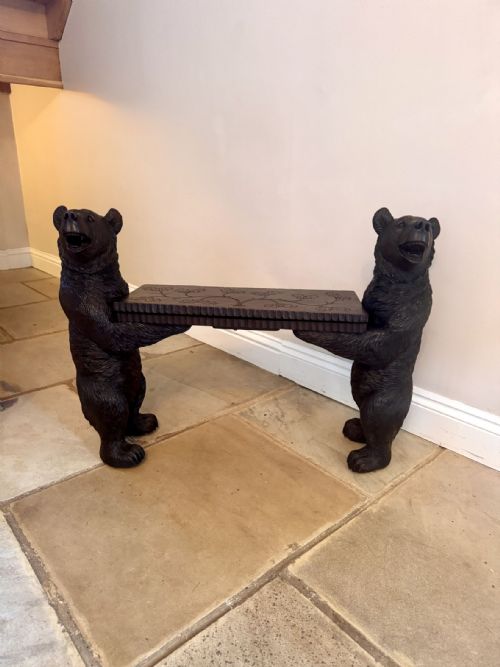
- A style of wood carving originating in Switzerland and Germany during the nineteenth century, known for realistic representations of animals and woodland themes in dark timber.
- Parcel Gilt
- A method where only specific portions of a wooden object are gilded while the rest of the walnut surface remains exposed. This technique highlights carved mouldings and architectural details on mirrors and chairs.
Walnut Wood Carving: Frequently Asked Questions
How do I identify burr walnut?
Burr walnut is recognised by its distinctive swirling, mottled grain patterns caused by growths on the tree.
Cabinet makers used these figured sections as veneers on prominent surfaces like table tops and cabinet doors.
What periods do these pieces cover?
The listings span from the eighteenth century up to the early twentieth century, taking in Georgian, Victorian, and Edwardian eras.
Victorian and late nineteenth-century items form a large portion of the available objects.
Where were Black Forest carvings made?
These distinctive animal and figural sculptures originated in the woodland regions of Germany and Switzerland during the nineteenth century.
Carvers utilised local timber to create detailed representations of bears, grooms, and decorative hooks.
How should I care for antique walnut?
Maintain the timber by keeping pieces away from direct sunlight and rapid changes in central heating.
Apply gentle wax polishes sparingly to preserve the natural lustre of the polished wood and veneer surfaces.