

Walnut Wood Box
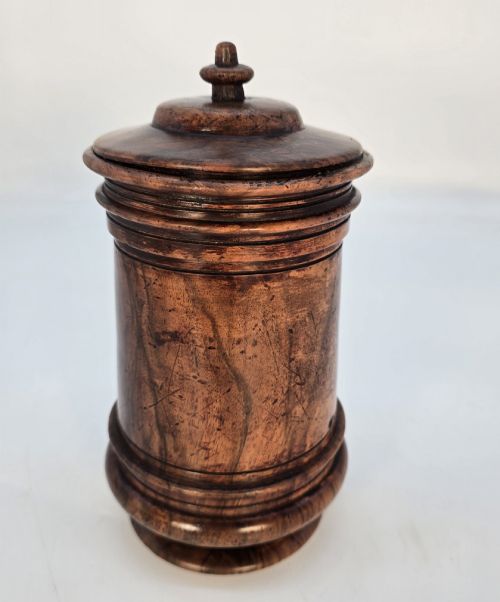
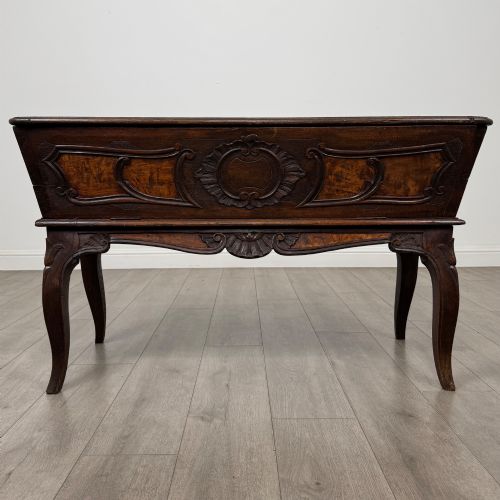
A walnut wood box holds small treasures securely, uniting rich timber grain with centuries of functional cabinet-making.
Walnut Wood Box
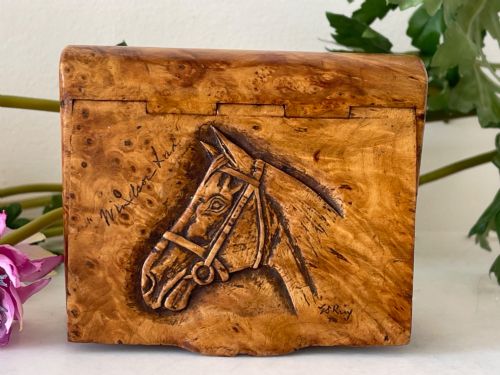
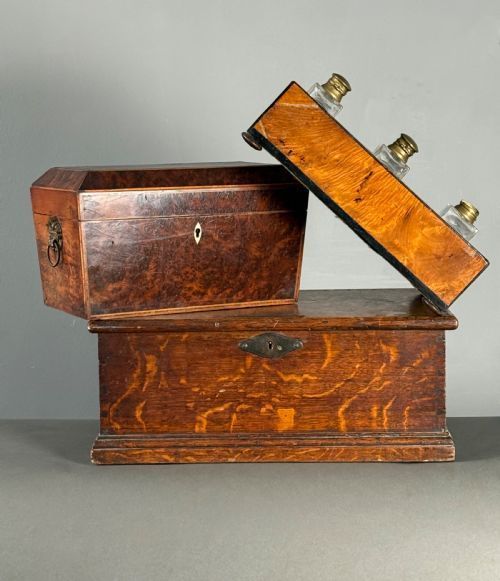
A walnut wood box spans everything from miniature receptacles for jewellery and trinkets to larger caskets, writing slopes, and stationery holders. These pieces emerge across multiple eras, stretching from the seventeenth century through the Victorian period and into the early twentieth century.
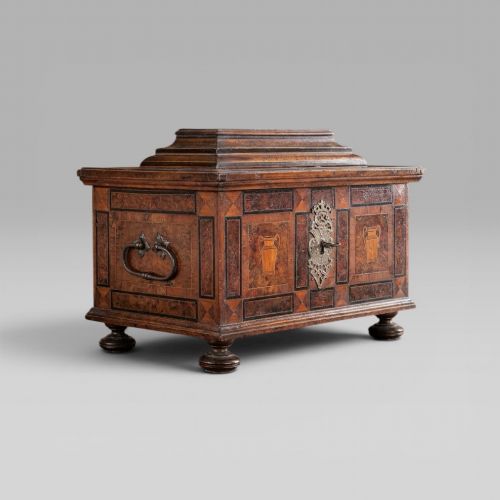
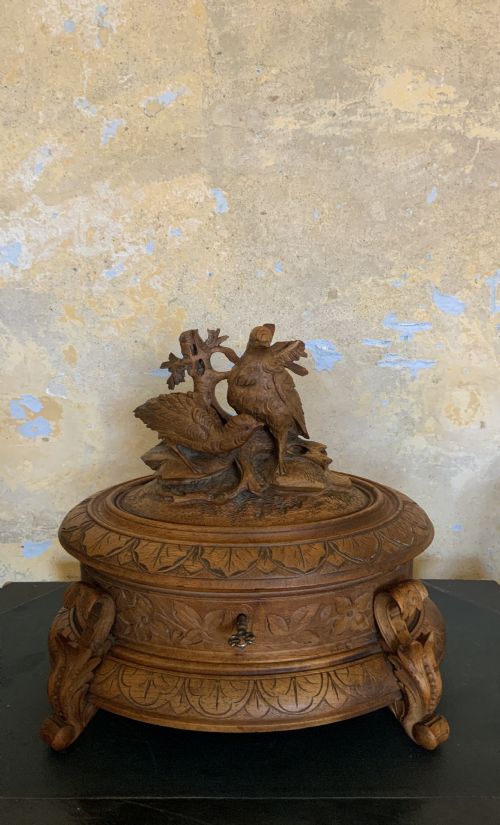
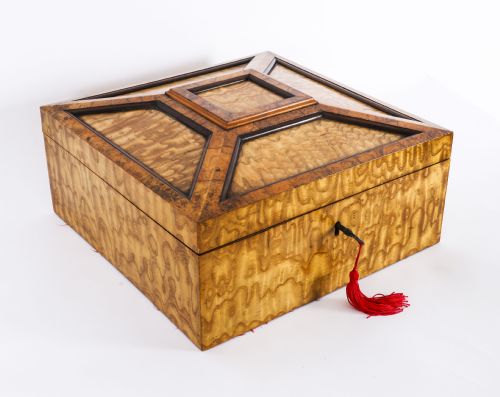
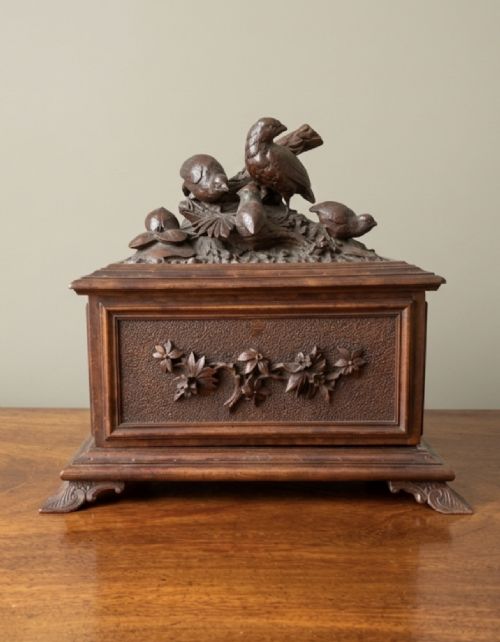
The selections on this page lean heavily toward nineteenth-century Victorian examples, alongside eighteenth-century pieces and earlier continental works. Forms range from simple tea caddies and tobacco jars to elaborate parquetry keepsake boxes and carved Black Forest caskets.
Buyers encounter distinct regional styles, including English Tunbridge Ware, French provincial designs, and German marquetry. Each object reflects the specific domestic habits of its era, serving as a repository for correspondence, tobacco, or valuables.
Materials and construction methods
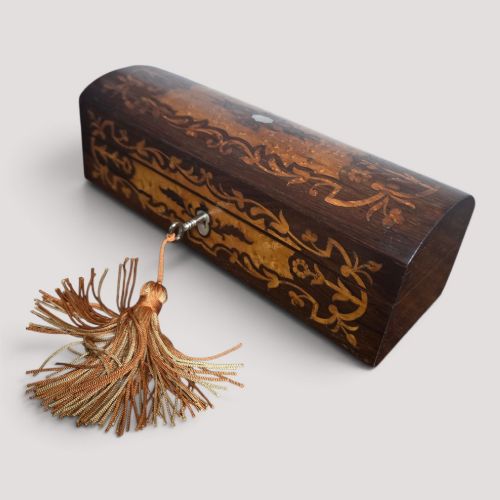
Makers utilised solid walnut and decorative burr walnut veneers over secondary timbers, often pairing the dark wood with contrasting boxwood or rosewood stringing. Brass edging and hinges provided structural reinforcement and decorative punctuation to the corners and lids.
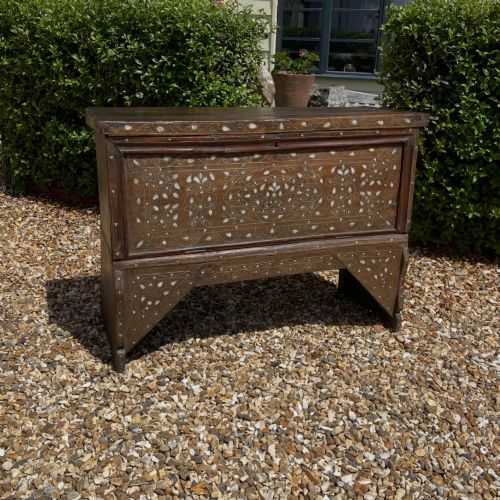
Surface ornamentation relied on intricate marquetry, parquetry, and detailed hand-carving, particularly in Black Forest workshops. Some iterations incorporated bone, mother-of-pearl, and specialised micro-mosaic Tunbridge Ware patterns built from countless tiny blocks of coloured wood.
Walnut Wood Box Retail Price Guide 2026
Typical asking prices for walnut wood box among the pieces listed under this phrase on Sellingantiques today, from the lower quarter to the upper quarter. They describe what is for sale here now, not the wider market.
Listings feature walnut wood box forms spanning the 17th, 18th, and 19th centuries, incorporating brass, boxwood, and glass.
Evaluating craftsmanship and condition
Quality rests in the selection of the burr walnut veneer and the precision of the marquetry or parquetry patterns. Superior examples display seamless grain matching across the lid and sides without lifting or warping in the timber.
Interior fittings dictate overall merit, separating standard storage from high-end pieces featuring secret drawers, original velvet linings, and fully functional brass locks with matching keys.
Henry Hollamby·Edmund Nye·Langdorff & Fils
The Walnut Wood Box Glossary
- Burr walnut
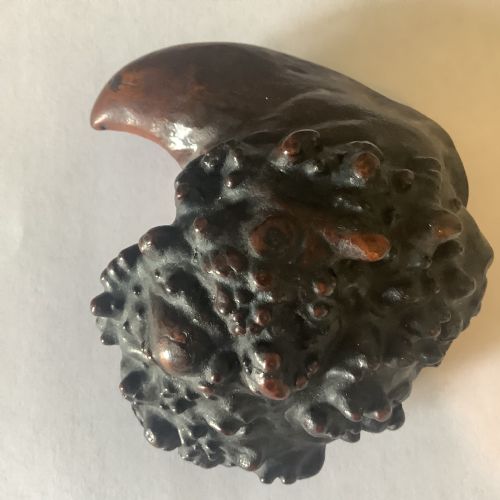
- A figured wood grain taken from the growth excrescence of a walnut tree, prized for its swirling patterns. It provides a highly decorative surface veneer for high-status boxes.
- Tunbridge Ware
- A type of woodwork originating from Kent, featuring geometric mosaic patterns created from small wood blocks. These tiny pieces form pictorial or abstract designs on box lids.
- Tea caddy
- A container designed to store dry tea leaves securely, often featuring internal compartments or mixing bowls. They became essential household objects during the eighteenth and nineteenth centuries.
- Marquetry
- The art of applying decorative veneer pieces to a structure to form picture designs or patterns. Craftsmen cut various woods to fit together precisely on the surface.
- Writing slope
- A portable slant-topped box that opens to reveal a writing surface, inkwell holders, and storage for paper. They allowed owners to write letters while travelling or away from a desk.
Walnut Wood Box: Frequently Asked Questions
How do I date a walnut wood box?
Dating relies on examining construction techniques, hinges, and lock mechanisms alongside the overarching style of the piece. Eighteenth-century versions often feature simpler dovetailing and hand-forged hardware, while Victorian iterations incorporate mass-produced brass fittings and more complex internal compartments.
Secondary woods visible inside or underneath the box also offer clues to its origin and age. Comparing the decorative motifs, such as parquetry or carved relief work, against documented examples helps narrow down the manufacturing decade.
What were these boxes originally used for?
These receptacles served specific domestic functions depending on their internal layout and compartmentalisation. Tea caddies preserved expensive imported leaves, writing slopes provided a portable desk for correspondence, and jewellery caskets housed precious personal ornaments.
Larger caskets and chests stored household documents, tobacco, or small valuable items. Their placement in the home shifted from public entertaining rooms to private chambers as privacy became more valued in interior design.
How should I care for burr walnut veneer?
Burr walnut veneer requires stable environmental conditions away from direct sunlight and sudden temperature fluctuations. Excessive heat can cause the thin wood layer to dry out, warp, or lift away from the foundational timber beneath.
Applying a traditional beeswax polish periodically helps nourish the wood and maintain its natural lustre. Avoid using modern aerosol sprays or excessive moisture, which can damage delicate marquetry and historic finishes.
Are keys usually included with antique locks?
Original keys are occasionally present with surviving pieces, but many antique boxes lose them over centuries of use. Lock mechanisms often bear stamped maker names or patent numbers that reflect the technological period of the hardware.
A specialist can sometimes source a replacement key or adjust the internal levers if the lock remains operational. Even without a working key, the decorative escutcheon plate on the front adds visual balance to the design.