
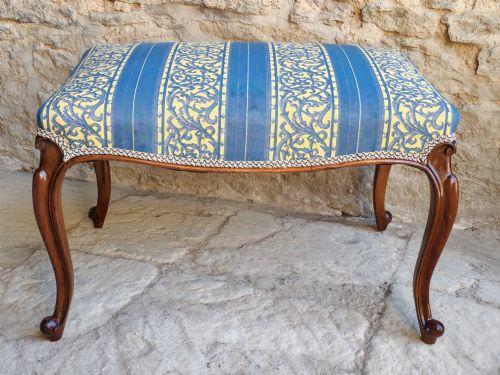
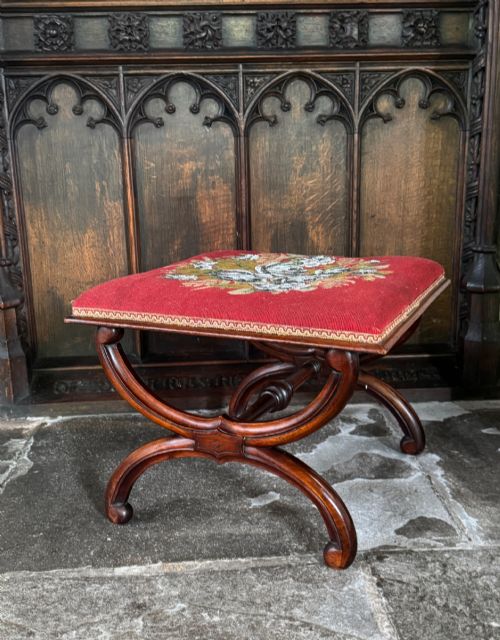
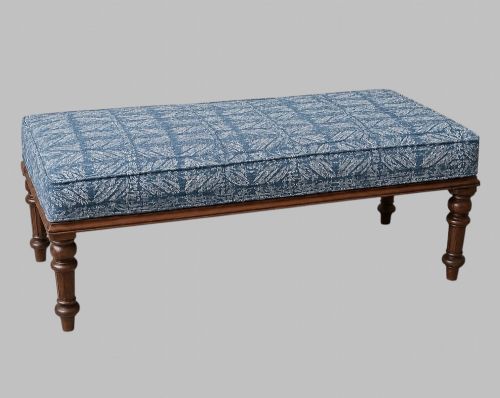
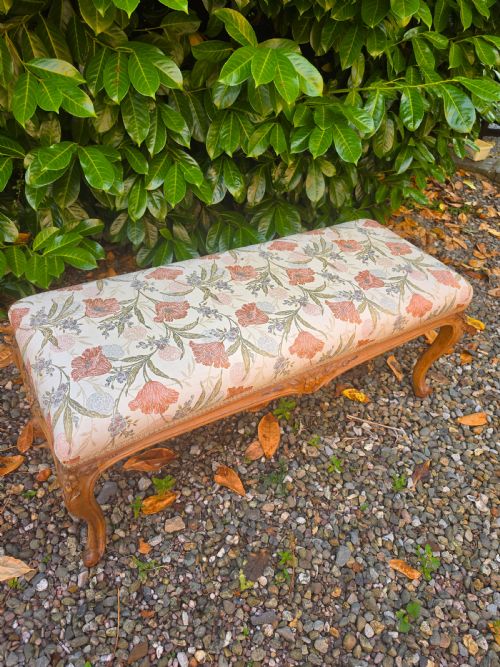




Walnut Window Stool
These walnut window stool pieces bring compact seating and rich timber grain to light-filled bays and long hallways.
Walnut Window Stool
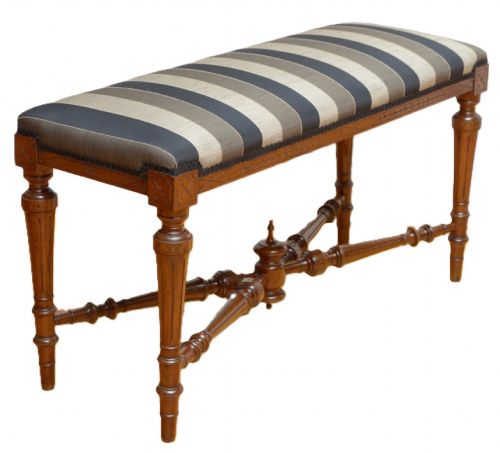
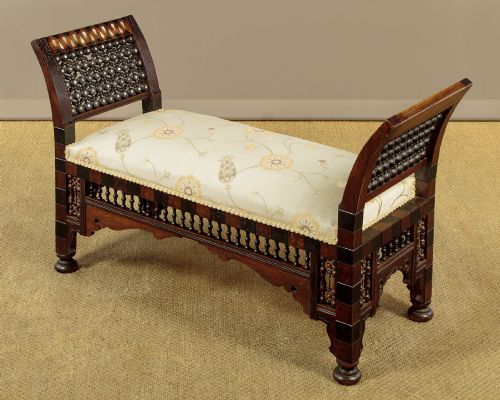
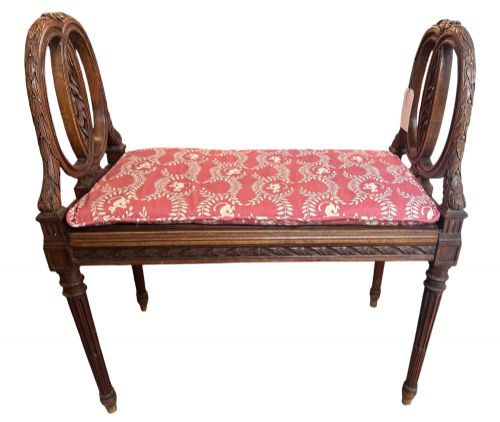
A walnut window stool provides long, low seating designed to sit beneath sills or alongside walls without blocking light. These forms range from simple footstools and fender seats to extended duet benches intended for two people.
Victorian and nineteenth-century examples dominate the selections here, alongside Edwardian and later interpretations. Makers shaped these walnut frames into X-frames, cabriole legs, and scroll-armed gondola profiles.
Upholstery defines much of the character on this page, appearing in buttoned leather, tapestry, velvet, and patterned linen. Plain wooden frames sit alongside pieces featuring detailed carving, pearl inlay, or turned supports.
How they were made
Walnut forms the core structural timber across these pieces, providing a dense base that accepts deep carving and clear polishing. Artisans shaped solid timbers into curved cabriole legs, fluted supports, and X-frame stretchers.
Textiles complete the upper section, with foundations of webbing and stuffing supporting top layers of velvet, tapestry, leather, or linen. Specialised makers secured these coverings using brass tacks, buttons, or decorative trim.
What varies in quality
Depth and crispness of carving separate standard frames from superior examples, particularly where floral motifs, claw and ball feet, or animal heads appear on the walnut. Master carvers executed details with sharp undercut edges rather than soft, rounded profiles.
The choice of secondary materials and upholstery fabric alters the standing of a piece. Original or period-appropriate coverings like hand-worked tapestry, buttoned leather, or textiles by notable makers elevate the work above basic fabric replacements.
Morris & Co.
The Walnut Window Stool Glossary
- Duet stool
- An extended seat built for two people, often used beside piano instruments or long windows. These long proportions accommodate multiple sitters.
- X-frame
- A structural base formed by intersecting diagonal timbers that cross beneath the seat. This geometric layout distributes weight toward the corners.
- Cabriole leg
- A furniture support curving outward at the knee and tapering inward toward the foot. This classic profile draws inspiration from animal limbs.
- Gondola
- A curved seatback rising at the ends in a sweeping arc. The profile resembles the traditional flat-bottomed Venetian boat.
- Fender stool
- A long, narrow seating form traditionally placed along hearths. The proportions keep sitters clear of fireplace surrounds.
Walnut Window Stool: Frequently Asked Questions
Where do I place a walnut window stool?
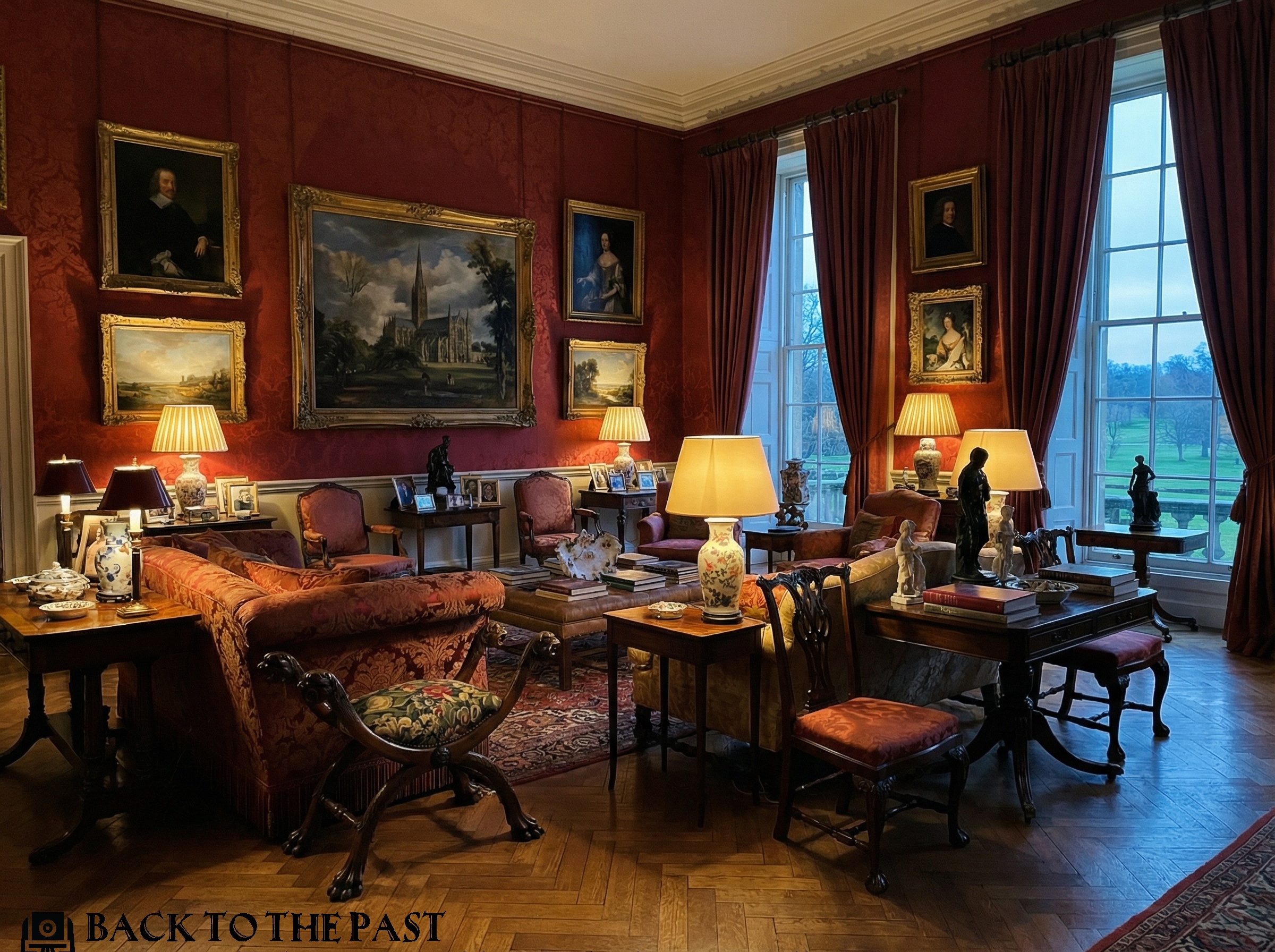
These long, low seats fit naturally beneath bright window bays, along narrow hallways, or at the foot of a bed. Their slender profiles allow placement in circulation spaces without blocking pathways.
Pairs of these stools also function well in libraries or living rooms when placed opposite larger seating arrangements. Their modest height keeps sightlines open across the room.
How do I care for walnut wood?
Keep timber surfaces clean using a dry, soft cloth to remove dust. Avoid chemical polishes that leave buildup over the grain.
Protect the wood from direct sunlight and excessive radiator heat to prevent timber splitting. Natural wax applied sparingly maintains the finish.
Can I reupholster a vintage window stool?
Many examples on this page feature modern upholstery fabrics like Robert Kime linen or traditional leather and velvet. Updating the textile is a standard practice that preserves the underlying frame.
Retain the original webbing or stuffing where possible if historical integrity matters to you. Professional upholsterers can match historical tacking patterns.
What is the difference between a bench and a stool?
Benches generally provide longer seating surfaces intended for multiple people, often incorporating backs or arms. Stools tend to be shorter, backless platforms designed for resting feet or short seating.
Many nineteenth-century examples blur these definitions by offering duet lengths with low scroll arms. Both forms share the same low profile suited for window placement.