



Walnut Vitrine Display Case
A walnut vitrine display case brings architectural presence and glazed refinement to any room, housing curated collections behind timber and glass.
Walnut Vitrine Display Case
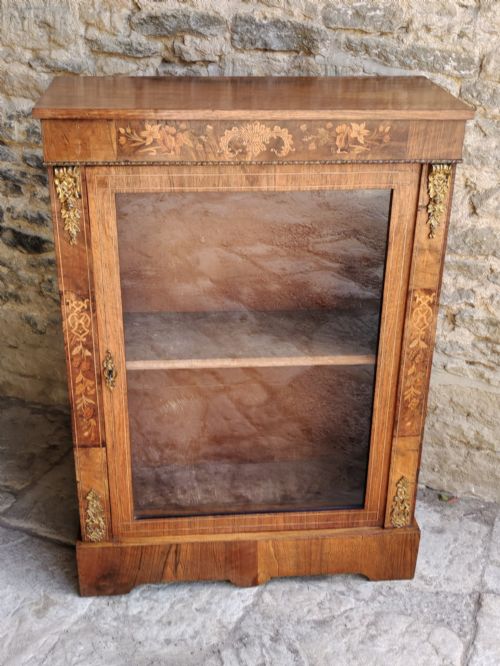
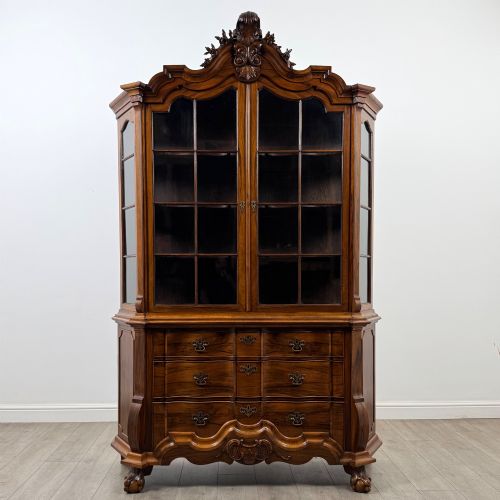
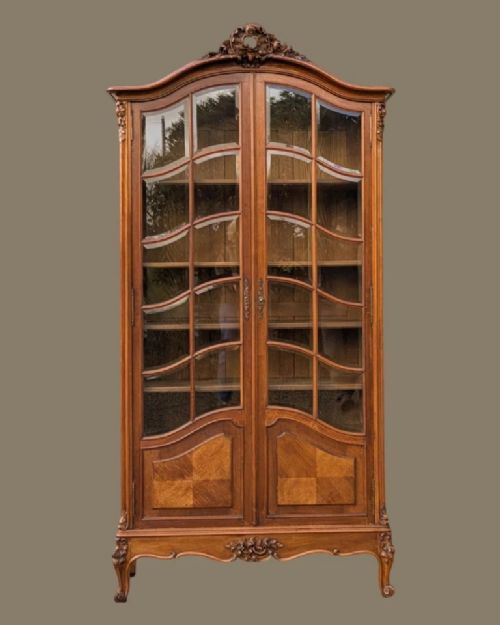
A walnut vitrine display case stands as a dedicated cabinet designed for exhibiting porcelain, books, and curiosities behind protective glazing. These furnishings range from compact pier cabinets and corner cupboards to expansive nineteenth-century French and Dutch examples.
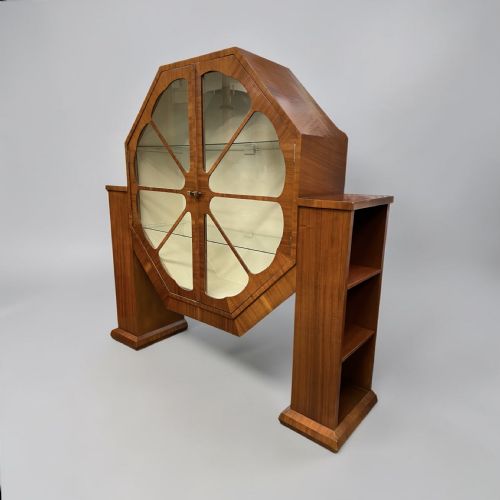
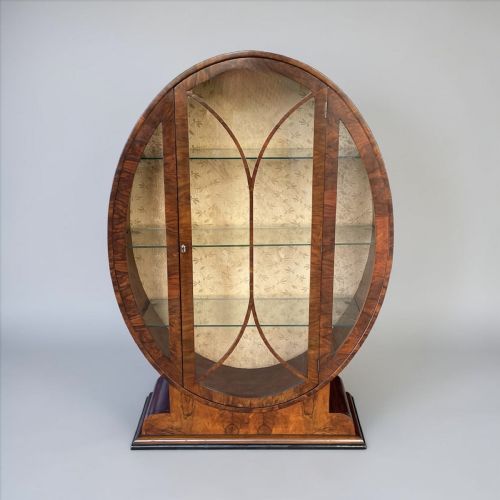
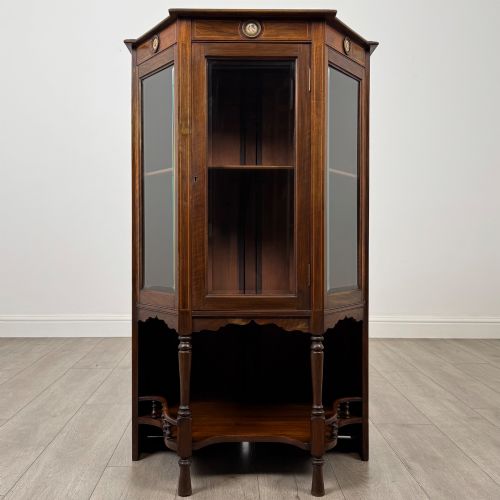
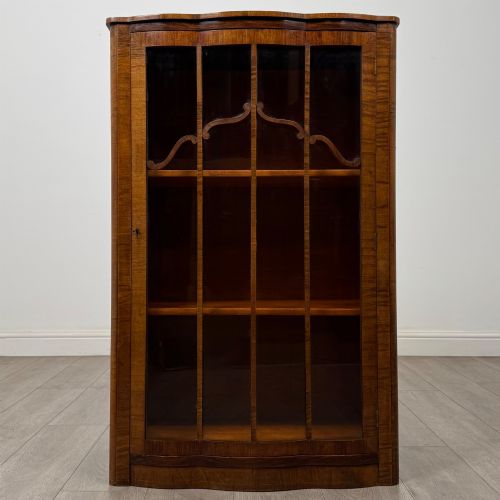
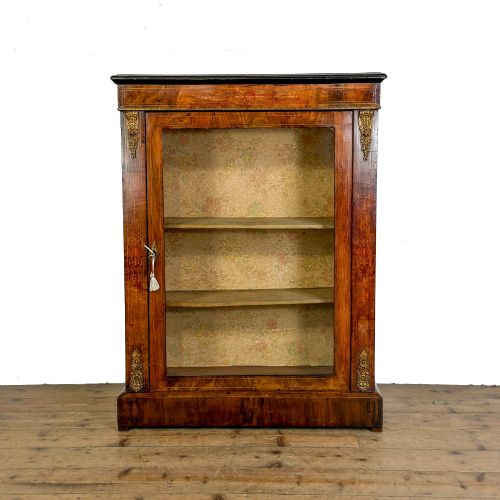
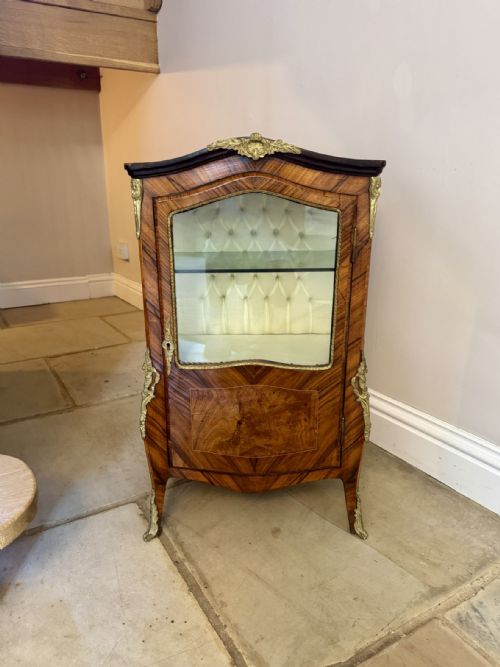
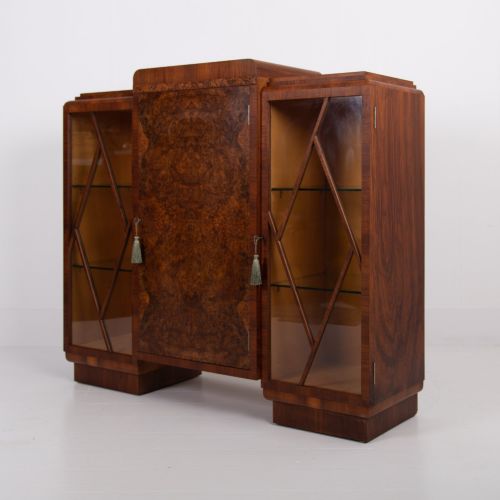
The pieces on this page span the Victorian and Edwardian eras alongside bold Art Deco statements from nineteen thirty. Buyers encounter various regional interpretations, including English glazed cabinets and continental marquetry pieces.
Forms vary from traditional bow fronts and bombe shapes to geometric circular and clove designs. Each configuration offers a specific method for framing collections within domestic interiors.
Materials and construction
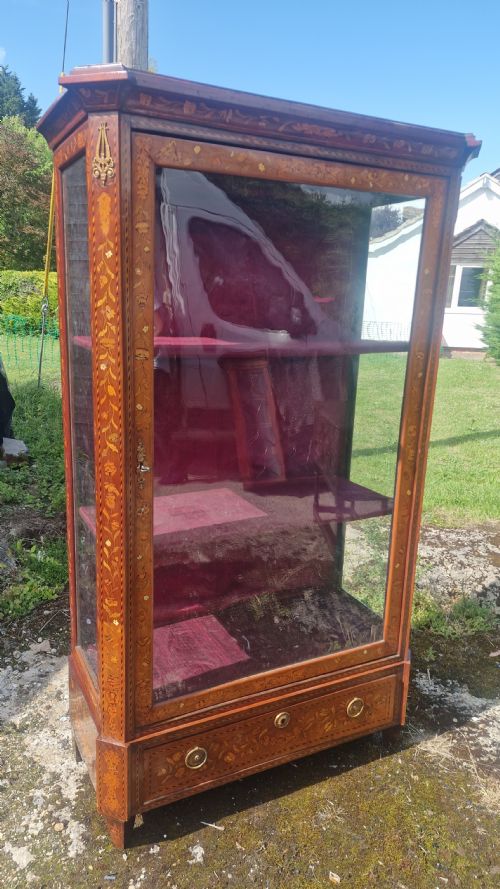
Cabinet makers utilised solid walnut, burr walnut, and figured veneers applied over robust framing timbers. Kingwood and marquetry inlay frequently provide decorative contrast on continental and nineteenth-century pieces.
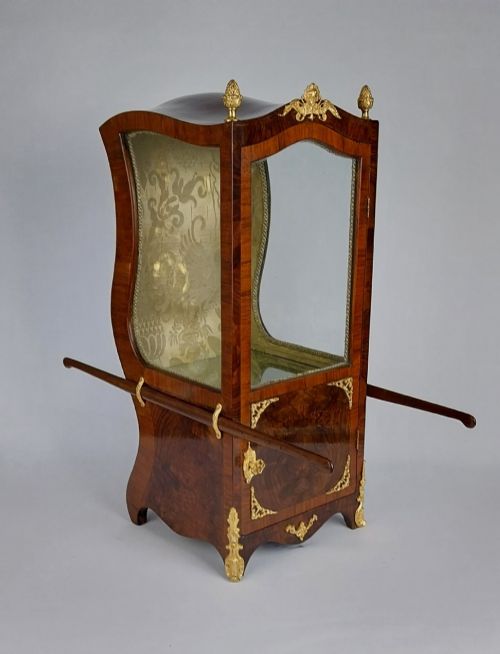
Glazing is held within timber doors or leaded framework, while metal mounts in ormolu and brass accent the corners and door edges of French and Victorian cabinets. Velvet and fabric linings frequently cover the internal shelving and interior base boards.
Certain nineteenth-century French models required tabletop display solutions, shrinking the grand vitrine into a portable glass case for intimate drawing rooms.
Distinguishing quality across the range
Quality rests upon the selection of timber veneers, where highly figured burr walnut or intricate marquetry patterns elevate the visual impact of the case. The precision of joinery in curved glass doors and shaped cornices also separates standard production from superior cabinet work.
The integration of cast ormolu mounts and the depth of finish in the timber polish determine the overall refinement of the piece. Superior examples maintain balanced proportions and crisp decorative detailing across every visible surface.
The Walnut Vitrine Display Case Glossary
- Vitrine
- A glass-panelled cabinet designed specifically for displaying objects of art or collection. These cases typically feature transparent sides and doors to maximise light penetration.
- Pier cabinet
- A slender freestanding cabinet built to fit against the wall space between windows. Victorian examples often incorporate single glazed doors and marquetry inlay.
- Ormolu
- Gilt bronze mounts applied to furniture for decorative enrichment. This technique gained prominence on French and nineteenth-century English display cabinets.
- Burr walnut
- Timber taken from walnut tree growths that produces swirling grain patterns. Cabinet makers prized this wood for high-status veneering.
- Marquetry
- The art of applying decorative veneer pieces to form intricate patterns and pictures. Dutch and Victorian makers utilised this technique extensively on cabinet doors.
Walnut Vitrine Display Case: Frequently Asked Questions
What is a walnut vitrine display case used for?
These cabinets serve to protect and exhibit valued possessions such as ceramics, glassware, and small ornaments. The glass panels allow observers to view contents from multiple angles while shielding items from dust.
Historically, they occupied prominent reception rooms where households entertained guests and displayed their refined tastes through curated collections.
How do I identify a Victorian walnut display case?
Victorian pieces often display rich walnut timbers, sometimes enhanced with marquetry inlay or gilt bronze ormolu mounts. They frequently take the form of pier cabinets or larger glazed bookcases with formal architectural styling.
Construction methods from this period typically involve heavier timber frames and traditional hand-cut dovetails within the internal carcase.
What distinguishes Art Deco walnut display cabinets?
Art Deco examples dating around nineteen thirty favour streamlined geometries, circular forms, and dramatic figured walnut veneers. They step away from historic revival styles in favour of clean vertical lines and striking silhouettes.
Many incorporate leaded glass or distinctive curved glazing that reflects the modern design movements of the interwar period.
How should I care for timber and glass cabinets?
Maintain stable indoor humidity levels to protect antique walnut timber and prevent veneer cracking or warping. Dust the exterior surfaces regularly using a soft, dry cloth without harsh chemical sprays.
Inspect internal fabric linings periodically and avoid placing cabinets in direct sunlight to preserve the natural colour of the wood.