

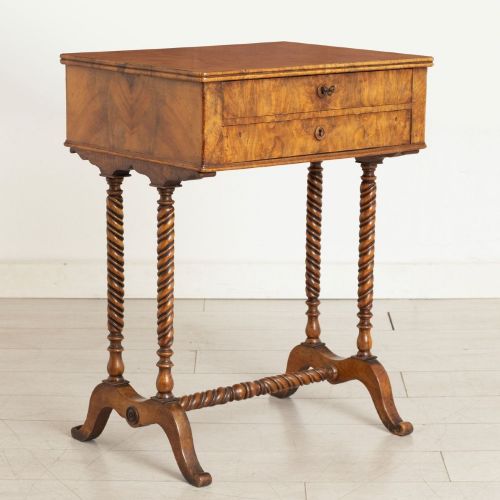
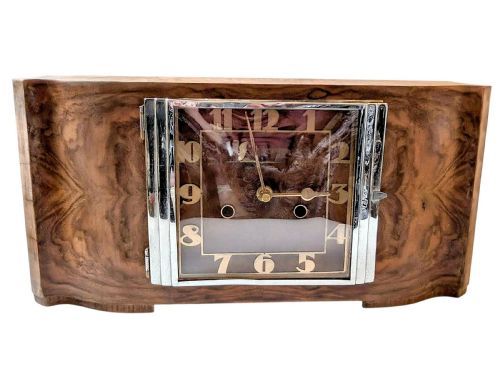
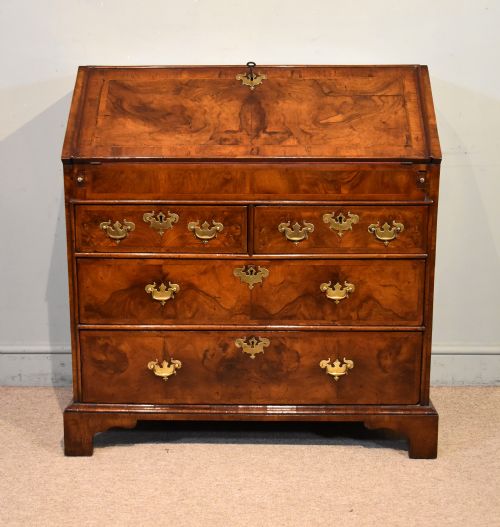
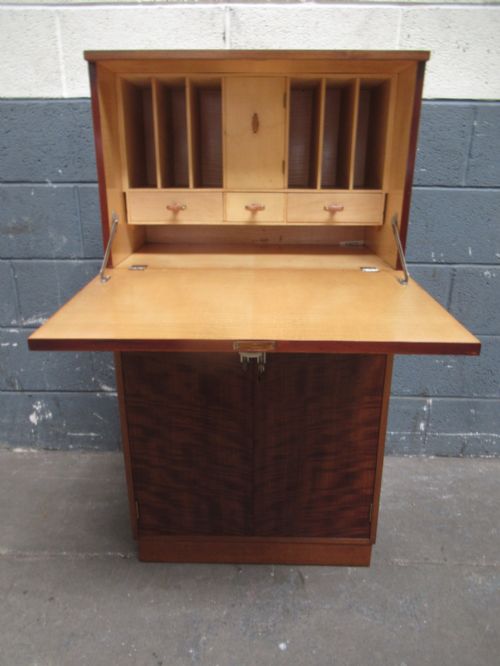





Walnut Veneer Desk
A walnut veneer desk brings rich grain and practical workspace into a room, spanning periods from William and Mary to Art Deco.
Walnut Veneer Desk
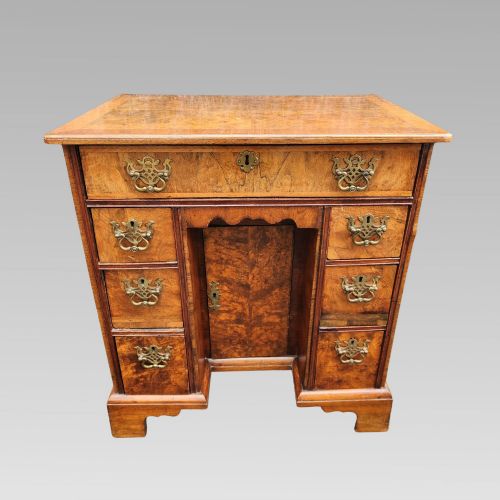
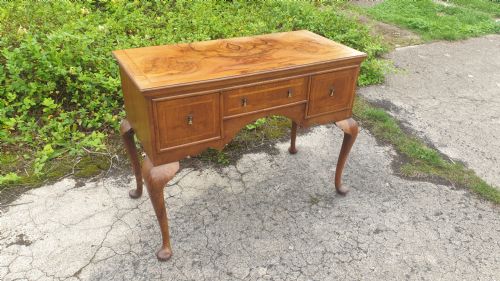
A walnut veneer desk takes many forms across the centuries, appearing as bureau chests, kneehole tables, writing cabinets, and streamlined Art Deco pedestals. When you search for a walnut veneer desk, you encounter surfaces displaying figured grain patterns, quarter veneering, and featherbanding.
The pieces listed span multiple eras, including the seventeenth century, the Georgian period, the nineteenth century, and the nineteen-thirties. Bureau formats offer sloping drop fronts concealing internal drawers and pigeonholes, whilst kneehole variants and side tables provide flat writing surfaces supported by timber legs.
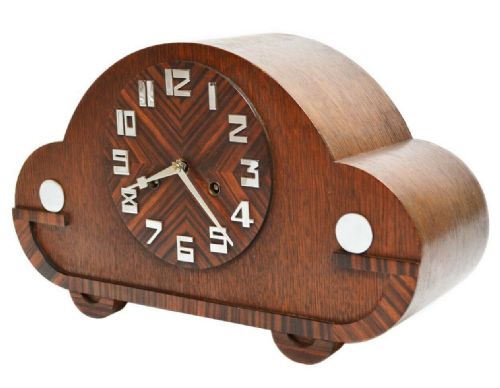
Early examples follow Queen Anne, William and Mary, and George II styles, featuring rich timber faces and traditional drawer configurations. Later twentieth-century versions adopt Art Deco designs, sometimes incorporating chrome and burr elm alongside the primary walnut surface.
How they were made
Cabinet makers constructed these pieces using solid timber carcases overlaid with thin slices of walnut or burr walnut veneer. This technique allowed craftsmen to showcase striking swirling grain patterns that solid timber planks could not achieve on a single surface.
Detailed decoration often involved featherbanding and quarter veneering to frame drawer fronts and tabletops with precision. Metal elements such as brass handles and occasional chrome accents completed the construction alongside glass components.
Walnut Veneer Desk Retail Price Guide 2026
Typical asking prices for walnut veneer desk among the pieces listed under this phrase on Sellingantiques today, from the lower quarter to the upper quarter. They describe what is for sale here now, not the wider market.
The listings span from seventeenth-century William and Mary designs to nineteen-thirties Art Deco styles, utilising walnut, burr walnut, burr elm, and chrome.
What varies in quality
Quality rests in the selection and matching of the timber veneers across the top and drawer fronts. Superior pieces display symmetrical grain patterns and careful execution of decorative banding.
The integrity of the underlying carcase and the retention of original surface patination distinguish finer examples from later alterations. Construction details like dovetail joints in the drawer construction indicate high standards of period cabinet making.
The Walnut Veneer Desk Glossary
- Walnut veneer
- A thin layer of walnut timber applied over a secondary wood carcase to create a decorative exterior surface. This method maximises the use of richly figured wood.
- Burr walnut
- Timber taken from a growth on the walnut tree, producing a swirling, speckled grain pattern. It appears on high-status furniture surfaces.
- Quarter veneered
- Veneer segments cut from the same log and arranged symmetrically to mirror each other. This creates a geometric pattern across tabletops and drawer fronts.
- Featherbanding
- Inlaid decorative banding made from small pieces of veneer angled to form a herringbone design. It typically frames the edges of drawer fronts and tabletops.
- Escritoire
- A writing cabinet featuring a fall-front writing surface that conceals internal compartments. These date from the seventeenth century onwards.
- Bureau
- A desk fitted with a sloping lid that opens to reveal a writing space and small drawers. Early versions rest on bracket feet or drawer bases.
Walnut Veneer Desk: Frequently Asked Questions
What is an oyster veneer?
Oyster veneer consists of small circular slices cut transversely across small branches or roots.
These round sections are fitted together to create a distinctive ripple pattern across the tabletop.
How do I care for walnut veneer?
Keep walnut veneer away from direct sunlight and excessive heat to prevent the wood from drying out.
Apply gentle wax polishes occasionally to maintain the sheen of the timber.
How do I date a walnut desk?
Dating depends on the style, construction methods, and secondary woods used within the carcase.
Seventeenth and eighteenth-century pieces show different joinery and proportions compared to nineteen-thirties Art Deco designs.