






Walnut Two Over Two
Walnut two over two chests of drawers offer timeless proportions and figured timber, combining practical storage with classic period elegance.
Walnut Two Over Two
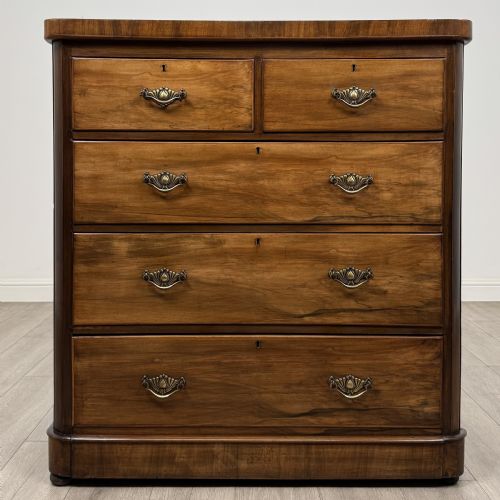
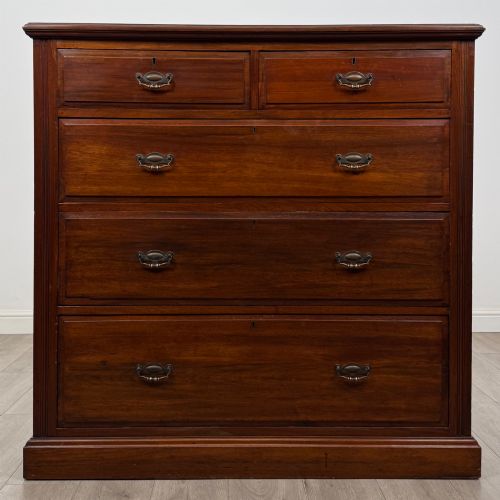
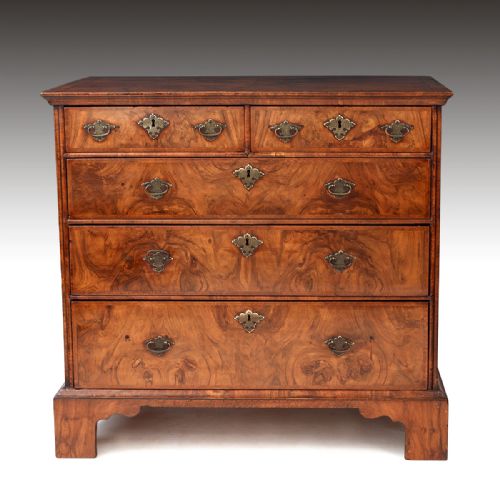
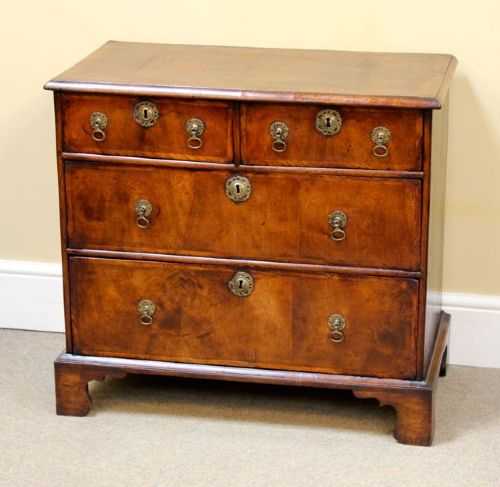
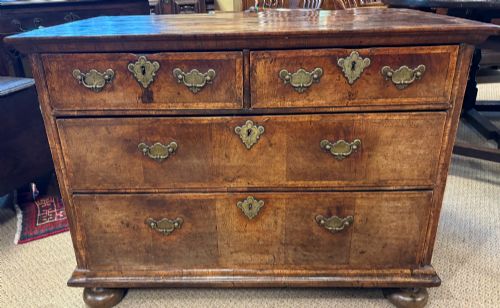
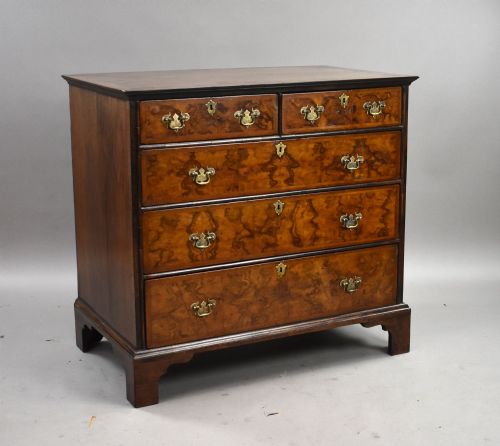
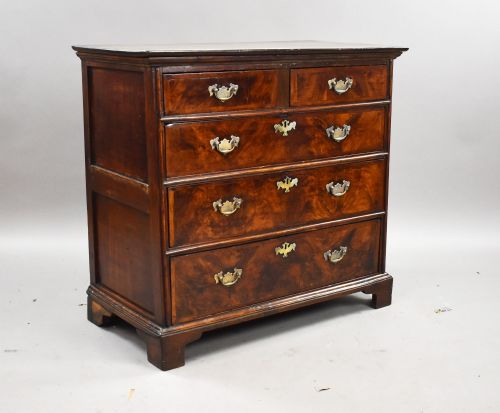
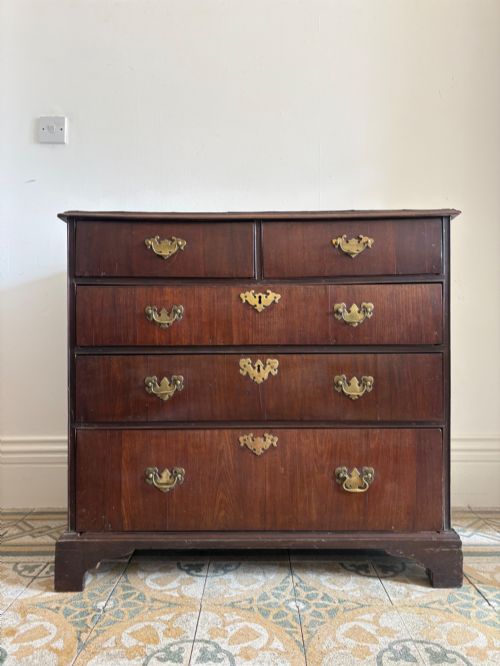
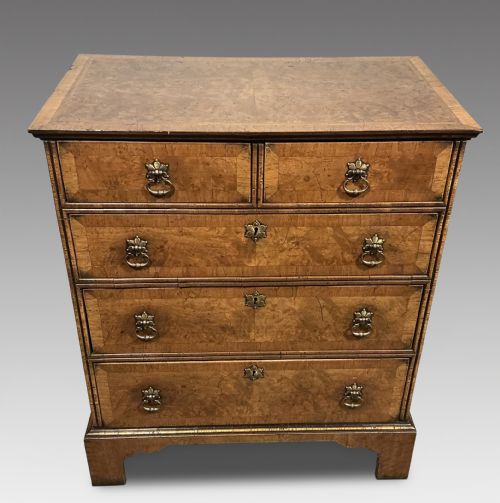
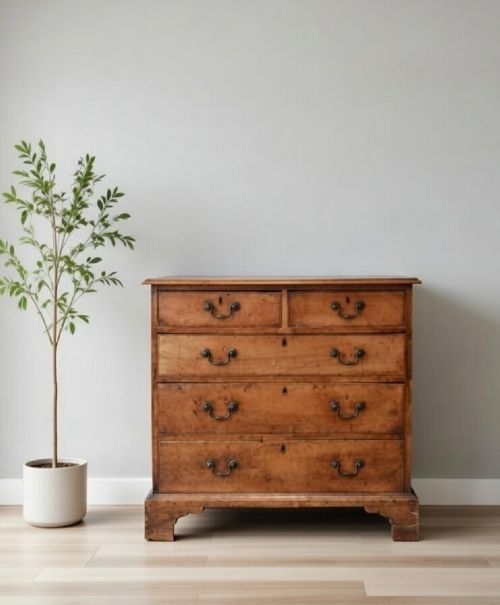
When you search for walnut two over two, you find classic drawer configurations featuring two smaller drawers placed above two larger ones. These pieces primarily take the form of chests of drawers dating from the 17th century through to the Victorian era. The selection spans styles from William and Mary and Queen Anne to Georgian and Victorian periods.
How they were made
Cabinet makers utilised solid walnut or applied burr walnut veneer over secondary timbers such as oak, pine, and fruitwood. The exterior surfaces frequently display rich grain patterns achieved through careful timber selection and matching.
Brass handles and escutcheons punctuate the drawer fronts, secured with traditional fixings. Construction methods involve pegged joints and hand-cut dovetails on the drawer carcasses, reflecting the period joinery techniques.
Even the smallest walnut miniature chest retains fully functioning tiny drawers for holding your most secretive trinkets.
What varies in quality
The refinement of the timber figure largely dictates the distinction between standard examples and exceptional items. Burr walnut veneer surfaces show varying degrees of pattern symmetry and depth of colour across different pieces.
Proportion and the handling of edge mouldings also separate examples. Finer pieces demonstrate careful attention to the grain alignment on drawer fronts and harmonious scaling of the upper and lower drawer tiers.
The Walnut Two Over Two Glossary
- Burr walnut
- A specialised timber cut from the wart-like growths on walnut trees, yielding intricate, swirling grain patterns. Cabinet makers prized this wood for decorative veneering on high-status furniture.
- Graduated drawers
- A design arrangement where drawers decrease in depth from the bottom to the top of the chest. This proportioning creates visual balance across the facade.
- Escutcheon
- A protective metal plate surrounding a keyhole. These elements are commonly cast in brass and match the handles of the piece.
- Secondary wood
- The internal timber used for drawer linings, backboards, and carcase frames where primary display veneers do not appear. Oak, pine, and fruitwood commonly serve this structural role.
- Veneer
- A thin slice of figured walnut applied over a stable base wood. This technique allows makers to display striking grain figures without relying entirely on solid scarce timbers.
Walnut Two Over Two: Frequently Asked Questions
How do I date a walnut chest?
Dating relies on examining construction methods, hardware styles, and timber choice. Earlier 17th and early 18th-century examples often employ specific joinery techniques and distinct framing methods.
Secondary woods inside the carcase, such as oak or pine, also offer clues to the period of manufacture when compared against known stylistic timelines.
Are these pieces made of solid walnut?
Many examples utilise burr walnut veneer applied over a secondary timber base, rather than being constructed entirely from solid walnut. This technique allowed craftsmen to showcase decorative grain patterns.
Internal drawer linings and carcase structures typically consist of secondary woods like oak, pine, or fruitwood while the primary visible surfaces display walnut.
How should I care for walnut furniture?
Walnut benefits from stable room environments away from direct heat sources and strong sunlight, which can dry out the timber and fade the finish. Regular dusting with a soft, dry cloth preserves the surface.
Occasional application of appropriate wax polish helps maintain the lustre of the wood without building up heavy residues over time.