



Walnut Tall Clock
A walnut tall clock commands a room with warm timber and steady ticks, bringing centuries of skilled joinery into a modern home.
Walnut Tall Clock
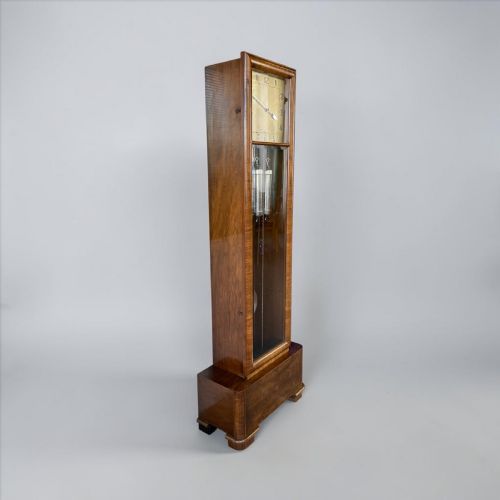
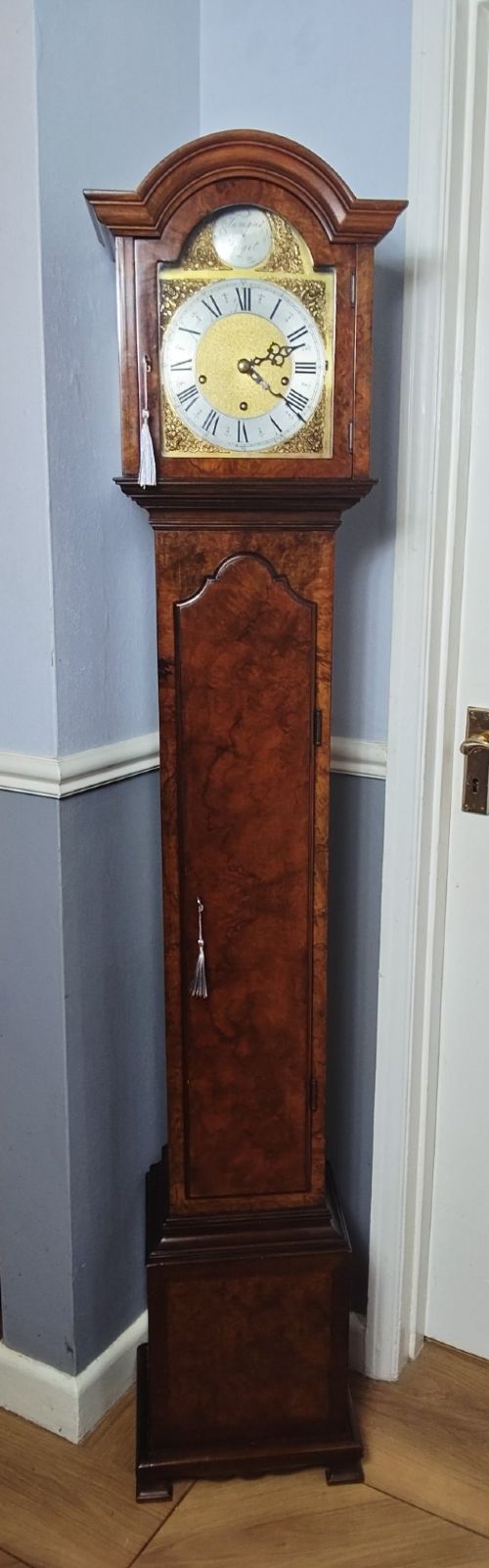
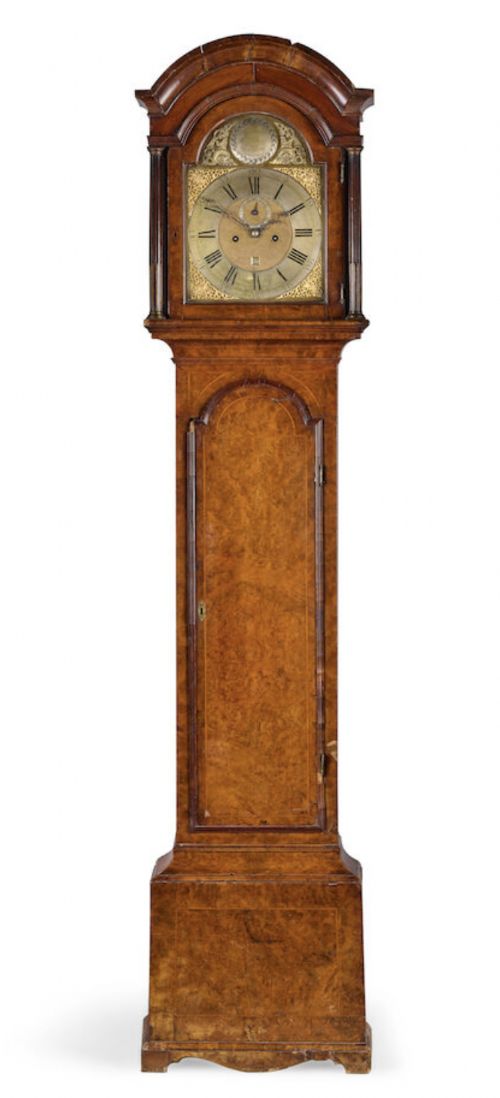
A walnut tall clock is a vertical timekeeper housed in a slender wooden case, designed to stand directly on the floor. When searching for a walnut tall clock, buyers encounter pieces spanning from the late seventeenth century through the Georgian era, alongside occasional twentieth-century interpretations.
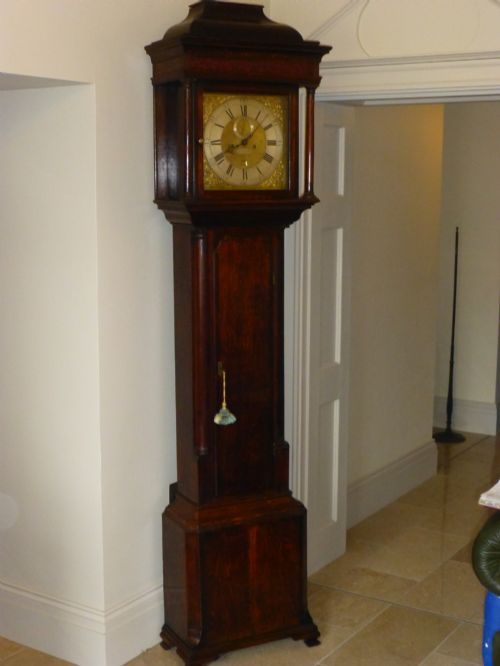
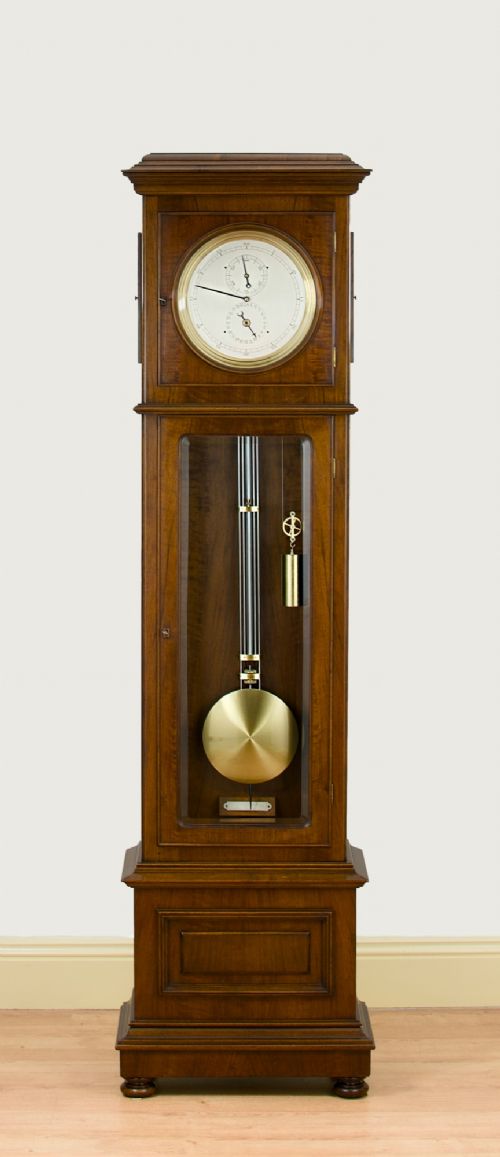
The form appears in various proportions, ranging from full-sized grandfathers to smaller grandmother variants and precision regulators. Makers constructed these tall housings primarily to protect the delicate weight-driven or spring-driven movements from dust and air currents.
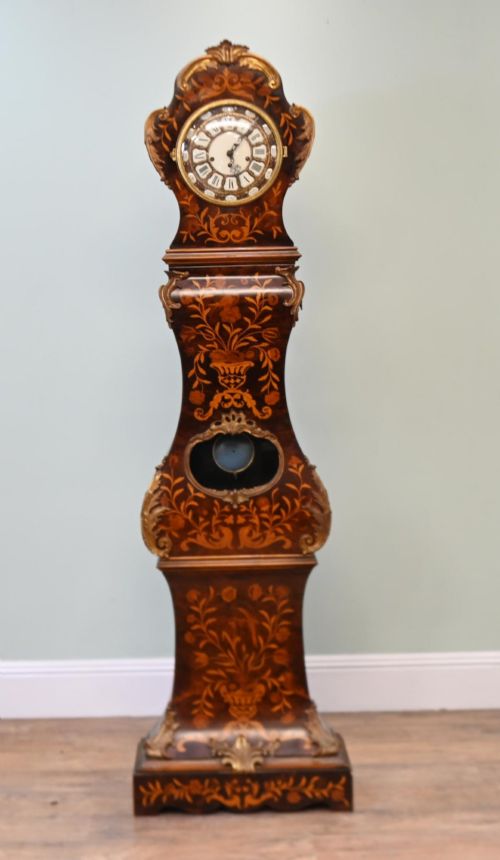
Examples from this selection frequently combine walnut with oak or incorporate marquetry and moonphase dials. London makers dominate the earlier periods, while regional English workshops contributed robust provincial interpretations.
How they were made
Cabinetmakers utilised figured veneers like burr walnut and red walnut laid over sound timber cores, often pairing the primary show wood with secondary structural oak. Marquetry inlay added floral or geometric detail to the door and trunk panels of sophisticated examples.
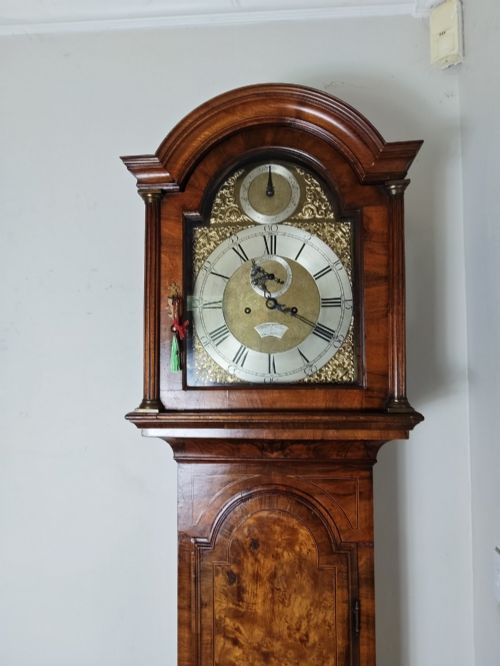
Dial work combined engraved brass plates with silvered chapter rings, steel hands, and cast brass spandrels in the corners. Movements relied on brass gear trains driven by hanging lead weights or wound with keys, housed within glazed or hooded upper cases.
Walnut Tall Clock Retail Price Guide 2026
Typical asking prices for walnut tall clock among the pieces listed under this phrase on Sellingantiques today, from the lower quarter to the upper quarter. They describe what is for sale here now, not the wider market.
Listings feature walnut tall clocks spanning the seventeenth, eighteenth, nineteenth, and twentieth centuries, utilising brass, glass, steel, and oak alongside primary walnut timbers.
What varies in quality
The calibre of the timber selection dictates much of the visual appeal, separating standard straight-grained cases from those wrapped in richly patterned burr walnut or intricate marquetry. Dial execution also marks the division, where finely engraved brasswork and signed movements distinguish master horologists from standard production.
Proportion and architectural integrity separate exceptional tall clocks from altered or later-assembled pieces. The harmony between the hood, trunk, and base indicates whether a case retains its original form and period character.
Richard Corless of Stockport·Windmills and Wightman·Thomas Vernon London·Nathaniel Pyne·Edin Burgis of London·Edward East·Joseph Knibb·Samuel Young Nantwich·Edward Stanton·Joseph Saer·Joseph Windmills·Jonathan Marsh·Peter Wise·Joseph Jackeman·Henry Massy·Joseph Oxley Norwich
The Walnut Tall Clock Glossary
- Burr walnut
- A veneer sliced from the growth excrescences of walnut trees, yielding highly figured swirling grain patterns. Cabinetmakers prized this timber for the primary decorative surfaces of high-status clock cases.
- Longcase clock
- An alternative term for a tall pendulum clock enclosed in a wooden case standing directly on the floor. These pieces measure several feet in height to accommodate descending driving weights.
- Grandmother clock
- A scaled-down version of the standard tall clock, built with shorter and narrower proportions. This form appeared in later periods to fit domestic spaces with lower ceilings.
- Spandrel
- The ornamental corner piece mounted on the dial plate outside the chapter ring. Early examples feature cast brass cherub or scroll designs that frame the face.
- Moonphase
- A specialised dial mechanism displaying the lunar cycle through a rotating disk behind an arched aperture. This complication tracks the phases of the moon alongside standard hours and minutes.
Walnut Tall Clock: Frequently Asked Questions
How do I wind a tall clock?
Winding requires raising the internal weights using a crank key inserted into holes on the dial face, or winding the spring barrels depending on the movement type.
Care must be taken not to overwind the mechanism, stopping as soon as tension meets the hand to protect the historical gear train.
Where should I place a tall clock?
Position the piece against a solid interior wall away from direct sunlight, heating vents, and damp doorways to protect the delicate wood veneers and glue joints.
A stable floor surface is essential so the pendulum can swing without catching against the sides of the wooden trunk.
Why does the clock lose or gain time?
Temperature fluctuations cause the wooden case and metal pendulum rod to expand or contract slightly, altering the swing rate of the pendulum.
Adjustment involves turning the small nut at the bottom of the pendulum bob up to speed the clock or down to slow it.