


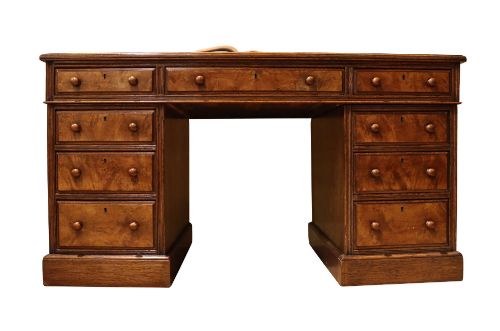
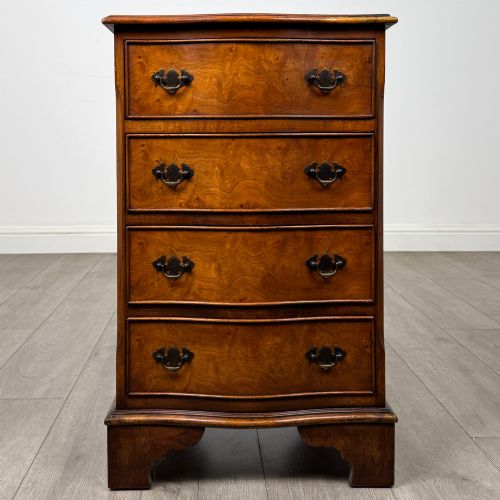
Walnut Table with Drawers
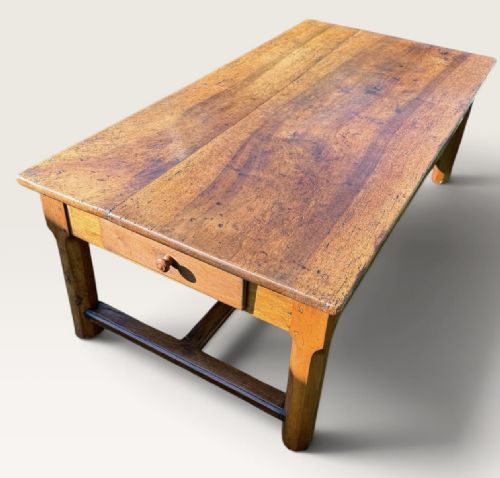
A walnut table with drawers brings warmth and utility into a room, combining rich timber grain with practical storage.
Walnut Table with Drawers
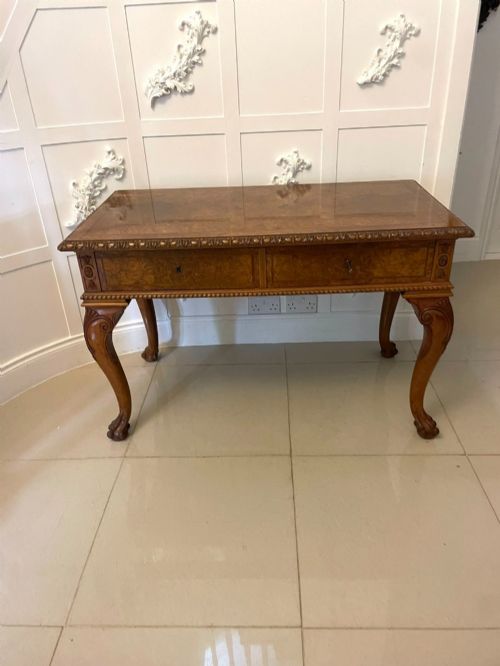
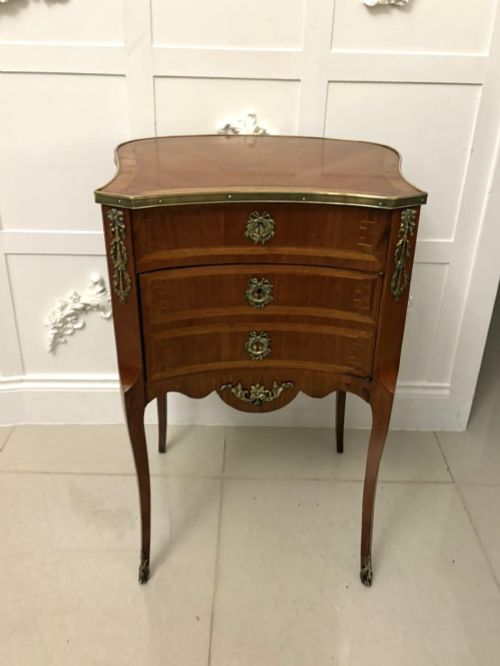
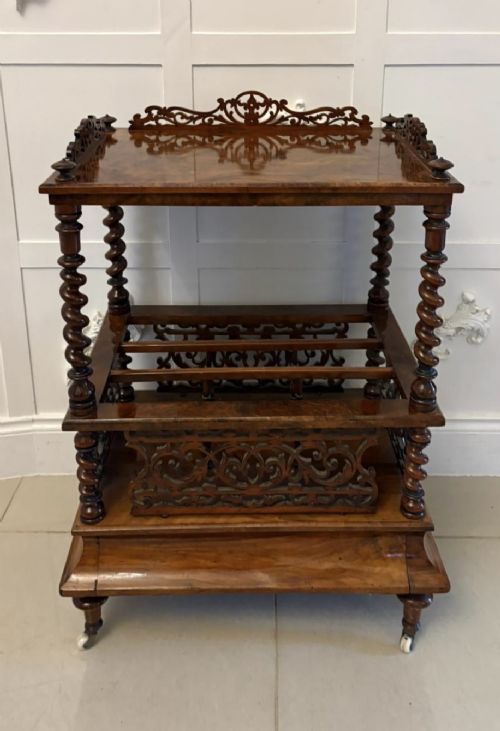
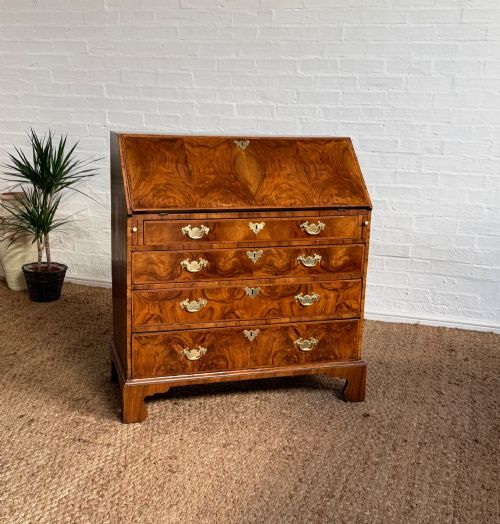
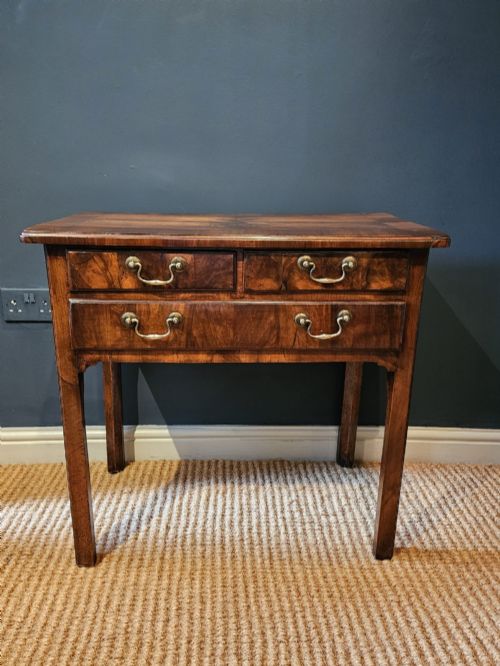
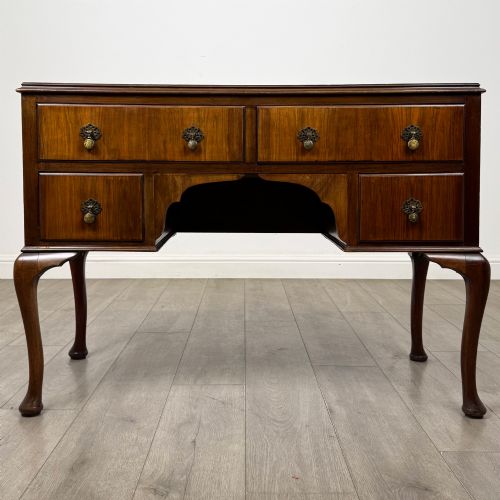
A walnut table with drawers encompasses a diverse group of domestic furnishings spanning from the eighteenth century through to the early twentieth century, including desks, side tables, lowboys, and dressing tables. These pieces draw upon styles such as Georgian, Victorian, Queen Anne, and Art Deco, reflecting shifting tastes in interior design across generations.
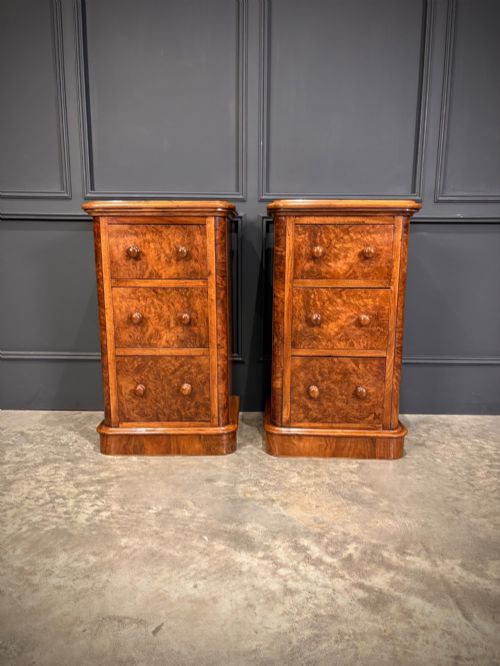
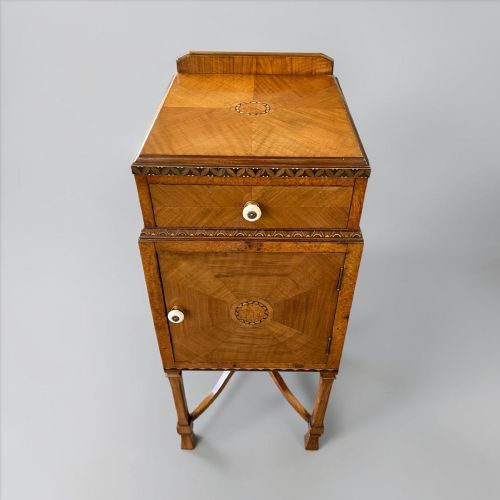
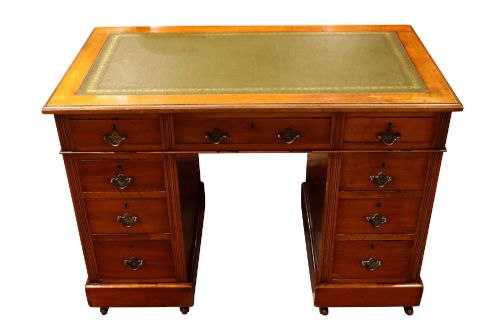
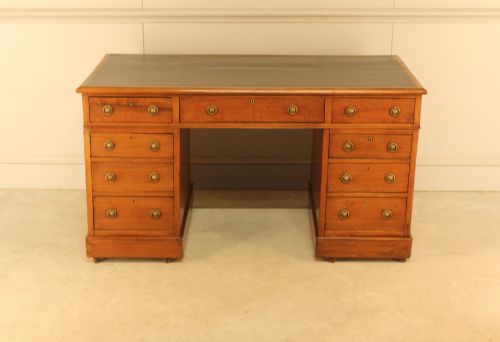
The most frequent examples encountered on this page date from the Victorian and Edwardian periods, alongside a notable presence of eighteenth-century and nineteen-twenties pieces. Forms range from compact bedside cabinets and coffee tables to large pedestal desks and serving tables, all united by the presence of functional drawer storage.
Makers and regional workshops utilised walnut, burr walnut, and figured walnut to create pieces intended for writing, display, and personal grooming. Whether examining a George II lowboy or an Art Deco nightstand, the core function remains the combination of a flat timber surface with integrated compartment storage.
How They Were Made
Construction relies heavily on walnut veneers and solid timbers, frequently making use of burr walnut or figured walnut applied over secondary woods like oak, pine, or mahogany to create striking decorative patterns across table tops and drawer fronts. Cabinetmakers employed traditional joinery techniques, housing drawers with hand-cut dovetails to ensure durability.
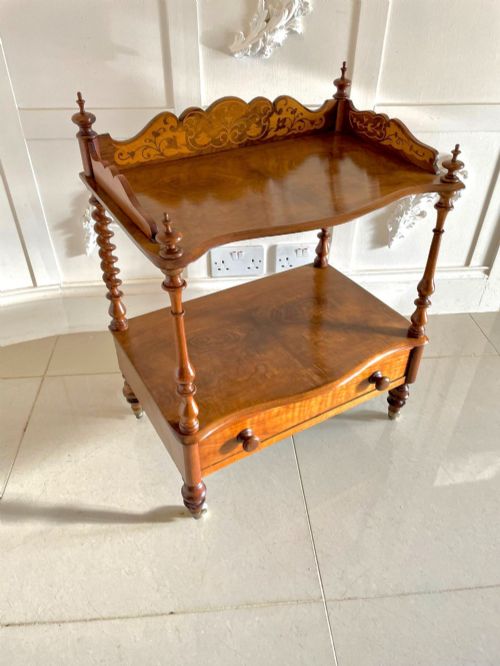
Surface ornamentation incorporates secondary materials such as brass handles, leather writing inserts, mirror glass, marble tops, and occasionally ormolu mounts or feather banding. Finishes were polished to highlight the natural grain and rich colour variations inherent in walnut timber.
Listings span the eighteenth, nineteenth, and twentieth centuries, featuring walnut alongside brass, leather, and marble.
What Varies in Quality
The selection of timber grain significantly separates standard examples from exceptional pieces, with choice burr walnut and matched figured veneers creating highly decorative surfaces that demand superior carpentry skill. The sophistication of the internal drawer construction, including secondary woods and precise jointing, reflects the workshop's overall standard.
The integration of period-appropriate hardware, such as cast brass drop handles or gilt ormolu mounts, contributes to the cohesive integrity of the piece. Proportion, leg styling - such as cabriole legs or barley twist supports - and the retention of original surfaces further distinguish finer historical examples.
Gill & Reigate·Maple & Co
The Walnut Table with Drawers Glossary
- Burr walnut
- A veneer taken from the growth wart or burl of a walnut tree, yielding swirling, highly figured patterns used on prominent surfaces. This decorative wood was favoured by cabinetmakers for formal furniture.
- Lowboy
- A small seventeenth or eighteenth-century dressing or side table featuring one or more rows of drawers beneath a flat top. These pieces typically stand on slender legs.
- Feather banding
- An inlay technique using narrow strips of veneer laid in a herringbone pattern around the edges of drawer fronts or table tops. It frames the central timber grain with precision.
- Pedestal desk
- A heavy writing table comprising two separate stacks of drawers supporting a single top with an inset leather writing surface. They frequently appear in nineteenth-century walnut.
- Sutherland table
- A narrow drop-leaf table where both leaves can fold almost vertically down, supported by swinging gate legs. Some variants include fitted drawers for small accessories.
Walnut Table with Drawers: Frequently Asked Questions
What is a walnut lowboy used for?
A lowboy served historically as a small dressing table or occasional side table for personal items and documents.
Today, these compact tables function effectively as writing desks or decorative hall tables in modern interiors.
How do I identify burr walnut?
Burr walnut is recognised by its dense, swirling grain patterns created by clustered knots and irregular tree growths.
Cabinetmakers applied this figured timber as a veneer to the most visible exterior surfaces of fine tables and desks.
Are these desks suitable for daily work?
Many period pedestal desks and writing tables offer generous surface areas and deep drawers designed for functional workspace use.
Checking the writing height and kneehole clearance ensures comfortable daily usage with modern seating.
How do I distinguish a Georgian table?
Georgian tables often display restrained proportions, fine timber figuring, and traditional details like feather banding or pad feet.
Construction methods such as hand-cut dovetails help confirm the eighteenth-century origins of these items.