





Walnut Single Drawer Table
A walnut single drawer table brings warmth and utility to a room, offering surface space and concealed storage in a rich timber.
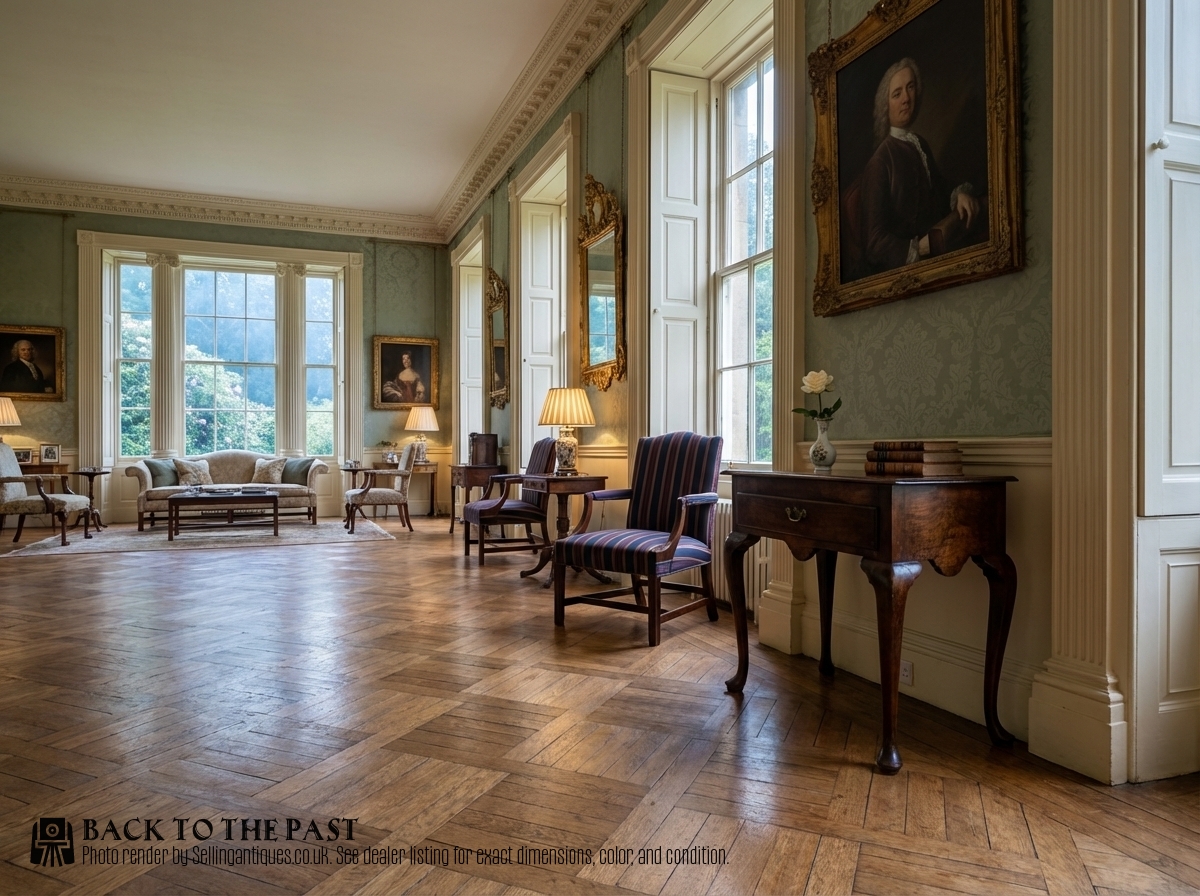
Walnut Single Drawer Table
A walnut single drawer table combines a compact timber surface with a discreet compartment beneath, serving as a side table, lamp table, or desk. These pieces appear across several distinct periods, most notably the eighteenth century through to the early twentieth century.
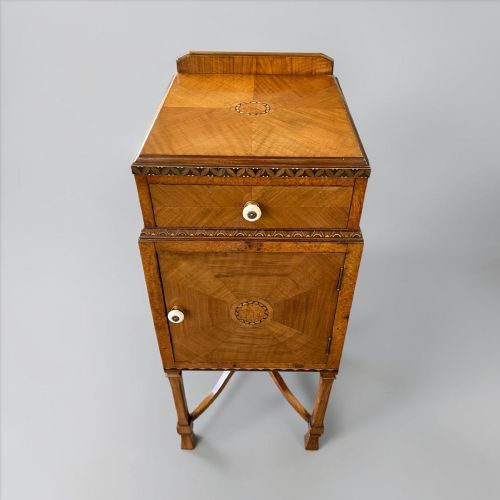
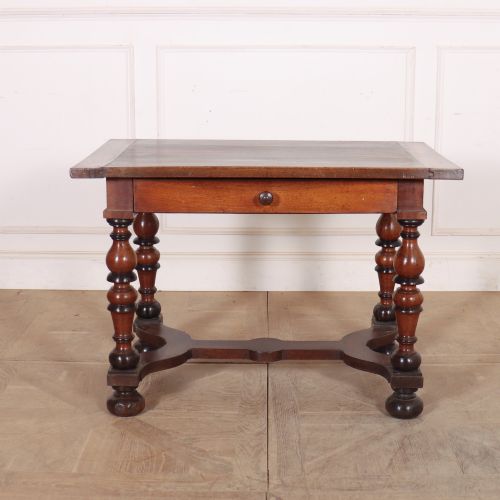
The selection ranges from Georgian lowboys and writing tables to Victorian ladies desks and Art Deco bedside pieces. French regional examples and Italian Baroque forms also emerge among the items.
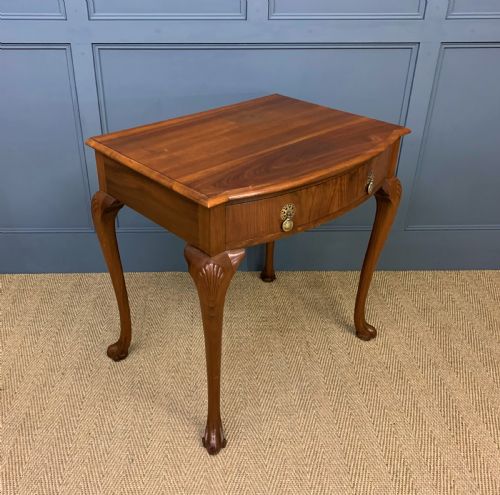
Buyers most frequently encounter eighteenth-century designs featuring cabriole legs alongside nineteenth-century burr walnut writing tables and later twentieth-century lamp tables.
How they were made
Carpenters utilised solid walnut and decorative veneers such as burr walnut, laid over supportive secondary timbers like oak. Surfaces often display figured grain patterns chosen for their visual depth.
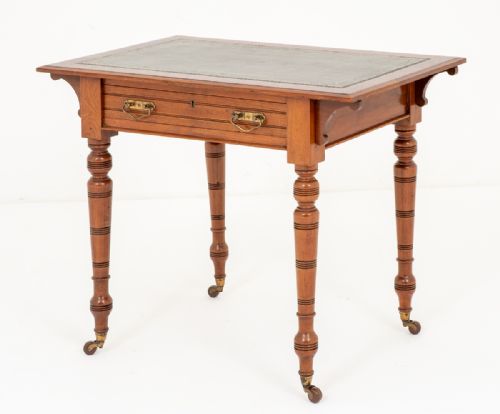
Drawer construction typically involved hand-cut joints, while finer examples incorporated brass hardware, bone details, or leather writing inserts. Ormolu mounts and inlay work appear on specific continental and mid-Victorian pieces.
Walnut Single Drawer Table Retail Price Guide 2026
Typical asking prices for walnut single drawer table among the pieces listed under this phrase on Sellingantiques today, from the lower quarter to the upper quarter. They describe what is for sale here now, not the wider market.
Even the smallest lowboy needed a sturdy drawer to hide runaway quill pens.
What varies in quality
The distinction between standard items and exceptional examples lies in the selection of the timber and the crispness of the cabinetwork. High-grade pieces display densely figured burr walnut veneers and well-proportioned cabriole or tapered legs.
Original brass fittings, smooth drawer movement, and balanced proportions separate utilitarian pieces from those made for formal reception rooms.
The Walnut Single Drawer Table Glossary
- Lowboy
- A small eighteenth-century dressing or side table featuring one or more drawers and slender legs. These domestic pieces often served secondary roles in bedrooms or parlours.
- Burr walnut
- A specialised timber cut from the abnormal growths on walnut trees, yielding intricate swirling grain patterns. Cabinetmakers prized this veneer for high-status surfaces.
- Cabriole leg
- A furniture leg that curves outward in a convex arc and tapers inward in a concave arc, ending in a pad or foot. This stylistic feature defines many eighteenth-century designs.
- Veneer
- A thin layer of decorative wood applied to a structurally stable base timber. This technique allowed craftsmen to showcase striking grain figures without using solid expensive wood throughout.
Walnut Single Drawer Table: Frequently Asked Questions
Where should I place a walnut single drawer table?
These compact tables fit naturally beside a sofa, as a bedside surface, or utilised as a small writing desk in a study. Their single drawer provides practical storage for small items while maintaining a minimal footprint.
Position them away from direct heat sources and strong sunlight to protect the walnut timber and any historic veneer work from drying out.
How do I distinguish an eighteenth-century lowboy?
Look for traditional construction methods, such as hand-cut dovetails within the drawer and pegged frame joints. Eighteenth-century examples frequently exhibit warm patination on the walnut surface alongside cabriole legs.
Later reproductions often lack the subtle tool marks and organic wear accumulated over centuries of domestic use.
What is the difference between side tables and writing tables?
Side tables offer a general surface for lamps or decorative objects, whereas writing tables typically provide a broader top and occasionally incorporate a leather insert. Writing tables are built at a height suited for sitting and working.
Both forms share the characteristic single drawer configuration found across this group of furniture.
How do I care for antique walnut furniture?
Maintain the timber by dusting regularly with a soft, dry cloth and avoiding silicone-based polishes. Applying a traditional beeswax occasionally helps nourish the wood and preserve the finish.
Keep the table in a room with stable humidity levels to prevent the walnut and its underlying veneers from warping or cracking.