





Walnut Refectory Dining Table
A walnut refectory dining table brings solid timber grain and substantial length to a room, offering a commanding surface for daily meals.
Walnut Refectory Dining Table
When searching for a walnut refectory dining table, buyers encounter long, linear dining surfaces rooted in domestic and monastic traditions. These pieces predominantly span the eighteenth and nineteenth centuries, alongside early twentieth-century interpretations.
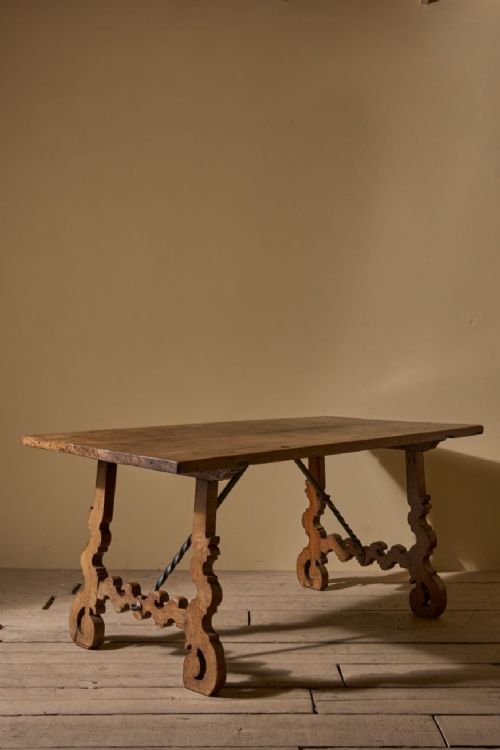
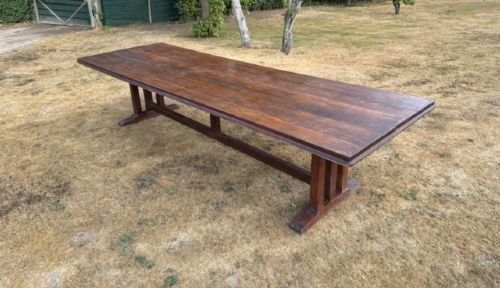
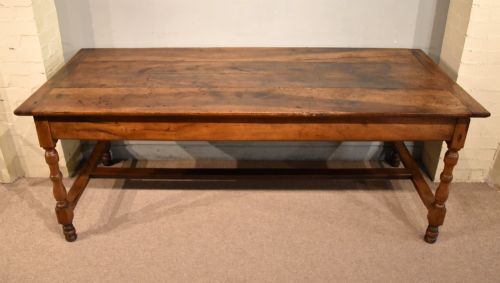
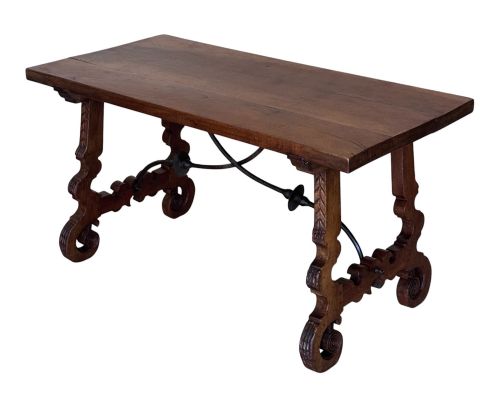
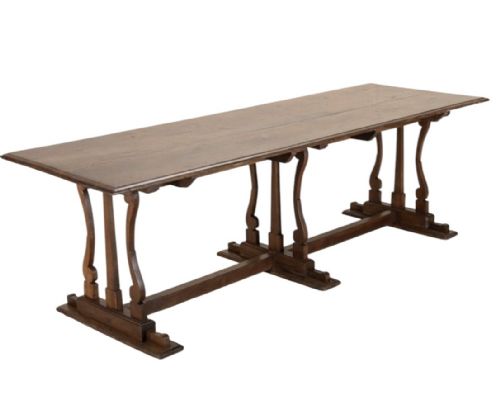
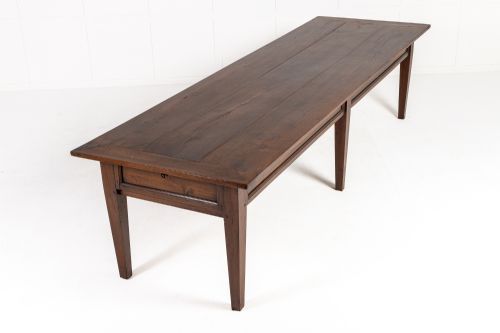
The inventory on this page ranges from rustic farmhouse forms and French provincial designs to Spanish baroque styles and Italian trestle constructions. Most examples stretch across significant lengths, designed originally to accommodate large gatherings.
Makers and makers' workshops combined walnut timber with sturdy stretcher bases, creating dependable dining furniture with distinct regional characteristics. Buyers will find variations featuring carved bases, pale walnut tones, or wrought iron supports.
What varies in quality
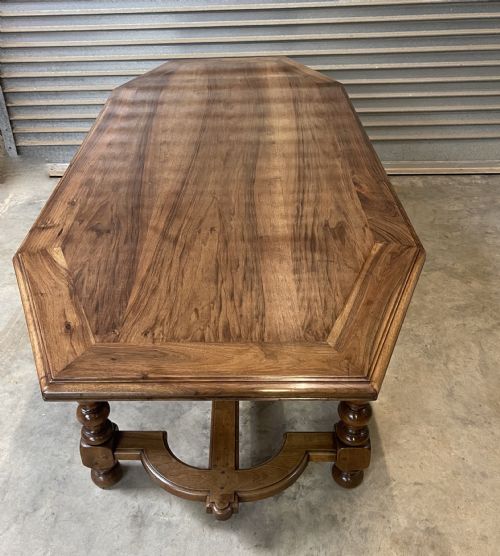
Quality rests upon the selection of the walnut timber and the integrity of the original construction rather than surface finish alone. Superior examples display mature grain patterns across single plank tops and retain uncompromised structural joins.
Regional detailing also separates everyday utility pieces from finer artistic interpretations. Tables exhibiting crisp hand-carving on the base or balanced proportions in the stretcher assembly demonstrate a higher grade of craftsmanship.
Listings feature walnut, oak, and wrought iron across nineteenth-century farmhouse and Spanish baroque styles.
Heals
The Walnut Refectory Dining Table Glossary
- Refectory table
- A long, narrow dining table historically used in monasteries and large country houses for communal dining. This form prioritises length and stability through the use of stretcher bases.
- Trestle table
- A table consisting of two or more supports connected by a horizontal beam or stretcher that holds up a flat top. This construction allows for maximum legroom along the length of the table.
- H stretcher
- A horizontal timber brace shaped like the letter H that connects the legs of a table for added rigidity. It provides structural support midway down the base.
- Scrub top
- A wooden table top designed to be frequently scrubbed clean with water and abrasive brushes. This finish is typical of utilitarian farmhouse and kitchen tables.
Walnut Refectory Dining Table: Frequently Asked Questions
How do I clean a walnut dining table?
Wipe the wooden surface gently using a soft, slightly damp cloth to remove everyday dust and debris. Avoid harsh chemical cleaners that can strip the natural finish of the walnut timber.
Dry the surface immediately with a clean cloth to prevent moisture damage. Periodically applying appropriate wood wax helps maintain the lustre and protection of the antique timber.
Can I use a refectory table daily?
These tables were built for heavy domestic or communal use, making them robust choices for everyday family dining. Their solid construction handles daily meals and gatherings with ease.
Use protective mats under hot dishes and drinks to safeguard the antique surface from heat marks and rings. With sensible care, daily use will not harm the structural integrity of the piece.
What chairs match these tables?
Pairing these tables with simple wooden chairs or upholstered dining seats creates a balanced look. Many buyers mix rustic farmhouse seating with more formal antique chairs to suit their personal interior style.
Ensure you measure the clearance between the table stretchers or trestle base and the floor to check that chair arms and seats fit comfortably underneath.
How do I date an antique table?
Examine the timber grain, tool marks, and construction methods visible beneath the top and along the frame. Hand-cut joinery and signs of age in the walnut wood typically point towards eighteenth or nineteenth-century origins.
Compare the stylistic details, such as Spanish baroque carving or Edwardian proportions, with documented period pieces. Regional traits and material combinations also offer reliable clues to the exact era of manufacture.