




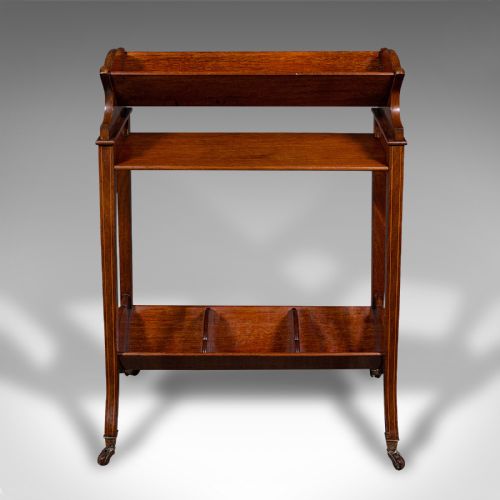


Walnut Reading Stand
A walnut reading stand brings solid timber, adjustable height, and practical book support straight to a period study or living room.

Walnut Reading Stand
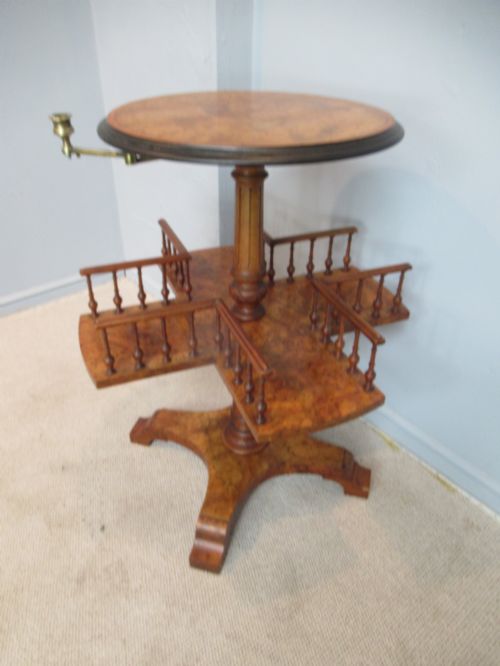
A walnut reading stand encompasses various forms designed to hold books, folios, or music securely at a comfortable angle. The selection includes adjustable music stands, folding bookstands, revolving bookstands, and over bed tables made from walnut and burr walnut.
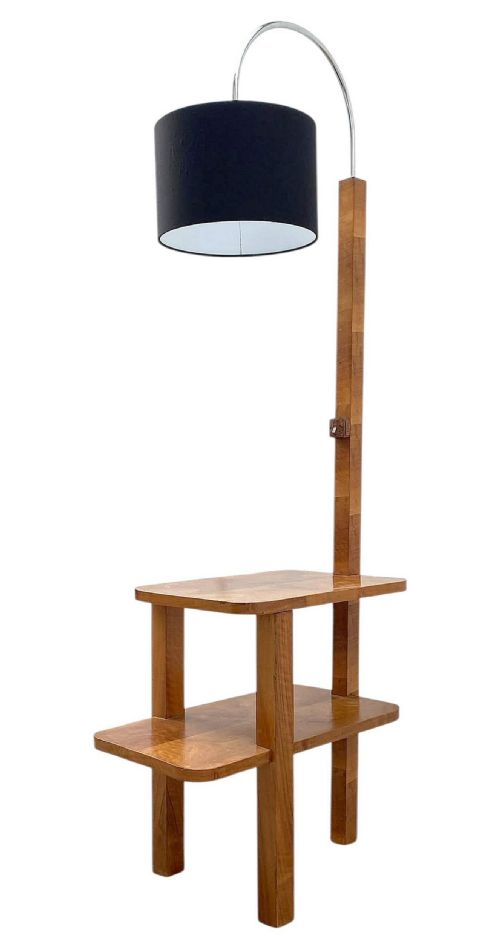
Victorian pieces dominate the earlier end of the range, often featuring brass mounts, inlay, or patent mechanisms by makers like John Carter. Later examples shift into Art Deco designs utilising blonde walnut, chrome, or gilt alongside standard lamp combinations.
How they were made
Cabinetmakers worked with solid walnut and burr walnut veneers, selecting timber prized for rich figuring and deep brown tones. Secondary materials such as brass, bone, and chrome appear on hinges, sliding mechanisms, and adjustable fittings.
Construction methods combined traditional joinery with mechanical brass adjustments, allowing lecterns, bookends, and reading surfaces to tilt and rise securely. Gilt highlights and porcelain accents occasionally complement the timber framework on decorative lamps and stands.
Walnut Reading Stand Retail Price Guide 2026
Typical asking prices for walnut reading stand among the pieces listed under this phrase on Sellingantiques today, from the lower quarter to the upper quarter. They describe what is for sale here now, not the wider market.
The evidence shows walnut reading stands spanning from the mid-nineteenth century through the Art Deco period, incorporating brass, chrome, and porcelain.
What varies in quality
Quality rests on the complexity of the mechanism and the choice of timber figure. Plain timber yields simpler utility pieces, whilst highly figured burr walnut and patented adjusting gear indicate finer workshop output.
The integration of secondary materials like brass mounts, bone details, and inlaid surfaces distinguishes standard production items from superior exhibition or patent pieces.
John Carter
The Walnut Reading Stand Glossary
- Burr walnut
- A veneer taken from the growth burls of a walnut tree, showing dense, swirling patterns. This timber was favoured for high-end Victorian and Art Deco cabinet work.
- Lectern
- A slanted support holding a book or folio at an angle for reading. These often feature adjustable height stems and folding ledges.
- Canterbury
- A low piece of furniture with partitions for holding sheet music, folios, or books. Many incorporate walnut framing and occasional table tops.
- Revolving bookstand
- A tabletop or floor-standing bookcase designed to rotate on a central pivot. This allows easy access to volumes stored in multiple compartments.
Walnut Reading Stand: Frequently Asked Questions
What is a literary machine?
A literary machine is an adjustable reading stand or desk accessory designed to hold books at various angles for the reader.
These patent devices allowed users to read comfortably whilst sitting in a chair or lying in bed.
How do I adjust the height?
Most period stands utilise a brass screw mechanism, sliding brass column, or ratchet support to alter the height and tilt.
Carefully loosen the thumb screw or locking collar before moving the wooden lectern to the desired position.
Are these stands suitable for heavy books?
Many Victorian and patent reading stands were engineered to support substantial folios, Bibles, and bound music books.
Solid walnut frames and sturdy tripod or pedestal bases provide the necessary stability for daily use.
How do I care for walnut furniture?
Keep walnut reading stands away from direct sunlight and strong heat sources to prevent the wood and veneer from drying out.
Dust with a soft, dry cloth and apply occasional wax polish to maintain the sheen of the timber.