





Vintage Adjustable Reading Table
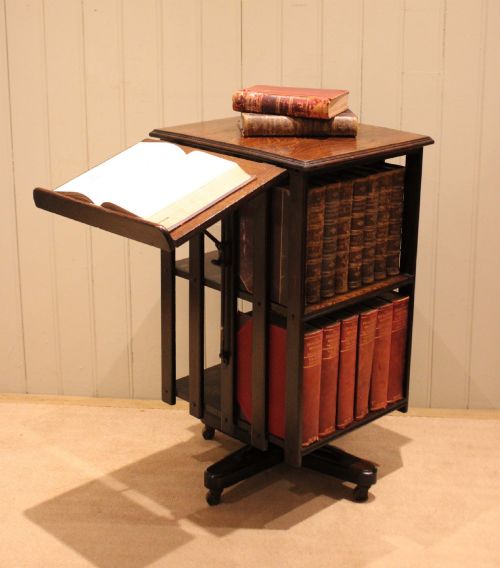
A vintage adjustable reading table brings mechanical ingenuity and solid mahogany or brass to the task of holding books and papers at the correct angle.

Vintage Adjustable Reading Table
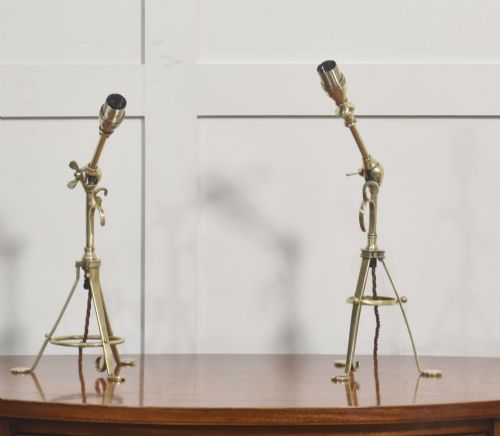
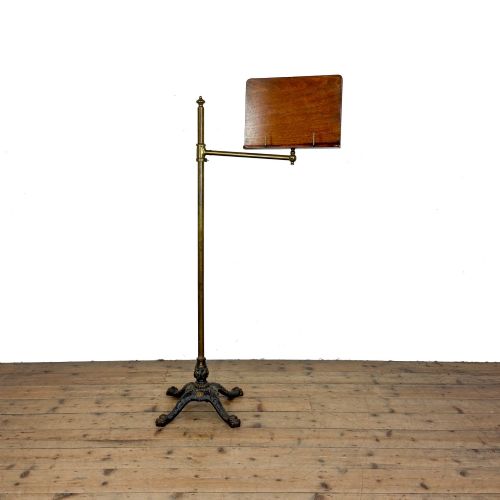
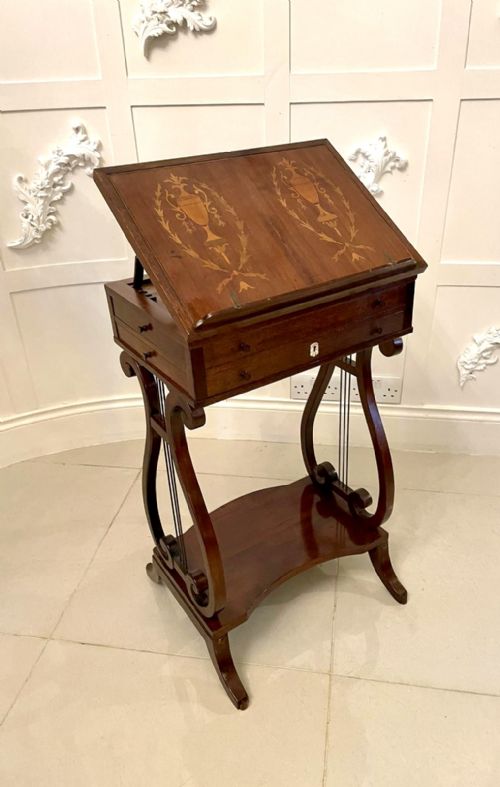
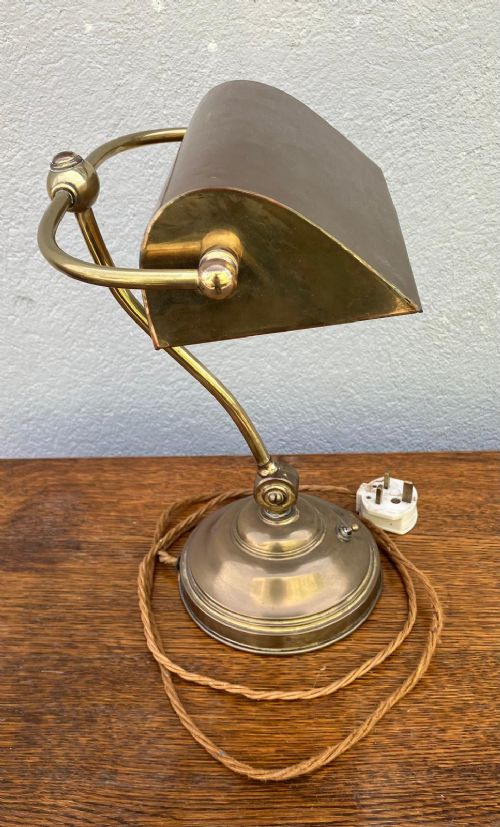
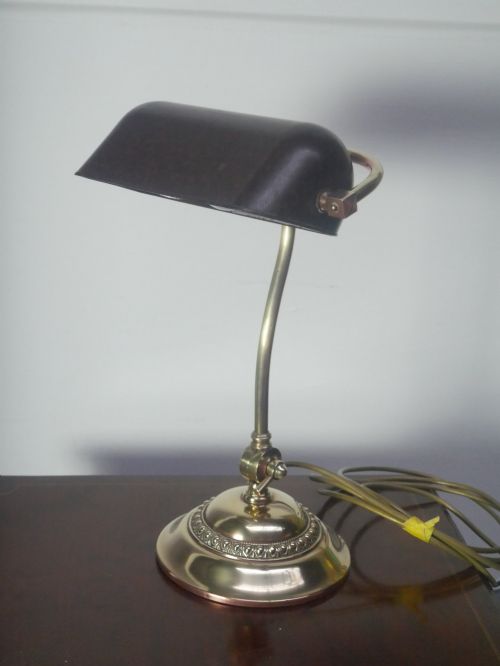
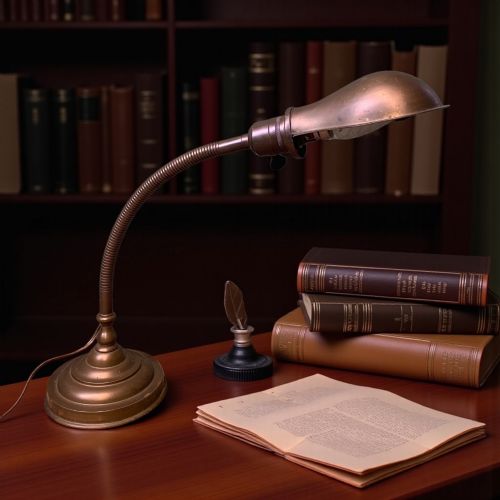
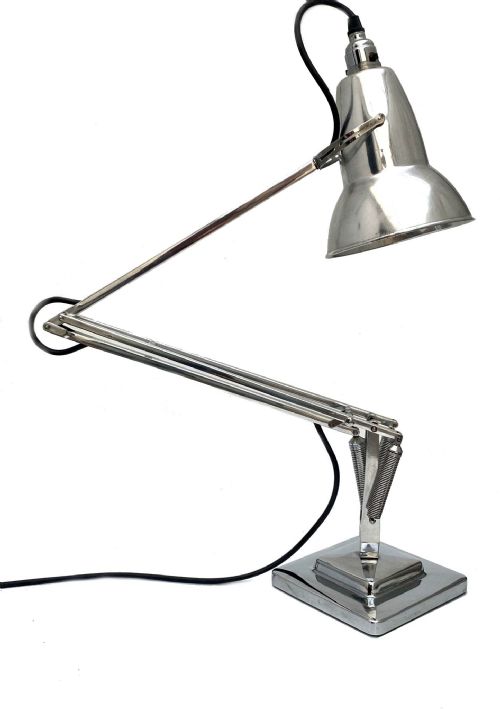
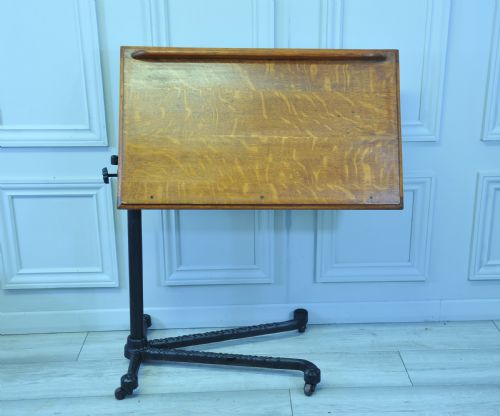
When you search for a vintage adjustable reading table, you are looking at functional furniture and lighting designed to adapt to the user through pivoting stands, risers, and tilting surfaces. The pieces listed here span the nineteenth century, the Edwardian era, and the art deco period, taking the form of reading tables, lecterns, desks, and flexible lamps in brass and mahogany.
The most common items meeting this description combine timber surfaces with metal mechanics, such as mahogany reading tables from the Regency and Victorian eras, alongside early twentieth-century brass desk lamps and reading stands. These objects served scholars, readers, and professionals who required height or angle adjustments during work.
How they were made
Makers utilised dense timbers like mahogany and oak for the structural surfaces of reading tables and desks, often pairing them with cast iron or steel mechanisms to achieve movement. Brass and chrome appear extensively in the lamps and adjustable stands, providing the necessary ductility for swivel joints, swan necks, and telescopic risers.
Surface treatments range from polished wood and leather inserts to painted toleware shades and gilt metal finishes. Construction methods rely on solid joinery for the tables and precision casting or turning for the metal lighting and support components.
Vintage Adjustable Reading Table Retail Price Guide 2026
Typical asking prices for vintage adjustable reading table among the pieces listed under this phrase on Sellingantiques today, from the lower quarter to the upper quarter. They describe what is for sale here now, not the wider market.
Some heavy brass reading stands were salvaged directly from trains and ships, built to stay put while passengers read through rough seas.
What varies in quality
The standard of a vintage adjustable reading table rests upon the precision and smoothness of its mechanical joints. Pieces featuring integrated brass ratchets, solid cast iron bases, or well-engineered telescopic columns demonstrate superior execution compared to simpler fixed designs.
Material selection and finish further divide the range, with figured mahogany, heavy gauged brass, and original glass components indicating higher workshop standards. The integrity of the moving parts and the retention of original surface patination distinguish the finest examples.
W.A.S. Benson·Herbert Terry·Wild and Wessel·Carters Of London·Pirouette
The Vintage Adjustable Reading Table Glossary
- Reading table
- A specialised table with a surface designed to tilt or adjust in height for holding books, folios, or writing materials. These pieces often incorporate ledges to prevent volumes from sliding off when angled.
- Lectern
- A stand with a slanted top used to support a book or speech at a comfortable reading height for a standing user. Early twentieth-century examples frequently utilise pivoting mechanisms on robust pedestals.
- Toleware
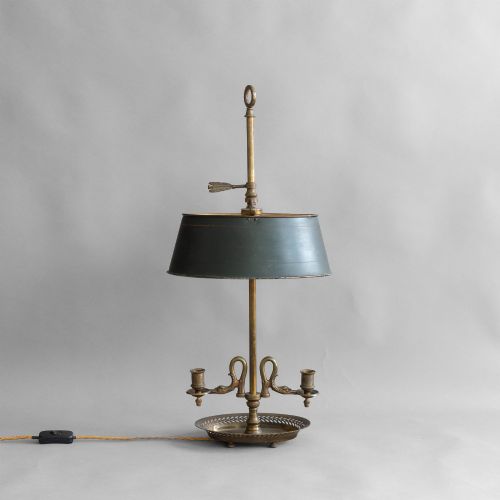
- Painted or lacquered metalware, typically tin or steel, used for lamp shades and bouillotte bases in green, red, or gold tones. This material provides durable colour to desk lighting.
- Bouillotte lamp
- A traditional adjustable desk lamp featuring a central shaft, multiple candle-style arms or an electric equivalent, and an adjustable shade. The shade moves up and down the central column to control light diffusion.
Vintage Adjustable Reading Table: Frequently Asked Questions
How do I adjust the height?
Most pieces utilise mechanical ratchets, screw keys, or internal counterweights housed within brass or cast iron columns. Users simply release the locking mechanism to slide or pivot the surface to the desired position.
Older examples rely on manual thumb screws that secure telescopic brass tubes at set intervals. Care should be taken to support the weight of the table or reading shelf while adjusting.
Where were these tables used?
These items populated libraries, studies, offices, and drawing rooms where reading and writing required adaptable lighting and surface angles. Architects and cartographers also utilised riser desks for large plans.
Smaller reading stands and over-bed tables were designed for domestic comfort, allowing books to be held at bedside or fireside chairs without strain.
Are the lamps wired for modern use?
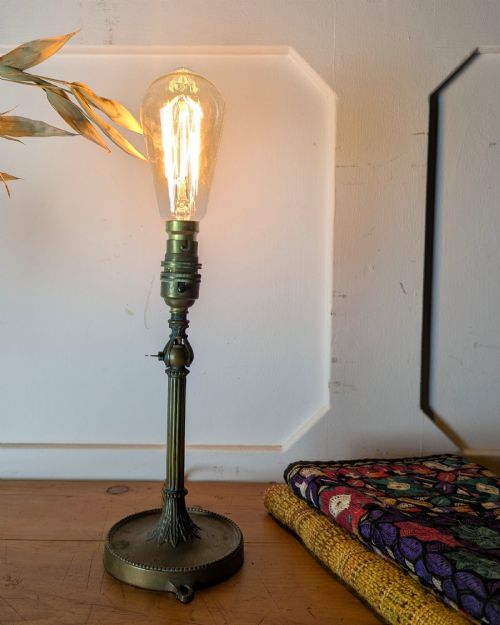
Many vintage metal lamps retain their original brass or chrome fittings, but electrical components are generally assessed or updated for current safety standards. Wiring methods vary according to the decade of manufacture.
Collectors often seek pieces that preserve original switches, shades, and weighted bases while ensuring the internal flex meets domestic requirements.
How do I date an adjustable reading table?
Dating relies on stylistic markers, such as Regency mahogany reeded legs, Edwardian inlaid woodwork, or Art Deco chrome and walnut combinations. Materials like cast iron, brass, and early plastics also point to specific manufacturing eras.
Maker marks, patent stamps, and the complexity of the mechanical joints provide further evidence for narrowing the decade of origin.