

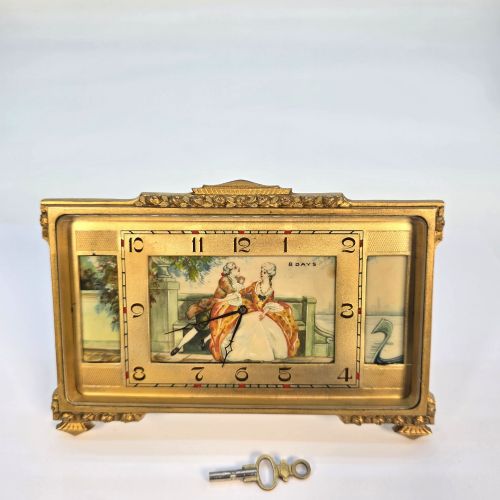
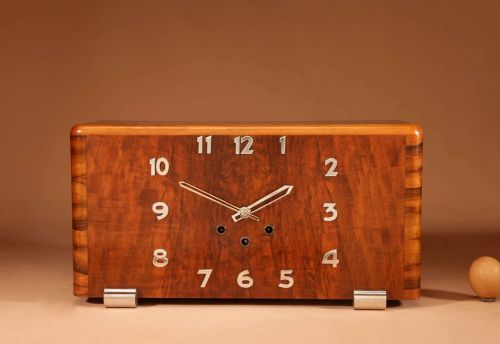
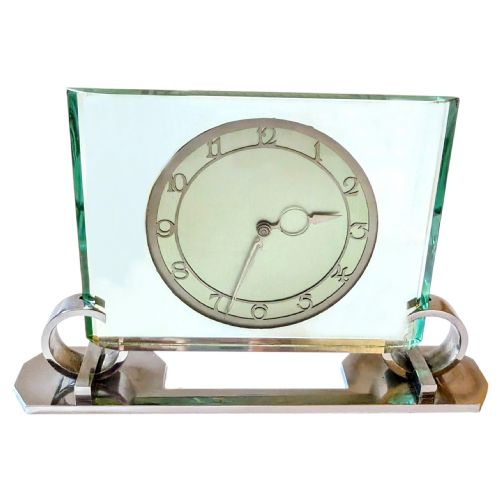
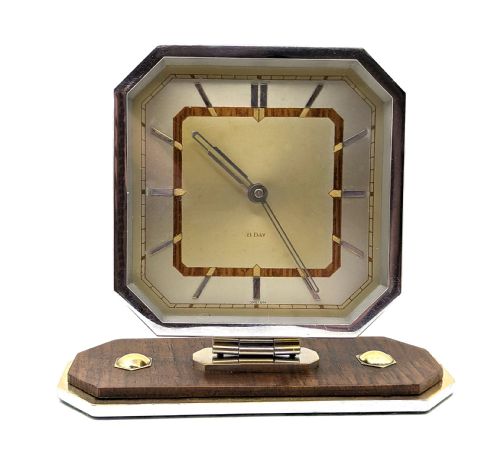


Art Deco Mechanical Table
An art deco mechanical table brings together period craftsmanship and reliable movement, offering functional design for the modern interior.

Art Deco Mechanical Table
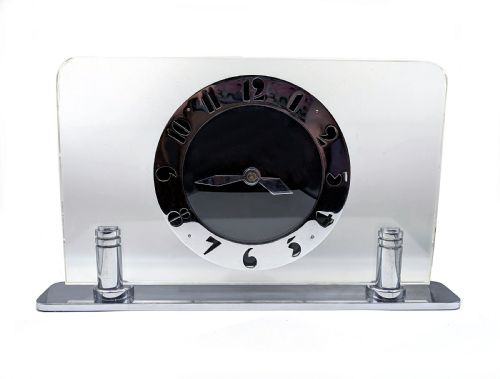
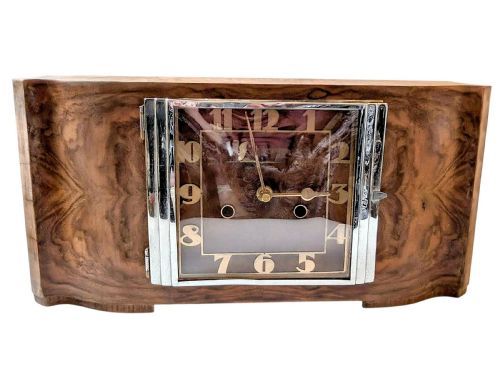
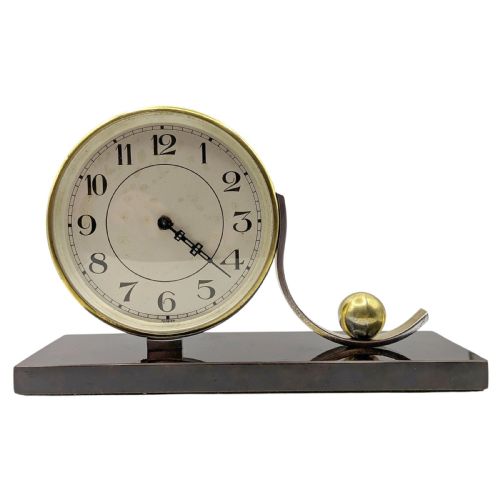
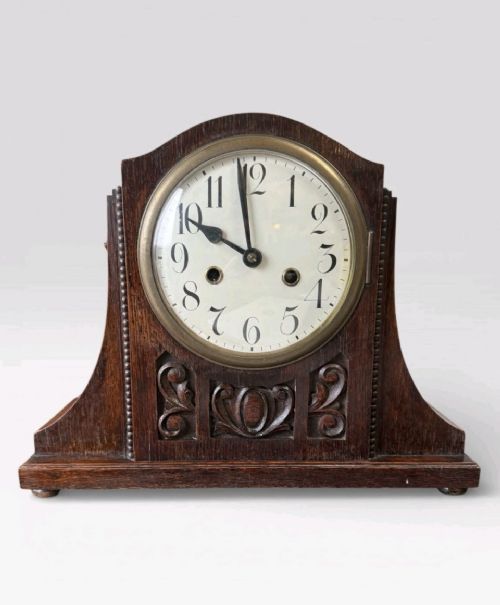
An art deco mechanical table encompasses both functional timepieces placed on surfaces and specialised furniture items engineered with moving parts. Pieces span clocks designed for desks, mantels, and tables alongside cocktail bars and reading stands.
The objects originate primarily from the nineteen-thirties, with related examples appearing from adjacent decades. British, French, and German makers dominate the selection.
Clock forms predominate among mechanical items, incorporating wind-up and eight-day movements alongside specialised mechanisms like mystery clocks and chiming systems. Furniture pieces utilise pop-up and adjustable engineering to serve functional needs.
Materials and Construction
Construction relies heavily on walnut and oak timbers paired with chrome-plated metal and brass fixtures. Bakelite and glass also appear frequently in both clock cases and structural elements.
Movements are integrated directly into fitted wooden, metallic, or glass housings, utilising mechanical wind-up systems. Surface finishes combine polished metal with rich wood veneers and moulded synthetic resins.
Art Deco Mechanical Table Retail Price Guide 2026
Typical asking prices for art deco mechanical table among the pieces listed under this phrase on Sellingantiques today, from the lower quarter to the upper quarter. They describe what is for sale here now, not the wider market.
The material selection spans walnut, oak, glass, chrome, brass, and Bakelite across various mechanical forms.
Distinctions in Execution
Quality rests upon the precision of the mechanical movement and the integrity of the housing materials. Well-executed pieces combine robust internal engineering with harmonious proportions in wood, chrome, or glass.
Smiths Clockmakers·Jaz·Mauthe·Harrods of London·Perivale·Bravingtons Ltd·Bayard·Blangy·DEP
The Art Deco Mechanical Table Glossary
- Bakelite
- An early synthetic thermosetting plastic used extensively for clock cases and decorative items. It offers a distinct glossy finish and moulded durability.
- Mystery clock
- A timepiece where the mechanism appears hidden or disconnected from the hands, creating a visual illusion. These items demand intricate internal gearing.
- Spelter
- A zinc alloy frequently utilised for cast figures and decorative mounts on period objects. It accepts patination and metallic paint finishes readily.
- Westminster chime
- A melodic four-note quarter-hour chime sequence found in superior mantel clocks. It requires a specialised multi-hammer movement to execute.
Art Deco Mechanical Table: Frequently Asked Questions
How do mechanical desk clocks operate?
These timepieces rely on manual wind-up movements, typically requiring a key or manual tensioning of the mainspring to drive the gear train. Many incorporate eight-day movements that run for over a week before needing another wind.
Regulating levers inside the case allow for time adjustments to maintain accuracy. Proper servicing ensures the mechanical components continue to function smoothly over time.
What distinguishes a mystery clock?
A mystery clock utilises concealed or transparent gear systems that make the hands appear to float without a visible connection to the movement. This clever engineering creates a visual puzzle for the observer while maintaining accurate timekeeping.
The complexity of the hidden linkage represents a high level of period horological skill.
How should walnut clock cases be maintained?
Polished walnut and wood veneers require gentle dusting with a dry, soft cloth to prevent particulate buildup. Avoid placing the wood in direct sunlight or near heat sources that could cause the veneer to dry and crack.
Applying a suitable furniture wax periodically helps preserve the natural sheen of the timber.