

Walnut Rack
When you search for a walnut rack, you are looking for practical domestic organisation rendered in figured timber.
Walnut Rack
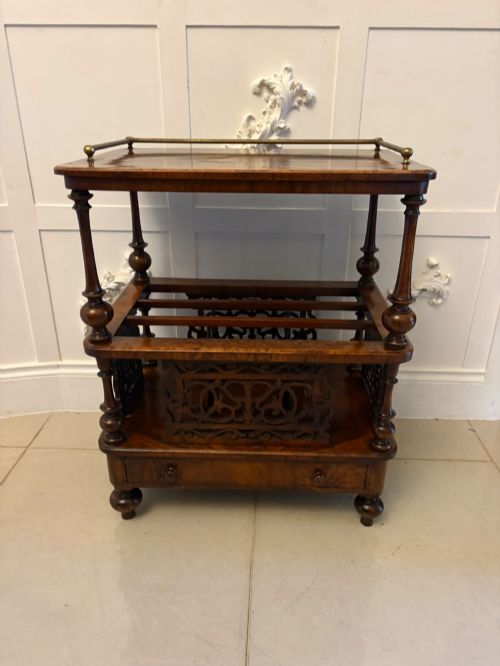
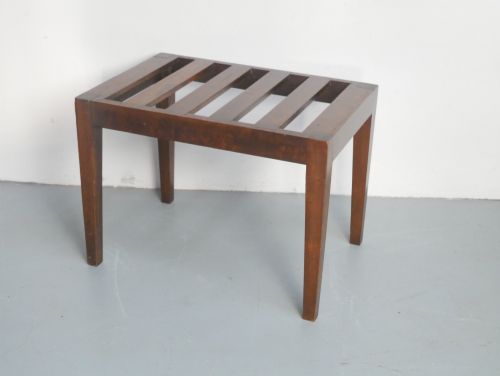
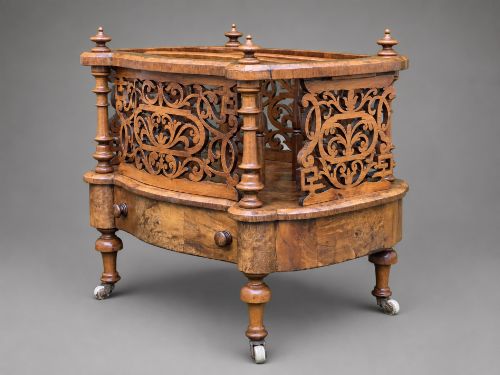
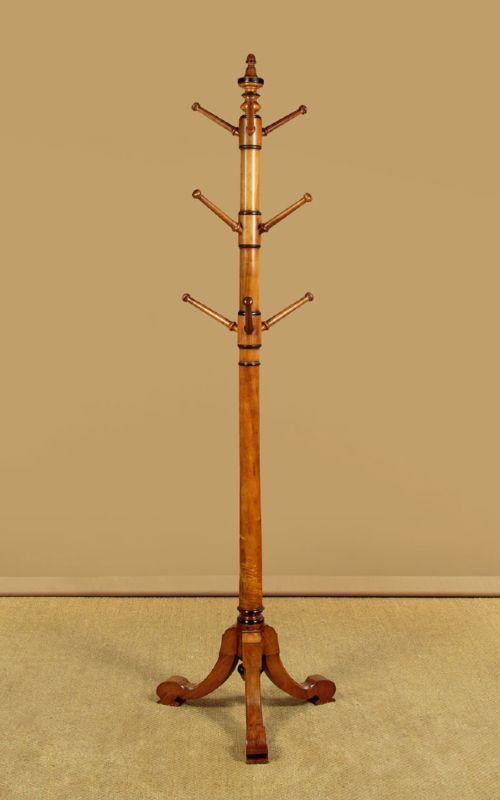
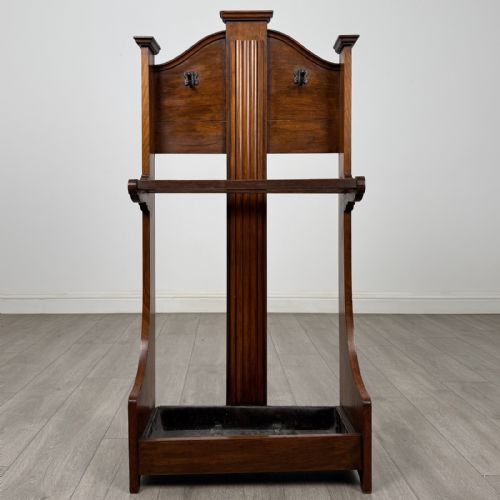
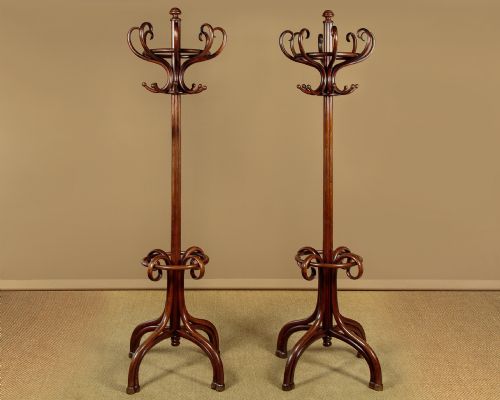
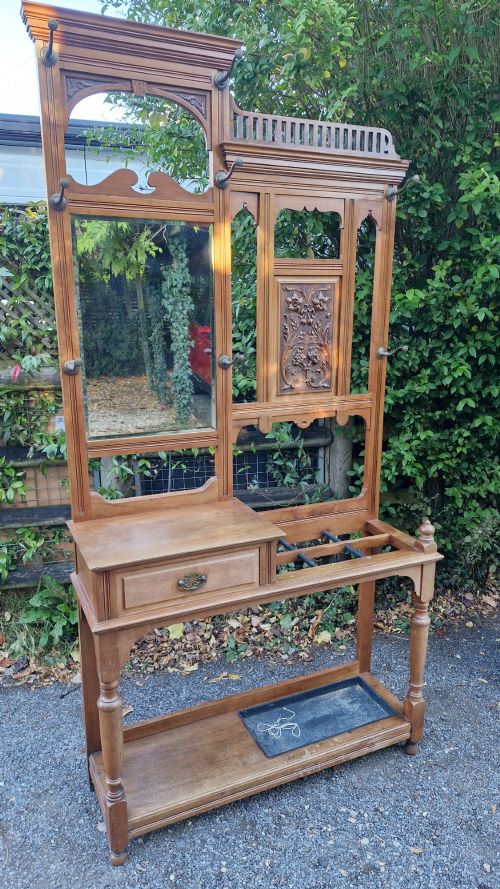
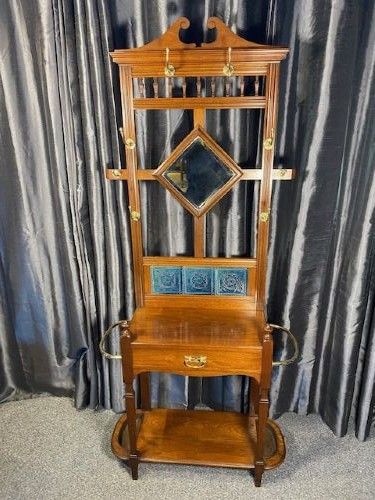
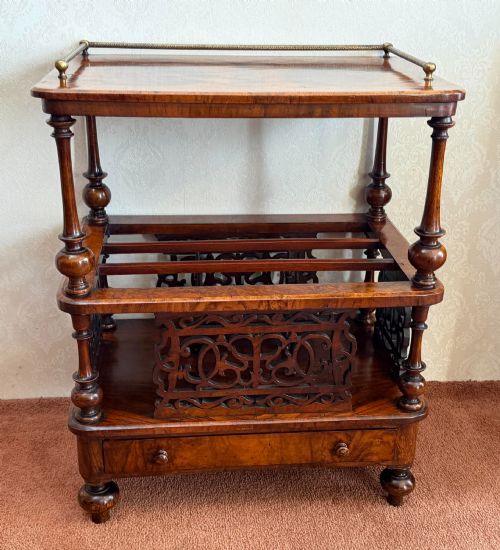
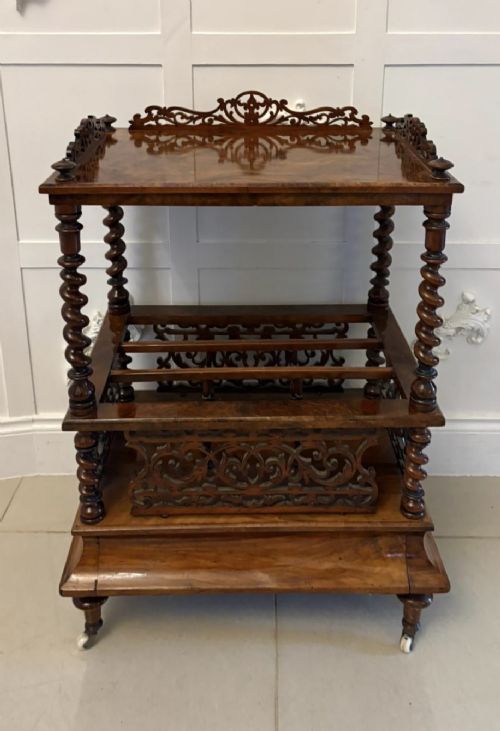
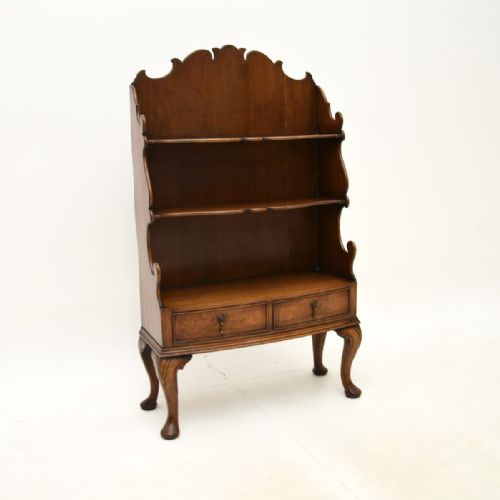
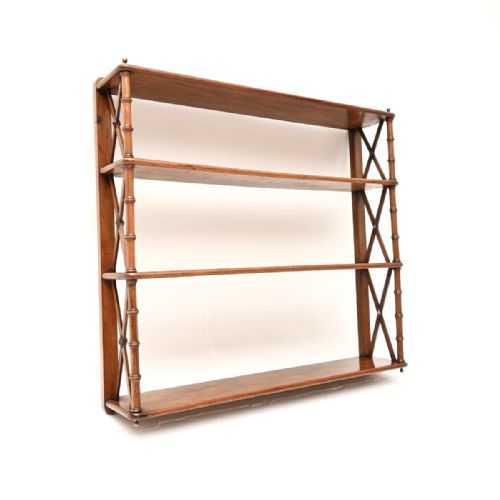
A walnut rack encompasses a variety of domestic furnishings designed for holding books, sheet music, newspapers, and garments. Canterburys, hall stands, and wall shelves dominate the pieces encountered under this heading.
Victorian examples in burr walnut appear frequently alongside Edwardian and nineteenth-century items. These objects served specific domestic functions in the parlour, hallway, and library.
The form spans freestanding music stands, cascading bookcases, and umbrella stands alongside smaller desk accessories and wall-mounted shelving. Each piece demonstrates how nineteenth-century households organised daily literature and accessories.
What varies in quality
The selection of timber veneer defines the visual impact of each piece, with highly figured burr walnut commanding greater presence than plain grain. Crispness in carved details and the integration of brass mounts indicate the level of care taken during manufacture.
Proportion and structural integrity separate standard utility items from elaborate parlour furniture. Pieces retaining original castors, functional extending mechanisms, and uncompromised joinery represent the finer end of the range.
Walnut Rack Retail Price Guide 2026
Typical asking prices for walnut rack among the pieces listed under this phrase on Sellingantiques today, from the lower quarter to the upper quarter. They describe what is for sale here now, not the wider market.
Nineteenth-century items span Gothic Revival styles and French designs alongside standard English domestic furniture forms.
Edwards & Roberts·Thonet·Betjemanns
The Walnut Rack Glossary
- Canterbury
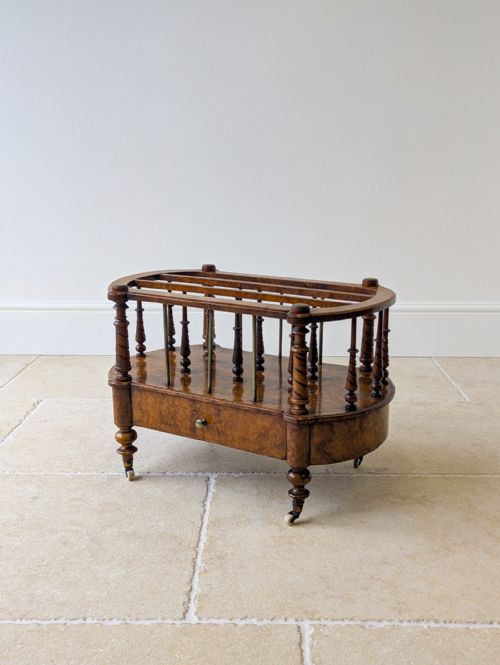
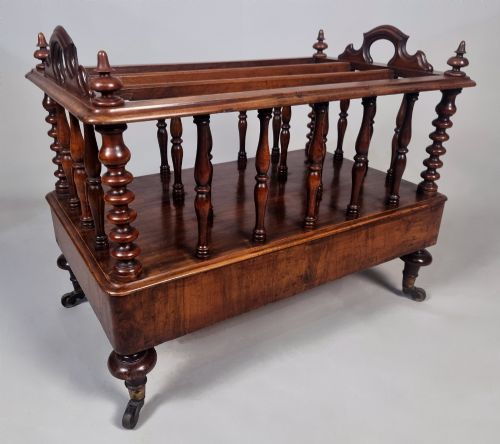
- A low stand with slatted divisions designed for holding sheet music, books, or newspapers. Many Victorian examples incorporate a drawer below and function additionally as occasional tables.
- Book slide
- An extendable desk accessory designed to hold a variable number of volumes upright between two upright ends. Brass framing and mounts frequently strengthen the expanding mechanism.
- Hall stand
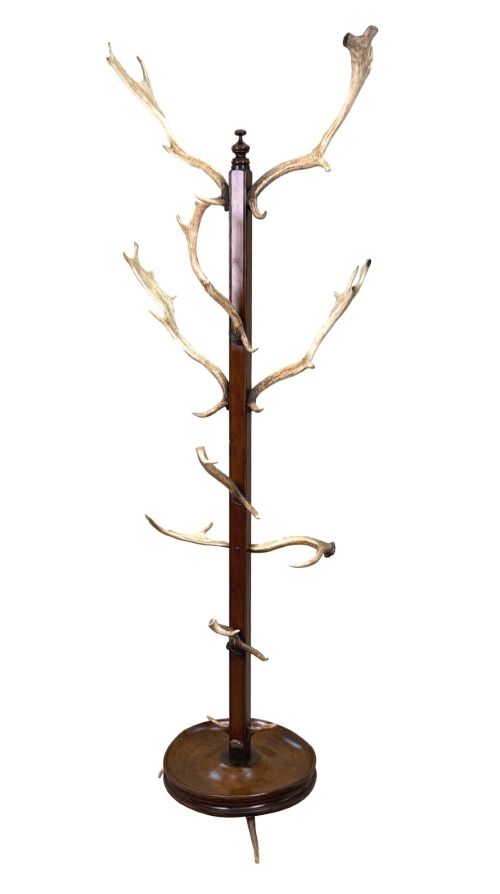
- A tall piece of hall furniture combining coat hooks, umbrella wells, and sometimes a mirror or small glove drawer. They utilise timbers like walnut alongside brass and antler elements.
- Whatnot
- An open set of cascading shelves supported by slender pillars, utilised for displaying ornaments and small objects. Victorian examples often incorporate a Canterbury base.
Walnut Rack: Frequently Asked Questions
What is a Canterbury used for?
A Canterbury was originally designed to hold sheet music near a piano or music stand. In later domestic settings, households utilised the slatted partitions for newspapers and magazines.
Many examples include a small drawer at the base for smaller accessories. They sit easily beside seating areas as occasional tables.
How do I care for burr walnut?
Burr walnut benefits from minimal intervention and occasional application of appropriate furniture wax. Keeping pieces away from direct heat sources prevents the timber veneer from drying.
Polishing with a soft cloth maintains the natural lustre of the figured grain without building up heavy residue. Gentle dusting preserves the surface finish.
Where were hall stands placed?
Hall stands stood immediately inside the entrance of a Victorian or Edwardian home. They provided a designated space for outdoor garments, hats, and wet umbrellas.
The inclusion of a mirror allowed visitors to check their appearance before entering the main reception rooms.
How do I date a walnut piece?
Dating relies upon stylistic markers, construction methods, and hardware such as brass hinges or locks. Victorian pieces frequently display heavier proportions and rich burr walnut veneers.
Later Edwardian items often adopt lighter forms while retaining traditional joinery techniques. Comparing the secondary timbers and fastening types provides further chronological context.