
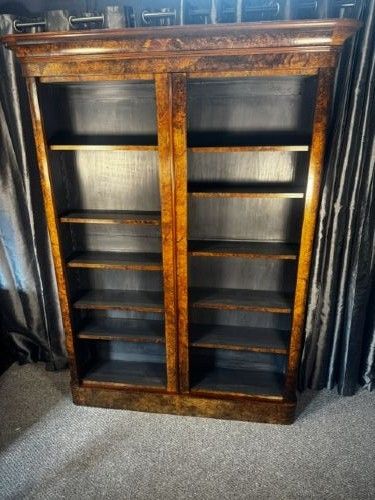
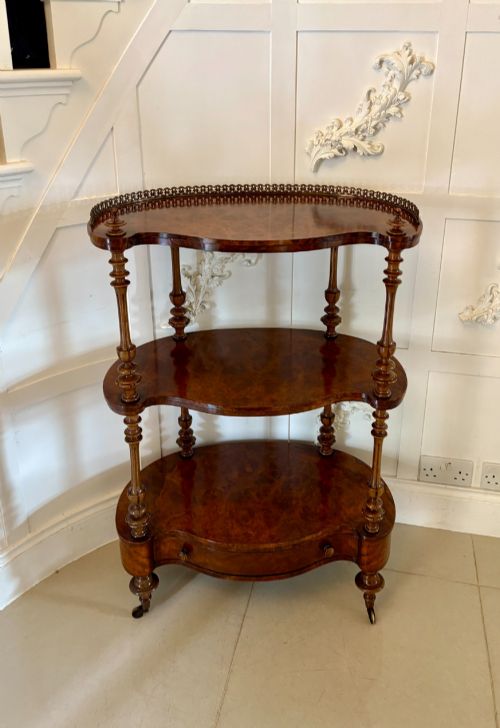
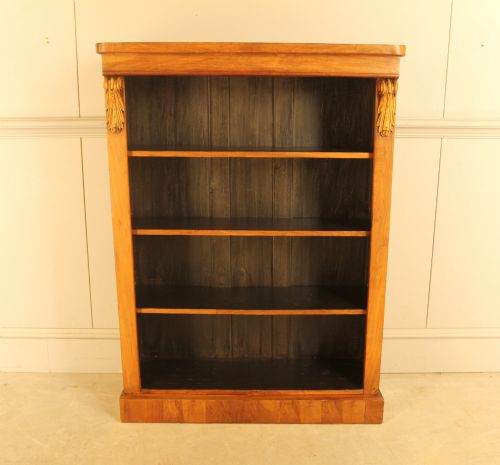
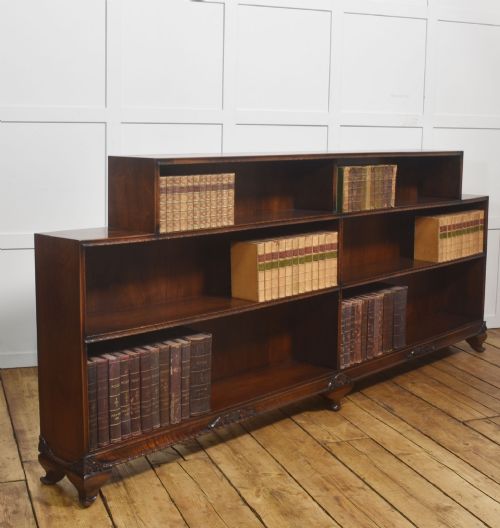
Walnut Open Shelving Unit
A walnut open shelving unit brings warmth and architectural rhythm to a room, offering display space for books and cherished objects.
Walnut Open Shelving Unit
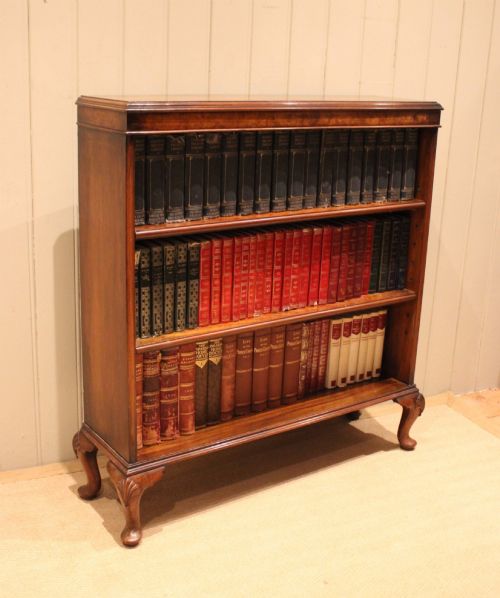
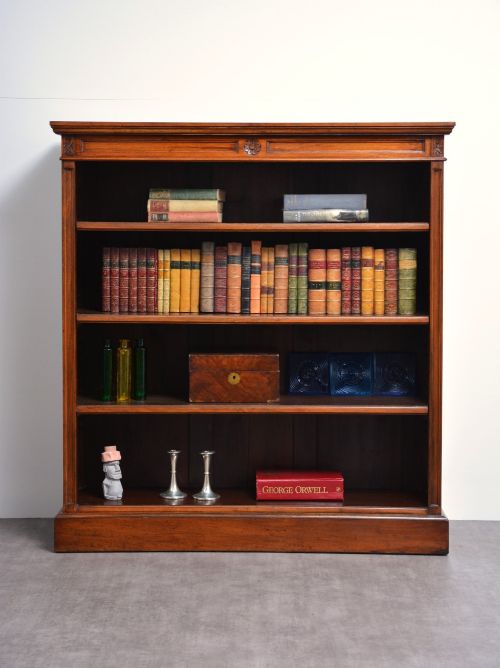
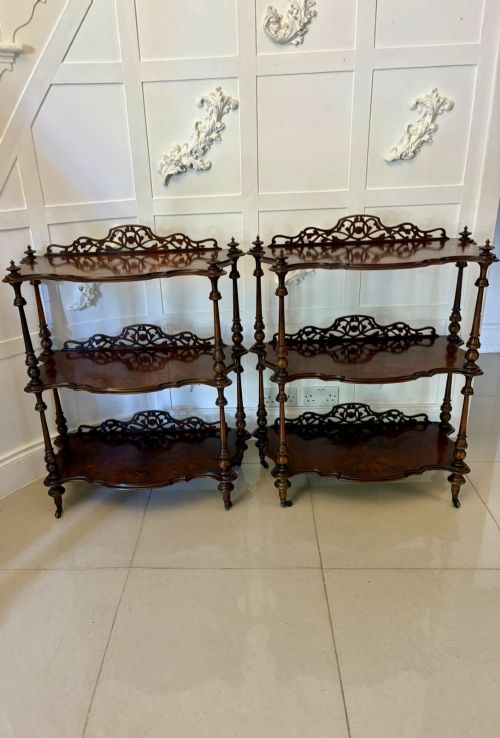
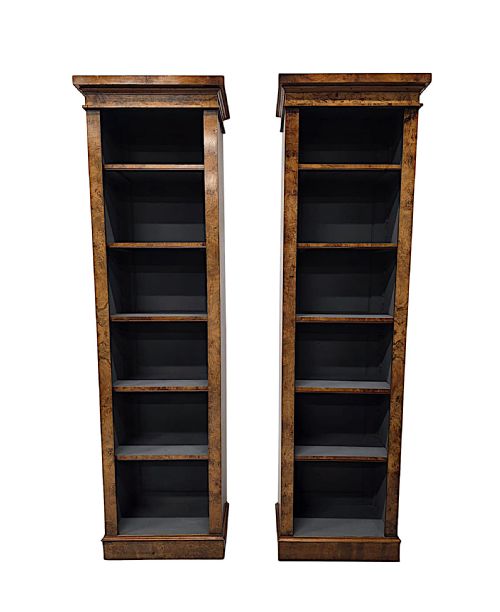
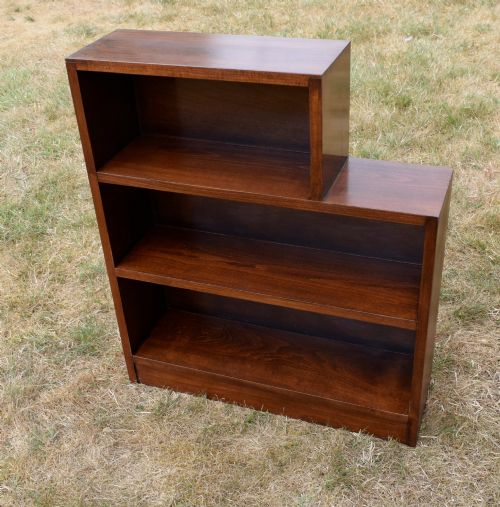
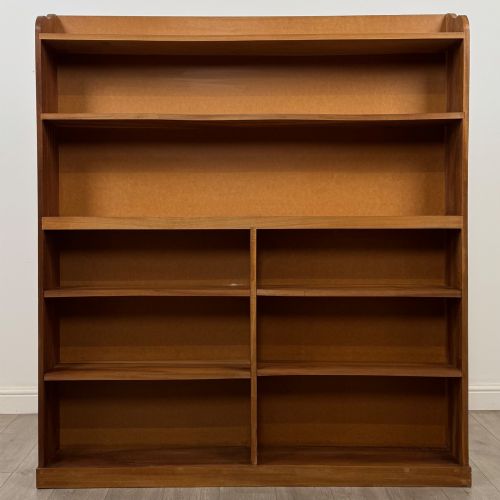
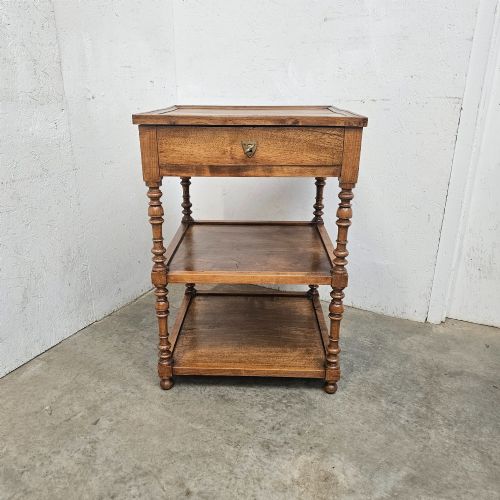
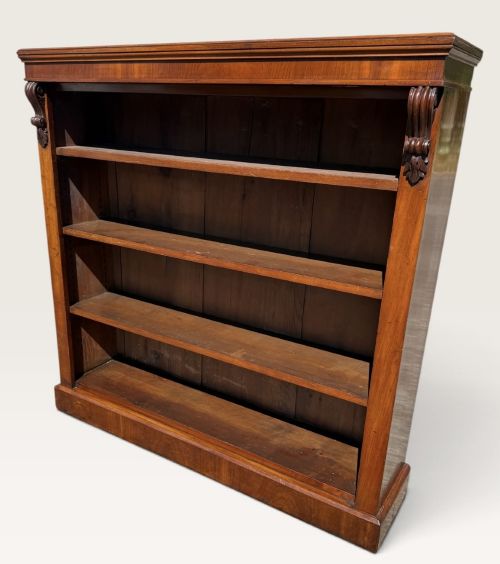
A walnut open shelving unit is a versatile form encompassing bookcases, whatnots, etageres, and corner shelves designed without doors to keep books and display items readily accessible. These pieces emerge from periods including the Victorian era, the Edwardian years, and the Art Deco movement, reflecting changing domestic fashions across the nineteenth and twentieth centuries.
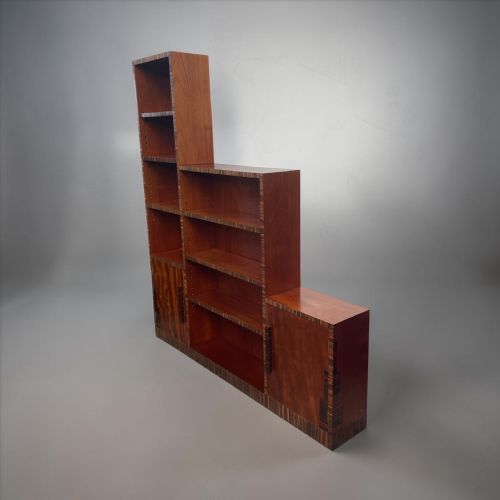
Buyers encountering this category will find a prevalence of Victorian and late nineteenth-century pieces alongside early twentieth-century examples and Art Deco designs. Common configurations range from low open bookcases with adjustable shelves to tall cascading units and tiered whatnots intended for corner placement or freestanding display.
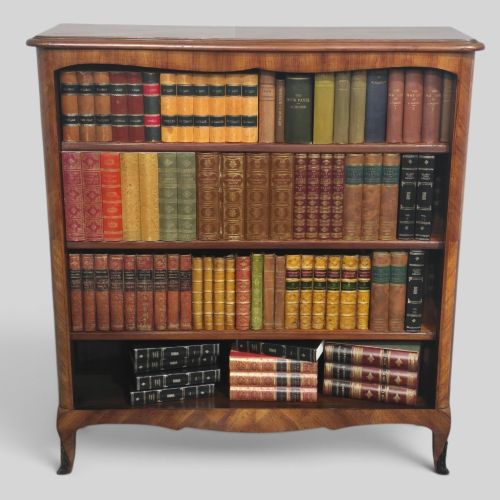
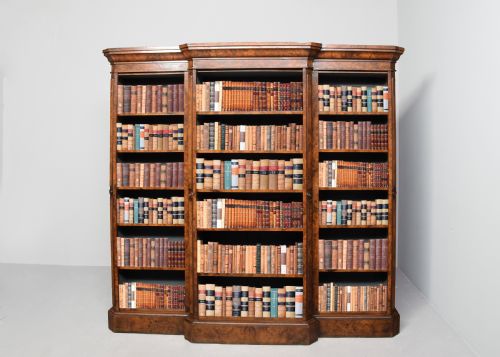
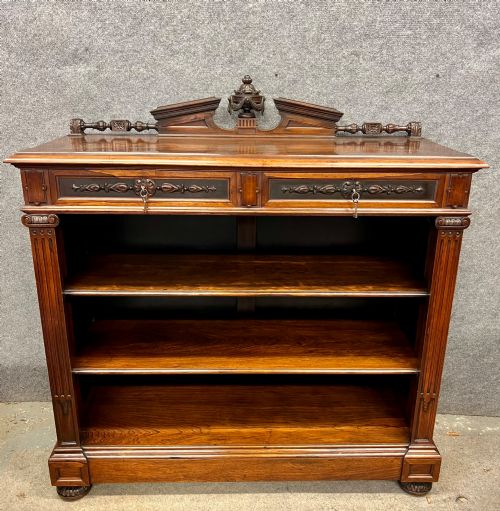
Originating forms frequently utilise rich timbers and distinct silhouettes, from serpentine fronts and breakfront profiles to stepped geometric lines. Whether selecting a French-influenced etagere or a sturdy British library bookcase, the focus remains on open sightlines and practical tiering.
Materials and construction methods
Cabinet makers relied primarily on walnut and burr walnut, often applied as fine veneers over stable secondary timbers such as pine and hardwood to showcase dramatic grain patterns. Structural integrity was achieved through traditional joinery, supplemented in some periods by brass mounts, ormolu details, and ebonised highlights.
Surfaces received careful polishing to enhance the natural figure of the wood, whilst functional elements like adjustable wooden shelving provided adaptability for growing book collections. In more ornate examples, turned legs, inlaid banding, and stepped tiers demonstrated advanced joinery and decorative assembly.
Victorian households loved a whatnot so much they put them in corners just to stop dust from settling in empty air.
Assessing quality and craftsmanship
Quality in these pieces is dictated by the selection and matching of the walnut veneer, where symmetrical grain alignment across breakfronts and panels distinguishes superior workshop output. The depth of the timber's finish and the crispness of turned supports or brass mounts further separate standard production from exceptional examples.
Structural refinement also marks the upper tier of pieces, visible in the smooth operation of adjustable shelving mechanisms and the stability of multi-tiered whatnots and etageres. Harmony of proportion and thoughtful detailing, such as serpentine shaping or delicate inlays, elevate a straightforward utility item into a sophisticated focal point.
Maurice Adams
The Walnut Open Shelving Unit Glossary
- Burr walnut
- A specialised wood cut from the growth burls of walnut trees, yielding highly figured, swirling grain patterns prized for decorative veneering.
- Etagere
- A piece of furniture consisting of a set of open shelves for displaying small objects, popular in various nineteenth-century and revival styles.
- Breakfront
- A piece of furniture whose central section projects forward from the flanking sections, creating architectural depth and visual interest.
- Whatnot
- A multi-tiered shelving unit designed for the display of ornaments, knick-knacks, and books, frequently seen in Victorian interiors.
- Ormolu
- Gilded bronze ornamentation applied to furniture mounts and details, adding metallic contrast to dark wood surfaces.
Walnut Open Shelving Unit: Frequently Asked Questions
How do I style an open shelving unit?
Balance books standing upright with stacked volumes laid horizontally to create varied heights across the tiers. Incorporate ceramics, framed photographs, and small sculptures in the spaces between books to maintain visual breathing room.
Group items by colour or material family to prevent the shelves from appearing cluttered. Leave small areas of the walnut grain visible to let the beauty of the timber act as part of the display.
Are the shelves adjustable on these units?
Many traditional open bookcases and shelving units feature adjustable wooden shelves supported by removable pegs or traditional rackwork systems. This flexibility allows you to accommodate oversized art books or smaller paperbacks with ease.
It remains helpful to inspect individual listings to confirm whether a specific piece retains its original adjustable shelving mechanism. Fixed shelves are more commonly found on specialised corner units and tiered whatnots.
Where should I place a whatnot in my home?
Whatnots and etageres work exceptionally well in living rooms, studies, or hallways where their open sides allow light to pass through the room. Corner whatnots are particularly useful for activating unused angles without consuming valuable floor space.
Keep these pieces away from direct heat sources and strong sunlight to protect the walnut veneer from drying out or fading. Positioning them against a solid interior wall ensures stability and protects the open tiers from accidental knocks.
What is the difference between a bookcase and an etagere?
A bookcase is primarily constructed to store and support books, often featuring deeper shelves and heavier structural timbers to bear significant weight. An etagere is typically lighter and more decorative, designed specifically for the display of ornaments and curiosities across multiple open tiers.
Hybrid forms do exist within nineteenth and twentieth-century furniture, combining book storage with display shelving. Reviewing the depth of the shelves helps determine whether a piece leans toward library utility or decorative display.