
Walnut Open Bookshelf
A walnut open bookshelf brings warmth and accessible storage to a room, offering a practical display for a collection of volumes.
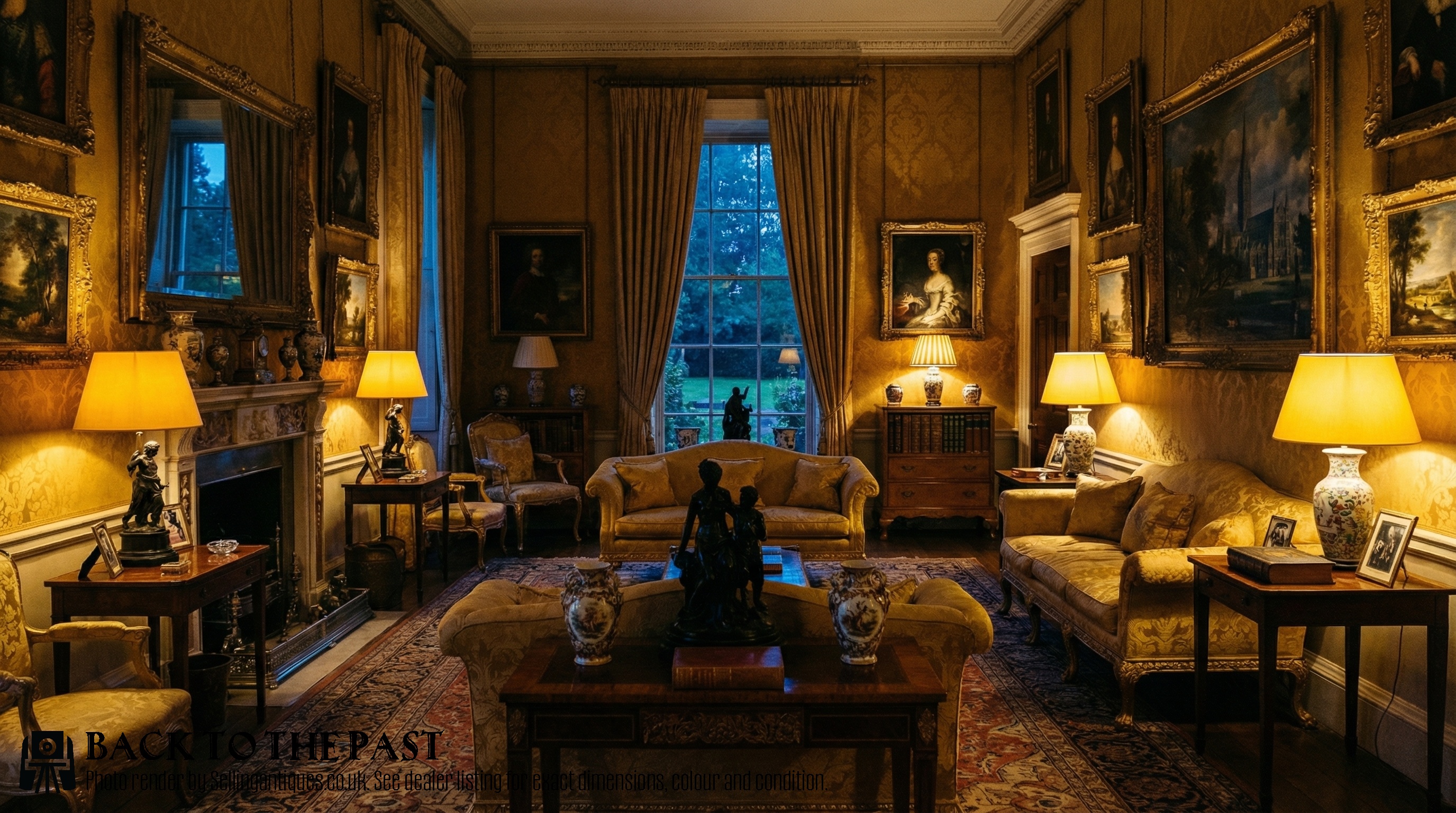
Walnut Open Bookshelf
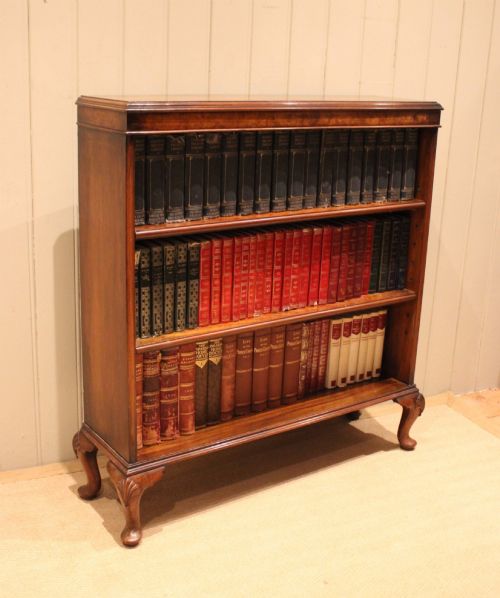
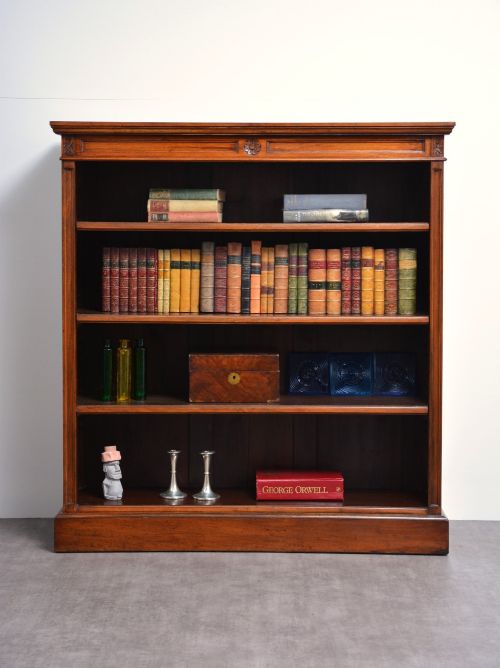
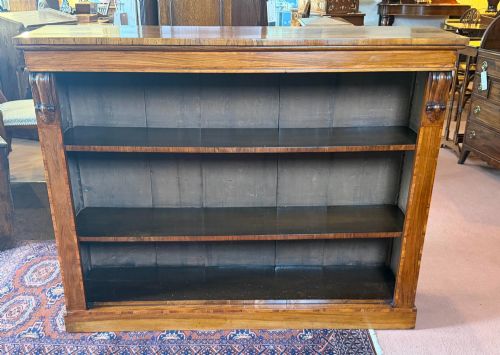
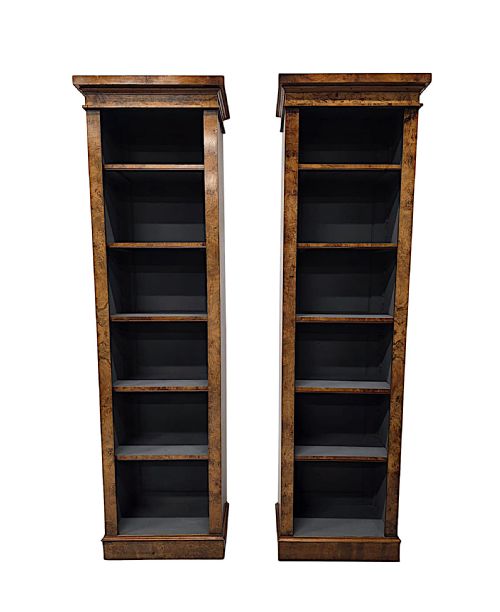
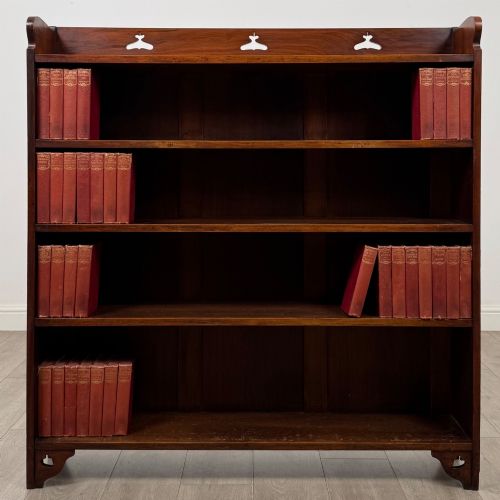
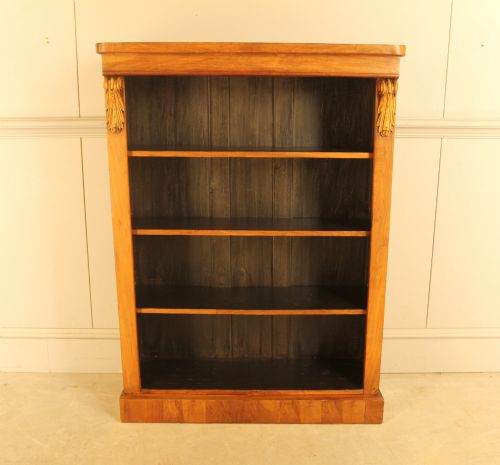
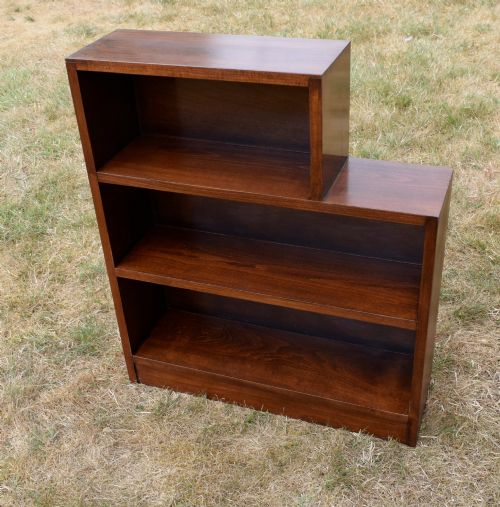
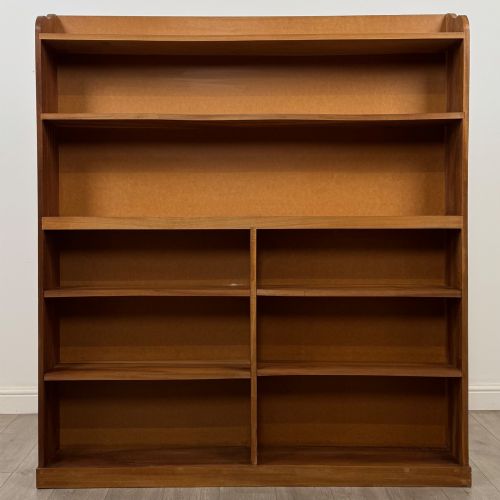
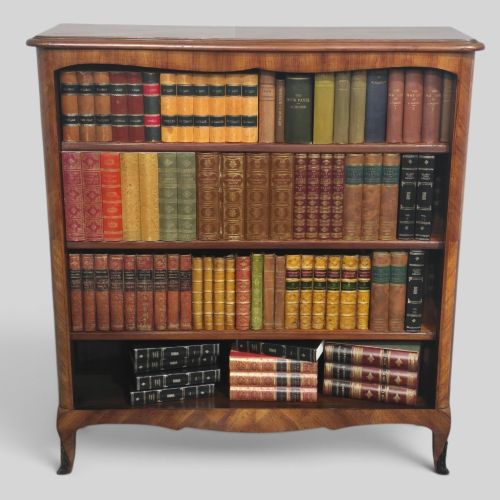
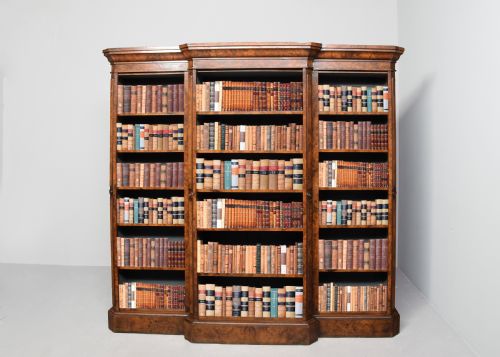
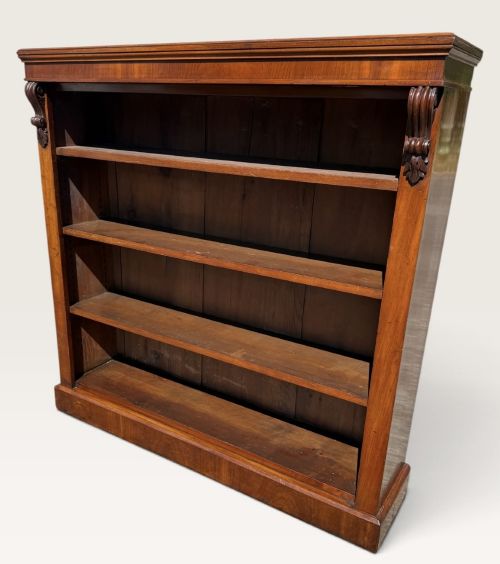
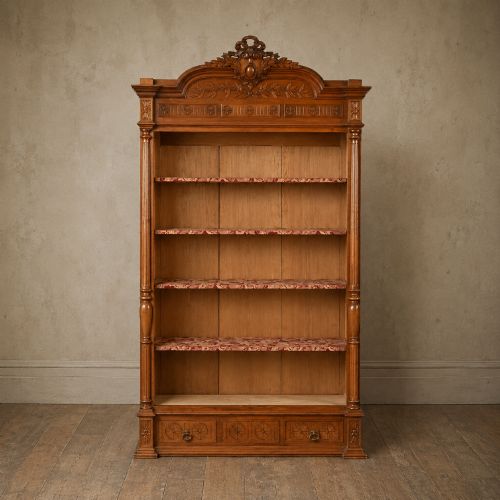
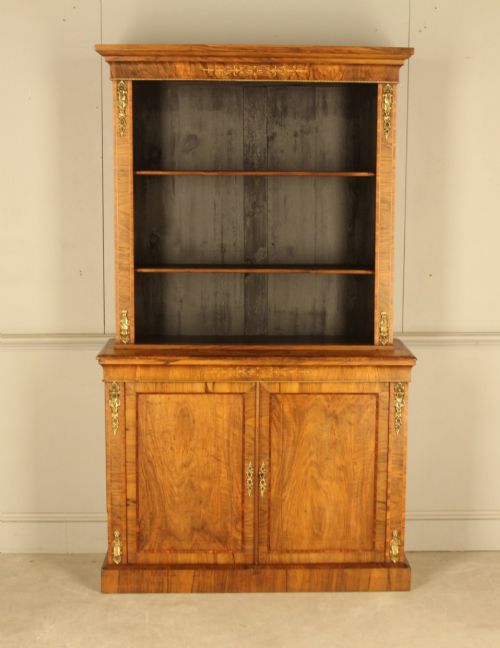
A walnut open bookshelf provides tiered storage without doors, placing book spines on direct display for daily use. The pieces appearing here span from the nineteenth century through the Edwardian period and the art deco era, encompassing both British and continental workshops.
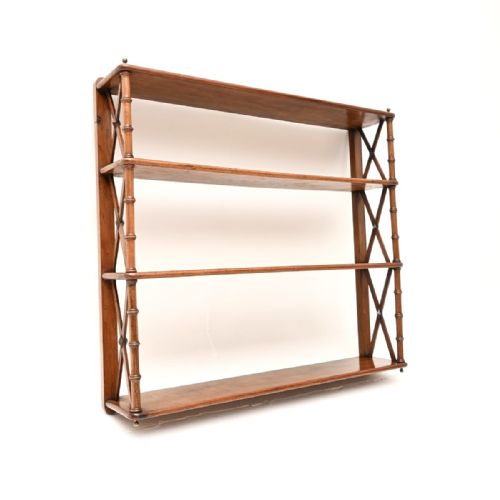
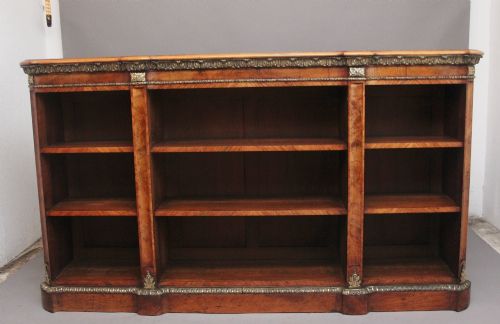
Victorian and nineteenth-century examples dominate the selection, often featuring low proportions or breakfront configurations designed for domestic libraries and parlours. Alongside standard bookcases, related forms such as whatnots, wall shelves, and cascading units offer alternative ways to arrange books.
The materials range from figured timber and burr walnut veneers to solid wood frameworks supplemented by pine or satinwood. Many nineteenth-century versions incorporate adjustable shelving, allowing the interior spaces to accommodate volumes of varying heights.
What varies in quality
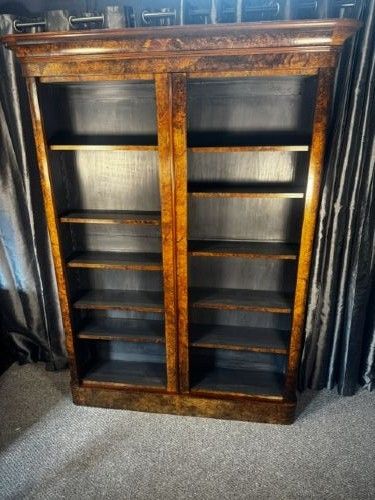
The grade of timber veneer and the precision of its matching across large surfaces set finer pieces apart from standard workshop output. Burr walnut requires exceptional skill in cutting and laying to maintain continuous grain patterns across breakfront doors or bookcase fronts.
The refinement of carved details, structural stability in breakfront configurations, and the inclusion of original ormolu mounts signal superior craftsmanship. Pieces originating from notable makers or exhibition workshops demonstrate higher standards in proportion and timber selection.
Early cabinet makers occasionally hid clever rack-and-pinion mechanisms inside bookcase columns so shelves could shift without loose pins.
Johnstone and Jeanes·Maurice Adams
The Walnut Open Bookshelf Glossary
- Burr walnut
- A figured wood grain taken from the growth excrescences of walnut trees, prized for its swirling, decorative patterns. Cabinet makers frequently used burr veneers on prominent surfaces like bookcase fronts.
- Breakfront
- A piece of furniture where the central section projects forward from the flanking wings. This configuration breaks up a long flat surface and provides architectural depth.
- Ormolu
- Gilt bronze mounts applied to furniture for decorative enrichment. These metallic accents frequently appear on nineteenth-century pieces alongside walnut.
- Whatnot
- A set of open shelves supported by pillars or columns, used for displaying ornaments and small books. The form emerged in the Victorian period and shares similarities with open bookcases.
- Adjustable shelves
- Internal boards that can be moved to different heights using support pins or racks. This practical feature allows a bookcase to house volumes of diverse sizes.
Walnut Open Bookshelf: Frequently Asked Questions
How do I date a walnut open bookcase?
Dating relies on stylistic clues, construction methods, and timber characteristics recorded across Victorian, Edwardian, and Art Deco eras. Details such as adjustable shelf mechanisms and decorative mounts help narrow down the period.
Nineteenth-century pieces often display heavier proportions and rich burr veneers, while later twentieth-century examples lean towards streamlined forms or revival styles.
Are the shelves usually adjustable?
Many nineteenth and twentieth-century examples include adjustable shelving supported by wooden or brass tracks. This allowed owners to rearrange the interior space for different book sizes.
Fixed shelves do appear in smaller wall units and specific cabinet designs, so checking individual descriptions confirms the internal setup.
What is the difference between a bookcase and a whatnot?
A bookcase is primarily built for housing volumes, whereas a whatnot is a multi-tiered display stand for ornaments and smaller items. Both share open shelving formats in walnut.
Whatnots often feature slender turned supports and lighter frames suited to parlour display rather than heavy library storage.
How do I care for walnut veneer surfaces?
Polished walnut benefits from gentle dusting with a soft cloth and occasional applications of traditional wax to nourish the timber. Avoiding direct sunlight and sudden temperature changes protects the veneer.
Keeping the wood conditioned maintains the depth of the grain figure without building up heavy chemical residues.